
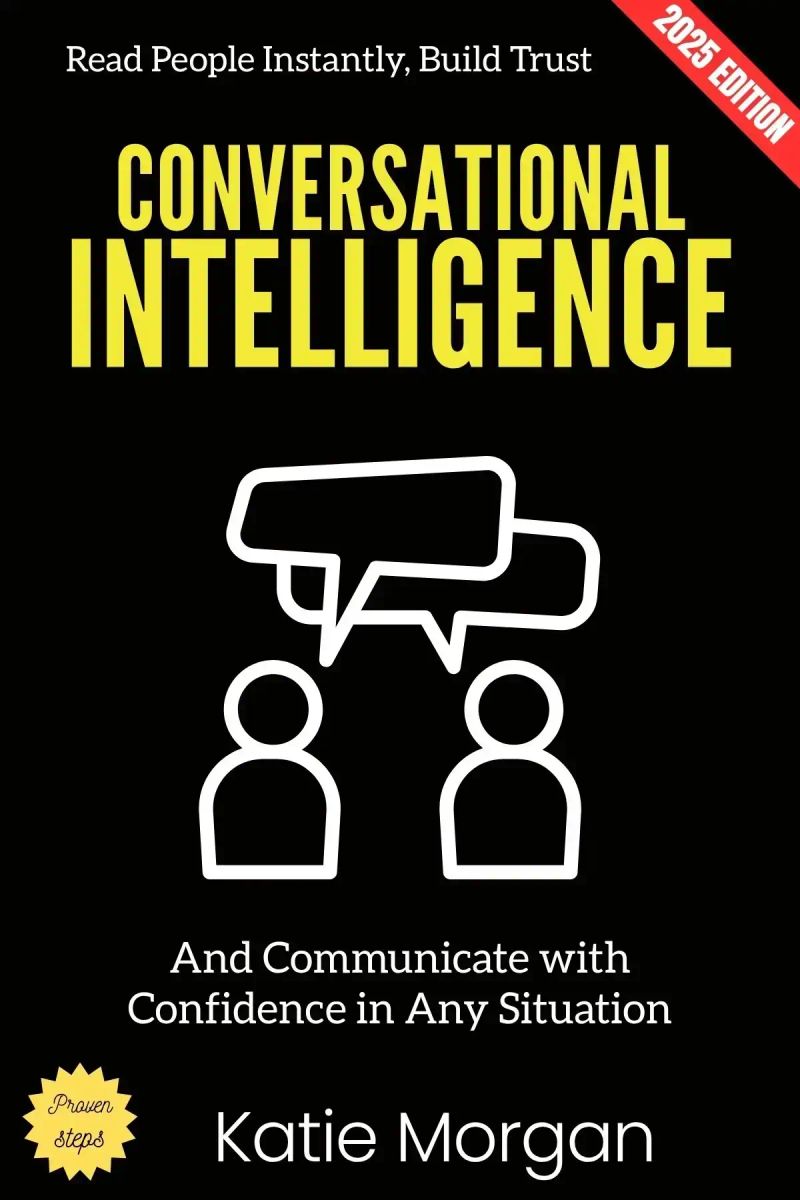
Conversational Intelligence
Read People Instantly, Build Trust, and Communicate with Confidence in Any SituationBy Katie Morgan


Length2h 40m
About this audiobook
In a world of constant messages and quick replies, meaningful conversation has become one of the most valuable skills. Conversational Intelligence explores how communication shapes relationships, trust, and influence in both personal and professional life.
This guide explains the deeper dynamics behind how people listen, respond, and connect. By understanding the psychology and emotional signals within conversations, you can move beyond surface-level dialogue and create interactions that build trust and understanding.
Here's a Preview of What You'll Learn...
The neuroscience behind trust and communication
How tone and word choice influence relationships
Moving from casual talk to meaningful dialogue
Building trust through everyday conversations
Managing conflict while maintaining respect and understanding
Improve the way you communicate and turn everyday conversations into opportunities for connection and growth.
Scroll up and Grab your Copy Today!
Audiobook details
GenreSelf-Help, Business and Economics
Length2 hrs 40 mins
Narrated byListen with 1,000+ voices
FormateBook with Audio
Publish dateMar 8, 2026
LanguageEnglish
Table of contents
1Introduction
2The Foundations of Conversational Intelligence
3How Conversations Shape Relationships and Results
4The Neuroscience Behind Trust and Communication
5Levels of Conversation: From Transactional to Transformational
Show all chaptersShow less
6Building Trust Through Language and Tone
7The Role of Listening in Effective Dialogue
8Reading Between the Lines: Understanding Unspoken Cues
9Turning Conflict into Constructive Conversation
10Developing Empathy and Emotional Agility in Dialogue
11The Power of Storytelling in Everyday Conversations
12Feedback That Builds, Not Breaks
13Creating Conversational Cultures in Teams and Organizations
14Digital Dialogue: Communicating Effectively in Virtual Spaces
15Mastering Conversational Intelligence for Personal Growth
16Conclusion

Whispers in the DarkJonathan Kade50m$9.99

The Last KeyClara Whitfield47m5.0 (1)Free

Beyond the Null HorizonAlaric Shade51m$2.99 · $0.00

Apex of ShadowsLucien Crow53m$2.99 · $0.00

Neon Echoes of TomorrowSeraphine Ember47m$4.99 · $0.00

Whispers of the Shattered RealmKael Dusk47m$2.99 · $0.00

Crimson OdysseyEvelyn Frost58m$2.99 · $0.00

Shadows Between CluesSebastian Grey59m$2.99 · $0.00

Fractured HorizonsSable Thorn1h 4m$2.99 · $0.00

The Shadow AlgorithmLuna Ray49m$2.99 · $0.00

The Echo of Blue GlassClara Whitmore50m$2.99 · $0.00

The Ember TrailElysia Storm58m$2.99 · $0.00

The Ember VeilTaylor Morgan51m$2.99 · $0.00

The Singularity ParadoxJack Morrison56m Only with Ultra

Edge of the Forgotten FrontierNolan Drake47m$2.99 · $0.00

The Last FrequencyCasey Flint55mFree

Shadows of the ForgottenAvery Knight51m$2.99 · $0.00

Edge of the HorizonWyatt Stone53m$2.99 · $0.00

Whispers Between the RainDashiell Cross48m$4.99

Shadows in the AlleyCyrus Falcon46m$2.99 · $0.00
Learning to PrayJames Martin13h 24m4.5 (3.4K)$33 · $0.00

The Dangerous Truth about Today’s MarijuanaLaura Stack CSP, MBA9h 57m4.7 (385)$20 · $0.00
The Gospel according to Spiritualism (Translated)Allan Kardec14h 39m4.6 (3.9K)$5.70 · $0.00

Birdie & HarlowTaylor Wolfe7h 50m4.6 (6.5K)$26 · $0.00
CrossroadsKaleb Dahlgren7h 56m4.6 (4.9K)$26 · $0.00

Life on the BridgeKaelynn Partlow5h 40m4.6 (1.1K)$24 · $0.00

Keep Your Love OnDanny Silk9h 4m4.6 (8.1K)$10 · $0.00
The Tao of Joy Every DayDerek Lin10h 24m4.6 (762)$20 · $0.00
UndividedVicky Beeching9h 2m4.6 (1.3K)$29 · $0.00

HE CAN WHO THINKS HE CAN & OTHER BOOKS ON SUCCESSOrison Swett Marden5h 54m4.6 (1.2K)$1.99 · $0.00
Level UpRob Dial7h 42m4.6 (3.3K)$26 · $0.00

Burn the HaystackJennie Young, PhD9h 30m4.6 (543)$29 · $0.00

ACRES OF DIAMONDS: Our Every-day Opportunities (Wisdom & Empowerment Series) (Annotated)Russell Conwell2h 26m4.6 (1K)$2 · $0.00

Good InsideBecky Kennedy9h 55m4.5 (59.3K)$29 · $0.00

The Lost VoiceGreta Morgan8h 30m4.7 (285)$26 · $0.00

Stripped DownBunnie Xo8h 25m4.5 (32.9K)$26 · $0.00

UnthinkableJamie Raskin15h 8m4.5 (9.3K)$8 · $0.00

Wallace D. Wattles Ultimate Collection Wallace D. Wattles16h 53m4.6 (1.3K)$1 · $0.00
Inquire WithinIn-Q2h 18m4.6 (993)$16 · $0.00

Under His WingsEmily Compagno7h 16m4.6 (848)$22 · $0.00
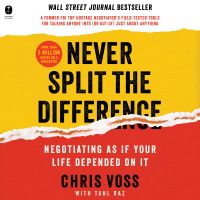
Never Split the DifferenceChris Voss, Tahl Raz8h 7m4.4 (277.7K)$26 · $0.00
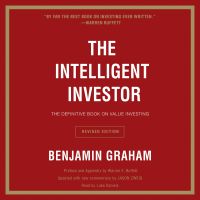
The Intelligent Investor Rev Ed.Benjamin Graham17h 48m4.3 (191.5K)$40 · $0.00
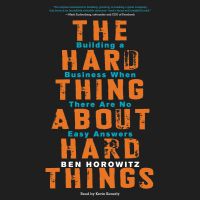
The Hard Thing About Hard ThingsBen Horowitz7h 57m4.2 (134.3K)$26 · $0.00
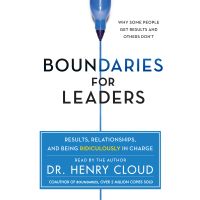
Boundaries for LeadersHenry Cloud7h 36m4.3 (3.6K)$26 · $0.00

The Secret Door to SuccessFlorence Scovel Shinn2h 25m4.5 (2.1K)$1.20 · $0.00

This Is Going to HurtAdam Kay5h 47m4.4 (444.7K)$24 · $0.00

Big TrustShadé Zahrai, Fayçal Sekkouah8h 36m4.6 (406)$26 · $0.00
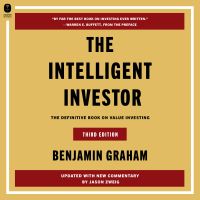
The Intelligent Investor Third EditionBenjamin Graham, Jason Zweig20h4.4 (156.6K)$46 · $0.00

Bottle of LiesKatherine Eban14h 25m4.4 (12K)$33 · $0.00

The Antiracist Business BookTrudi Lebrón6h 10m4.6 (275)$17 · $0.00
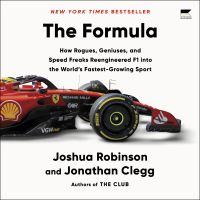
The FormulaJoshua Robinson, Jonathan Clegg10h 41m4.4 (6.9K)$29 · $0.00
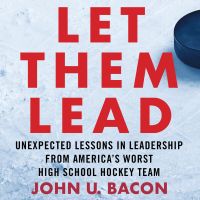
Let Them LeadJohn U. Bacon7h 10m4.5 (1.4K)$24 · $0.00

Secrets of the Millionaire MindT. Harv Eker5h 11m4.4 (301.4K)$24 · $0.00
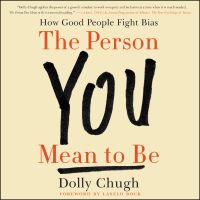
The Person You Mean to BeDolly Chugh9h 6m4.4 (7.2K)$29 · $0.00
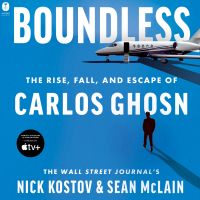
BoundlessNick Kostov, Sean McLain9h 17m4.5 (1.1K)$29 · $0.00
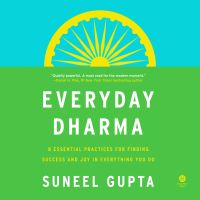
Everyday DharmaSuneel Gupta5h 2m4.5 (761)$20 · $0.00
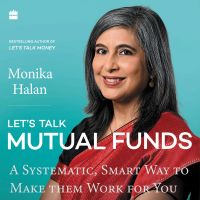
Let's Talk Mutual FundsMonika Halan7h 5m4.4 (2.4K)$16 · $0.00

Secret PowerDwight Lyman Moody3h 7m4.4 (1.4K)$1.20 · $0.00
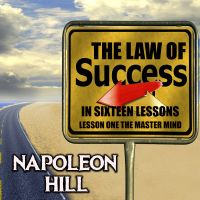
The Law of Success in Sixteen LessonsNapoleon Hill2h 39m4.4 (17.2K)$2 · $0.00
Barbarians at the GateBryan Burrough, John Helyar3h 3m4.4 (52.7K)$18 · $0.00
You may also like
The Body Fat SolutionTom Venuto10h 5m4.2 (1.4K)$26

Unf*ck Your AdultingFaith G. Harper PhD1h 50m4.1 (3.4K)$15
The Art of Public Speaking Dale Carnegie9h 4m4.0 (8.8K)Free

A Hidden WholenessParker J. Palmer5h 54m4.3 (4.6K)$14

Nazariya Jeet KaJeff Keller, Dheeraj Kumar Agarwal10h 33m4.4 (1.2K)$29 · $0.00
The Way of ExcellenceBrad Stulberg6h 46m4.2 (1.1K)$24 · $0.00
Good AuthorityJonathan Raymond4h 23m4.3 (1.8K)$20

Above Life's TurmoilJames Allen2h 11m4.2 (871)$1.20 · $0.00

Don’t Text Your Ex Happy BirthdayNick Viall6h 4m3.9 (3.2K)$17 · $0.00

Secrets to Life and HappinessChris Widener2h 26m4.0 (28)$18

The Soccer Mindset: Mental Toughness and Winning Habits on the FieldDevynne A. Healy4h 23m$3.50 · $0.00
Game PlanMike Mancias7h 2m4.0 (188)$24 · $0.00
How To Win At Everything: The Formula To Transform Your Life In Record TimeSamuel Lawrence1h 16m$6 · $0.00

The Power of ConnectionsSteve Pavlina14m$4 · $0.00

FriendingGina Handley Schmitt MA, LMHC3h 24m4.1 (234)$15 · $0.00
Live HappyDeborah K. Heisz8h 40m3.8 (396)$26 · $0.00

DemotivatedVictor Freire 35m5.0 (3)Free

Step Up: The Incremental Gains FrameworkMichelle Louise Escott3h 39m$5 · $0.00

The Acne SolutionKian M. Hart4h 10m$3.50 · $0.00
The Art of Making Friends and Winning People OverLaura Sthephane1h 14m$5.30 · $0.00