
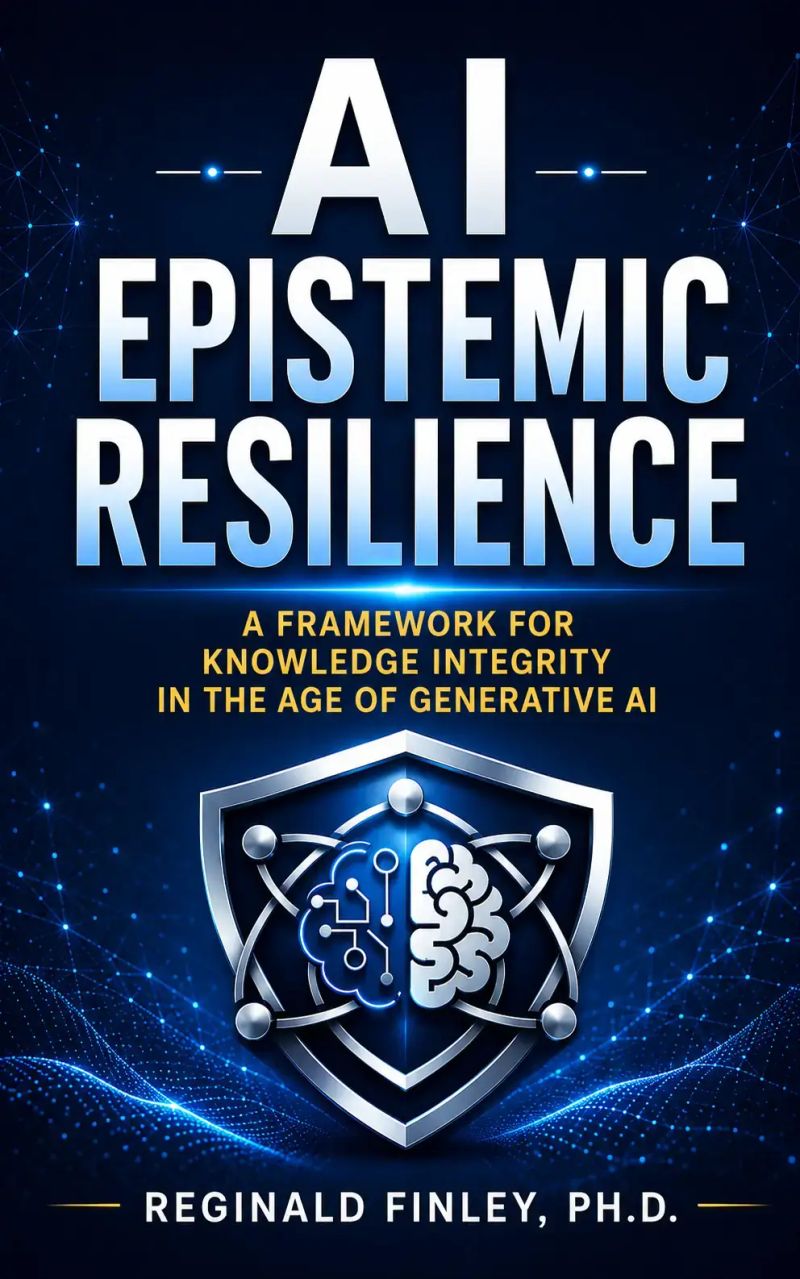
AI-Epistemic Resilience
A Framework for Knowledge Integrity in the Age of Artificial IntelligenceBy Reginald Finley, Ph.D.


Length4h 35m
About this audiobook
Artificial intelligence has transformed not only how information is produced but also how it is trusted. AI-Epistemic Resilience introduces a powerful new framework for thinking clearly in this transformed landscape. Drawing from philosophy, cognitive science, and applied research, Dr. Reginald V. Finley presents practical strategies for cultivating the habits of mind needed to evaluate, verify, and reason well in an age of generative AI.
The framework centers on four interdependent practices: verification, epistemic humility, adaptive reasoning, and metacognition with AI. Together, they help individuals and organizations maintain knowledge integrity when faced with persuasive but uncertain machine-generated content.
Whether you are a professional, educator, researcher, or lifelong learner, AI-Epistemic Resilience will challenge and inspire you to rethink how we evaluate information, make decisions, and preserve sound reasoning in the era of intelligent machines.
Audiobook details
GenreTechnology
Length4 hrs 35 mins
Narrated byListen with 1,000+ voices
FormateBook with Audio
Publish dateMay 27, 2026
LanguageEnglish
Table of contents
1Foreword
2Preface
3Introduction
4Chapter 1: The AI-Driven Epistemic Challenge
5Chapter 2: Defining AI-Epistemic Resilience
Show all chaptersShow less
6Chapter 3: Foundations of Knowledge Resilience
7Chapter 4: Verification Practices
8Chapter 5: Epistemic Humility
9Chapter 6: Adaptive Reasoning
10Chapter 7: Metacognitive Monitoring
11Chapter 8: Integrating the Regulatory Elements
128.2 The Dynamic Stance
13Chapter 9: Design Patterns for Resilient Knowledge
14Chapter 10: Sample Activities and Case Examples
1510.2 University Seminar Scenario: Critical Thinking with AI Essays
16Chapter 11: Assessment Blueprints
17Chapter 12: Policy Guidelines for AI and Knowledge Integrity
1812.2 Guideline 2: Embrace Uncertainty
1912.4 Guideline 4: Reflect and Reveal
20Introduction to Part IV
21Chapter 13: The AI Dismissal Fallacy
22Claims of AI fabrication require justification, not intuition
23Chapter 14: When Verification Fails
2414.2 Provenance as the New Foundation
25Conclusion
26Introduction to Part V
27Chapter 15: Study Designs for Testing AI-Epistemic Resilience
2815.3 Longitudinal Field Designs
2915.6 Ethical Considerations
30Chapter 16: Measuring the Impacts of AI-Epistemic Resilience
3116.2 Developing the AI-ER Index
3216.6 Evaluating Impact Beyond the Individual
3316.7 Ethical Dimensions of Measurement
34Chapter 17: Developing Interventions and Applied Models
3517.2 Educational Interventions
3617.6 Implementation Phases
37Pilot and Iterate (Months 6–18): Testing and Refining in Real Contexts
38Chapter 18: Future Directions and Global Implications
3918.2 Global Collaboration and Cultural Adaptation
4018.3 Policy Integration and Institutionalization
4118.6 Ethical and Humanistic Horizons
4218.7 The Long View: Toward an Age of Epistemic Sustainability
43Closing Reflections
44Glossary
45Index

When the Heavens Went on SaleAshlee Vance18h 20m4.4 (3K)$40 · $0.00

Everybody Has a Podcast (Except You)Justin McElroy, Travis McElroy, Griffin McElroy5h 9m4.3 (2.3K)$24 · $0.00

Hands of TimeRebecca Struthers8h 8m4.4 (1.3K)$26 · $0.00
Never Lost AgainBill Kilday10h 1m4.4 (805)$29 · $0.00
How the Internet HappenedBrian McCullough13h 28m4.3 (2.7K)$23 · $0.00
Collected Writings of Nikola TeslaNikola Tesla, Thomas Commerford Martin21h 50m4.3 (1.7K)$1 · $0.00

Just AspireAjai Chowdhry9h 13m4.4 (260)$29 · $0.00

The Little Book of AliensAdam Frank8h 20m4.3 (1.3K)$26 · $0.00
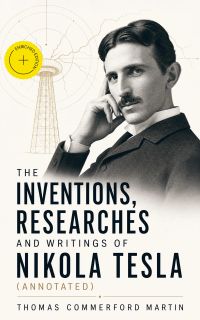
The inventions, researches and writings of Nikola Tesla (Annotated)Thomas Commerford Martin16h 59m4.3 (1.3K)$2 · $0.00

KargilV.P. Malik15h 18m4.3 (2K)$24 · $0.00
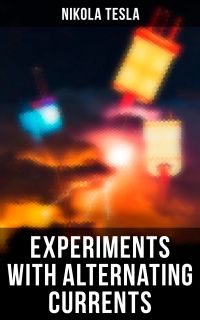
Experiments with Alternating CurrentsNikola Tesla9h 16m4.3 (874)$1.99 · $0.00

Fire on the HorizonTom Shroder, John Konrad8h 23m4.3 (858)$26 · $0.00

The Smell of Kerosene (Annotated)National Aeronautics and Space Administration, Donald L. Mallick, Peter W. Merlin11h 32m4.3 (523)$2 · $0.00

The Boy Who Harnessed the WindWilliam Kamkwamba, Bryan Mealer10h 5m4.2 (78.9K)$29 · $0.00
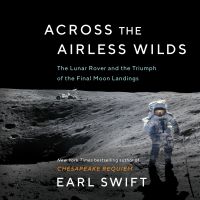
Across the Airless WildsEarl Swift10h 8m4.3 (1.3K)$29 · $0.00

Console WarsBlake J. Harris20h 41m4.2 (13.7K)$46 · $0.00
Improvised Munitions HandbookU.S. Department of Defense4h 49m4.3 (1.6K)$1.99 · $0.00
Escaping GravityLori Garver10h 54m4.2 (2.2K)$20 · $0.00

Wireless WarsJonathan Pelson8h 2m4.3 (418)$20 · $0.00

Let There Be WaterSeth M. Siegel8h 36m4.2 (2.3K)$20 · $0.00
You may also like
The Problem of Increasing Human Energy (Annotated)Nikola Tesla6h 44m4.2 (3.2K)$2 · $0.00

AutobiographyNikola Tesla4h 11m4.1 (26K)$2 · $0.00
RecalculatingLindsey Pollak7h 50m4.2 (307)$26 · $0.00

Change by Design, Revised and UpdatedTim Brown7h 37m4.0 (12K)$26 · $0.00
The Creativity CodeMarcus du Sautoy9h 54m4.0 (2.2K)$20 · $0.00
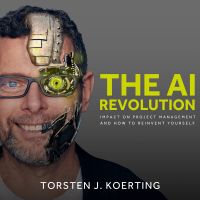
The AI RevolutionTorsten J. Koerting3h 11m$5 · $0.00
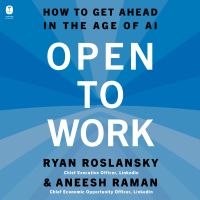
Open to WorkRyan Roslansky, Aneesh Raman5h 56m$24 · $0.00
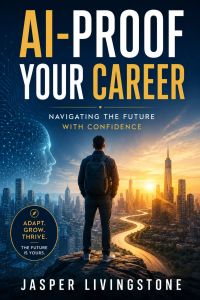
AI-Proof Your Career: Navigating the Future with ConfidenceJasper Livingstone7h 11m$6.90
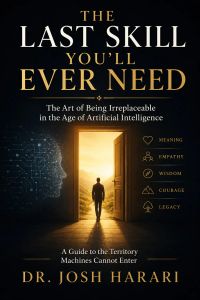
The Last Skill You'll Ever NeedDr. Josh Harari2h 5m$5.70 · $0.00
IntelligenceSteve Pavlina2h 51m$8 · $0.00
Think, Focus, Grow RichRobert4h 38m$6 · $0.00
AI in the Writing WorkshopDennis Magliozzi, Kristina Peterson5h 28m4.2 (25)$20

The Human EdgeDorian Frinch1h 9m$14 · $0.00
Tesla: Collected Writings (Annotated)Nikola Tesla50h 10m4.3 (23)$1.99 · $0.00
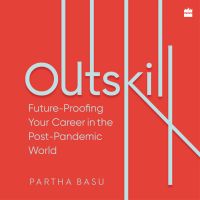
OutskillPartha Basu6h 10m3.9 (25)$24 · $0.00
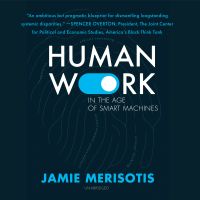
Human Work in the Age of Smart MachinesJamie Merisotis6h 30m3.9 (164)$15 · $0.00

Prompt Your LifeDorian Frinch29m$14 · $0.00

AI Anxiety ToolkitImad Muratspahic3h 21m$12 · $0.00

Quick Guide To Customer ServiceGiancarlo Hernández Vela2h 20m$6 · $0.00
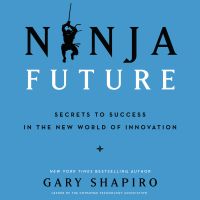
Ninja FutureGary Shapiro8h 24m4.0 (134)$26 · $0.00