
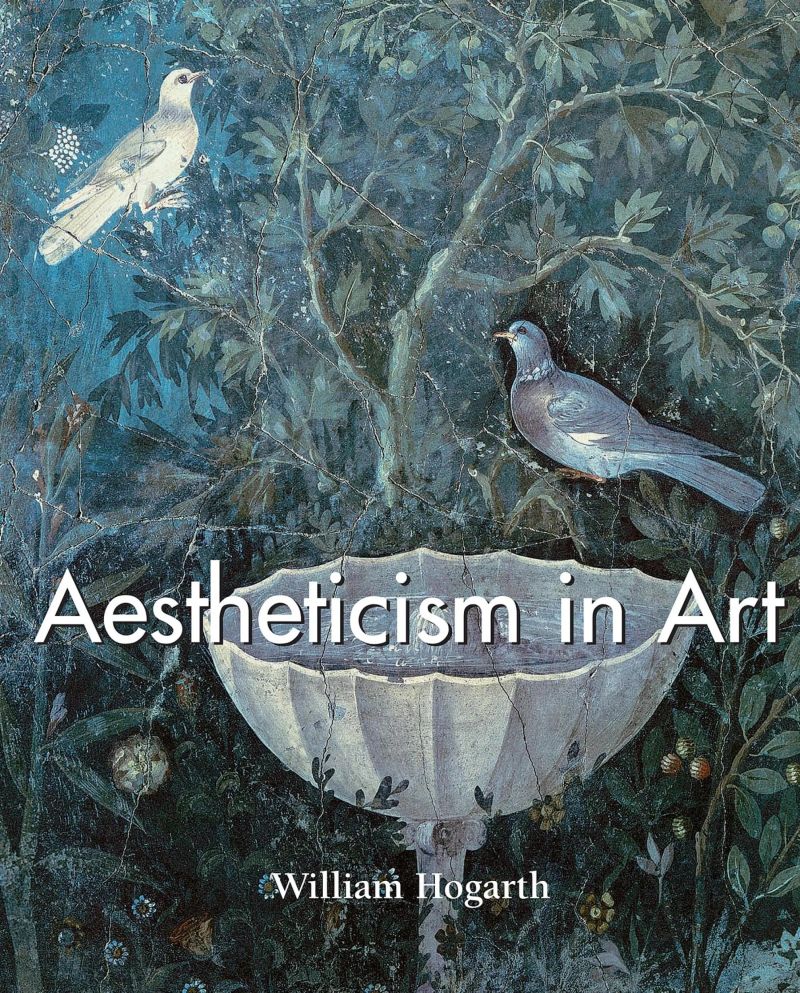
Aestheticism in Art
Hogarth's Vision of Beauty and Morality in the Rise of Aesthetic ArtBy William Hogarth


Length5h 3m
About this audiobook
William Hogarth wrote his Analysis of Beauty in 1753, during the Age of Enlightenment. Through this captivating text, he tends to define the notion of beauty in painting and states that it is linked, per se, to the use of the serpentine lines in pictorial compositions. He calls it the line of beauty . His essay is thus dedicated to the study of the composition of paintings, depending on the correct use of the pictorial lines, light, colour, and the figure's attitudes. These timeless concepts have been applied by several artists through the centuries. Paintings from every period have here been chosen to support this demonstration. They allow us to explore the various manners in which beauty can be expressed in painting.
Audiobook details
GenreOther
Length5 hrs 3 mins
Narrated byListen with 1,000+ voices
FormateBook with Audio
Publish dateMay 8, 2012
LanguageEnglish
Table of contents
1Aestheticism in Art Aestheticism in Art
2permission of the copyright holder, throughout the world. Unless otherwise
3Index
4Introduction
5General Rules of Composition
Show all chaptersShow less
6Of Fitness
7Of Variety
8Of Uniformity, Regularity or Symmetry
9Of Simplicity, or Distinctness
10Of Intricacy
11Of Quantity
12Mastering of Lines
13Of Lines
14Of What Sort of Parts, and How Pleasing Forms Are Composed
15Of Composition with the Waving-Line
16Of Compositions with the Serpentine-Line
17Light, Shadows and Colours
18Of Proportions
19Of Composition, with Regard to Light, Shade and Colour
20Of Colouring
21Positioning of the Human Figure in Compositions
22Of the Face
23Of Attitude
24Of Action
25Hogarth’s Life
26Index
27Woman Having her Hair Combed, 1886-1888
28Mantegna, Andrea
29Renoir, Pierre-Auguste
30Diana at her Bath (detail), c. 1715-1716
More from William Hogarth


Mere ChristianityC. S. Lewis7h 7m4.4 (519.7K)$24 · $0.00

Her Daily BreadKate Wood12h 57m4.6 (153)$33 · $0.00
The Holy Bible - 1 SamuelKing James2h 13m4.8 (1.6K)$3 · $0.00

The American Standard Bible — The Gospel of MatthewMatthew3h 56m4.7 (3K)$2 · $0.00

Bad Fat Black GirlSesali Bowen6h 32m4.7 (2.8K)$24 · $0.00
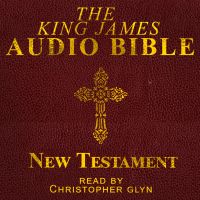
The King James Audio Bible New Testament CompleteChristopher Glyn20h 2m4.7 (2.6K)$12 · $0.00
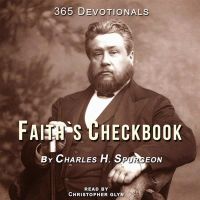
Faiths CheckbookCharles Spurgeon12h 44m4.7 (3.2K)$11 · $0.00

Ten Things I Wish You Knew About Your Child's Mental HealthDr. Billy Garvey4h 53m4.7 (2.4K)$20 · $0.00
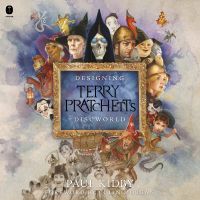
Designing Terry Pratchett’s DiscworldPaul Kidby3h 52m4.7 (343)$20 · $0.00
The Chosen Book OneAmanda Jenkins, Kristen Hendricks, Dallas Jenkins3h 8m4.6 (4.9K)$10 · $0.00
The Lives of BrianBrian Johnson9h 45m4.6 (3.5K)$29 · $0.00
Expository Thoughts on the Gospel of LukeJ.C. Ryle27h 13m4.7 (536)$18 · $0.00

CrossroadsKaleb Dahlgren7h 56m4.6 (4.9K)$26 · $0.00

Across the RiverKent Babb11h 40m4.6 (927)$29 · $0.00

Brain Training for RidersAndrea Monsarrat Waldo5h 56m4.7 (550)$19 · $0.00

My Effin' LifeGeddy Lee17h 11m4.6 (13.1K)$40 · $0.00
Kings and PawnsHoward Bryant10h 9m4.6 (678)$29 · $0.00

The Elementia Chronicles #2: The New OrderSean Fay Wolfe11h 17m4.6 (841)$29 · $0.00
The ActsLuke2h 55m4.6 (19.7K)$12 · $0.00

New Testament - Easy NavigationWorld English Bible19h 35m4.6 (1.3K)$1.30 · $0.00
You may also like
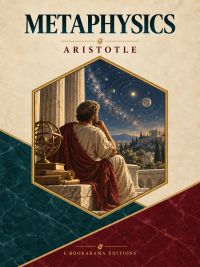
MetaphysicsAristotle11h 38m4.4 (1.5K)$2.30 · $0.00

Pete the Cat Plays Hide-and-SeekJames Dean, Kimberly Dean6m4.3 (572)$4 · $0.00

A Silent FireShilpa Ravella12h 2m4.0 (1.3K)$23
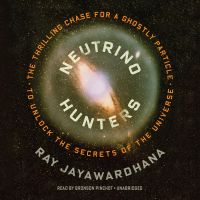
Neutrino HuntersRay Jayawardhana6h 4m4.1 (955)$17
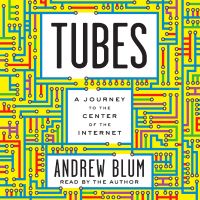
TubesAndrew Blum7h 21m3.6 (4.9K)$24 · $0.00
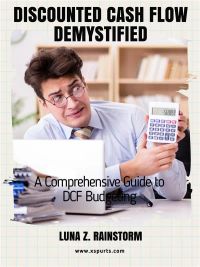
Discounted Cash Flow DemystifiedLuna Z. Rainstorm8h 4m$6.40 · $0.00

AP Statistics Exam Study GuideMarie Peterson9h 23m$10
Discounted Cash Flow BudgetingEvan J. Patel8h 20m$6.40 · $0.00

Instrumentation for Industrial Process SystemsBeatriz Quintanar13h 2m$75

Wi-Fi Router Setup Made SimpleWalter Hemsley4h 10m$5

Gemstones and their distinctive CharactersFrederik Herbert Smith8h 18m4.3 (40)$2.30
Petroleum Fluids and Production MethodsCallum Braithwaite14h 57m$85
How to Make Money Flipping Used Books - How to Identify Valuable Editions, Assess Condition, Build Profitable Lots, and Sell to the Right ReadersJACK FLIPWELL8h 19m$8.10 · $0.00

How to Make Money Flipping Motorhomes and Travel Trailers - How to Assess Structure and Systems, Plan Profitable Renovations, and Resell SafelyJACK FLIPWELL2h 2m$7.70 · $0.00
How to Make Money Flipping Used Construction Machinery - How to Verify Mechanical Condition, Work History, Transport Costs, and Resale PotentialJACK FLIPWELL2h 5m$7.70 · $0.00
Comments on AstrophysicsPedro Paulo Prado42m$16 · $0.00
How to Make Money Flipping Fishing Gear - How to Evaluate Rods, Reels, and Accessories, Build Complete Kits, and Resell for ProfitJACK FLIPWELL6h 41m$7.80 · $0.00

HVAC and Motor Controls Field WorkbookDale Mattingly12h 43m4.6 (12)$60
HumoristsPaul Johnson6h 59m3.3 (175)$17 · $0.00
Early Printed BooksE. Gordon Duff5h 55m3.7 (18)$2.30