
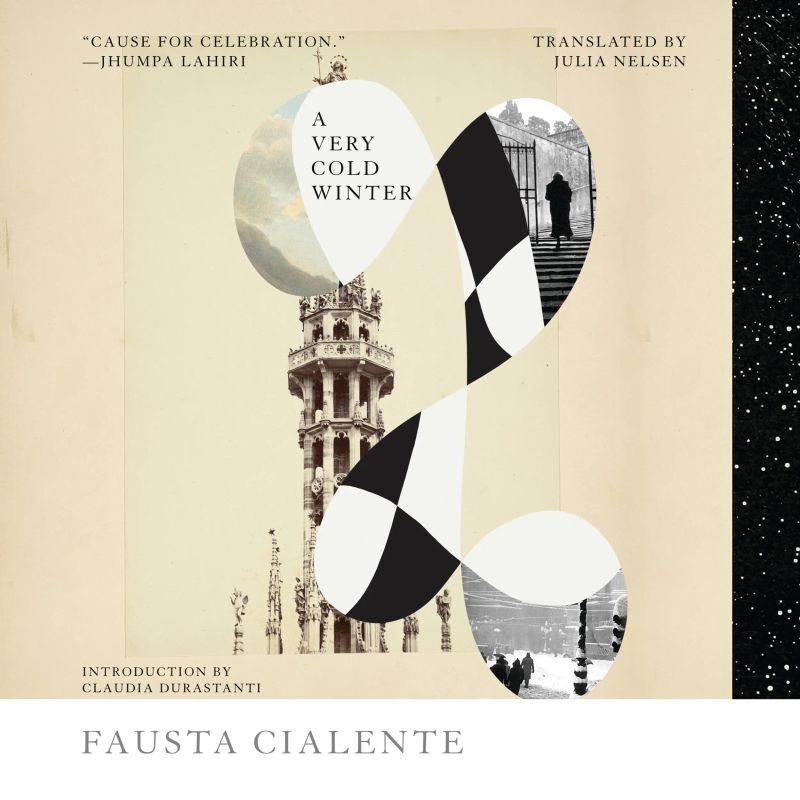
Length8h 17m
About this audiobook
“Cause for celebration.”—Jhumpa Lahiri
A novel of secrets and female solidarity set in post-war Milan, by one of Italy’s most significant women writers.
In A Very Cold Winter, it is 1946 and Milan is in ruins. A woman named Camilla opens her illegally occupied attic to her extended family as they rebuild their lives among the rubble. The absence of men—lost to war, death, or abandonment—leaves the burden of survival to the women, who use the attic to incubate fragile futures: Camilla works to carry the family toward dignity and normalcy; Lalla dreams of becoming a novelist to escape their grim reality; Regina, widowed by the war, pins her hopes on her infant daughter; Alba chases independence and love. Varying political ideologies, loyalties, and wartime secrets filter through the house, creating a thick net of tension. As the narrative roams from the thoughts of character to character, the residents of this “hotel for the poor” consider their own complicity and moral compromises, wondering if they’re able to escape the weight of what they’ve lived through.
Fausta Cialente’s exquisite prose captures the frailty of the human heart in its desperate search for connection. An introduction from author and Italian translator Claudia Durastanti frames this classic feminist icon for the modern American listener. Tender, thought-provoking, and devastatingly beautiful, A Very Cold Winter is about the impossibility of forgetting the past and the difficulty of living with it.
Audiobook details
Rating★★★★ 3.9 (514)
Includes Goodreads
GenreFantasy, General Fiction
Length8 hrs 17 mins
Narrated byJanet Metzger
FormatAudiobook
Publish dateJan 20, 2026
LanguageEnglish
Demon CopperheadBarbara Kingsolver21h 3m4.5 (949.4K)$46 · $0.00
Remarkably Bright CreaturesShelby Van Pelt11h 17m4.4 (1.7M)$29 · $0.00

Before the Coffee Gets Cold: A Toshikazu Kawaguchi Book SetToshikazu Kawaguchi18h 55m4.5 (1.4K)$40 · $0.00
The Song of AchillesMadeline Miller11h 15m4.3 (2.3M) · 1005$29 · $0.00
The Left and the LuckyWilly Vlautin6h 40m4.4 (1.1K)$24 · $0.00
Hunt of the DragonJuliette Cross9h 46m4.4 (736)$20
Deadly GameChristine Feehan13h 20m4.3 (15.8K)$30

WildfireIlona Andrews12h 45m4.5 (62.9K)$33 · $0.00
Lolth's WarriorR. A. Salvatore13h 20m4.6 (2.4K)$33 · $0.00

The Love Songs of W.E.B. Du BoisHonoree Fanonne Jeffers29h 49m4.5 (58K)$8 · $0.00
Treasure Island (Adventure Classic with Illustrations)Robert Louis Stevenson8h 50m4.5 (11.2K)$1.99 · $0.00
Lola in the MirrorTrent Dalton13h 40m4.5 (43.9K)$33 · $0.00
Going PostalTerry Pratchett13h 36m4.5 (163.8K)$33 · $0.00
The Leo Tolstoy CollectionLeo Tolstoy9h 1m4.5 (4.9K)$12 · $0.00
Sword and ShadowMichelle Sagara16h 51m4.5 (2.2K)$40 · $0.00
A Tree Grows in BrooklynBetty Smith14h 55m4.4 (577.6K)$33 · $0.00
Dark GuardianChristine Feehan12h 32m4.5 (26.3K)$33 · $0.00
The Neil Gaiman ReaderNeil Gaiman27h 3m4.5 (3.2K)$53 · $0.00

The HobbitJ. R. R. Tolkien10h 51m4.4 (4.9M)$12 · $0.00
Bad HabitAlana S. Portero5h 37m4.4 (52.3K)$24 · $0.00
WhistlerAnn Patchett10h 45m4.6 (4.6K)$29 · $0.00
Demon CopperheadBarbara Kingsolver21h 3m4.5 (949.4K)$46 · $0.00
To Kill a MockingbirdHarper Lee12h 18m4.5 (7.4M)$29 · $0.00
Remarkably Bright CreaturesShelby Van Pelt11h 17m4.4 (1.7M)$29 · $0.00
This Side of Paradise - The Original 1920 Edition (Annotated)F. Scott Fitzgerald11h 30m4.6 (1.6K)$2 · $0.00

War LordBernard Cornwell13h 21m4.6 (33.1K)$33 · $0.00
The Great Gatsby: Original 1925 Edition (An F. Scott Fitzgerald Classic NovelFrancis Scott Fitzgerald4h 45m4.6 (9.3K)$18 · $0.00
Something Like LoveBeverly Jenkins10h 21m4.6 (2.7K)$29 · $0.00
Black History CollectionFrederick Douglass, Harriet Ann Jacobs, Booker T. Washington, W.E.B. Du Bois27h 9m4.6 (2.6K)$18 · $0.00
The Old Man and the Sea (Annotated)Ernest Hemingway4h 27m4.6 (1.4K)$2 · $0.00

White HotIlona Andrews13h 18m4.5 (136.9K)$5 · $0.00
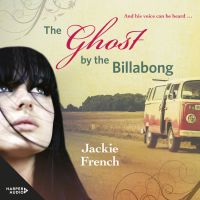
The Ghost by the Billabong (The Matilda Saga, #5)Jackie French14h 58m4.6 (773)$33 · $0.00
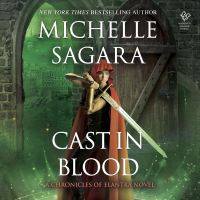
Cast in BloodMichelle Sagara16h 35m4.6 (607)$33 · $0.00
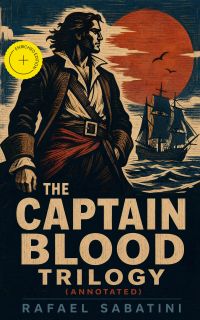
The Captain Blood Trilogy (Annotated)Rafael Sabatini29h 20m4.6 (1K)$3 · $0.00
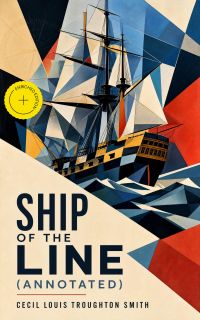
Ship of the Line (Annotated)Cecil Louis Troughton Smith11h 13m4.6 (1K)$2 · $0.00
The George Orwell CollectionGeorge Orwell24h 46m4.5 (14.4K)$12 · $0.00

ShivajiRanjit Desai25h 13m4.6 (3.1K)$24 · $0.00
Time RegainedMarcel Proust15h 38m4.5 (9.2K)$2 · $0.00

Driving ForceElle James4h 58m4.6 (407)$20 · $0.00

When God Calls the HeartBrian Bird, Michelle Cox3h 24m4.6 (439)$10 · $0.00
You may also like
The Care and Management of LiesJacqueline Winspear9h 45m3.9 (14.3K)$29 · $0.00

Under the Light of the Italian MoonJennifer Anton12h 28m4.5 (5.3K)$23 · $0.00

The Elephant of BelfastS. Kirk Walsh10h 51m3.8 (7.1K)$20
The Carpet Weaver of UsakKathryn Gauci6h 2m4.4 (366)$17
The Redhead of AuschwitzNechama Birnbaum8h 45m4.5 (14.8K)$20
A Brilliant LifeRachelle Unreich8h 6m4.4 (2.5K)$8 · $0.00
Our Nig; Or, Sketches from the Life of a Free Black, in a Two-story White House, North / Showing That Slavery's Shadows Fall Even ThereHarriet E. Wilson2h 21m3.9 (5.3K)Free
By Her HandMarion Taffe14h 46m4.4 (468)$33 · $0.00
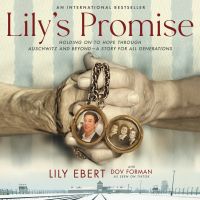
Lily's PromiseLily Ebert, Dov Forman8h 54m4.6 (16.1K)$29 · $0.00
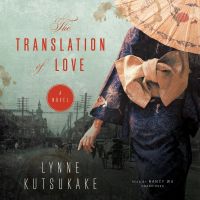
The Translation of LoveLynne Kutsukake11h 51m3.8 (2.3K)$20

The Forbidden DaughterZipora Klein Jakob6h 52m4.0 (1.6K)$24 · $0.00
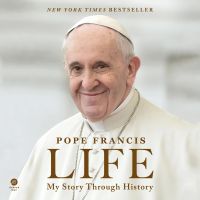
LifePope Francis6h 59m4.3 (3.1K)$24 · $0.00
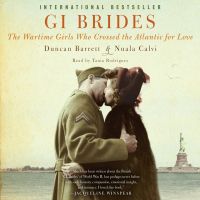
GI BridesDuncan Barrett, Nuala Calvi11h 6m4.0 (5K)$29 · $0.00
The Road From HomeDavid Kherdian5h 55m4.0 (1.4M)$24 · $0.00
Life SentencesBilly O'Callaghan6h 33m4.1 (1.2K)$17

At the Foot of the Cherry Tree: The bestselling, heart-warming novel based on a true story of forbidden love & heartbreak SHORTLISTED FOR THE DYMOCKS 2023 BOOK OF THE YEARAlli Parker10h 8m4.3 (6.3K)$29 · $0.00

VedaEllen Gardner5h 44m4.2 (1.7K)$17
Send for MeLauren Fox7h 9m3.8 (24.7K)$17

Burnt Toast Makes You Sing GoodKathleen Flinn8h 26m4.1 (3K)$20 · $0.00

Big LoveBrooke Blurton7h 21m4.3 (943)$24 · $0.00