
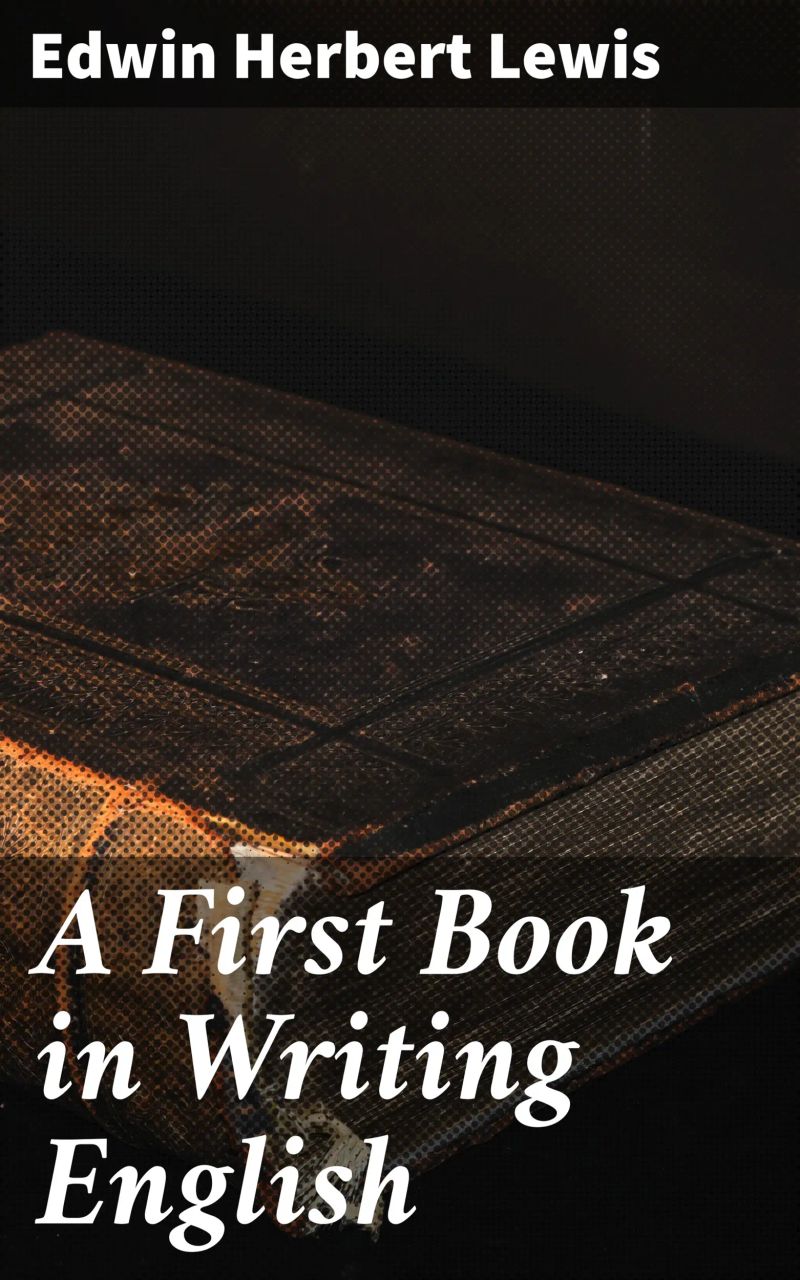
A First Book in Writing English
Mastering English Writing: A Comprehensive Guide to Grammar, Punctuation, and StructureBy Edwin Herbert Lewis


Length5h 56m
About this audiobook
In "A First Book in Writing English," Edwin Herbert Lewis meticulously guides readers through the foundational principles of effective written English. This instructional text blends clear exposition with practical exercises, facilitating the development of writing skills in a systematic and accessible manner. Rooted in the early 20th-century educational reforms, Lewis's approach is informed by both contemporary pedagogical theories and traditional grammar, thereby striking a balance between structure and creativity in writing. The book addresses various forms of writing, from sentence construction to essay composition, encouraging a reflective practice that engages learners at all levels. Edwin Herbert Lewis was a prominent educator and writer known for his commitment to teaching and language. His academic background and teaching experience likely influenced his desire to craft a comprehensive guide that emphasizes clarity and coherence in writing. Through his work, Lewis aimed to respond to the educational needs of a diverse group of students, believing that effective communication is essential for both personal and academic success. This book is a vital resource for anyone seeking to enhance their writing skills, whether students, educators, or professionals. Lewis'Äôs insightful guidance and practical exercises provide a robust framework for mastering the English language, making it an essential companion on the journey to becoming a proficient writer.
Audiobook details
GenreOther
Length5 hrs 56 mins
Narrated byListen with 1,000+ voices
FormateBook with Audio
Publish dateNov 5, 2021
LanguageEnglish
Table of contents
1The Semicolon.
26CHAPTER VIII ON CORRECTNESS IN CHOICE OF WORDS
2The Colon.
27Nouns
3The Dash.
28Ability, capacity.
4Quotation Marks.
29Acceptance, acceptation.
5Brackets.
30Access, accession.
Show all chaptersShow less
6The Exclamation Point.
31Act, action.
7The Interrogation Point.
32Advance, advancement.
8Italics.
33Alternative, choice.
9The Apostrophe.
34Avocation, vocation.
10Asterisks.
35Balance, remainder.
11Common Abbreviations.
36Character, reputation.
12CHAPTER IV GRAMMATICAL PHASES OF WRITING ENGLISH
37Compliment, complement.
13Concord of Subject and Predicate.
38Council, counsel.
14Concord of Adjective (or Participle) and Noun.
39Falseness, falsity.
15Concord of Pronoun and Antecedent.
40Invention, discovery.
16Concord of Cases.
41Limit, limitation.
17Concord of Tenses.
42Majority, plurality.
18Government.
43Observation, observance.
19On the Reference of Pronouns.
44Observation, remark.
20Conjunctions and Prepositions.
45Party, person.
21Adverb or Adjective?
46Part, portion.
22Matters of Etymology.
47Prominent, predominant.
23CHAPTER V ON DIVIDING A PARAGRAPH INTO SENTENCES
48Recipe, receipt.
24CHAPTER VI ON WELL-KNIT SENTENCES
49Relative, relation.
25CHAPTER VII ON ORGANIZING THE THEME
50Residence, house.
Mere ChristianityC. S. Lewis7h 7m4.4 (519.7K)$24 · $0.00
Her Daily BreadKate Wood12h 57m4.6 (153)$33 · $0.00
The Holy Bible - 1 SamuelKing James2h 13m4.8 (1.6K)$3 · $0.00
The American Standard Bible — The Gospel of MatthewMatthew3h 56m4.7 (3K)$2 · $0.00
Bad Fat Black GirlSesali Bowen6h 32m4.7 (2.8K)$24 · $0.00
The King James Audio Bible New Testament CompleteChristopher Glyn20h 2m4.7 (2.6K)$12 · $0.00
Faiths CheckbookCharles Spurgeon12h 44m4.7 (3.2K)$11 · $0.00
Ten Things I Wish You Knew About Your Child's Mental HealthDr. Billy Garvey4h 53m4.7 (2.4K)$20 · $0.00
Designing Terry Pratchett’s DiscworldPaul Kidby3h 52m4.7 (343)$20 · $0.00
The Chosen Book OneAmanda Jenkins, Kristen Hendricks, Dallas Jenkins3h 8m4.6 (4.9K)$10 · $0.00
The Lives of BrianBrian Johnson9h 45m4.6 (3.5K)$29 · $0.00
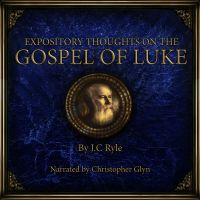
Expository Thoughts on the Gospel of LukeJ.C. Ryle27h 13m4.7 (536)$18 · $0.00
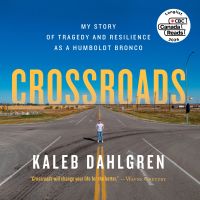
CrossroadsKaleb Dahlgren7h 56m4.6 (4.9K)$26 · $0.00

Across the RiverKent Babb11h 40m4.6 (927)$29 · $0.00
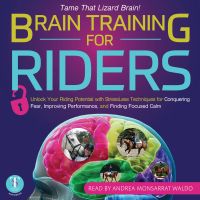
Brain Training for RidersAndrea Monsarrat Waldo5h 56m4.7 (550)$19 · $0.00
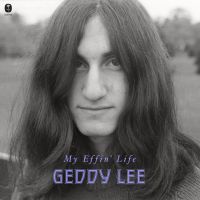
My Effin' LifeGeddy Lee17h 11m4.6 (13.1K)$40 · $0.00
Kings and PawnsHoward Bryant10h 9m4.6 (678)$29 · $0.00

The Elementia Chronicles #2: The New OrderSean Fay Wolfe11h 17m4.6 (841)$29 · $0.00
The ActsLuke2h 55m4.6 (19.7K)$12 · $0.00
New Testament - Easy NavigationWorld English Bible19h 35m4.6 (1.3K)$1.30 · $0.00
You may also like
The Rubaiyat of Omar KhayyamOmar Khayyam2h 22m4.3 (122.2K)$1 · $0.00
Reading the OEDAmmon Shea5h 9m3.8 (2.7K)$24 · $0.00
The Sea Around UsRachel Carson10h4.2 (8.7K)$1 · $0.00

The Mountains of California (Illustrated Edition)John Muir9h 55m4.3 (5.1K)$1 · $0.00
The Mountains of California (Illustrated Edition)John Muir11h 16m4.1 (1.4K)$1 · $0.00
Largo from XerxesBill Brown Jr.52m$5

Violins and Violin MakersJoseph Pearce3h 6m$2 · $0.00
Lectures on English poetsJames Russell Lowell4h 31m$2 · $0.00
Four Masters of EtchingFrederick Sir Wedmore1h 54m$2 · $0.00

China and the ChineseHerbert Allen Giles4h 28m3.5 (182)$6 · $0.00
The Land of The Blessed VirginSomerset Maugham5h 33m3.4 (92)$2.30
The Masters and Their MusicW. S. B. Mathews6h 21m$2 · $0.00
A London MosaicWalter Lionel George4h 25m$2 · $0.00
The Orbis PictusJohann Amos Comenius5h 37m$1 · $0.00
Music Notation and TerminologyKarl Wilson Gehrkens3h 25m4.0 (51)$1 · $0.00

Nature Near LondonRichard Jefferies5h 38m4.0 (16)$1 · $0.00
Dinners and Diners: Where and How to Dine in LondonLieut.-Col. Newnham-Davis8h 50m$1 · $0.00
From the Oak to the Olive: A Plain record of a Pleasant JourneyJulia Ward Howe8h 53m$2 · $0.00
Science in ArcadyGrant Allen7h 23m$2 · $0.00
The Florentine Painters of the Renaissance. With An Index To Their WorksBernard Berenson6h 16m4.0 (60)$1 · $0.00