
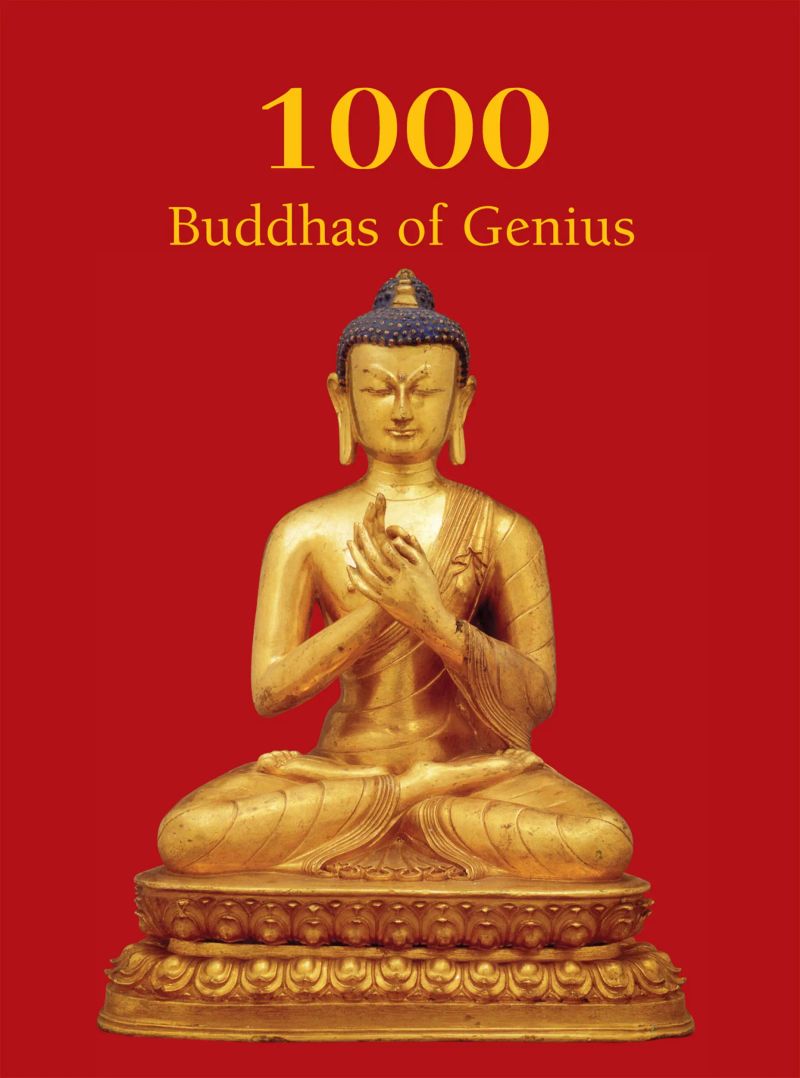
1000 Buddhas of Genius
By T.W. Rhys Davids Ph.D. LLD., Victoria Charles


Length7h 22m
About this audiobook
"All living beings are Buddhas and have wisdom and virtue within them. (Buddha) Buddha ranks among the most often depicted holy figures of the world perhaps appearing more than Christ, a subject widely treated by Western artists. Venerated in all the nations of Asia, and even beyond, his image took form along the Silk Road, the birthplace of many schools of Buddhism. Indeed, the Buddhist religion recognises many Buddhas representing various traditions: such as Buddhism of "the Ancient Teaching‰ (Theravada), of "the Great Vehicle‰ (Mahayana) and Tantric Buddhism (Varjrayana). A figure adored by all, Buddha has been depicted in every art form: sculpture, often of monumental size, like the now destroyed Buddhas of Bamyan, painting, and above all in countless cave murals, such as those of Ajanta in India or Dunhuang in China. Perfect for all those passionate about Asian art, from neophytes to Buddhists, this fascinating work invites the reader to discover or rediscover Buddha, his history, his codes, but also his innumerable faces through one thousand representations selected from among the most beautiful works held in the worldÊs greatest museums.
Audiobook details
GenreOther
Length7 hrs 22 mins
Narrated byListen with 1,000+ voices
FormateBook with Audio
Publish dateNov 24, 2014
LanguageEnglish
Table of contents
1Introduction
2The Life of the Buddha
3The Life of Gautama, Down to the Time of his Appearance as a Teacher:
4Asita, the seer, visits the newborn prince (from the Pali Canon, the standard collection of scriptures for Theravada Buddhism):
5At age 29, the young prince goes forth into homelessness (Pali Canon):
Show all chaptersShow less
6Buddha speaks on Mara, the personification of evil (Pali Canon):
7Passers-by take notice of his serene radiance and mindfulness (Pali Canon):
8A king wonders, “Why have you gone forth?”:
9He practises extreme austerities in the forest:
10He confronts fear and terror head-on:
11He abandons his austerities (Pali Canon):
12Supreme Awakening (Pali Canon):
13The Buddha investigates the laws of cause-and-effect (Pali Canon):
14The Buddha wonders, “Whom should I revere as my teacher?”:
15He wonders, “Should I teach this Dharma to others?”:
16The Buddha’s first sermon, to the group of five ascetics (Pali Canon):
17Life of Gautama from the Commencement of his Public Ministry until his Death
18From the Pali Canon:
19His teachings, always practical, include lessons in basic good manners:
20…lessons in how to treat one’s parents:
21…lessons on the value of generosity:
22…on the value of virtue:
23…on the fruits of virtuous conduct:
24…on the drawbacks of all sensual pleasures – even heavenly ones:
25…on the value of renunciation:
26… and on the four Noble Truths:
27His reputation spreads (Pali Canon):
28He travels widely, teaching thousands of lay-followers (Pali Canon):
29…monks:
30…people from every caste and from all walks of life:
31…including lepers:
32…outcasts:
33…and heavenly beings:
34The Buddha teaches his family, including his son Rahula:
35…his stepmother, Mahapajapati Gotami:
36…and he guides his brother, Nanda, to arahantship:
37The Buddha recommends four pilgrimage sites:
38Thousands lament the imminent passing of the Buddha:
39As long as the Noble Eightfold Path is practised, there will be arahants:
40The Buddha’s parting words:
41From the Pali Canon:
42India, Sri Lanka and Central Asia
43Thailand and Southeast Asia
44Himalayan countries
45China
46Korea and Japan
47Appendix
48Names of the Buddha
49Mudras
50Chronology
More from T.W. Rhys Davids Ph.D. LLD., Victoria Charles
1000 BuddhasT.W. Rhys Davids Ph.D. LLD., Victoria Charles8h 57m4.1 (23)$15.50 · $0.00
1000 Bouddhas de GénieT.W. Rhys Davids Ph.D. LLD., Victoria Charles8h 56m$15.50 · $0.00
1000 Buddhas of GeniusT.W. Rhys Davids Ph.D. LLD., Victoria Charles8h 20m4.6 (11)$18 · $0.00
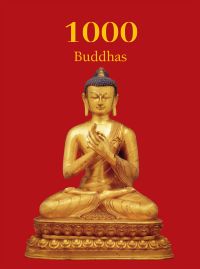
1000 BuddhasT.W. Rhys Davids Ph.D. LLD., Victoria Charles8h 22m4.1 (20)$18 · $0.00
1000 Bouddhas de GénieT.W. Rhys Davids Ph.D. LLD., Victoria Charles8h 12m4.1 (20)$18 · $0.00
Mere ChristianityC. S. Lewis7h 7m4.4 (519.7K)$24 · $0.00

Her Daily BreadKate Wood12h 57m4.6 (153)$33 · $0.00
The Holy Bible - 1 SamuelKing James2h 13m4.8 (1.6K)$3 · $0.00
The American Standard Bible — The Gospel of MatthewMatthew3h 56m4.7 (3K)$2 · $0.00

Bad Fat Black GirlSesali Bowen6h 32m4.7 (2.8K)$24 · $0.00
The King James Audio Bible New Testament CompleteChristopher Glyn20h 2m4.7 (2.6K)$12 · $0.00
Faiths CheckbookCharles Spurgeon12h 44m4.7 (3.2K)$11 · $0.00
Ten Things I Wish You Knew About Your Child's Mental HealthDr. Billy Garvey4h 53m4.7 (2.4K)$20 · $0.00
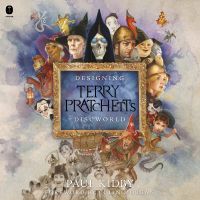
Designing Terry Pratchett’s DiscworldPaul Kidby3h 52m4.7 (343)$20 · $0.00
The Chosen Book OneAmanda Jenkins, Kristen Hendricks, Dallas Jenkins3h 8m4.6 (4.9K)$10 · $0.00
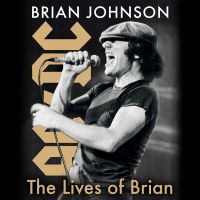
The Lives of BrianBrian Johnson9h 45m4.6 (3.5K)$29 · $0.00
Expository Thoughts on the Gospel of LukeJ.C. Ryle27h 13m4.7 (536)$18 · $0.00

CrossroadsKaleb Dahlgren7h 56m4.6 (4.9K)$26 · $0.00

Across the RiverKent Babb11h 40m4.6 (927)$29 · $0.00
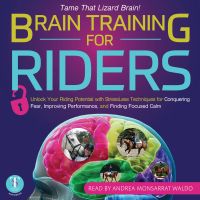
Brain Training for RidersAndrea Monsarrat Waldo5h 56m4.7 (550)$19 · $0.00
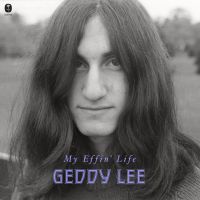
My Effin' LifeGeddy Lee17h 11m4.6 (13.1K)$40 · $0.00
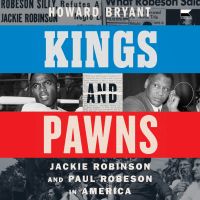
Kings and PawnsHoward Bryant10h 9m4.6 (678)$29 · $0.00

The Elementia Chronicles #2: The New OrderSean Fay Wolfe11h 17m4.6 (841)$29 · $0.00
The ActsLuke2h 55m4.6 (19.7K)$12 · $0.00
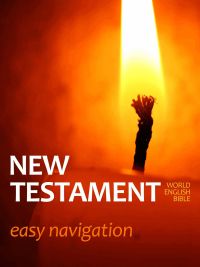
New Testament - Easy NavigationWorld English Bible19h 35m4.6 (1.3K)$1.30 · $0.00
You may also like
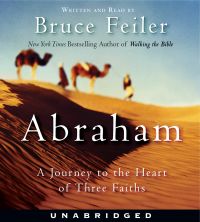
AbrahamBruce Feiler5h 50m3.8 (4.2K)$24 · $0.00
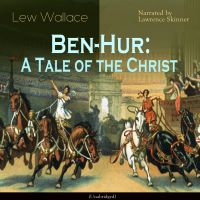
Ben-Hur: A Tale of the ChristLew Wallace23h 3m4.2 (52K)$10 · $0.00
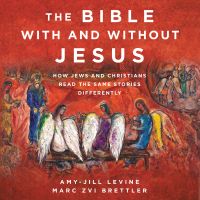
The Bible With and Without JesusAmy-Jill Levine, Marc Zvi Brettler14h 32m4.3 (1.3K)$33 · $0.00

TanakhVarious Authors231h 33m4.5 (9.4K)$1 · $0.00
The Aquarian Gospel of Jesus the ChristLevi H. Dowling14h 31m4.3 (997)$0.99 · $0.00

I ChingAnonymous16h 36m4.3 (27.6K)$1.49 · $0.00
The Book of JubileesChristopher Glyn5h 39m4.6 (1.4K)$6 · $0.00
The First ChristmasMarcus J. Borg, John Dominic Crossan7h 26m4.1 (2.1K)$24 · $0.00
The Aquarian Gospel of Jesus ChristLevi H. Dowling14h 30m4.3 (1.8K)$2 · $0.00
The Aquarian Gospel of Jesus ChristLevi H. Dowling14h 32m4.2 (5.8K)$1.99 · $0.00

Shepherd of HermasAnonymous4h 5m4.0 (3.7K)$0.99 · $0.00
The Rational Bible: ExodusPrager, Dennis14h 54m4.7 (6.2K)Free
1000 Buddhas of GeniusT.W. Rhys Davids Ph.D. LLD., Victoria Charles8h 20m4.6 (11)$18 · $0.00
The Most Important Scriptures of MormonsJoseph Smith Jr., Brigham Young, James E. Talmage, John Taylor, B. H. Roberts, Joseph F. Smith, John A. Widtsoe, Parley P. Pratt, William Alexander Linn, Joseph Fielding Smith, George Q. Cannon, Wilford Woodruff, Eliza R. Snow719h 4m$1.99 · $0.00
Dear TheophilusPeter DeHaan2h 35m4.6 (20)$9.99 · $0.00
The Virgin in ArtKyra Belán3h 58m$18 · $0.00

Judaism: Sacred Texts, History, Theology & PhilosophyLouis Ginzberg, Heinrich Graetz, Judah Halevi, Moses Maimonides, Samuel Rapaport, Simeon Singer, Nurho de Manhar, Abraham Cohen601h 42m4.5 (12)$0.99 · $0.00
Famous Men of Ancient TimesSamuel G. Goodrich8h 28m$2.30
The Holy PibyRobert Athlyi Rogers1h 35m4.1 (103)$1.20 · $0.00
The Most Essential Books of Mormon ReligionJoseph Smith Jr.139h 56m4.5 (27)$1.99 · $0.00