
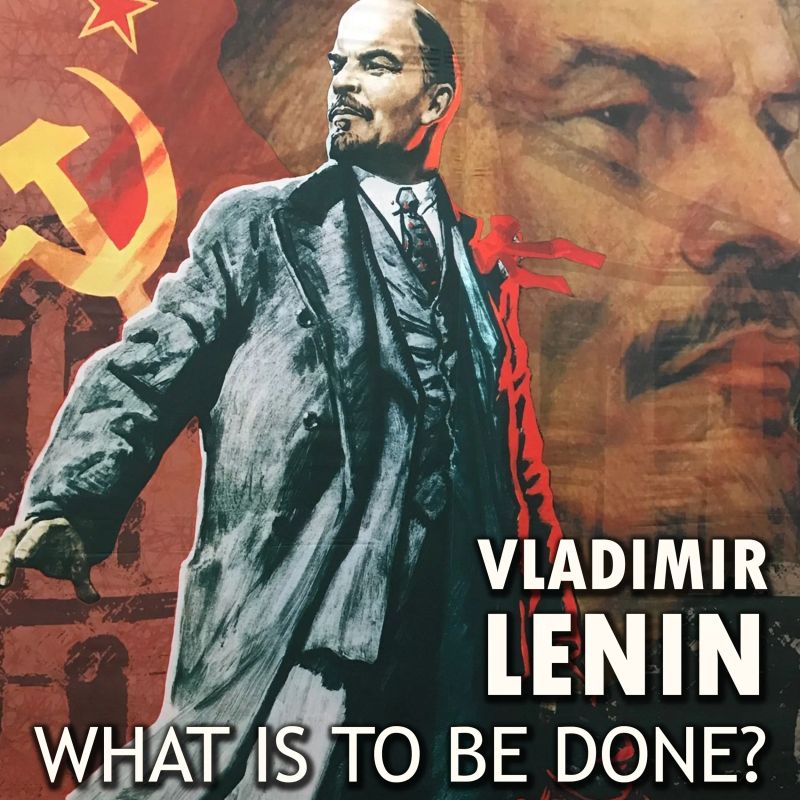
Só áudio
Duração6h 50m
Sobre este audiolivro
"What Is to Be Done?" by Vladimir Lenin is a seminal work that outlines the revolutionary strategy and organizational principles for the Russian Social Democratic Labour Party. Written in 1902, this influential text serves as a cornerstone in the development of Leninist thought.
Lenin addresses the challenges facing the working class movement, particularly the lack of revolutionary consciousness among the proletariat. He argues for the necessity of a vanguard party composed of professional revolutionaries who possess the political knowledge to guide the working class towards socialist revolution.
The text delves into Lenin's critique of spontaneity and calls for a disciplined and centralized party that can provide direction and leadership. Lenin emphasizes the importance of theoretical clarity, political education, and a strong organizational structure to achieve the ultimate goal of overthrowing the capitalist system.
"What Is to Be Done?" has been a subject of extensive debate and interpretation within Marxist circles, and its ideas have had a profound impact on the development of revolutionary movements worldwide. This work remains a key reference for those exploring Leninist theory and the role of the vanguard party in revolutionary change.
Detalhes do audiolivro
Avaliação★★★★ 4,1 (8,1 mil)
Inclui Goodreads, LibraryThing, Amazon, StoryGraph
GêneroPolitics and Government, History
Duração6 h 50 min
Narrado porPeter Coates
FormatoAudiolivro
Data de publicação15 de jan. de 2024
IdiomaInglês
Sumário
1Vladimir Lenin - What Is to Be Done? - Intro
2Preface
31. Dogmatism And "Freedom Of Criticism".A. WHAT IS "FREEDOM OF CRITICISM"?
4B. THE NEW ADVOCATES OF "FREEDOM OF CRITICISM"!
5C. CRITICISM IN RUSSIA
Mostrar todos os capítulosVer menos
6D. ENGELS ON THE IMPORTANCE OF THE THEORETICAL STRUGGLE
72. The Spontaneity Of The Masses And The Consciousness Of The Social-Democrats. A. THE BEGINNING OF THE SPONTANEOUS UPSURGE
8B. BOWING TO SPONTANEITY. THE RABOCHAYA MYSL
9C. THE SELF-EMANCIPATION GROUP AND THE RABOCHEYE DYELO
103. Trade-Unionist Politics And Social-Democratic Politics. A. POLITICAL AGITATION AND ITS RESTRICTION BY THE ECONOMISTS
11B. A TALE OF HOW MARTYNOV RENDERED PLEKHANOV MORE PROFOUND
12C. POLITICAL EXPOSURES AND "TRAINING IN REVOLUTIONARY ACTIVITY"
13D. WHAT IS THERE IN COMMON BETWEEN ECONOMISM AND TERRORISM?
14E. THE WORKING CLASS AS VANGUARD FIGHTER FOR DEMOCRACY
15F. AGAIN "SLANDERERS," AGAIN "MYSTIFIERS"
164. The Amateurishness Of The Economists And An Organization Of Revolutionaries. A. WHAT IS AMATEURISHNESS?
17B. AMATEURISHNESS AND ECONOMISM
18C. ORGANIZATION OF WORKERS AND ORGANIZATION OF REVOLUTIONARIES
19D. THE SCOPE OF ORGANIZATIONAL WORK
20E. A "CONSPIRATORIAL" ORGANIZATION AND "DEMOCRACY"
21F. LOCAL AND ALL-RUSSIAN WORK
225. The "Plan" For An All-Russian Political Newspaper. A. WHO WAS OFFENDED BY THE ARTICLE "WHERE TO BEGIN?"
23B. CAN A NEWSPAPER BE A COLLECTIVE ORGANIZER?
24C. WHAT TYPE OF ORGANIZATION DO WE REQUIRE?
25Conclusion
26Appendix
27What Is to Be Done? - Outro
Mais de Vladimir Lenin
Imperialism: The Final Stage of CapitalismVladimir Lenin4h 57min4.4 (17.1K)$5 · $0.00
The Proletarian Revolution and the Renegade KautskyVladimir Lenin4h 34min4.3 (1K)$1.99 · $0.00
The Proletarian Revolution and the Renegade KautskyVladimir Lenin5h 30min4.3 (793)$2 · $0.00
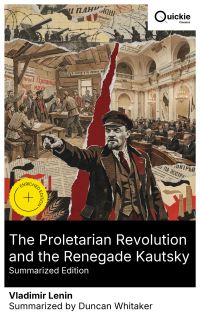
The Proletarian Revolution and the Renegade Kautsky (Summarized Edition)Vladimir Lenin2h 11min$2
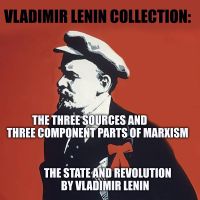
Vladimir Lenin collectionVladimir Lenin4h 28min4.3 (1K)$10
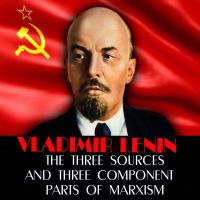
The Three Sources and Three Component Parts of MarxismVladimir Lenin17min4.2 (1.2K)$1 · $0.00
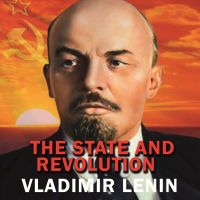
The State and RevolutionVladimir lenin4h 10min4.3 (19.8K)$3 · $0.00
The Gulag Archipelago Volume 3Aleksandr I. Solzhenitsyn21h 56min4.7 (8.9K)$46 · $0.00
MotherlandJulia Ioffe17h 52min4.7 (2.5K)$40 · $0.00

HostageEli Sharabi5h 25min4.6 (10.8K)$24 · $0.00
Days of Love and Rage: A Story of RevolutionAnand Gopal22h 36min4.7 (584)$34 · $0.00

KrantikariSanjeev Sanyal11h 44min4.6 (1.3K)$16 · $0.00

Unbroken Bonds of BattleJohnny Joey Jones8h 31min4.6 (2.6K)$8 · $0.00
On Democracies and Death CultsDouglas Murray10h 38min4.6 (6.5K)$29 · $0.00

Balcony Over Jerusalem: A Middle East Memoir - Israel, Palestine and BeyondJohn Lyons12h 37min4.6 (1.4K)$33 · $0.00
RiggedMollie Hemingway12h 48min4.6 (4.2K)$23 · $0.00

SledgehammerDavid Friedman8h 21min4.7 (589)$26 · $0.00
Citizenship in a Republic (Annotated)Theodore Roosevelt2h 44min4.6 (1.4K)$2 · $0.00

No EscapeNury Turkel9h 30min4.6 (809)$28 · $0.00

Always FaithfulThomas Schueman, Zainullah Zaki12h 12min4.6 (977)$29 · $0.00

UnthinkableJamie Raskin15h 8min4.5 (9.3K)$8 · $0.00
My Fourth Time, We DrownedSally Hayden13h 59min4.6 (2.9K)$23 · $0.00

A Revolution of Common SenseScott Jennings9h 29min4.6 (528)$29 · $0.00
Statement From the Dock at the Rivonia TrialNelson Mandela2h 18min4.6 (1.3K)$1 · $0.00

Lessons from the EdgeMarie Yovanovitch17h 11min4.5 (5.9K)$40 · $0.00
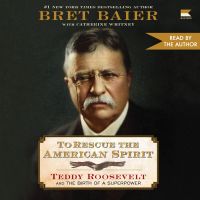
To Rescue the American SpiritBret Baier10h 12min4.5 (2.7K)$8 · $0.00

StonewalledSharyl Attkisson15h 19min4.5 (4.3K)$33 · $0.00

A Brief History of IntelligenceMax S. Bennett12h 18min4.6 (6.6K)$29 · $0.00

The Happiest Man on EarthEddie Jaku3h 48min4.6 (178K)$7 · $0.00
MotherlandJulia Ioffe17h 52min4.7 (2.5K)$40 · $0.00

Where Cowards Go to DieBenjamin Sledge8h 42min4.7 (351)$20 · $0.00
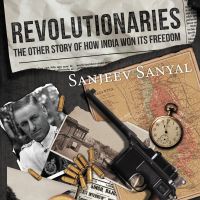
RevolutionariesSanjeev Sanyal11h 23min4.6 (2.6K)$29 · $0.00
Days of Love and Rage: A Story of RevolutionAnand Gopal22h 36min4.7 (584)$34 · $0.00

We Crossed a Bridge and It TrembledWendy Pearlman6h4.6 (5.2K)$24 · $0.00
Unbroken Bonds of BattleJohnny Joey Jones8h 31min4.6 (2.6K)$8 · $0.00

The Daughter of AuschwitzTova Friedman, Malcolm Brabant7h 54min4.6 (16.7K)$26 · $0.00

Lily's PromiseLily Ebert, Dov Forman8h 54min4.6 (16.1K)$29 · $0.00
On Democracies and Death CultsDouglas Murray10h 38min4.6 (6.5K)$29 · $0.00

Across the RiverKent Babb11h 40min4.6 (927)$29 · $0.00
Balcony Over Jerusalem: A Middle East Memoir - Israel, Palestine and BeyondJohn Lyons12h 37min4.6 (1.4K)$33 · $0.00

BeyondStephen Walker15h 39min4.6 (3.2K)$33 · $0.00
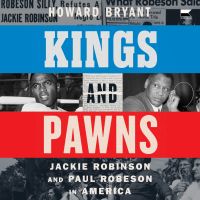
Kings and PawnsHoward Bryant10h 9min4.6 (678)$29 · $0.00
No EscapeNury Turkel9h 30min4.6 (809)$28 · $0.00

Jubal Stone: U.S. Marshal: Blood Trail To Hell: A Western Adventure NovelCasey Nash3h 42min4.6 (3.2K)$18 · $0.00

Fall and RiseMitchell Zuckoff17h 23min4.6 (9.8K)$40 · $0.00
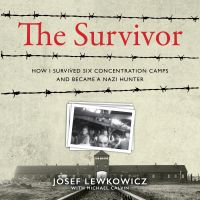
The SurvivorJosef Lewkowicz, Michael Calvin9h 22min4.6 (2.5K)$29 · $0.00
Always FaithfulThomas Schueman, Zainullah Zaki12h 12min4.6 (977)$29 · $0.00
Você também pode gostar

Fatal ConveniencesDarin Olien7h 52min4.0 (1.8K)$26 · $0.00
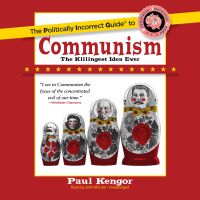
The Politically Incorrect Guide to CommunismPaul Kengor PhD11h 44min4.4 (498)$20
FairTax:The TruthBoortz Media Group LLC6h 35min4.3 (817)$24 · $0.00
ContentCory Doctorow7h 4min3.9 (1.8K)$17
Imperialism: The Final Stage of CapitalismVladimir Lenin4h 57min4.4 (17.1K)$5 · $0.00
The Vanishing Middle ClassPeter Temin7h 21min4.1 (459)$20 · $0.00
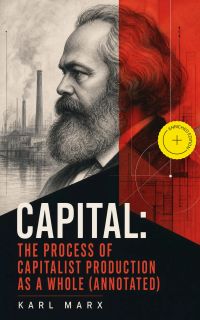
Capital: The Process of Capitalist Production as a Whole (Annotated)Karl Marx39h 34min4.5 (6.1K)$2 · $0.00

It’s Even Worse Than It LooksThomas E. Mann, Norman J. Ornstein6h 43min4.0 (4.6K)$18 · $0.00
Science, Liberty And PeaceAldous Leonard Huxley1h 57min4.0 (652)$2 · $0.00
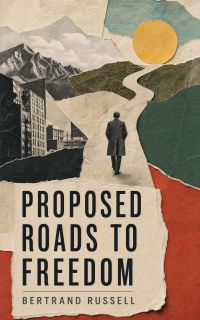
Proposed Roads to FreedomBertrand Russell5h 53min4.1 (1.1K)$1.99 · $0.00

UndoctoredWilliam Davis MD15h 35min4.2 (3.7K)$23
FDR’s FollyJim Powell9h 27min4.0 (1.1K)$20
The Three Sources and Three Component Parts of MarxismVladimir Lenin17min4.2 (1.2K)$1 · $0.00

No Is Not EnoughNaomi Klein7h 56min4.2 (14.1K)$17
The Progressive Era and the Rise of AmericaSantiago Machain5h 34min$21 · $0.00

Green HellSteve Milloy7h 22min3.6 (249)$17 · $0.00
This Misery of BootsH. G. Wells48min3.5 (30)$8

The scramble for the Eastern MediterraneanValeria Talbot5h 27min$9
Wealth MismanagementEd Butowsky5h 53min3.8 (103)$20 · $0.00

Zenith Of PowerCélio Azevedo50min$6 · $0.00