
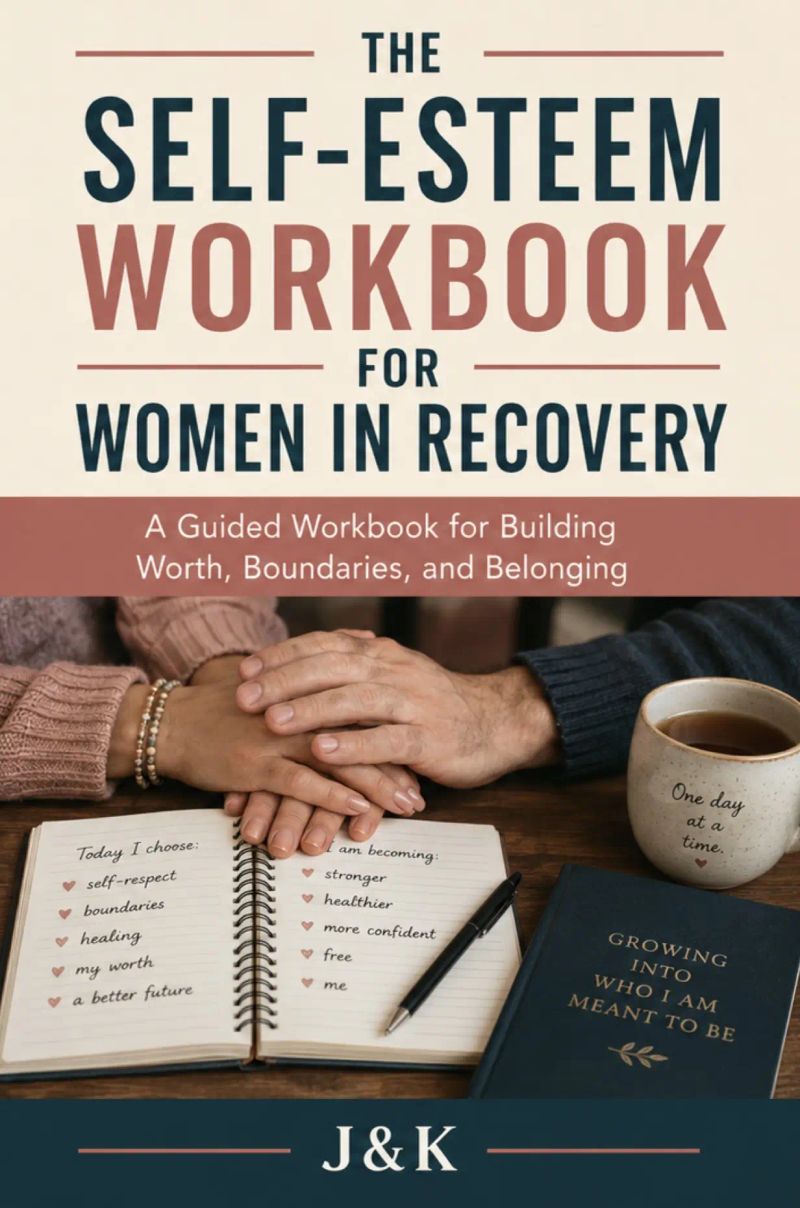
The Self-Esteem Workbook for Women in Recovery
Practical Tools for Reclaiming Identity and Self-Worth in Recovery after an AddictionDe james K.


Duração4h 23m
Sobre este audiolivro
Sobriety is not the finish line. It is where the harder work begins. The Self-Esteem Workbook for Women in Recovery is a 90-day research-grounded guide for women who have moved past early recovery and are now confronting what sobriety has revealed. The substances are gone, but the feeling of not being quite enough persists. Built on neuroscience, clinical psychology, and lived recovery experience, this workbook delivers structured exercises, boundary-setting scripts, and shame-interruption tools designed for women who are done with reassurance and ready for real change. Across thirteen chapters, readers will work through identity reclamation, self-compassion, relational repair, and emotional sobriety. This is not a beginner's guide. It is for the woman who already knows she matters and is now building the daily practice of actually living from that truth.
Detalhes do audiolivro
GêneroHealth and Wellness, Education and Learning
Duração4 h 23 min
Narrado porOuça com mais de 1.000 vozes
FormatoeBook com áudio
Data de publicação24 de mai. de 2026
IdiomaInglês
Sumário
1preliminary
2Introduction: How to Use This Workbook
3Who This Workbook Is For
4Navigating the Workbook
5The 90-Day Architecture
Mostrar todos os capítulosVer menos
6Chapter One: The Self-Worth Wound: What Recovery Didn't Finish
7The Neurological Loop
8The Three Wound Patterns
9Recovery as Soil Preparation
10The Relational Dimensions of Self-Worth
11Why Recovery Brings Self-Worth to the Surface
12Chapter Two: Shame, Guilt, and the Stories We Inherited
13The Distinction That Changes Everything
14The Stories We Inherited
15From Awareness to Practice
16The Family System as the First Teacher
17Epigenetics and the Inheritance of Shame
18Chapter Three: Who Were You Before the Wound? Reclaiming Pre-Addiction Identity
19Narrative Therapy, ACT, and the Authentic Self
20Body Neutrality as a Foundation
21Building Your Identity Document
22Distinguishing Character From Conditioning
23Narrative Therapy and the Power of Re-Authoring
24Chapter Four: The Neuroscience of Self-Worth: What Your Brain Can Actually Change
25The Default Mode Network and Self-Narration
26CBT: From Distortion to Accuracy
27Designing Your Neuroplasticity Practice
28Metacognition: Becoming the Observer of Your Own Mind
29The Neuroscience of Habit Formation and the Micro-Habit Approach
30Chapter Five: Radical Self-Compassion in Recovery: Beyond the Basics
31Why Recovery Makes Self-Compassion Harder
32Self-Compassion in High-Stakes Moments
33Inner Child Work as a Clinical Tool
34The Inner Child and Recovery
35Self-Compassion Versus Self-Indulgence: The Clinical Distinction
36Chapter Six: Setting Limits from Self-Worth, Not Fear: The Recovery Boundary Framework
37Fear-Based vs. Self-Worth-Based Limits
38The Six-Category Framework
39The Scripts
40The Neuroscience of People-Pleasing
41Six Categories of Limits and How to Set Each One
42Practising Limits in Lower-Stakes Contexts First
43Chapter Seven: The Body in Recovery: Self-Esteem Without the Mirror
44What Sobriety Does to the Body
45Health at Every Size as Evidence
46From Aesthetics to Functionality
47Interoception: Learning to Hear the Body's Intelligence
48Movement as Relationship, Not Performance
49Chapter Eight: When You Say No and the World Pushes Back
50The Five Stages of Limit-Setting Aftermath

What I Talk about When I Talk about RunningHaruki Murakami4h 24min4.0 (245.4K)$12

Autoimmunity and the Good GirlsSara Hirsh Bordo7h 51min$26 · $0.00

The Complete Herbal (Annotated)Nicholas Culpeper29h 8min4.5 (1.4K)$2 · $0.00

A Plague Upon Our HouseScott W. Atlas MD10h 37min4.5 (3.4K)$20 · $0.00

The Gift of TherapyIrvin Yalom7h 39min4.5 (38.8K)$26 · $0.00

EarlySarah DiGregorio9h 47min4.5 (1.3K)$29 · $0.00

Bottle of LiesKatherine Eban14h 25min4.4 (12K)$33 · $0.00
The 36-Hour DayNancy L. Mace, Peter V. Rabins17h 13min4.4 (9.2K)$28 · $0.00

FlooredSara Reardon10h 36min4.5 (1K)$29 · $0.00
Radical RemissionKelly A. Turner9h 26min4.4 (8.1K)$29 · $0.00
The Sinatra SolutionStephen T. Sinatra MD9h4.5 (899)$20 · $0.00

The Songaminute ManSimon McDermott6h 12min4.5 (280)$24 · $0.00
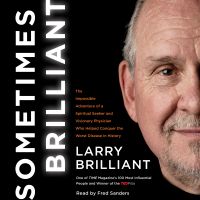
Sometimes BrilliantLarry Brilliant12h 27min4.5 (954)$29 · $0.00

Live Your LifeAmanda Kloots, Anna Kloots10h 54min4.4 (13.7K)$29 · $0.00

All in Her HeadElizabeth Comen13h 25min4.4 (18.2K)$33 · $0.00
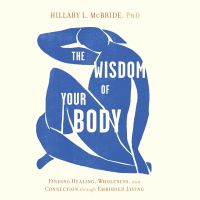
The Wisdom of Your BodyHillary McBride9h 14min4.4 (6.7K)$29 · $0.00

The Alzheimer's SolutionDean Sherzai, Ayesha Sherzai9h 47min4.4 (1.9K)$29 · $0.00
Rewire Your MindsetBrian Keane6h 49min4.5 (896)$23 · $0.00

Tuning The Human Biofield: Healing With Vibrational MedicineCENTER FOR SOUND THERAPY13h 28min4.4 (2.5K)$34 · $0.00

VaccinatedPaul A. Offit8h 30min4.4 (3.7K)$26 · $0.00

A Brief History of IntelligenceMax S. Bennett12h 18min4.6 (6.6K)$29 · $0.00

HomeschooledStefan Merrill Block7h 10min3.6 (18.5K)$28 · $0.00

EXPERIENCE AND EDUCATION – Premium Edition (Including Democracy & Education) (Annotated)John Dewey19h 17min4.6 (1K)$2 · $0.00

WitnessAriel Burger8h 1min4.6 (1.3K)$20 · $0.00

EducationEllen G. White9h 41min4.6 (1.5K)$2 · $0.00

Parents and Children (Annotated)Charlotte Mason9h 23min4.6 (988)$2 · $0.00

Children Under FireJohn Woodrow Cox10h 17min4.5 (1.6K)$29 · $0.00

The Secret Door to SuccessFlorence Scovel Shinn2h 14min4.5 (3K)$3 · $0.00

The State Must ProvideAdam Harris7h 15min4.5 (775)$24 · $0.00

The Call of the Wild and FreeAinsley Arment9h 7min4.4 (21.2K)$29 · $0.00
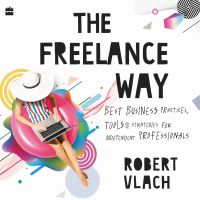
The Freelance WayRobert Vlach19h 48min4.5 (528)$40 · $0.00

Race to the BottomLuke Rosiak9h 20min4.5 (600)$29 · $0.00

They Came for the SchoolsMike Hixenbaugh9h 5min4.5 (2.6K)$8 · $0.00

Find Me UnafraidKennedy Odede, Jessica Posner11h 11min4.5 (2.7K)$29 · $0.00
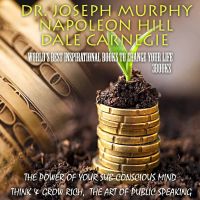
World's Best Inspirational Books to Change Your Life (3 Books)Napoleon Hill, Joseph Murphy, Dale Carnegie29h 38min4.5 (1.3K)$20 · $0.00

Asking for ItKate Harding8h 55min4.4 (5.3K)$20 · $0.00

MeditationsMarcus Aurelius4h 26min4.4 (456.8K)$1 · $0.00
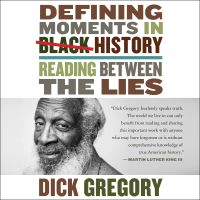
Defining Moments in Black HistoryDick Gregory7h 37min4.4 (6K)$26 · $0.00

The Emerald Tablets of Thoth the AtlanteanMaurice Doreal3h 4min4.4 (6K)$6 · $0.00

Learning AmericaLuma Mufleh6h 37min4.4 (564)$24 · $0.00
Você também pode gostar
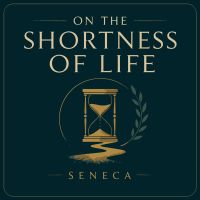
On the Shortness of LifeSeneca2h 53min4.3 (96.1K)$6 · $0.00

What You Feel You Can HealJohn Gray2h 18min4.2 (675)$16 · $0.00
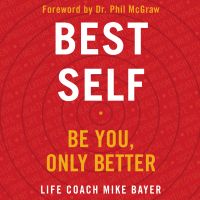
Best SelfMike Bayer8h 9min4.1 (13.1K)$26 · $0.00

The Wellness RemodelChristina Anstead, Cara Clark3h 31min4.1 (1.8K)$18 · $0.00
You TurnAshley Stahl9h 22min4.1 (1.6K)$20
Unchain Your BrainDaniel G. Amen MD, David E. Smith MD7h 58min4.0 (594)$20

First BiteBee Wilson13h 1min4.0 (4.1K)$23

The Parenting MapShefali Tsabary14h 14min4.4 (2.2K)$8 · $0.00
Buy What You Love Without Going BrokeJen Smith, Jill Sirianni6h 17min3.9 (1.1K)$24 · $0.00

How to Host a Viking FuneralKyle Scheele5h 38min4.1 (1.1K)$24 · $0.00

Help MeMarianne Power10h 22min3.8 (9.6K)$29 · $0.00

Celebration of DisciplineRichard J. Foster3h 14min4.4 (56.9K)$18 · $0.00

She’s Got IssuesNicole Unice7h 48min4.2 (667)$20 · $0.00

The Ending Of TimeJiddu Krishnamurti19h 4min4.3 (938)$24 · $0.00
Fit2Fat2FitDrew Manning4h 11min3.7 (2.5K)$20 · $0.00

FoodistDarya Pino Rose7h 9min4.0 (2.2K)$24 · $0.00
Living With ItBev Aisbett1h 29min4.1 (698)$16 · $0.00

Happiness Is a Serious ProblemDennis Prager5h 30min4.2 (3.4K)$14
All These Things AddedJames Allen2h 37min4.1 (585)$1 · $0.00
How to Live on 24 Hours a DayArnold Bennett1h 35min3.8 (15.9K)$10 · $0.00