
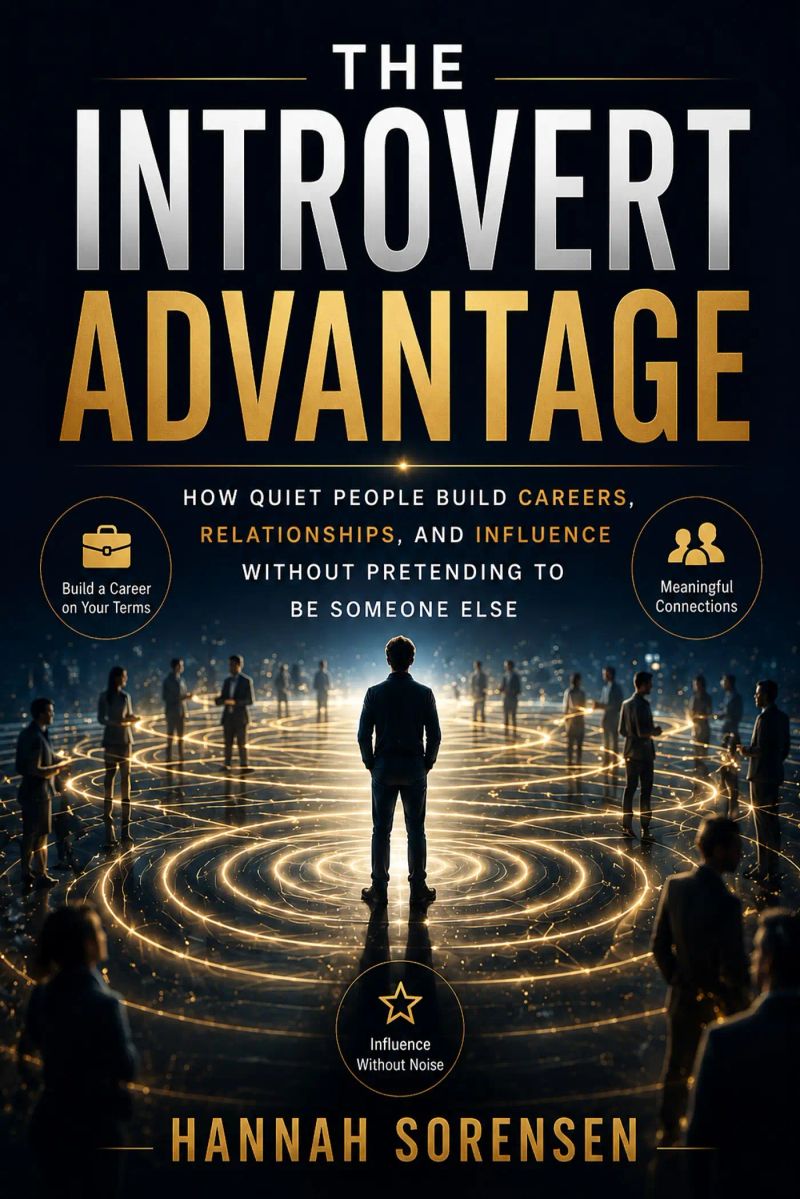
The Introvert Advantage
How Quiet People Build Careers, Relationships, and InfluenceBy Hannah Sorensen


Length9h 18m
About this audiobook
The introvert advantage for quiet people: how to build a career, relationships, and influence as an introvert without pretending to be extroverted, from a lifelong introvert who runs on the same wiring you do.
Hannah Sorensen was thirty-one the first time a manager drew a diagram on a whiteboard with a small circle labeled HANNAH, a large circle labeled THE COMPANY, and a wiggly line between them that wasn't quite touching. "You do the work," her manager said, "but people don't know you do the work." What the company wanted was a performance: coffee chats at 9:30 a.m., volunteering for the all-hands, speaking up in meetings about problems already solved by email. Sorensen left convinced something was wrong with her. Sixteen years later, at forty-seven, she has never fixed it, and this is the book about why she didn't have to.
This is not a book about becoming more outgoing, finding your introvert superpower, or learning to love networking events. It is a practical operating manual for quiet people who want to organize their work and relationships around how they are actually built. Sorensen uses a narrow, honest definition: an introvert is someone whose social interaction depletes a finite daily energy budget, who thinks in writing rather than out loud, prefers depth over breadth, and restores by being alone. From that one idea she builds a complete system across twenty-two chapters: the energy budget, the six categories of social demand, small talk you don't have to master, networking as an introvert in the quiet version, leading teams without performing leadership, public speaking without pretending to be extroverted, and saying no to social plans without losing friends.
Inside this introvert advantage book for quiet people:
• The energy budget — Why you are not "tired all the time," you are over-socialized in one specific way, and how to track your real social capacity without becoming neurotic about it
• The six categories of social demand — Deep one-to-one, structured small group, unstructured ambient, performative, forced proximity, and ambient extraction, so you stop avoiding the wrong things and protect against the right ones
• The apology layer — How to stop running a small public relations operation explaining your own existence, and reclaim the energy you spend apologizing for being quiet
• Leading teams without performing leadership — Why quiet leaders who listen, reduce noise, and decide slowly are as effective as loud ones, and how to lead without faking executive presence
• Networking and small talk for introverts — The quiet version of networking, why you can budget ninety minutes at a reception and leave gracefully, and the skills you genuinely don't have to master
• Relationships, parenting, and the long weekend — Romance with introverts and extroverts, friendship at low volume, parenting as an introvert, and surviving holidays and four-day family gatherings
• Burnout, midlife, and the long quiet life — The introvert version of burnout, the quiet reckoning of middle age, and solitude as a practice, not a symptom
Most career and self-help advice is written by and for people who recharge in groups, and it treats your wiring as a defect to be managed. The cost, for a lot of quiet people, is a slow grinding sense that they are doing life wrong. Sorensen writes from inside the operating system, not from outside it. Every chapter ends with a small practice to try, not a thirty-day program, because this is a way of thinking that took her a decade to settle into. The result is not a…
Audiobook details
GenreSelf-Help, Psychology, Business and Economics
Length9 hrs 18 mins
Narrated byListen with 1,000+ voices
FormateBook with Audio
Publish dateSep 30, 2026
LanguageEnglish
Table of contents
1Introduction
2Chapter 1: The Introvert Problem That Is Not a Problem
3Chapter 2: What Actually Drains You (and What Doesn’t)
4Chapter 3: The Energy Budget — Tracking Your Real Capacity
5Chapter 4: Small Talk — The Skill You Don’t Have to Master
Mostrar todos os capítulosVer menos
6Chapter 5: Networking as an Introvert — The Quiet Version
7Chapter 6: Interviewing When Performance Is Not Your Strength
8Chapter 7: The Open-Plan Office and How to Survive It
9Chapter 8: Remote Work for Introverts (Pros and Hidden Costs)
10Chapter 9: Leading Teams Without Performing Leadership
11Chapter 10: Public Speaking Without Pretending to Be Extroverted
12Chapter 11: Writing as Your Influence Channel
13Chapter 12: The Dinner Party, the Wedding, the Conference
14Chapter 13: Friendship at Low Volume
15Chapter 14: Romantic Relationships With Introverts and Extroverts
16Chapter 15: Parenting as an Introvert
17Chapter 16: Holidays, Family, and the Long Weekend
18Chapter 17: Saying No to Social Plans Without Losing Friends
19Chapter 18: Solitude as a Practice, Not a Symptom
20Chapter 19: The Career Path Most Introverts Don’t Notice
21Chapter 20: Burnout — The Introvert Version
22Chapter 21: Middle Age and the Quiet Reckoning
23Chapter 22: The Long Quiet Life
24Conclusion
25Appendix: Twenty Composite Case Studies
26Appendix: A Field Guide to Introvert Burnout Recovery
27Appendix: The Introvert’s Calendar Practice
28Appendix: Reading List for Quiet People
29Appendix: Letters to Specific Readers
30Appendix: A Closing Letter
31Appendix: Ten More Composite Case Studies
32Appendix: A Glossary of the Terms This Book Has Used
33Appendix: A Year in the Life — Twelve Monthly Notes
34Appendix: Questions People Have Sent Me
35Appendix: A Final Set of Practices
36Appendix: Notes for the Reader Who Has Read This Twice
37Appendix: A Note on the Practical Limits of This Book
38About the Author
39Appendix: A Practical Weekly Template
40Appendix: A Short Reading List
41Appendix: Notes on Voice and Translation
42Appendix: Workplace Scripts for Common Situations
43Appendix: A Note for Friends and Partners of Introverts
44Appendix: On Children and Their Quiet
More from Hannah Sorensen

Learning to PrayJames Martin13h 24m4.5 (3.4K)$33 · $0.00

Truth Without ApologyAcharya Prashant6h 41m4.8 (2.2K)$18 · $0.00

Autism Out Loud: the instant New York Times Bestseller. Moving Stories and Parenting Lessons Learned from Three Mothers of Children with AutismKate Swenson, Carrie Cariello, Adrian Wood8h 41m4.8 (2.1K)$26 · $0.00

Swayam Ki AwaazPrem Rawat8h 34m4.7 (1.1K)$26 · $0.00

Forever BoyKate Swenson9h 27m4.7 (5K)$29 · $0.00

You Are Worth ItKyle Carpenter, Don Yaeger8h 53m4.7 (4.8K)$29 · $0.00

The Happiest Man on EarthEddie Jaku3h 48m4.6 (178K)$7 · $0.00

Finding MeViola Davis9h 15m4.6 (256.4K)$29 · $0.00

Spiritual AnatomyDaaji Kamlesh D. Patel9h 47m4.7 (319)$29 · $0.00

The Dangerous Truth about Today’s MarijuanaLaura Stack CSP, MBA9h 57m4.7 (385)$20 · $0.00
The Gospel according to Spiritualism (Translated)Allan Kardec14h 39m4.6 (3.9K)$5.70 · $0.00

Birdie & HarlowTaylor Wolfe7h 50m4.6 (6.5K)$26 · $0.00

CrossroadsKaleb Dahlgren7h 56m4.6 (4.9K)$26 · $0.00

Life on the BridgeKaelynn Partlow5h 40m4.6 (1.1K)$24 · $0.00

Keep Your Love OnDanny Silk9h 4m4.6 (8.1K)$10 · $0.00

The Tao of Joy Every DayDerek Lin10h 24m4.6 (762)$20 · $0.00
UndividedVicky Beeching9h 2m4.6 (1.3K)$29 · $0.00

HE CAN WHO THINKS HE CAN & OTHER BOOKS ON SUCCESSOrison Swett Marden5h 54m4.6 (1.2K)$1.99 · $0.00
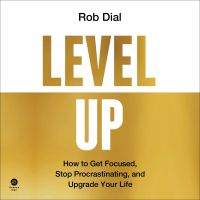
Level UpRob Dial7h 42m4.6 (3.3K)$26 · $0.00

Burn the HaystackJennie Young, PhD9h 30m4.6 (543)$29 · $0.00
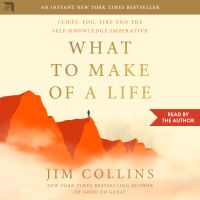
What to Make of a LifeJim Collins13h 31m4.4 (794)$33 · $0.00

Matters of the HeartJacinta Nampijinpa Price9h 35m4.8 (359)$29 · $0.00

Black AF HistoryMichael Harriot15h 43m4.7 (14.6K)$33 · $0.00

Bad Fat Black GirlSesali Bowen6h 32m4.7 (2.8K)$24 · $0.00

Invisible StormJason Kander6h 48m4.7 (3.2K)$24 · $0.00

I Am The StormJanice Dean9h4.6 (1.5K)$8 · $0.00

On Democracies and Death CultsDouglas Murray10h 38m4.6 (6.5K)$29 · $0.00

TerraformPropaganda5h 39m4.7 (594)$24 · $0.00

Southern Horrors: Lynch Law in All Its Phases (Annotated)Ida B. Wells-Barnett2h 44m4.6 (1.3K)$2 · $0.00

Hour of the HeartIrvin D. Yalom, Benjamin Yalom8h 19m4.6 (2.3K)$26 · $0.00

Braving the TruthRachel Held Evans11h 31m4.7 (359)$29 · $0.00
Level UpRob Dial7h 42m4.6 (3.3K)$26 · $0.00

As a JewSarah Hurwitz8h 36m4.6 (1.2K)$26 · $0.00

Saint Joan (Annotated)George Bernard Shaw6h 20m4.6 (1.2K)$1.20 · $0.00
Burn the HaystackJennie Young, PhD9h 30m4.6 (543)$29 · $0.00

Woman and the New Race (Annotated)Margaret Sanger6h 30m4.6 (1K)$1.99 · $0.00

Good InsideBecky Kennedy9h 55m4.5 (59.3K)$29 · $0.00

The Mis-Education of the NegroCarter Godwin Woodson5h 4m4.5 (29.4K)$1.20 · $0.00

Du Bois: EssaysW.E.B. Du Bois6h 22m4.6 (1.5K)$1 · $0.00

The North American Indian (Illustrated Edition)Edward S. Curtis, Frederick Webb Hodge5h 59m4.6 (1.4K)$2 · $0.00

Never Split the DifferenceChris Voss, Tahl Raz8h 7m4.4 (277.7K)$26 · $0.00
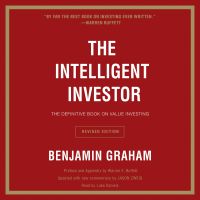
The Intelligent Investor Rev Ed.Benjamin Graham17h 48m4.3 (191.5K)$40 · $0.00
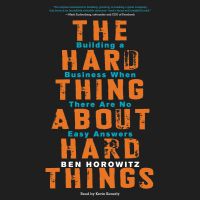
The Hard Thing About Hard ThingsBen Horowitz7h 57m4.2 (134.3K)$26 · $0.00
Boundaries for LeadersHenry Cloud7h 36m4.3 (3.6K)$26 · $0.00
Level UpRob Dial7h 42m4.6 (3.3K)$26 · $0.00
Eat It!Jordan Syatt, Michael Vacanti4h 40m4.6 (1.5K)$20 · $0.00

Progress and Poverty, Volumes I and II (Annotated)Henry George19h 21m4.6 (574)$1.99 · $0.00

Not Everything Counts but Everything Matters: The powerful and inspirational new book about leadership and achieving success from the visionary multi-premiership winning Panthers coachIvan Cleary6h 1m4.6 (680)$24 · $0.00
BuildTony Fadell11h 5m4.5 (14.3K)$8 · $0.00
The Joys Of CompoundingGautam Baid17h 34m4.5 (2.5K)$18 · $0.00

Basic EconomicsThomas Sowell18h 32m4.5 (29.3K)$28 · $0.00

Poor Charlie’s AlmanackGrover Gardener, Charles T. Munger13h 9m4.5 (24.7K)$18 · $0.00

The Ambuja StoryNarotam Sekhsaria13h 59m4.5 (830)$33 · $0.00

The Secret Door to SuccessFlorence Scovel Shinn2h 25m4.5 (2.1K)$1.20 · $0.00

This Is Going to HurtAdam Kay5h 47m4.4 (444.7K)$24 · $0.00

Big TrustShadé Zahrai, Fayçal Sekkouah8h 36m4.6 (406)$26 · $0.00
The Intelligent Investor Third EditionBenjamin Graham, Jason Zweig20h4.4 (156.6K)$46 · $0.00

Bottle of LiesKatherine Eban14h 25m4.4 (12K)$33 · $0.00

The Antiracist Business BookTrudi Lebrón6h 10m4.6 (275)$17 · $0.00

The FormulaJoshua Robinson, Jonathan Clegg10h 41m4.4 (6.9K)$29 · $0.00
You may also like
Life on the BridgeKaelynn Partlow5h 40m4.6 (1.1K)$24 · $0.00
Living ForwardMichael Hyatt4h 26m4.2 (8.6K)Free

A Wonderful LifeFrank Martela3h 44m3.9 (1.5K)$18 · $0.00

Man EnoughJustin Baldoni12h 37m4.3 (10.8K)$33 · $0.00

Book GirlSarah Clarkson8h 24m4.2 (4.5K)$20 · $0.00

Trivial Grievances: On the contradictions, myths and misery of your 30sBridie Jabour5h 58m3.6 (644)$24 · $0.00

Autism A Look Beyond Diagnosis KnowledgeJose Marconi Teixeira12m$15 · $0.00
SituatedAngela Duckworth8h 28m$26 · $0.00

A Montessori MotherDorothy Canfield Fisher7h 8m3.5 (19)$1.99 · $0.00

The Balancing Act: Working Dads Navigating Parenthood and AmbitionAurora Brooks1h 5m$3.50 · $0.00

How To Talk To AnyoneSebastian Clark1h 17m3.3 (129) Only with Ultra

The Engagement EffectWillow R. Stone5h 14m$6.40 · $0.00

How to Raise Confident Kids in a World of DoubtAurora Brooks1h 20m$3.50 · $0.00

Smart Mom, Rich MomKimberly Palmer6h 37m3.6 (468)$20

Beyond the Body BullyBev Aisbett, Dr Rebecca Reynolds2h 33m3.1 (42)$18 · $0.00

Overcoming Mom Guilt: A Working Mom's PerspectiveAurora Brooks1h 1m$3.50 · $0.00

Navigating Gender IdentityFrauke Arnold3h 26m$15 · $0.00

Self-Regulation: The Path to BalanceSaraban K. K.55m5.0 (9) Only with Ultra

MamasteLori Bregman4h 33m3.8 (173)$20 · $0.00

The Working Mom's Guide to Finding HappinessAurora Brooks1h 23m$3.50 · $0.00