
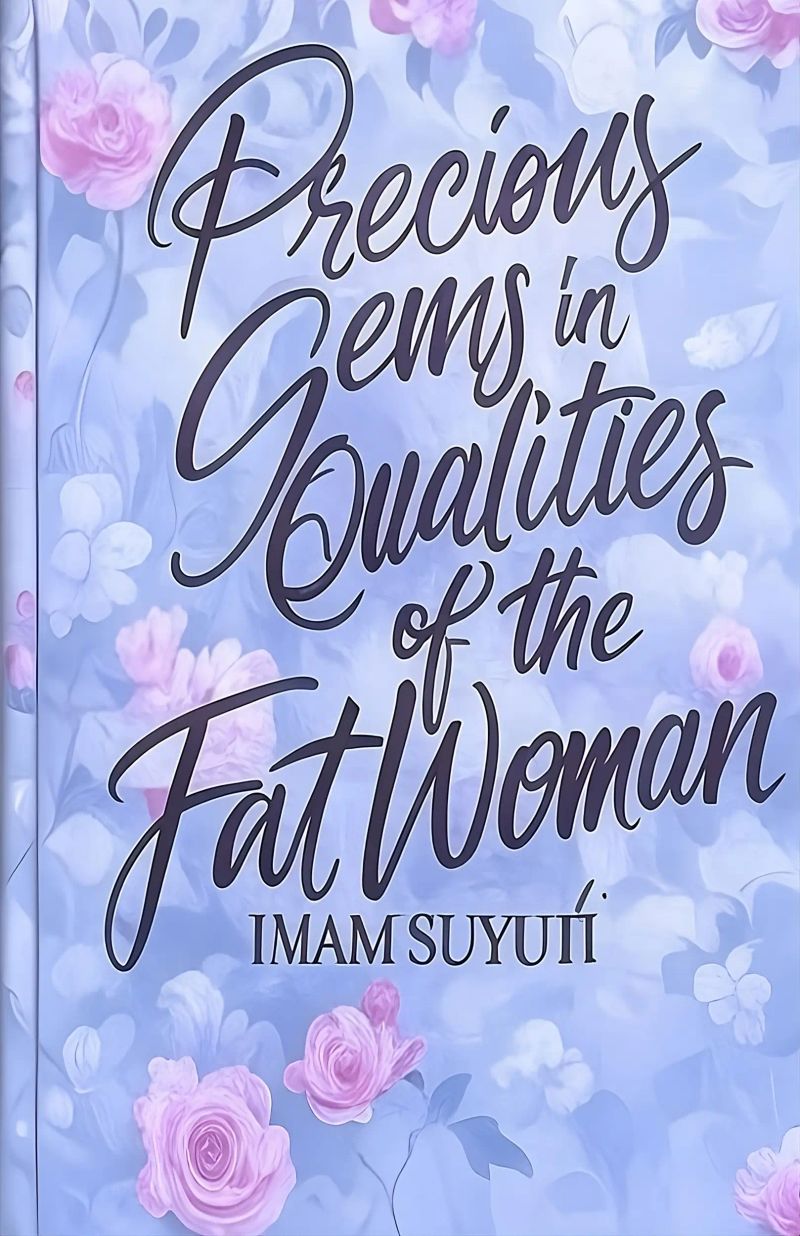
Precious Gems in the Qualities of the Fat Woman
De Imam Suyuti


Duração4h 1m
Sobre este audiolivro
Suyuti’s celebration of plumpness is not without nuance. He acknowledges the cultural debate surrounding body types, noting that some prefer the majdula—a woman who is neither too plump nor too slender.The celebration of fatness was deeply gendered, with different standards for men and women. While fatness was celebrated in women as a sign of beauty and fertility, it was often stigmatized in men as a sign of laziness and lack of self-control. This gendered double standard reflects the broader social and cultural values of medieval Muslim societies, where women’s bodies were often seen as sites of beauty and desire, while men’s bodies were associated with strength and discipline. This is evident in the literature and arts of the 14th to 15th century Muslim societies. In poetry, the fat woman is often celebrated as a muse and a symbol of beauty and abundance, while the fat man is ridiculed as lazy and undisciplined.This book is divided into three distinct yet interconnected parts, each offering a unique perspective on the subject. Part I serves as an introduction, providing readers with a brief biography of the author, Jalal al-Din al-Suyuti, and setting the stage for the themes explored in the subsequent sections. Part II delves into the technical aspects of the topic, examining how the Arabic language defines the fat woman, the Islamic traditions and narrations that celebrate her, and the rich poetic heritage that immortalizes her beauty. Finally, Part III elevates the discussion to discover the complex interplay between beauty, history, spirituality, power, marriage, identity and even religious rituals, focusing on the fat woman as a symbol of abundance, grace, and divine favor.
This book has been denounced by the 15th century ascetics of Cairo and the Ulama of Azhar, labeled as "a devil’s mimicry of divine beauty" and "a feast for the eyes of lust."
There was a time when poets compared hips to sand dunes
For colonizers? They wielded measuring tapes—this is a journey through beauty’s lost lexicon.
About the Book
The book is originally a short Arabic treatise and the sources of this translation is based on a number of earlier publications dating as far back as the year 996 AH (1588 AD), but mainly from the 2016 Edition by the Tunisian Books, Mediterranean Publisher. Thanks also to the 2003 Edition by the Dar al-Mizan, and a part of Majmūʿat Rasāʾil fī al-Jamāl wa-l-Zīna (Kuwait: Dār al-Diyāʾ, 2016), pp. 87–102, the digitized 19th-century manuscripts.
Detalhes do audiolivro
GêneroSpirituality and Religion, Philosophy
Duração4 h 1 min
Narrado porOuça com mais de 1.000 vozes
FormatoeBook com áudio
Data de publicação12 de ago. de 2025
IdiomaInglês
Sumário
1Preface
2Dedication
3PART I: A TIMELESS EXPLORATION OF BEAUTY
4Chapter One:
5Beauty in Classical Arab World
Mostrar todos os capítulosVer menos
6The Author Jalal al-Din al-Suyuti
7The Fat Woman in Literature and Society
8The Aesthetic of Plumpness: A Cultural Ideal
9The Language of Beauty
10The Legacy: Editing and Preserving the Text
11Chapter Two:
12Al-Yawaqit al-Thamina & Misconceptions
13The Misconceptions
14The Book’s Purpose
15The Literary Language
16The Cultural Context
17The Symbolic Aspect
18Chapter Three:
19Beauty of Abundance & the Eternal Muse
20The Eternal Muse
21The Muse as a Reflection of Nature
22The Poetic Admiration of Physical Beauty
23The Imperfections That Magnify Beauty
24The Muse in the Eyes of the Desert Poets
25The Muse as a Symbol of Eternal Love
26The Muse as a Celebration of Life
27The Muse as a Source of Spiritual Inspiration
28PART II: A LANGUAGE THAT CELEBRATES BEAUTY
29Chapter Four:
30The First Art, Language
31Descriptions of a Large and Prominent Figure
32Chapter Five:
33The Second Art, Narrations and Traditions
34Chapter Six:
35A Taste Beyond Imagination
36The Tale of Aisha bint Talhah ibn Ubaydullah:
37The Tale of Zaynab bint ‘Abd al-Rahman
38The Tale of al-Hasna’ bint ‘Awf
39The Tale of al-Thurayya
40The Tale of ‘Abda bint ‘Abd Allah Ibn Yazid ibn Mu‘awiya
41The Tale of Hind bint Asma’
42The Tale of Jawdana, the Maiden of Muṭīʿ al-Kinānī al-Du’lī
43Chapter Seven:
44Third Art, Poetry of the Arabs
45The Poems of Letter "B"
46The Poems of Letter "J"
47The Poems of Letter "D"
48The Poems of Letter "R"
49The Poems of Letter "S"
50The Poems of Letter "Ď"
Learning to PrayJames Martin13h 24min4.5 (3.4K)$33 · $0.00
Mere ChristianityC. S. Lewis7h 7min4.4 (519.7K)$24 · $0.00

The Pursuit of GodA. W. Tozer3h 38min4.4 (96.8K)$2 · $0.00

Her Daily BreadKate Wood12h 57min4.6 (153)$33 · $0.00

A Severe MercySheldon Vanauken8h 23min4.4 (31.5K)$26 · $0.00

STREAMS OF LIVING WATERRichard J. Foster3h 2min4.4 (5.2K)$18 · $0.00

On Earth as in HeavenN. T. Wright12h 27min4.5 (318)$29 · $0.00
A Different WayChristopher A. Hall10h 45min4.5 (165)$29 · $0.00

Through My EyesTim Tebow10h 18min4.3 (16.1K)$29 · $0.00

The High PriestessMaya Daniels5h4.6 (53) · 1328Grátis
10% Happier 10th AnniversaryDan Harris9h 28min4.1 (137.1K)$29 · $0.00
The AlchemistPaulo Coelho4h 1min4.1 (3.9M) · 1280$23 · $0.00

CommunionJ. D. Vance7h 50min2.6 (53)$26 · $0.00

Autoimmunity and the Good GirlsSara Hirsh Bordo7h 51min$26 · $0.00
The Heart of ChristianityMarcus J. Borg7h 59min$26 · $0.00
Prayer SelectionsRichard J. Foster3h 26min4.5 (38)$18 · $0.00

The Way of RoninTu Lam12h 9min4.9 (1.3K)$29 · $0.00

Proud Police WifeRebecca Lynn4h 52min4.8 (14K)$10 · $0.00

I Hear His Whisper 365 Daily Devotions (Gift Edition)Brian Simmons, Gretchen Rodriguez9h 23min4.8 (2K)$10 · $0.00
A Little God Time for Women Morning & Evening DevotionalBroadStreet Publishing Group LLC15h 15min4.9 (1.2K)$10 · $0.00
The RepublicPlato22h 18min4.1 (267.4K) · 1735Grátis
Krishnamurti's NotebookJiddu Krishnamurti10h 55min4.6 (2.1K)$18 · $0.00
The Tao of Joy Every DayDerek Lin10h 24min4.6 (762)$20 · $0.00
Metaphysics (Annotated)Aristotle13h 30min4.6 (1.2K)$2 · $0.00
Sceptical Essays (Annotated)Bertrand Russell9h 16min4.6 (1K)$2 · $0.00

WitnessAriel Burger8h 1min4.6 (1.3K)$20 · $0.00
Kahlil Gibran. Classic CollectionKahlil Gibran2h 55min4.5 (4K)$10 · $0.00
The Magic PresenceGodfré Ray King10h 21min4.6 (307)$1.20 · $0.00
The Art of LivingThich Nhat Hanh5h 1min4.5 (14.2K)$24 · $0.00
Moral Letters to LuciliusLucius Annaeus Seneca24h 26min4.5 (71.7K)$1.99 · $0.00
Complete Works of Marcus AureliusMarcus Aurelius5h 1min4.5 (2.4K)$10 · $0.00
Lessons in TruthH. Emilie Cady3h 50min4.5 (2.4K)$20 · $0.00
Letters from a StoicSeneca6h 5min4.4 (80.4K)$6 · $0.00
The Discourses of EpictetusP. E. MATHESOM12h 47min4.4 (17.7K)$1.20 · $0.00

IlluminationsWalter Benjamin10h 12min4.4 (16.2K)$20 · $0.00
The Awakening of IntelligenceJ. Krishnamurti19h 1min4.5 (2.7K)$7 · $0.00
That Bird Has My WingsJarvis Jay Masters9h 49min4.4 (13.7K)$29 · $0.00

Tâo Teh KingLaozi2h 34min4.4 (230.9K)$2 · $0.00
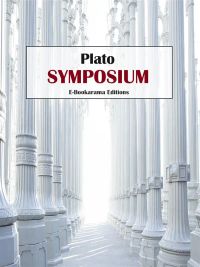
SymposiumPlato3h 26min4.4 (97.9K)$1.20 · $0.00

Buddhist Boot CampTimber Hawkeye2h 39min4.4 (8.4K)$18 · $0.00
Você também pode gostar

The Autistic BrainTemple Grandin, Richard Panek7h 51min4.2 (13.9K)$26 · $0.00

She-ologySherry A. Ross MD8h 13min4.0 (717)$20

Say HelloCarly Findlay7h 58min4.1 (1.1K)$26 · $0.00

How to Be EverythingEmilie Wapnick5h4.0 (6.2K)$20 · $0.00

WomanCodeAlisa Vitti7h 50min4.1 (16.6K)$26 · $0.00

In Emergency, Break GlassNate Anderson5h 33min4.2 (329)$17 · $0.00
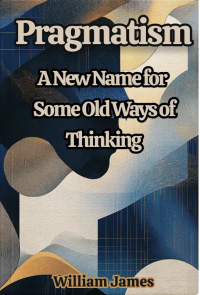
Pragmatism: A New Name for Some Old Ways of Thinking William James5h 40min4.1 (6.4K)Grátis

Hormone IntelligenceAviva Romm15h 18min4.4 (3.1K)$33 · $0.00
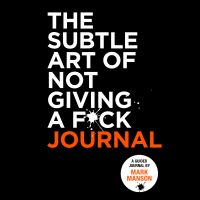
The Subtle Art of Not Giving a F*ck JournalMark Manson1h 21min4.2 (1.6K)$16 · $0.00
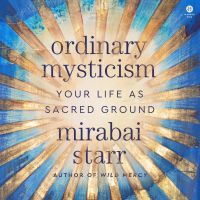
Ordinary MysticismMirabai Starr7h 22min4.3 (702)$24 · $0.00

Women Don't Owe You PrettyFlorence Given3h 30min3.8 (94.7K)$15
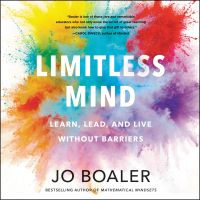
Limitless MindJo Boaler6h 22min4.1 (3.7K)$24 · $0.00
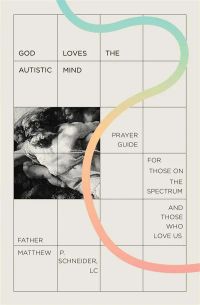
God Loves the Autistic MindFr. Matthew P. Schneider LC5h 15min4.4 (263)$12 · $0.00

We Were TherePatricia Romney10h 26min3.8 (37)$20
No One Remembers the OvertimeLuna Z. Rainstorm2h 56min$4.10 · $0.00
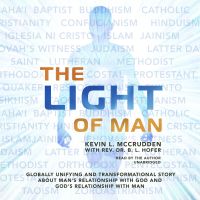
The Light of ManKevin L. McCrudden2h 35min$15

A New Way of BeingDan Desmarques2h 58min5.0 (4) Só no Ultra
Holy DisunityLayton E. Williams9h 31min4.2 (165)$20 · $0.00
A Recipe for MoreSara Elise5h 58min3.5 (113)$24 · $0.00

Whitman: A StudyJohn Burroughs7h 56min4.0 (11)$2 · $0.00