

Audio only
Incremental Budgeting
Beyond the BasicsBy Penelope B. Wellington

Length4h 37m
About this audiobook
Incremental budgeting is a traditional approach to budgeting in which the previous year’s budget serves as the base, with incremental changes made for the new budget period. This methodology is often used in both public and private sectors due to its simplicity and ease of implementation. By focusing on small adjustments rather than a complete overhaul, incremental budgeting allows organizations to maintain a stable financial foundation while addressing new needs and priorities.
The primary characteristic of incremental budgeting is its reliance on historical financial data. Each year, a budget is created by taking the previous year's budget and adding or subtracting incremental amounts based on expected changes. These adjustments can be influenced by various factors such as inflation, changes in operational costs, or shifts in organizational priorities. This approach ensures continuity and consistency, making it easier to predict future financial needs.
One of the main advantages of incremental budgeting is its straightforwardness. Because it builds on existing financial plans, it requires less time and effort to develop compared to zero-based budgeting or other complex methods. This simplicity makes it an attractive option for organizations with limited resources or those looking to streamline their budgeting process. Additionally, incremental budgeting can help maintain stability by preventing sudden, drastic changes in funding allocations.
Despite its benefits, incremental budgeting has several drawbacks. One significant issue is that it can perpetuate inefficiencies by allocating funds based on historical spending rather than current needs. This approach may also discourage innovation, as departments may be reluctant to propose new initiatives that require substantial funding changes. Moreover, incremental budgeting can lead to a ""use it or lose it"" mentality, where departments spend their entire budget to avoid reductions in future allocations.
Audiobook details
GenreBusiness and Economics
Length4 hrs 37 mins
Narrated byListen with 1,000+ voices
FormateBook with Audio
Publish dateOct 25, 2026
LanguageEnglish
Table of contents
1Have Questions / Comments?
2Get Free Stuff
31. What Incremental Budgeting Really Means
42. Why Businesses Choose Incremental Budgeting
53. A Brief History of Budgeting's Steady Workhorse
Mostrar todos os capítulosVer menos
64. Incremental vs. Zero-Based Budgeting: Which Fits You
75. The Core Steps of the Incremental Process
86. Identifying What Actually Drives Your Budget
97. Fixed vs. Variable Costs: Know the Difference
108. How Incremental Budgeting Predicts Costs with Confidence
119. Who Should Be in the Room: People and Roles
1210. The Hidden Weaknesses and How to Fix Them
1311. Incremental Budgeting in Government and Public Policy
1412. Real-World Wins: Private Sector Case Studies
1513. Setting the Stage for a Successful Rollout
1614. Technology Tools That Make Budgeting Easier
1715. The Future of Incremental Budgeting in a Changing Economy
1816. Making the Switch Without Common Pitfalls
1917. Expert Tips for Getting the Most from Every Dollar
20Frequently Asked Questions About Incremental Budgeting Beyond the Basics
21Further Questions on Incremental Budgeting Mastery
22Common Myths About Incremental Budgeting
23Common Myths: Additional Myths About Incremental Budgeting
More from Penelope B. Wellington

Milestones of AbundancePenelope B. Wellington4h 17m$4 · $0.00

The Low-Fee Index Fund RevolutionPenelope B. Wellington4h 23m$4 · $0.00

Pay Off and ProsperPenelope B. Wellington4h 12m$4 · $0.00

Monetary Failure Survival GuidePenelope B. Wellington4h 40m$4 · $0.00

The Magic of Dollar-Cost AveragingPenelope B. Wellington3h 57m$4 · $0.00

Target Date FundsPenelope B. Wellington4h 32m$4 · $0.00
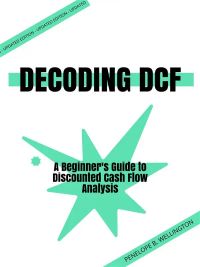
Decoding DCFPenelope B. Wellington7h 36m$6.30 · $0.00
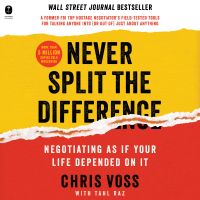
Never Split the DifferenceChris Voss, Tahl Raz8h 7m4.4 (277.7K)$26 · $0.00
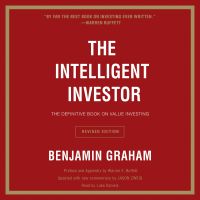
The Intelligent Investor Rev Ed.Benjamin Graham17h 48m4.3 (191.5K)$40 · $0.00
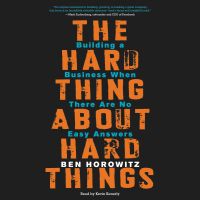
The Hard Thing About Hard ThingsBen Horowitz7h 57m4.2 (134.3K)$26 · $0.00
Boundaries for LeadersHenry Cloud7h 36m4.3 (3.6K)$26 · $0.00
BuildTony Fadell11h 5m4.5 (14.3K)$8 · $0.00

The Joys Of CompoundingGautam Baid17h 34m4.5 (2.5K)$18 · $0.00
Basic EconomicsThomas Sowell18h 32m4.5 (29.3K)$28 · $0.00

Poor Charlie’s AlmanackGrover Gardener, Charles T. Munger13h 9m4.5 (24.7K)$18 · $0.00

The Ambuja StoryNarotam Sekhsaria13h 59m4.5 (830)$33 · $0.00

The Secret Door to SuccessFlorence Scovel Shinn2h 25m4.5 (2.1K)$1.20 · $0.00

This Is Going to HurtAdam Kay5h 47m4.4 (444.7K)$24 · $0.00

Big TrustShadé Zahrai, Fayçal Sekkouah8h 36m4.6 (406)$26 · $0.00
The Intelligent Investor Third EditionBenjamin Graham, Jason Zweig20h4.4 (156.6K)$46 · $0.00

Bottle of LiesKatherine Eban14h 25m4.4 (12K)$33 · $0.00

The Antiracist Business BookTrudi Lebrón6h 10m4.6 (275)$17 · $0.00

The FormulaJoshua Robinson, Jonathan Clegg10h 41m4.4 (6.9K)$29 · $0.00

Let Them LeadJohn U. Bacon7h 10m4.5 (1.4K)$24 · $0.00

Secrets of the Millionaire MindT. Harv Eker5h 11m4.4 (301.4K)$24 · $0.00

The Person You Mean to BeDolly Chugh9h 6m4.4 (7.2K)$29 · $0.00
BoundlessNick Kostov, Sean McLain9h 17m4.5 (1.1K)$29 · $0.00
You may also like
The 22 Immutable Laws of BrandingAl Ries, Laura Ries8h 8m4.0 (7.9K)$26 · $0.00

The Premature BurialEdgar Allan Poe42m4.0 (15.1K)$1

The Loss of the SS TitanicLawrence Beesley1h 14m4.0 (2.7K)$1 · $0.00

TitanicColonel Archibald Gracie7h 2m4.2 (2.2K)$17

I'm a Landlord and Every Text Sounds Like an Emergency - How to Set Rental Rules, Document Agreements, and Respond to Problems Without Becoming a 24/7 Leaky-Faucet HotlineMax Paradox6h 35m$7.70 · $0.00

Every Project Has a New Team, and Every Time We Start From Scratch - How to Quickly Define Roles, Ways of Working, and Communication Rules in Project Teams That End Before Everyone Has Learned Each Other's NamesMax Paradox6h 35m$7.70 · $0.00

The Effects of StressXspurts3h 58m$6.40 · $0.00

Oklahoma Firefighter Entrance Exam Study Guide 2026/2027Anselm Pruett17h 54m$22

The Mystery of SleepScientific American1h 9m$15

The Neuroscience of Excellent SleepStan Rodski5h 29m3.1 (163)$25 · $0.00

The Human Behavior ProjectDanniel Silva3h 10m$1.80 · $0.00

Nevada Firefighter Entrance Exam Study Guide 2026/2027Anselm Pruett18h 24m$22

Graceful Riding: A Pocket Manual for EquestriansSamuel C. Wayte1h 13m$1 · $0.00

Gerontological Nursing Exam Study GuideMarie Peterson10h 48m$13

The Mind Under InfluenceDanniel Silva3h 36m$1.80 · $0.00

New York Firefighter Entrance Exam Study Guide 2026/2027Anselm Pruett18h 30m$22

Illinois Firefighter Entrance Exam Study Guide 2026/2027Anselm Pruett17h 33m$22

South Dakota Firefighter Entrance Exam Study Guide 2026/2027Anselm Pruett18h 24m$22

I'm Renting an Apartment and Already Worried About My Security Deposit - How to Document the Property's Condition, Set Clear Rules with Your Landlord, and Prepare to Move Out Without Discovering Damage Nobody Ever Noticed BeforeMax Paradox6h 32m$7.70 · $0.00

When the Mind Goes to WarSara Melo3h 1m$1.80 · $0.00