
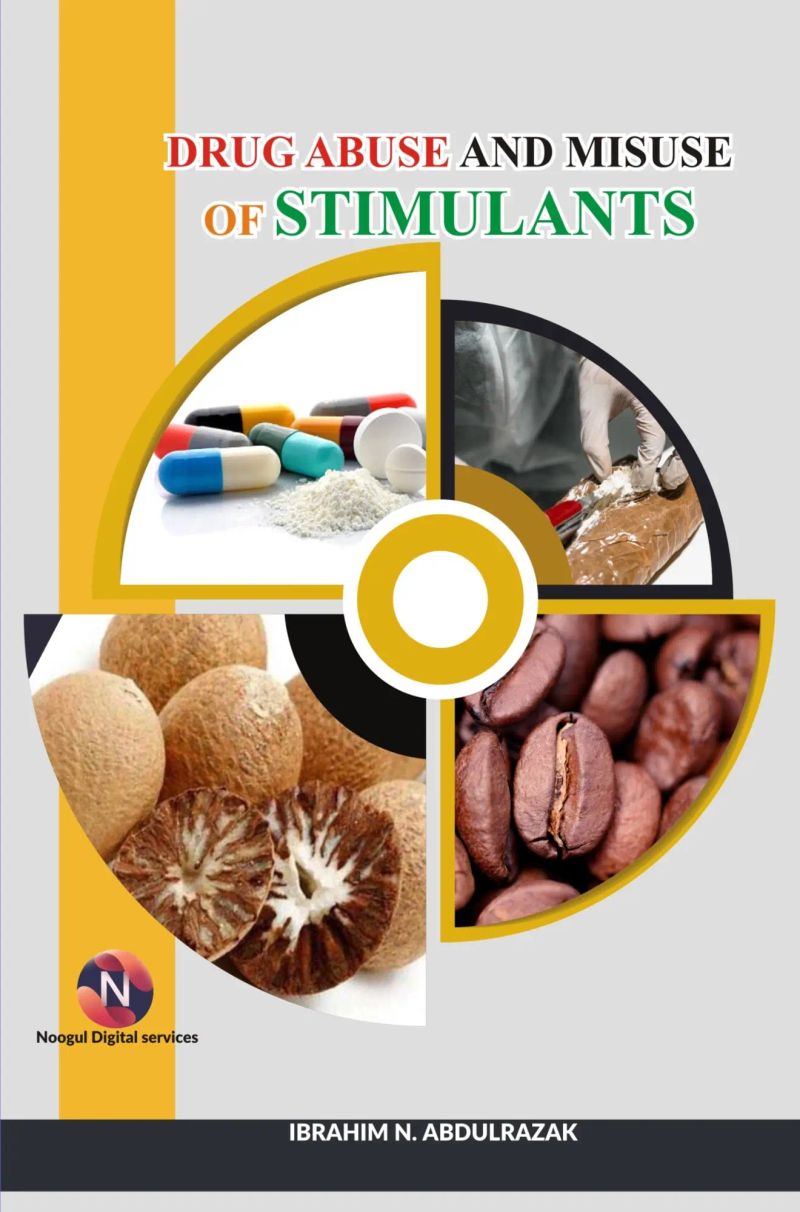
Drug Abuse and Misuse of Stimulants
By Ibrahim Nugwa Abdulrazak


Length1h 25m
About this audiobook
Stimulants are substances that stimulate the brain. These medications, sometimes known as "uppers," are commonly abused due to their performance-enhancing and euphoric effects. Stimulant abusers typically perceive increased energy and focus. These medications hasten the transmission of signals between the brain and the body. They have the ability to make someone feel more awake, aware, confident, or energetic. These drugs boost alertness, focus, energy, blood pressure, heart rate, and breathing rate. Caffeine, nicotine, amphetamines, and cocaine are all stimulants. Over-stimulation can result in anxiety, panic, seizures, migraines, stomach pains, hostility, and paranoia in large dosages. Long-term usage of powerful stimulants can have negative consequences. The easy-to-read format of the book should make it appealing to readers. Professionals in the Social Sciences, Education, Health, and other Helping Professions will find the book highly valuable. Every family also needs to read and keep a copy.
Audiobook details
GenrePsychology
Length1 hr 25 mins
Narrated byListen with 1,000+ voices
FormateBook with Audio
Publish dateApr 24, 2026
LanguageEnglish
Table of contents
1Introduction
2Using stimulants with other drugs
3Health and safety
4What do they look like?
5Slang names
Mostrar todos os capítulosVer menos
6Overdose
7Withdrawal
8Cultural practice
9How is it used?
10Betel quids
11Effects of betel nut
12Long-term effects
13Using betel nut with other drugs
14The interactions of betel nut with other pharmaceuticals, whether over-the-counter or prescribed, can be unexpected and harmful, and can result in:
15- Tobacco and betel nut: substantially raises the risk of mouth cancer (WHO, 2012).
16Effects of caffeine
17Overdose: Long-term effects
18Using caffeine with other drugs
19Withdrawal: Other names
20Effects of Cocaine
21Coming down
22Withdrawal
23Phases of withdrawal
24Overdose
25Coming down
26Long-term effects of ice
27Dependence
28Regular ice users might soon get addicted to the substance. They may believe they require ice to go about their daily activities such as working, learning, and socializing, or just to get through the day.
29Mental health problems
30Some persons who use ice on a regular basis may begin to appreciate their daily activities less. They are easily stressed, and their emotions might swing dramatically. These alterations can contribute to long-term anxiety and depression issues. People may experience these consequences for several weeks or months after quitting ice.
31Mixing ice with other drugs
32The interactions of ice with other substances, including over-the-counter or prescription pharmaceuticals, can be unexpected and deadly, resulting in:
33Ice + speed or ecstasy: extreme pressure on the heart and other organs, perhaps leading to stroke.
34- Ice + alcohol, cannabis, or benzodiazepines: massive strain on the body, with a higher risk of overdose. Ice's stimulant properties may mask the effects of depressant medicines such as benzodiazepines, increasing the danger of overdose (Brands et’al, 1998).
35Withdrawal
36Giving off ice after a long period of use is difficult since the body must adjust to operating without it. Withdrawal symptoms usually subside after a week and completely gone within a month. Symptoms may include:
37- Ice cravings
38- Anxiety, sadness, and paranoia
39- Increased hunger
40- Confusion and irritability
41- Aches and pains
42- Exhaustion
43- Restless sleep and nightmares
44Treatment for ice misuse
45Drug abuse treatment options include:
46- Individual counseling
47- Group treatment
48- Peer support, or talking to others in similar situations, may also be beneficial.
49Some drug rehabilitation facilities provide therapeutic day rehabilitation, allowing you to focus on your drug usage while staying at home. This is regular day programs held over a certain length of time that include methodologies such as:
50- Cognitive behavioral therapy (CBT)
More from Ibrahim Nugwa Abdulrazak
Educating Exceptional Needs Youngsters. A Resource For Educators, Parents, And Healthcare Practitioners: Counseling RamificationsIbrahim Nugwa Abdulrazak5h 50m$17 · $0.00
Abuse and Misuse of Psychedelic Substances: Its Implications on Health and Wellness.Ibrahim Nugwa Abdulrazak1h 17m$12 · $0.00

JavaScript. A Comprehensive manual for creating dynamic, responsive websites and applicationsIbrahim Nugwa Abdulrazak8h 38m$17 · $0.00
Cannabinoid Abuse And Misuse: Its Connected Impact On Health And Well-BeingIbrahim Nugwa Abdulrazak1h 27m$17 · $0.00
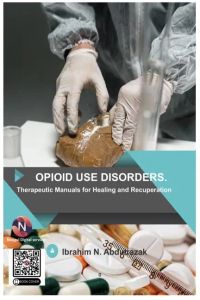
Opioid Use Disorders: Therapeutic Manuals for Healing and RecuperationIbrahim Nugwa Abdulrazak1h 46m$13 · $0.00
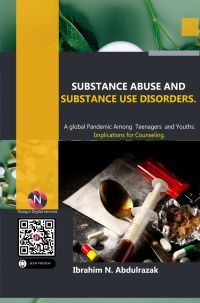
Substance Abuse and Substance Use Disorders.Ibrahim Nugwa Abdulrazak8h 41m$27 · $0.00
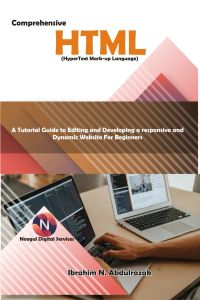
Comprehensive Hypertext Markup Language (HTML). A Tutorial Guide to Editing and Developing a Responsive and Dynamic Website for Beginners.Ibrahim Nugwa Abdulrazak4h 43m$18 · $0.00

A simplified Nursing Informatics. A Modern Age Health Technology for Nurses and MidwivesIbrahim Nugwa Abdulrazak2h$17 · $0.00
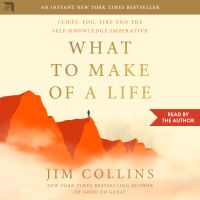
What to Make of a LifeJim Collins13h 31m4.4 (794)$33 · $0.00

Braving the TruthRachel Held Evans11h 31m4.7 (359)$29 · $0.00
Level UpRob Dial7h 42m4.6 (3.3K)$26 · $0.00

As a JewSarah Hurwitz8h 36m4.6 (1.2K)$26 · $0.00

Saint Joan (Annotated)George Bernard Shaw6h 20m4.6 (1.2K)$1.20 · $0.00
Burn the HaystackJennie Young, PhD9h 30m4.6 (543)$29 · $0.00

Woman and the New Race (Annotated)Margaret Sanger6h 30m4.6 (1K)$1.99 · $0.00

Good InsideBecky Kennedy9h 55m4.5 (59.3K)$29 · $0.00

The Mis-Education of the NegroCarter Godwin Woodson5h 4m4.5 (29.4K)$1.20 · $0.00

Du Bois: EssaysW.E.B. Du Bois6h 22m4.6 (1.5K)$1 · $0.00

The North American Indian (Illustrated Edition)Edward S. Curtis, Frederick Webb Hodge5h 59m4.6 (1.4K)$2 · $0.00

Valley of the BirdtailAndrew Stobo Sniderman, Douglas Sanderson10h 1m4.6 (2.4K)$29 · $0.00

Lies My Therapist Told MeGreg E. Gifford9h 3m4.6 (503)$29 · $0.00
Disturbed in Their NestsAlephonsion Deng, Judy A. Bernstein11h 22m4.6 (595)$23 · $0.00
No Name in the StreetJames Baldwin5h4.5 (8.5K)$20 · $0.00
Narrative of the Life of Frederick DouglassFrederick Douglass4h 13m4.5 (309.9K)$1.20 · $0.00

Magic SeasonWade Rouse6h 41m4.6 (855)$24 · $0.00
Consent Laid BareChanel Contos7h 11m4.5 (1.7K)$24 · $0.00

The Big RevealSasha Velour6h 15m4.5 (2.1K)$24 · $0.00

EssaysGeorge Orwell26h 38m4.5 (8.4K)$4 · $0.00
You may also like

The Birthday PartyStanley N. Alpert10h 56m3.8 (43.3K)$21 · $0.00

Number One FanMeg Elison10h 54m3.6 (1.8K)$29 · $0.00

Weekends at BellevueJulie Holland10h 54m3.8 (9.9K)$29 · $0.00

Pretty Girl-13Liz Coley8h 21m4.1 (6.4K)$26 · $0.00
Not Lost ForeverCarmina Salcido, Steve Jackson7h 58m4.2 (4.1K)$26 · $0.00
The Devil’s DefenderJohn Henry Browne5h 42m4.0 (1.6K)$20

The Lock ArtistSteve Hamilton12h 38m4.0 (20.5K)$25

The Overnight GuestHeather Gudenkauf9h 29m4.1 (190.3K)$29 · $0.00

My HijackingMartha Hodes12h 55m4.1 (296)$33 · $0.00

On Her OwnLihi Lapid11h 3m4.1 (1.1K)$29 · $0.00

Designer DrugsPenelope I. Westwood4h 12m$4.10 · $0.00

Designer DrugsWillow R. Stone4h$4.10 · $0.00

Pennsylvania MPJE Exam Study GuideMarie Peterson10h 46m$13

Criminal Psychology, A Manual for Judges, Practitioners, and StudentsHans Gross24h 26m4.1 (91)$2.30

Stealing Your LifeFrank W. Abagnale7h 17m3.8 (522)$17 · $0.00

The Sigmund Freud Files, Episode 2Heiko Martens56m4.1 (41)$5

The Anatomy of SuicideForbes Winslow13h 38m$2 · $0.00
Opioid Use Disorders: Therapeutic Manuals for Healing and RecuperationIbrahim Nugwa Abdulrazak1h 46m$13 · $0.00

OREGON DMV Permit Study Guide-2026 EDITIONLUCAS CRANE6h 59m$10

Online Money BlueprintAnthony Ekanem49m$4 · $0.00