
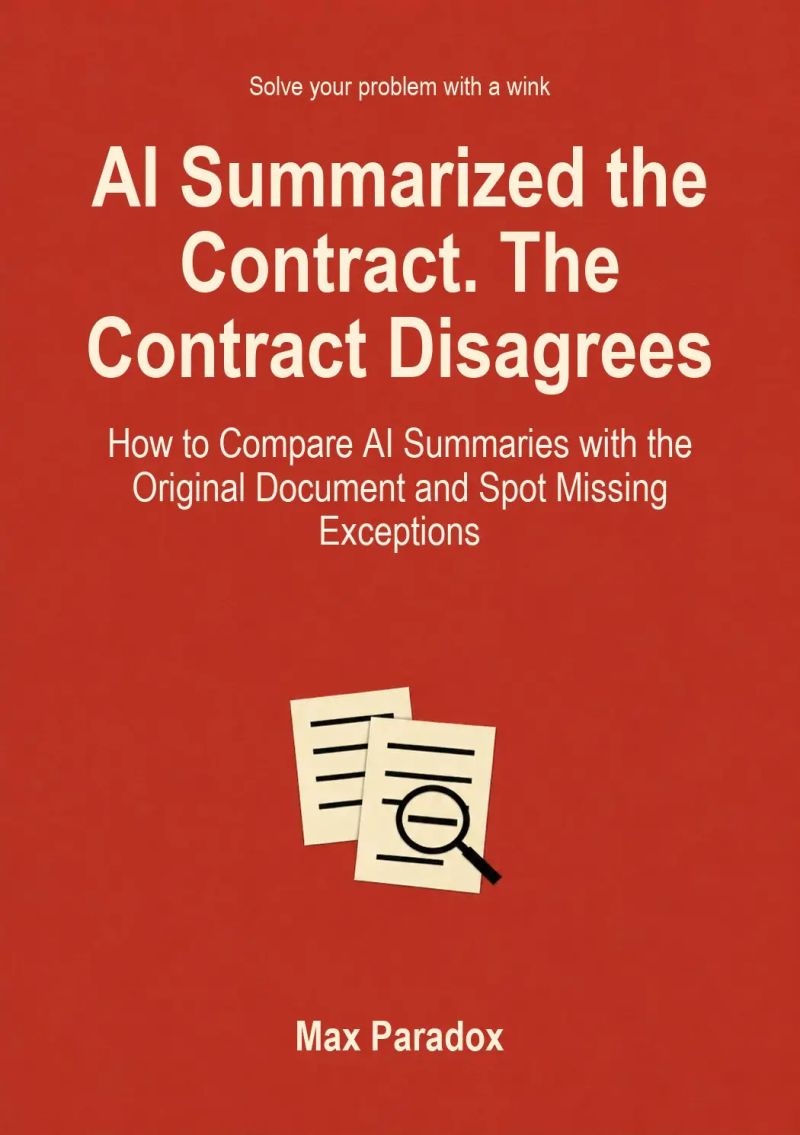
AI Summarized the Contract. The Contract Disagrees - How to Compare AI Summaries with the Original Document and Spot Missing Exceptions
De Max Paradox


Duração5h 58m
Sobre este audiolivro
AI summarized your contract in thirty seconds. Unfortunately, the contract has a few things to add.
The payment terms look reasonable. The termination conditions seem straightforward. Liability is neatly explained in three bullet points. Everything appears perfectly clear.
Then someone opens Appendix 3.
Suddenly, the fixed price isn't quite fixed, the one-month notice period comes with conditions, and the supplier's reassuring promise applies only to circumstances nobody mentioned during the meeting.
Welcome to the fascinating world of AI-generated contract summaries, where a beautifully written answer can be almost entirely correct-and still lead you towards an expensive misunderstanding.
In AI Summarized the Contract. The Contract Disagrees, Max Paradox explores one of the most practical challenges of working with artificial intelligence: how can you benefit from rapid document analysis without overlooking the details that change everything?
With accessible explanations, fictional workplace situations, practical verification techniques and a healthy dose of humour, this book reveals why a convincing summary is not necessarily a faithful representation of its source.
You'll discover how seemingly innocent simplifications can transform conditional rights into unconditional promises, turn deadlines for starting work into deadlines for finishing it, or remove exceptions that determine whether a contractual obligation applies at all.
Inside, you'll learn how to:
Compare AI-generated statements with the exact provisions of an original agreement.
Identify omitted exceptions, conditions, restrictions and cross-references.
Recognize misleading generalizations and conclusions that sound correct but lack sufficient evidence.
Check whether appendices, amendments, definitions and document versions have been considered.
Distinguish verified contractual information from interpretations, assumptions and unresolved questions.
Ask AI more effective questions without encouraging it to confirm what you already believe.
Build practical comparison records and maps of interconnected contractual provisions.
Examine realistic scenarios involving delays, additional charges, liability and termination.
Compare competing agreements without treating different obligations as equivalent.
Communicate findings responsibly when working under time pressure or sharing analyses with colleagues.
Recognize when further clarification or professional advice is necessary.
Keep important contractual obligations, deadlines and verified findings accessible after signing.
The book also examines the human side of the problem: why organized information feels trustworthy, how partial verification creates false confidence, and what happens when five employees each assume someone else has checked the agreement.
This isn't a book about abandoning AI or treating every generated sentence as suspicious. It's about learning to use an exceptionally capable assistant while keeping the original document-and your own judgment-at the centre of the process.
Whether you're a manager, entrepreneur, purchasing specialist, project coordinator or simply someone who occasionally faces an intimidating agreement, you'll find practical ways to ask better questions, focus on significant provisions and recognize the limits of what can be established from the available information.
No magical prompts. No promises that every contractual ambiguity has a simple answer. Just a clearer, more deliberate approach to reading what was actually agreed.
Because AI can produce an impressive summary in seconds.
But when the summary and the contract disagree, it's worth finding out before you sign.
This book offers educational guidance on document analysis and does not replace professional legal advice.
This publication was prepared using tools that support the creative process, including artificial intelligence solutions. The final concept, structure and editing are the responsibility of the author.
Detalhes do audiolivro
GêneroTechnology
Duração5 h 58 min
Narrado porOuça com mais de 1.000 vozes
FormatoeBook com áudio
Data de publicação22 de nov. de 2026
IdiomaInglês
Sumário
1INTRO
2Chapter 1 - The Summary Looks Great. Why Does That Prove Nothing Yet?
3Chapter 2 - Where Does the Exception Disappear? The Anatomy of an Innocent Omission
4Chapter 3 - AI Doesn't Lie? Meet the Errors That Look Like the Truth
5Chapter 4 - More Text, More Certainty? The Traps of Apparently Thorough Analysis
Mostrar todos os capítulosVer menos
6Chapter 5 - Organize the Documents First. AI Isn't a Psychic When It Comes to Appendices
7Chapter 6 - Don't Ask AI Questions That Make It Agree with You
8Chapter 7 - I Checked Three Points, So the Rest Must Be Correct Too. Unfortunately, Not Necessarily
9Chapter 8 - The Contract Passed Through Five People. Each Thought Someone Else Had Checked It
10Chapter 9 - Every Important Statement Needs an Address. A Method for Comparing AI with the Contract
11Chapter 10 - Test the Contract Against Difficult Situations Before Real Life Does
12Chapter 11 - The Map of Exceptions: How to Find Conditions Hidden Between Clauses
13Chapter 12 - From Analysis to Decision. How to Prepare a Conclusion That Doesn't Require Guesswork
14Chapter 13 - Two Contracts, One Decision. How to Compare Offers Without Mixing Apples and Clauses
15Chapter 14 - Correct the Summary, Not the Contract. How to Prepare a Reliable Working Version
16Chapter 15 - When the Document Contradicts Itself: Problems Without Easy Answers
17Chapter 16 - Fifteen Minutes and Forty Pages. How to Check a Contract Under Time Pressure
18Chapter 17 - When AI Can't Cope and the Contract Refuses to Cooperate
19Chapter 18 - Good Analysis Doesn't End at Signing. How to Keep Control of What Was Agreed
20Chapter 19 - Red Flags You Shouldn't Ignore. How to Recognize the Return of Old Mistakes
21Chapter 20 - You Make the Decision. AI Can Hold the Flashlight, but It Doesn't Sign the Contract

Mama bittet um eine Überweisung. Ihre Stimme auch. - Wie du eine verdächtige Geldforderung überprüfst, wenn ein Betrüger sich als eine nahestehende Person ausgibtMax Paradox8h$7.40

Mój numer telefonu właśnie zmienił właściciela - Jak przygotować się do zmiany numeru i utrzymać dostęp do ważnych kontMax Paradox5h 45min$7.40

Der Mann von der Bank kennt meinen Namen und hat viel zu viel Zeit - Wie du einen gefälschten Bankanruf erkennst und die Identität des Anrufers selbst überprüfstMax Paradox6h 33min$7.40

Wszystko jest w chmurze, tylko nie wiem, w której - Jak uporządkować dokumenty cyfrowe, ich dostępność i kopie zapasoweMax Paradox6h 13min$7.40
Everything Is in the Cloud, I Just Don't Know Which One - How to Organize Your Digital Documents, Keep Them Accessible, and Back Them UpMax Paradox6h 22min$7.40

Zmienił się system, przeciążyłem się ja - Jak przejść przez obowiązkową zmianę narzędzi w pracy bez brania całej migracji na siebieMax Paradox6h 8min$7.40

Ich habe das perfekte Jobangebot gefunden. Offenbar hat es mich zuerst gefunden. - Wie du gefälschte Stellenanzeigen erkennst und deine persönlichen Daten bei der Jobsuche schütztMax Paradox7h 23min$7.40

AI streściło umowę. Umowa ma inne zdanie - Jak porównywać streszczenia AI z dokumentem i rozpoznawać pominięte wyjątkiMax Paradox5h 44min$7.40

Das System hat sich geändert, und ich bin überlastet - Wie du eine verpflichtende Umstellung der Arbeitssoftware meisterst, ohne die gesamte Migration auf deinen Schultern zu tragenMax Paradox7h 25min$7.40

Ich verkaufe ein Sofa, und der Käufer will meine Kartendaten? - Wie du auf Online-Kleinanzeigenportalen sicher kaufst und verkaufstMax Paradox7h$7.40

Die KI lieferte Quellen. Eine davon existiert sogar. - Wie man Zitate und Quellen überprüft, die von KI-Tools generiert wurdenMax Paradox7h 17min$7.40

Mój adres krąży po internecie bez walizki - Jak ustalić, gdzie widnieją prywatne dane i ograniczyć ich publiczną widocznośćMax Paradox5h 37min$7.40

Mama prosi o przelew. Jej głos też - Jak sprawdzić podejrzaną prośbę o pieniądze, gdy oszust podszywa się pod bliską osobęMax Paradox6h 41min$7.40

Ich habe fünf Pakete und weiß nicht mehr, welches ich bestellt habe - So behältst du Einkäufe, Reklamationen und Rücksendungen im Blick, ohne ständig nach Bestätigungen suchen zu müssenMax Paradox7h 3min$7.40

Partner zachorował, a ja zostałem całym działem obsługi życia - Jak układać obowiązki i wsparcie po poważnej chorobie partnera, rozmawiać o zmianie ról oraz zachować relację partnerską obok zadań opiekuńczychMax Paradox6h 24min$5.10
I Don't Have One Employer, I Have Seven Little Ones - How to Coordinate Availability, Deadlines, and Commitment Boundaries Across Multiple Sources of Work Without Promising Everyone Full-Time AvailabilityMax Paradox6h 48min$5.10
Firma proponuje mi akcje, a ja chciałem po prostu pensję - Jak porównywać składniki wynagrodzenia, rozumieć warunki nabywania uprawnień i ryzyko koncentracji oraz przygotować pytania do doradców bez uznawania wyceny na prezentacji za pieniądze na konMax Paradox6h 9min$5.10

My Company Is Offering Me Shares, and All I Wanted Was a Paycheck - How to Compare Compensation Components, Understand Vesting Conditions and Concentration Risk, and Prepare Questions for Advisors Without Mistaking a Presentation Valuation for MoneyMax Paradox6h 21min$5.10

I Live Alone and Nobody Knows Whom to Contact If I Get Sick - How to Build a Support Plan for Illness, Arrange Contacts and Access to Important Information, and Prepare Practical Help Before the First CrisisMax Paradox6h 46min$5.10
Collected Writings of Nikola TeslaThomas Commerford Martin, Nikola Tesla19h 42min4.4 (2.8K)$1.99 · $0.00

Operation PedestalMax Hastings12h 29min4.4 (5.2K)$29 · $0.00

When the Heavens Went on SaleAshlee Vance18h 20min4.4 (3K)$40 · $0.00
Everybody Has a Podcast (Except You)Justin McElroy, Travis McElroy, Griffin McElroy5h 9min4.3 (2.3K)$24 · $0.00

Hands of TimeRebecca Struthers8h 8min4.4 (1.3K)$26 · $0.00
Never Lost AgainBill Kilday10h 1min4.4 (805)$29 · $0.00
How the Internet HappenedBrian McCullough13h 28min4.3 (2.7K)$23 · $0.00
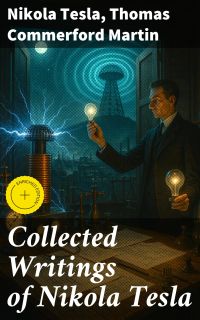
Collected Writings of Nikola TeslaNikola Tesla, Thomas Commerford Martin21h 50min4.3 (1.7K)$1 · $0.00

Just AspireAjai Chowdhry9h 13min4.4 (260)$29 · $0.00
The Little Book of AliensAdam Frank8h 20min4.3 (1.3K)$26 · $0.00
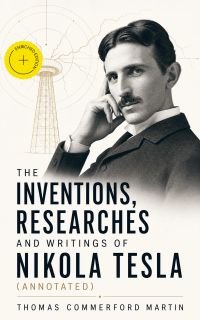
The inventions, researches and writings of Nikola Tesla (Annotated)Thomas Commerford Martin16h 59min4.3 (1.3K)$2 · $0.00

KargilV.P. Malik15h 18min4.3 (2K)$24 · $0.00
Experiments with Alternating CurrentsNikola Tesla9h 16min4.3 (874)$1.99 · $0.00

Fire on the HorizonTom Shroder, John Konrad8h 23min4.3 (858)$26 · $0.00

The Smell of Kerosene (Annotated)National Aeronautics and Space Administration, Donald L. Mallick, Peter W. Merlin11h 32min4.3 (523)$2 · $0.00

The Boy Who Harnessed the WindWilliam Kamkwamba, Bryan Mealer10h 5min4.2 (78.9K)$29 · $0.00

Across the Airless WildsEarl Swift10h 8min4.3 (1.3K)$29 · $0.00

Console WarsBlake J. Harris20h 41min4.2 (13.7K)$46 · $0.00
Improvised Munitions HandbookU.S. Department of Defense4h 49min4.3 (1.6K)$1.99 · $0.00
Escaping GravityLori Garver10h 54min4.2 (2.2K)$20 · $0.00
Você também pode gostar

IP Multimedia Subsystem A Complete Guide - 2019 EditionGerardus Blokdyk4h 46min$71
Microsoft Power BI A Complete Guide - 2021 EditionGerardus Blokdyk4h 32min$78
Operational Database Management A Complete Guide - 2019 EditionGerardus Blokdyk4h 45min$71
Load User Interface Complete Self-Assessment GuideGerardus Blokdyk4h 7min$71
Media development A Complete GuideGerardus Blokdyk4h 7min$42
Cloud Threats A Complete Guide - 2019 EditionGerardus Blokdyk4h 31min$71
Selligent Marketing Cloud Second EditionGerardus Blokdyk4h 16min$71
Keep It Simple A Complete GuideGerardus Blokdyk4h 7min$71

HorizonsJames Poskett15h 18min3.7 (472)$33 · $0.00
Who Owns What? The Definitive Legal Guide for Musicians, Writers, Film-Makers and Content CreatorsXerxes Ranina3h 33min$18 · $0.00
Endpoint and Data Security Complete Self-Assessment GuideGerardus Blokdyk4h 15min$71

Cloud Security Compliance A Complete Guide - 2021 EditionGerardus Blokdyk4h 45min$78
Growth Driver A Complete Guide - 2020 EditionGerardus Blokdyk4h 25min$71
Data-driven instruction Complete Self-Assessment GuideGerardus Blokdyk1h 56min$42
Electronic Batch Records A Clear and Concise ReferenceGerardus Blokdyk4h 14min$71
Biometric ATMs Complete Self-Assessment GuideGerardus Blokdyk4h 7min$71
Statistical Techniques A Complete Guide - 2021 EditionGerardus Blokdyk4h 34min$78
Spatial Computing A Clear and Concise ReferenceGerardus Blokdyk4h 7min$71
IFRS For Insurance Contracts A Complete Guide - 2020 EditionGerardus Blokdyk4h 44min$78

LAN Manager A Complete Guide - 2020 EditionGerardus Blokdyk4h 26min$78