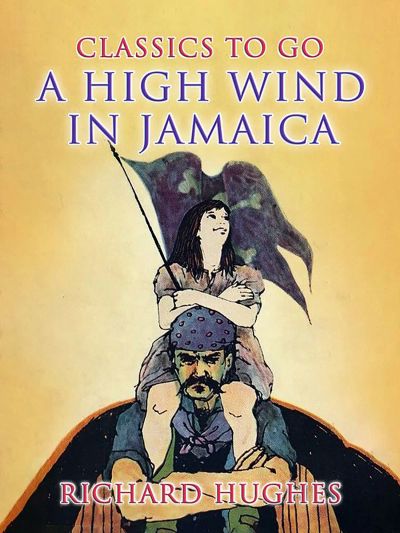
Richard Hughes, a Welsh-born novelist and playwright, stunned the literary world with his novel "A High Wind in Jamaica", a darkly ironic and unsettling tale that challenged conventional ideas about childhood innocence and moral clarity. Published in the early 20th century, Hughes's writing stood apart for its lyrical prose, psychological depth, and subversive edge, capturing the inner lives of children not as idealized figures but as complex, often unknowable beings. His narrative, set against the backdrop of colonial Jamaica and high-seas piracy, explores the blurred boundaries between civilization and savagery, using youthful perspective to unsettle adult assumptions about virtue, violence, and survival. Hughes's work resonates with contemporary readers for its exploration of how context shapes behavior and how innocence can coexist with moral ambiguity—an idea still deeply relevant in discussions of upbringing, trauma, and ethical development. Today, his novel continues to provoke and captivate, appealing to those who appreciate literary fiction that defies easy categorization, grapples with the darker sides of human nature, and reveals the unsettling truths that lie just beneath the surface of adventure.