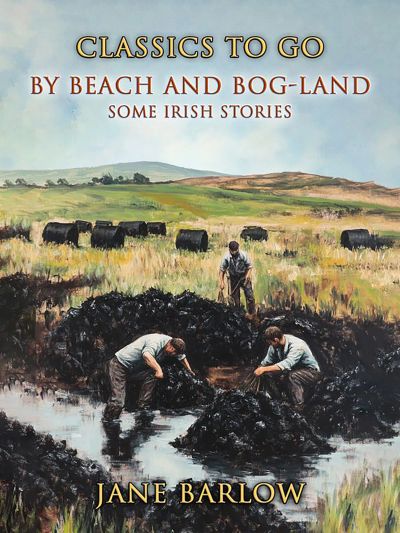
Jane Barlow, born into a literary and politically active family in 1856 Ireland, brought a deep sensitivity to rural Irish life through her evocative fiction, shaped by her upbringing in County Dublin and her education at Trinity College. Writing during a period of significant cultural and political change, Barlow captured the rhythms, hardships, and quiet dignities of peasant life with both empathy and subtle irony, offering readers a portrait of a society often overlooked or misunderstood. Her stories reflect the struggles of a colonized people navigating poverty, superstition, and social transformation—issues that still echo today in conversations about identity, displacement, and resilience in marginalized communities. Her work stands out for its blend of realism and folkloric charm, which bridges the intimate world of daily survival with broader themes of cultural preservation and moral complexity. Barlow's literary voice remains significant for how it humanizes rural Irish characters without romanticizing them, offering a perspective that challenges stereotypes and invites deeper appreciation for cultural nuance. Readers drawn to socially conscious literature, historical narratives with emotional depth, and portrayals of rural life shaped by political undercurrents will find her work both compelling and thought-provoking.