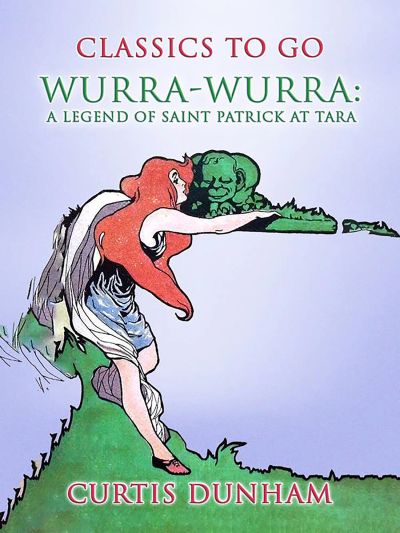
Curtis Dunham, an American writer active in the late 19th and early 20th centuries, infused his fiction with a love for myth, moral storytelling, and cultural tradition, as seen in works like *Wurra-Wurra: A Legend of Saint Patrick at Tara*. Drawing on Irish legend and Christian symbolism, Dunham reimagined the legendary figure of Saint Patrick within the rich, mystical landscape of ancient Ireland, blending folklore with a narrative of spiritual awakening and transformation. His storytelling reflects a broader literary trend of the time—reviving national myths and heroic archetypes to offer both entertainment and ethical reflection. Dunham's work is characterized by its lyrical tone, reverence for cultural heritage, and emphasis on redemption and inner change, making it accessible to readers of all ages and particularly resonant in a world still hungry for stories that speak to identity, belief, and belonging. Today, his writing appeals to those who enjoy tales of faith and folklore, and to readers drawn to historical fiction that bridges the sacred and the legendary with a storyteller's warmth and reverence.