


Length2h 39m
About this audiobook
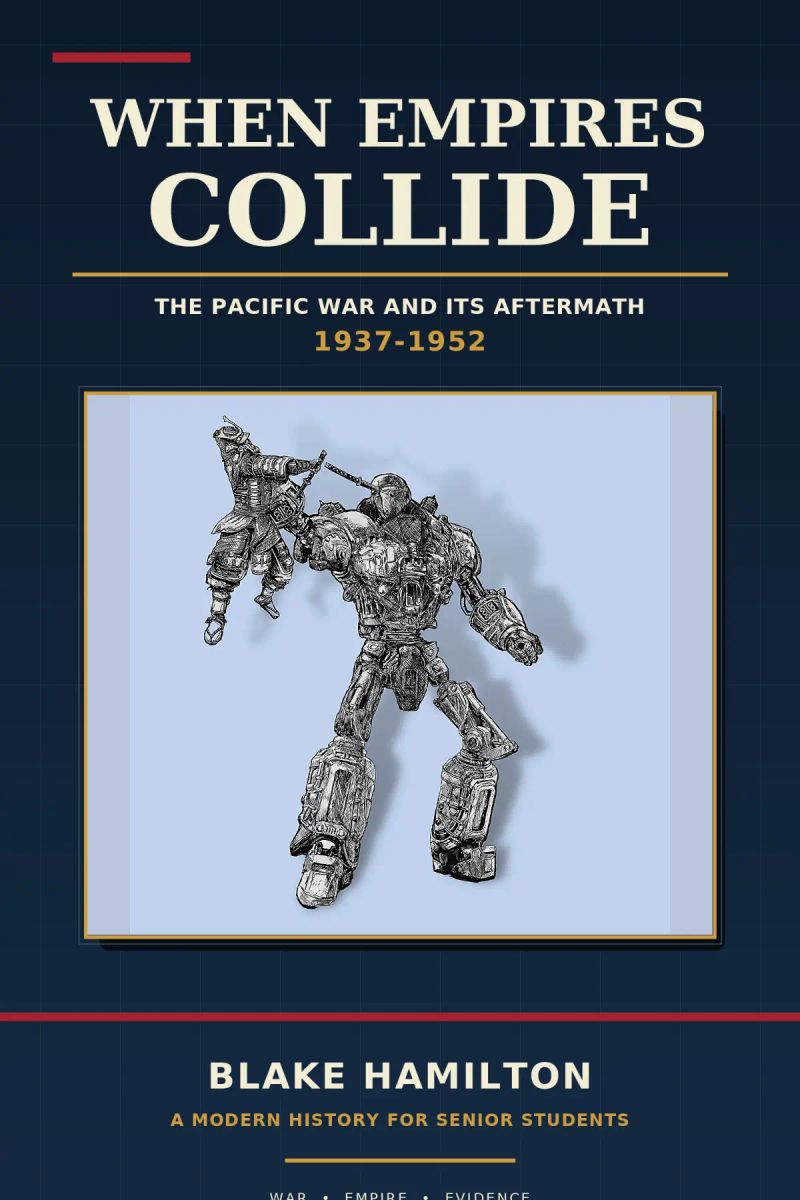
When Empires Collide tells the story of the Pacific War from Japan’s expansion in China to defeat, surrender and occupation. Written for senior Modern History students, it combines clear historical narrative with primary sources, competing interpretations and examination-focused activities.
Audiobook details
GenreHistory
Length2 hrs 39 mins
Narrated byListen with 1,000+ voices
FormateBook with Audio
Publish dateJul 10, 2026
LanguageEnglish
Table of contents
1Introduction
2Dedication
3Author’s note
4Content advisory
5Prologue: The edge of the island: Inquiry question
Show all chaptersShow less
6Chapter 1: Empire, resources and the road to war
7Inquiry question
8Chapter judgement
9A war already under way
10Not a restored shogunate
11Empire presented as liberation
12The resource trap
13Diplomacy under a deadline
14Pearl Harbor and the widened war
15Source window: the Hull Note
16Historical debate: was the embargo decisive?
17Key terms
18HSC practice
19Chapter 2: Japanese offensive and Allied collapse
20Inquiry question
21Chapter judgement
22An offensive across a vast region
23Why the Allies were vulnerable
24The Philippines: a delayed withdrawal
25Hong Kong, Malaya and Singapore
26The Netherlands East Indies and the Java Sea
27Burma: military defeat and civilian flight
28Victory at the edge of overextension
29Source window: MacArthur at Terowie, 20 March 1942
30Historical debate: why did Singapore fall?
31Key terms
32HSC practice
33Chapter 3: Turning the tide
34Inquiry question
35Chapter judgement
36From raids to resistance
37Coral Sea: tactical loss, strategic check
38Intelligence before Midway
39Midway: destruction of the carrier striking force
40Papua: Kokoda and Milne Bay
41Guadalcanal: the war of attrition begins
42A cumulative turning point
43Source window: “AF is short of water”
44Historical debate: which battle turned the tide?
45Key terms
46HSC practice
47Chapter 4: The war of production and strategy
48Inquiry question
49Chapter judgement
50More than a factory contest
More from Blake Hamilton

A Brief History of IntelligenceMax S. Bennett12h 18m4.6 (6.6K)$29 · $0.00

The Happiest Man on EarthEddie Jaku3h 48m4.6 (178K)$7 · $0.00

MotherlandJulia Ioffe17h 52m4.7 (2.5K)$40 · $0.00

Where Cowards Go to DieBenjamin Sledge8h 42m4.7 (351)$20 · $0.00

RevolutionariesSanjeev Sanyal11h 23m4.6 (2.6K)$29 · $0.00

Days of Love and Rage: A Story of RevolutionAnand Gopal22h 36m4.7 (584)$34 · $0.00

We Crossed a Bridge and It TrembledWendy Pearlman6h4.6 (5.2K)$24 · $0.00
Unbroken Bonds of BattleJohnny Joey Jones8h 31m4.6 (2.6K)$8 · $0.00

The Daughter of AuschwitzTova Friedman, Malcolm Brabant7h 54m4.6 (16.7K)$26 · $0.00

Lily's PromiseLily Ebert, Dov Forman8h 54m4.6 (16.1K)$29 · $0.00
On Democracies and Death CultsDouglas Murray10h 38m4.6 (6.5K)$29 · $0.00

Across the RiverKent Babb11h 40m4.6 (927)$29 · $0.00

Balcony Over Jerusalem: A Middle East Memoir - Israel, Palestine and BeyondJohn Lyons12h 37m4.6 (1.4K)$33 · $0.00

BeyondStephen Walker15h 39m4.6 (3.2K)$33 · $0.00
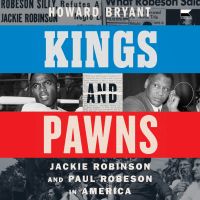
Kings and PawnsHoward Bryant10h 9m4.6 (678)$29 · $0.00

No EscapeNury Turkel9h 30m4.6 (809)$28 · $0.00

Jubal Stone: U.S. Marshal: Blood Trail To Hell: A Western Adventure NovelCasey Nash3h 42m4.6 (3.2K)$18 · $0.00

Fall and RiseMitchell Zuckoff17h 23m4.6 (9.8K)$40 · $0.00
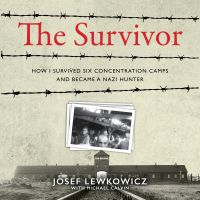
The SurvivorJosef Lewkowicz, Michael Calvin9h 22m4.6 (2.5K)$29 · $0.00

Always FaithfulThomas Schueman, Zainullah Zaki12h 12m4.6 (977)$29 · $0.00
You may also like

The Glory and the DreamWilliam Manchester57h 18m4.5 (2.8K)$30

Shattered LandsUnknown Author15h 49m4.3 (1.1K)$26 · $0.00
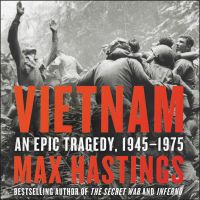
VietnamMax Hastings33h 33m4.4 (25.4K)$53 · $0.00

The History of the Peloponnesian WarThucydides18h 29m4.2 (49.9K)$11 · $0.00
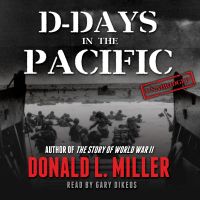
D-Days in the PacificDonald L. Miller17h 52m4.4 (475)$25
Moral CombatMichael Burleigh26h 23m4.1 (700)$30

The Polar Bear ExpeditionJames Carl Nelson8h 7m3.8 (1.1K)$26 · $0.00
Games without RulesTamim Ansary14h 40m4.4 (2.4K)$23

A Rebel War Clerk's Diary at the Confederate States Capital (Annotated)J. B. Jones38h 13m4.2 (591)$2 · $0.00

History of the War in the Peninsular and the South of France from the Year 1807 to the Year 1814 Vol. 3William Francis Patrick Napier20h 55m$2.30
The Crisis of the Naval War: British Royal Navy in World War IJohn Rushworth Jellicoe9h 26m3.9 (26)$1 · $0.00

THE GREAT WAR COLLECTION – The Battle of Jutland, The Battle of the Somme & Nelson's History of the War (9 Books in One Volume) (Annotated)John Buchan46h 54m$2 · $0.00

THE WAR TO END ALL WARSMargaret Elspeth Holbrook6h 30m$11 · $0.00

The History of the British Army (Annotated)J. W. Fortescue45h 25m4.4 (12)$2 · $0.00
The Story of the Great War, Volume 1 of 8Various20h 37m$2.30

The Grenadier Guards in the Great War of 1914-1918 Vol 1, 2, 3Frederick Ponsonby34h 39m$2.30
The DefendersRobert Livesey1h 30m$8 · $0.00
Art of Combat: 3 Classic Books on Military Strategy and TacticsTom Kettle, Joseph S. Smith10h 51m4.2 (25)$0.99 · $0.00
Art of WarVictoria Charles, Sun Tzu7h 24m4.2 (160)$18 · $0.00

The Story of the Great War, Mega Series Volume I to VIIIVarious149h 5m4.4 (16)$2.30