
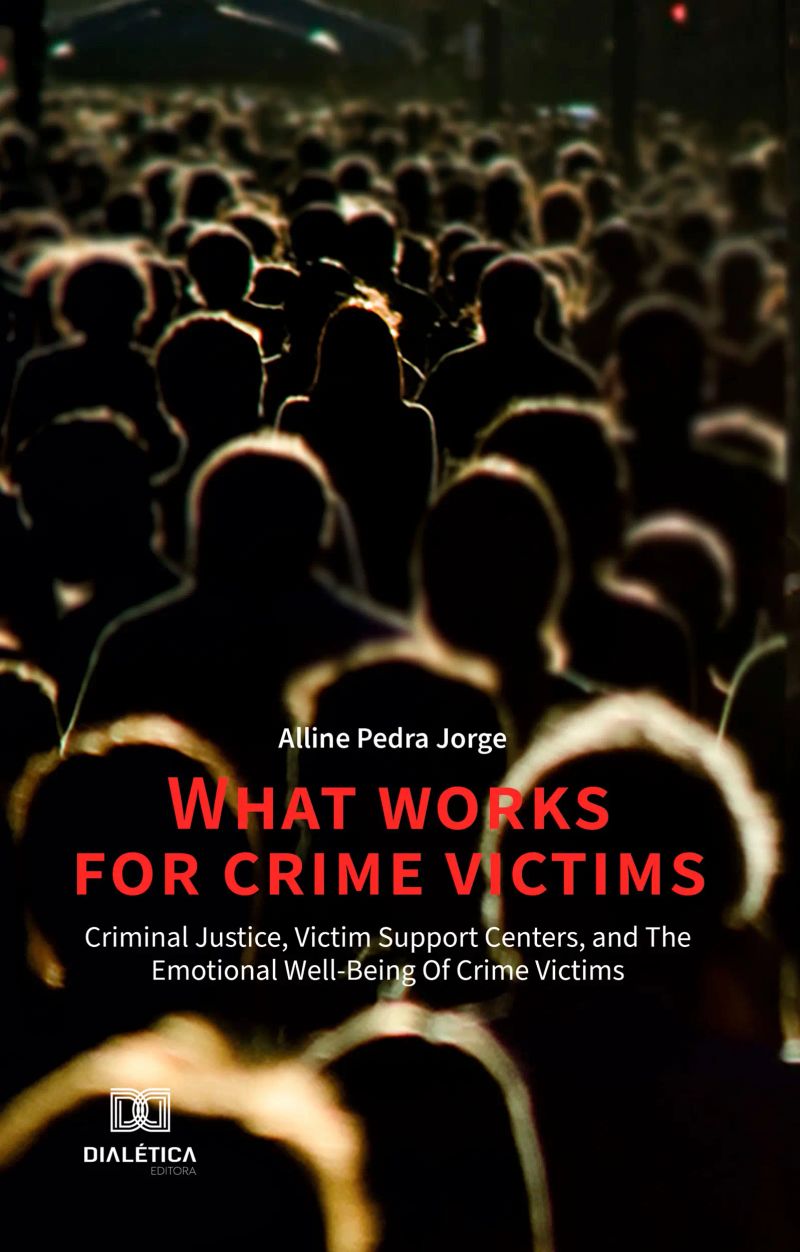
What Works for Crime Victims
criminal justice, victim support centers, and the emotional well-being of crime victimsBy Alline Pedra Jorge

Length10h 48m
About this audiobook
After the Second World War, the role of the victim in criminal conflict became an object of interest for academics. But it was only in the 1960s that the importance of providing protection and assistance to crime victims was highlighted in particular by the victims' movement, which inaugurated a new era of criminal justice in systems throughout the world. Moving beyond just the role of controlling crime and punishing the offender, the criminal justice system also began to contribute to the victims' rehabilitation and to help the victim to move on from the event psychologically and emotionally.
Although some criminological research was conducted on this topic, the effect that the criminal justice system and victim support services have on the well-being of crime victims is still uncertain.
The current study sought to understand the healing process of victims of crime, the potential consequences of their participation on the criminal justice system, and the support of victim centers. Moreover, it aimed to find out whether the existence of a Victim Support Act would change the treatment that the victim receives in the criminal justice system. Thus this research was conducted based in two countries – Switzerland and Brazil – where the outcome of the victims' movement on the criminal justice system was different, as was the participation of the victim in the criminal justice system and the government's provision of support.
In order to conduct this research the qualitative method was employed, which is the most efficient to gather sensitive information. Interviews with crime victims were the main source of information. Hearing observation and document research were used as complementary sources.
The results of this research show that victims who have contact with the criminal justice system and victim services are not more likely to recover than those who had no contact. This is to say, the support offered has no major effects; the influence of the criminal justice system and the victim support services in the emotional well-being of crime victims is rather neutral. However, considering that the sample is not representative, findings are not expected to be generalized. Instead, findings may give insight to practitioners or to future criminal justice policy makers, suggesting what may work to improve the emotional well-being of crime victims, as well as suggesting further studies.
Audiobook details
GenreTrue Crime
Length10 hrs 48 mins
Narrated byListen with 1,000+ voices
FormateBook with Audio
Publish dateJan 26, 2021
LanguageEnglish
Table of contents
1Introduction
2ACKNOWLEDGMENT
3SUMMARY
4INTRODUCTION
51. EVOLUTION OF LEGISLATION AND POLICIES IN FAVOR OF VICTIMS OF CRIME
Show all chaptersShow less
62. CONTENT OF THIS STUDY: 2.1. - Concept of victim of this study
73. LIMITATIONS OF THIS STUDY
8CHAPTER ONE - THE IMPACT OF CRIME, VICTIMS’ EXPECTATIONS, WELL-BEING AND THE INTERVENTION OF THE CRIMINAL JUSTICE SYSTEM AND VICTIM SUPPORT CENTERS
91. THE IMPACT OF THE CRIME ON THE VICTIM>: 1.1. - The attribution and just world theories: individual’s beliefs shaken by the crime
102. WHAT VICTIMS WANT FROM THE CRIMINAL JUSTICE SYSTEM AND SUPPORT SERVICES: THE THERAPEUTIC APPROACH>
112.1. - Victims’ satisfaction with police performance
122.2. - Victims’ satisfaction and participation in the criminal proceedings
132.3. - Criminal justice system and victims’ mental health
142.4. - Victim Support Schemas and victims’ mental health
153. SYNTHESIS>
16CHAPTER TWO - RESEARCH PROBLEM AND DESIGN
171. THE PROBLEM: RESEARCH QUESTION AND INITIAL HYPOTHESES
182. THE (QUALITATIVE) METHOD
193. DATA COLLECTION
203.1. - Interviews
213.2. - Document analysis
223.3. - Observation
234. DATA ANALYSIS
244.1. - Interviews
254.2. - Document analysis
264.3. - Observation
275. ASSURING INTERNAL VALIDITY AND RELIABILITY
286. EXTERNAL VALIDITY
297. SYNTHESIS
30CHAPTER THREE - LEGAL PROVISIONS AND SUPPORT OF VICTIMS IN SWITZERLAND AND BRAZIL
311. THE RIGHTS OF THE VICTIM IN SWITZERLAND: 1.1. - The role of the victim in criminal proceedings
322. THE RIGHTS OF THE VICTIM IN BRAZIL
332.1. - The role of the victim in criminal proceedings
342.2. - Special criminal proceeding in cases of minor offenses
353. VICTIM SUPPORT CENTERS IN SWITZERLAND AND BRAZIL
363.1. - The victim support Center LAVI in Switzerland
373.2. - Victim Support Center in Brazil
384. SYNTHESIS
39CHAPTER FOUR - FINDINGS IN SWITZERLAND – INTERVIEWS
401. INTERVIEWS: DESCRIPTIVE AND SOCIO-DEMOGRAPHIC INFORMATION OF PARTICIPANTS
411.1. - Socio-demographic data of victims52
421.2. - Description of Victimization
431.3. - Outcome of the Criminal Lawsuits
442. REPLYING TO THE RESEARCH QUESTIONS
452.1. - Are victims satisfied with the performance of the criminal justice system and with the support offered by victim assistance centers?
462.2. - What are the consequences of the intervention of the criminal justice system and support services in the healing process of victims? Do they effectively help victims to recover?
472.3. - Do victims who participate in criminal proceedings or who are supported by victim services have better chances of recovering than victims who do not participate or who are not supported?
482.4. Does the participation of victims in criminal proceedings affect their satisfaction or dissatisfaction with the criminal justice system and their level of distress?
492.5. - How does criminal justice system’s performance affect victims’ relationship with the criminal justice system?
503. SYNTHESIS
BoundlessNick Kostov, Sean McLain9h 17m4.5 (1.1K)$29 · $0.00
Deadly ForceLawrence O'Donnell17h 18m4.5 (342)$40 · $0.00
Walking the BowlChris Lockhart, Daniel Mulilo Chama9h 7m4.4 (1.5K)$29 · $0.00

PapillonHenri Charriere18h 19m4.3 (90.2K)$40 · $0.00
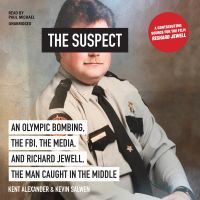
The SuspectKent Alexander, Kevin Salwen14h 12m4.4 (3K)$23 · $0.00
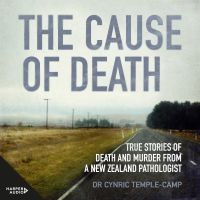
The Cause of DeathCynric Temple-Camp8h 59m4.4 (1.4K)$29 · $0.00

GanglandJared Savage9h 21m4.4 (1.4K)$29 · $0.00

Riding with EvilKen Croke, Dave Wedge9h 42m4.3 (3.4K)$29 · $0.00
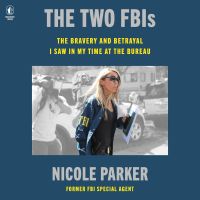
The Two FBIsNicole Parker10h 8m4.4 (499)$29 · $0.00
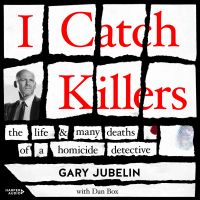
I Catch KillersGary Jubelin15h 32m4.3 (6.6K)$33 · $0.00
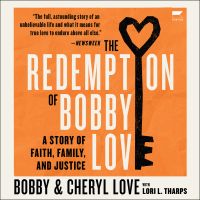
The Redemption Of Bobby LoveBobby Love, Cheryl Love9h 13m4.4 (956)$29 · $0.00

The Life We ChoseMatt Birkbeck8h 57m4.4 (1K)$29 · $0.00

The Truth About AaronJonathan Hernandez5h 15m4.3 (2.5K)$24 · $0.00

No Ordinary BirdArtis Henderson6h 23m4.4 (597)$24 · $0.00

I'll Be Gone in the DarkMichelle McNamara10h 7m4.3 (302.5K)$29 · $0.00

Beyond the Body FarmBill Bass, Jon Jefferson6h 17m4.3 (10.2K)$24 · $0.00

The Killer Across the TableJohn E. Douglas, Mark Olshaker11h 7m4.3 (37.5K)$8 · $0.00
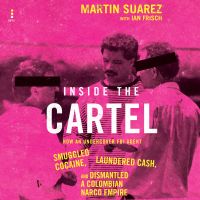
Inside the CartelMartin Suarez, Ian Frisch10h 50m4.4 (583)$29 · $0.00

White Hot HateDick Lehr12h 27m4.3 (1.4K)$29 · $0.00

Scarface and the UntouchableMax Allan Collins, A. Brad Schwartz18h 35m4.3 (2.4K)$40 · $0.00
You may also like

HerzogSaul Bellow15h 36m3.8 (29.7K)$25 · $0.00

Count the WaysJoyce Maynard15h 17m4.3 (21.6K)$33 · $0.00

SnapSusin Nielsen9h 48m4.2 (2K)$29 · $0.00

And How Does That Make You Feel?Joshua Fletcher9h 7m4.2 (4.9K)$29 · $0.00

The Brothers Karamazov (Classic Unabridged Edition)Fyodor Dostoyevsky38h 18m4.5 (452.3K)$2 · $0.00

You Better Believe I'm Gonna Talk About ItLisa Rinna6h 50m3.6 (13.4K)$24 · $0.00

A Book of American MartyrsJoyce Carol Oates24h 44m3.9 (8.2K)$5 · $0.00

AuēBecky Manawatu10h 54m4.4 (9.6K)$20

Allies in HealingLaura Davis8h 45m4.3 (955)$26 · $0.00

The Death of Ivan Ilyich & The Kreutzer SonataLeo Tolstoy7h 20m4.2 (3.6K)$1 · $0.00

All the Things We Never KnewSheila Hamilton8h 44m4.1 (2.6K)$20

The Schoolmaster and Other StoriesAnton Pavlovich Chekhov6h 24m4.1 (357)$2.30

Think You'll Be HappyNicole Avant6h 49m4.4 (6.6K)$24 · $0.00

My Partner Wants the Pet GoneImad Muratspahic3h 15m$12 · $0.00

The Old Lady He Left BrokenJulia T. McCarty6h 6m$7.50 · $0.00

The Merry-Go-RoundSomerset Maugham1h 18m3.8 (655)$2.30

The InheritanceJoanna Goodman11h 27m3.5 (4.6K)$29 · $0.00

The Truth about GamblingPenelope J. Westwood3h 50m$4.10 · $0.00

More Tales by Polish AuthorsAnonymous4h 15m$1 · $0.00

The Complex | Award-winning author of The Association of Small Bombs returns with a new novelKaran Mahajan15h 25m3.7 (779)$26 · $0.00