
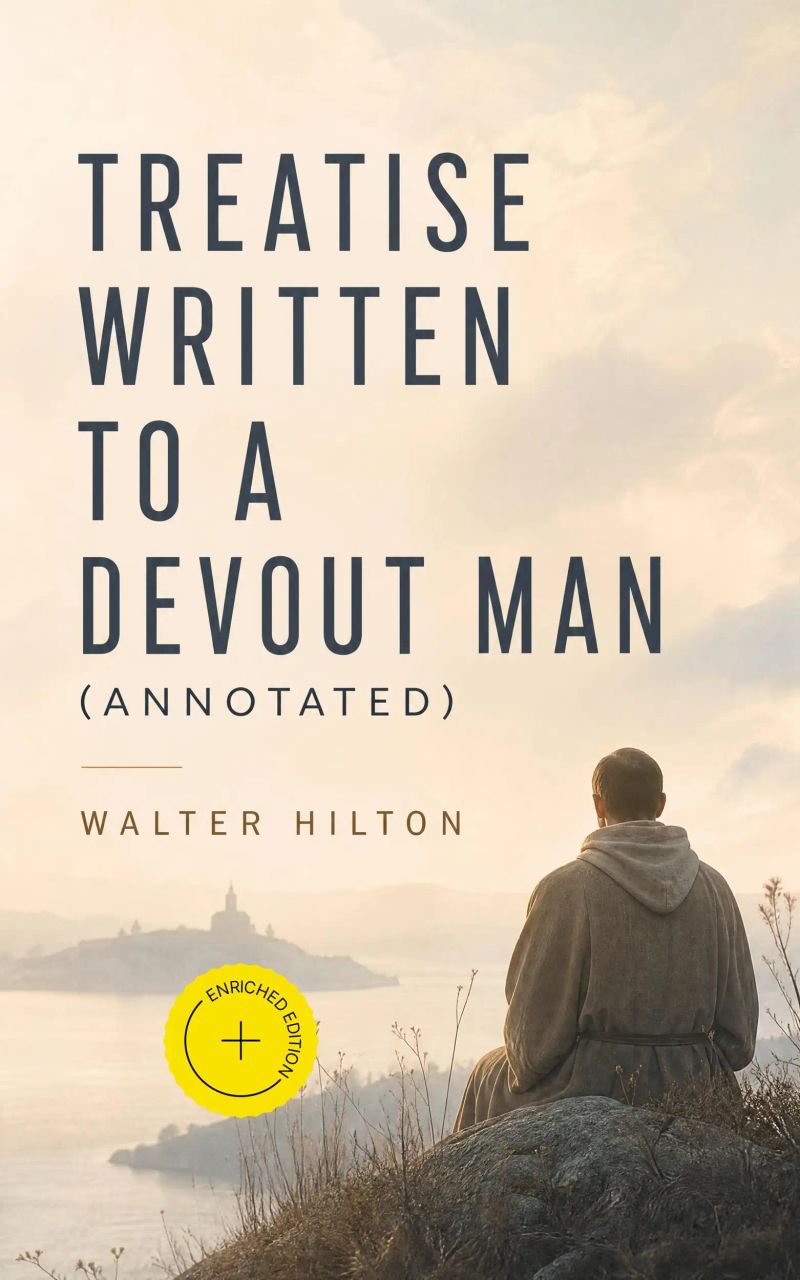
Treatise Written to a Devout Man (Annotated)
Enriched Edition. Medieval Guidance on Prayer, Penitence, Humility, and Contemplative DevotionBy Walter Hilton


Length2h 7m
About this audiobook
Treatise Written to a Devout Man is a compact work of late medieval spiritual counsel, addressed to a reader seeking disciplined inward devotion amid ordinary obligations. Hilton sets out the stages and safeguards of prayer, penitence, humility, and contemplative desire, distinguishing true spiritual fervor from self-will or illusion. Its prose is lucid, measured, and pastorally exact, joining scholastic discrimination to the affective theology characteristic of fourteenth-century English mysticism, alongside Richard Rolle, Julian of Norwich, and The Cloud of Unknowing. Walter Hilton (c. 1340–1396) was an Augustinian canon at Thurgarton Priory and one of the major architects of English devotional prose. His learning, probably shaped by university training, was tempered by the pastoral responsibilities of a religious advisor in an age marked by plague, lay piety, and debates over authority and inward experience. Hilton's writings show a consistent concern to make contemplative doctrine morally safe, ecclesially grounded, and accessible. This treatise is recommended for readers of medieval theology, Christian mysticism, and devotional literature who want guidance that is both historically rich and spiritually practical. It rewards close reading: beneath its modest advisory form lies a subtle anthropology of desire, grace, and disciplined love.
This enriched edition has been carefully crafted to add value to your reading experience.
- A succinct Introduction situates the work's timeless appeal and themes.
- The Synopsis outlines the central plot, highlighting key developments without spoiling critical twists.
- A detailed Historical Context immerses you in the era's events and influences that shaped the writing.
- A thorough Analysis dissects symbols, motifs, and character arcs to unearth underlying meanings.
- Reflection questions prompt you to engage personally with the work's messages, connecting them to modern life.
- Hand‐picked Memorable Quotes shine a spotlight on moments of literary brilliance.
- Interactive footnotes clarify unusual references, historical allusions, and archaic phrases for an effortless, more informed read.
Audiobook details
Rating★★★★★ 4.6 (12)
Includes Amazon
GenreSpirituality and Religion
Length2 hrs 7 mins
Narrated byListen with 1,000+ voices
FormateBook with Audio
Publish dateDec 10, 2022
LanguageEnglish
Table of contents
1Treatise Written to a Devout Man (Annotated)
2Introduction
3Synopsis
4Historical Context
5Chapter I. That he who intends to become a Spiritual Man must first use much Bodily Exercise in Penance, and in Destroying of sin
Show all chaptersShow less
6Chapter II. To what kind of Men the Active Life pertaineth
7Chapter III. To whom the Contemplative Life appertaineth
8Chapter IV. To whom appertained the Mixed Life
9Chapter V. How holy Bishops held and used the said Mixed Life
10Chapter VI. That kind of Life was most fitting for him for whom this Treatise was made
11Chapter VII. That a Man's Devotion sometimes will be the greater by reason of the outward Work which before out of Charity he had been in hand with
12Chapter VIII. What the Desire of God for Himself is and how that in Cleanness of Conscience is found true Comfort and Sweetness
13Chapter IX. How thou shalt Dispose thee to Devotion
14Chapter X. How a Man is to Think on the Humanity of Christ
15Chapter XI. How a Man shall think on Virtues and upon the Saints
16Chapter XII. How a Man shall think of the Holiness of our Lord Jesus and of our Blessed Lady
17Chapter XIII. Of seeing and beholding the Power (by some consideration or thinking), the Wisdom, the Goodness and the Mercy of God in His Creatures
18Chapter XIV. How the Consideration and thinking on the Miseries and Perils of this Life is apt to breed in a soul the Desire of Heaven
19Chapter XV. How a Man shall do when he feeleth no taste nor comfort in his Mental Exercises
20Chapter XVI. What a Man is to take heed of in his Prayers and Meditations
21Analysis
22Reflection
23Memorable Quotes
More from Walter Hilton


Prayers from the Throne RoomBrian Simmons8h 55m4.9 (256)$10 · $0.00
31 Decrees of Blessing for Your LifePatricia King2h 38m4.8 (1.4K)$10 · $0.00

Loved BabySarah Philpott4h 51m4.8 (1.4K)$10 · $0.00

The QuranAllah23h 7m4.7 (136.1K)$1 · $0.00

The Secret of the RosaryLouis de Montfort6h 1m4.7 (16K)$2 · $0.00

The Holy Qur-an: Text, Translation and CommentaryAbdullah Yusuf Ali22h 16m4.7 (133K)$1 · $0.00

All of Grace (Annotated)Charles Spurgeon5h 1m4.7 (1.3K)$0.99 · $0.00

Steps to ChristEllen G. White3h 12m4.7 (13.8K)$2 · $0.00
The Doctrine and Selected CovenantsJoseph Smith13h 53m4.7 (10.4K)$1.99 · $0.00

Sinners in the Hands of an Angry God & Other Sermons (Annotated)Jonathan Edwards7h 51m4.7 (1.5K)$2 · $0.00

Swayam Ki AwaazPrem Rawat8h 34m4.7 (1.1K)$26 · $0.00

Behind the BadgeAdam Davis10h 18m4.7 (2.7K)$10 · $0.00

The New Human Revolution, vol. 1Daisaku Ikeda7h 46m4.7 (669)$12 · $0.00

You Are Worth ItKyle Carpenter, Don Yaeger8h 53m4.7 (4.8K)$29 · $0.00
Praying GraceDavid A. Holland3h 2m4.7 (658)$10 · $0.00

Evidence Not SeenDarlene Deibler Rose11h 11m4.6 (11.9K)$29 · $0.00

The Christ KeyChad Bird, Chad Bird7h 33m4.7 (592)$17.40 · $0.00

He and IGabrielle Bossis10h 12m4.7 (554)$17 · $0.00
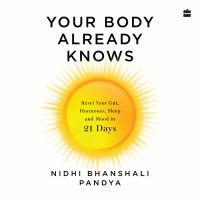
Your Body Already KnowsNidhi Pandya Bhanshali9h 7m4.7 (360)$16 · $0.00

The Complete WorksFlorence Scovel Shinn7h 59m4.6 (6.6K)$2 · $0.00
You may also like

Conferences of John CassianJohn Cassian23h 4m4.4 (641)$3 · $0.00

How to bring men to ChristR. A. Torrey3h 21m4.4 (261)$1 · $0.00

The Christian’s Secret of a Happy LifeHannah Whitall Smith5h 26m4.3 (3.2K)$17
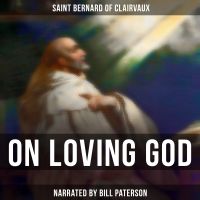
On Loving GodSaint Bernard of Clairvaux1h 48m4.3 (2K)$7.50

Meister Eckhart's SermonsMeister Eckhart1h 25m4.3 (435)$4 · $0.00

Kept for the Master's UseFrances Ridley Havergal3h 17m4.5 (1.5K)$1 · $0.00
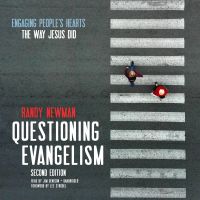
Questioning Evangelism, Second EditionRandy Newman8h 25m4.3 (3.2K)$20 · $0.00

Absolute SurrenderAndrew Murray5h 55m4.5 (9.4K)$0.99 · $0.00

Pastoral Care (Annotated)Pope Gregory I8h 41m4.3 (1.9K)$2 · $0.00
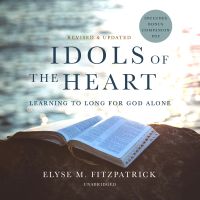
Idols of the Heart, Revised and UpdatedElyse M. Fitzpatrick7h 27m4.4 (2.1K)$20

The Root of the RighteousA. W. Tozer4h 26m4.5 (3K)$1 · $0.00
A Call to the UnconvertedRichard Baxter5h 32m4.3 (6.2K)$17

The Dialogue of Divine Providence (Annotated)Catherine of Siena10h 50m4.5 (1.4K)$2 · $0.00
Old PathsJ. C. Ryle21h 5m4.7 (413)$25

All These Things AddedJames Allen2h 47m4.2 (583)$21 · $0.00

Devotion to the Sacred Heart of Jesus (Annotated)Jean Croiset10h 18m4.6 (544)$2 · $0.00

Thoughts are ThingsPrentice Mulford5h 15m4.2 (1.5K)$0.60 · $0.00
After You BelieveN. T. Wright10h 2m4.3 (4K)$29 · $0.00

VocationMichael Berg4h 51m4.4 (99)$13 · $0.00

The Sanctified Life (Annotated)Ellen G. White4h 9m4.6 (85)$2 · $0.00