


Length8h 59m
About this audiobook
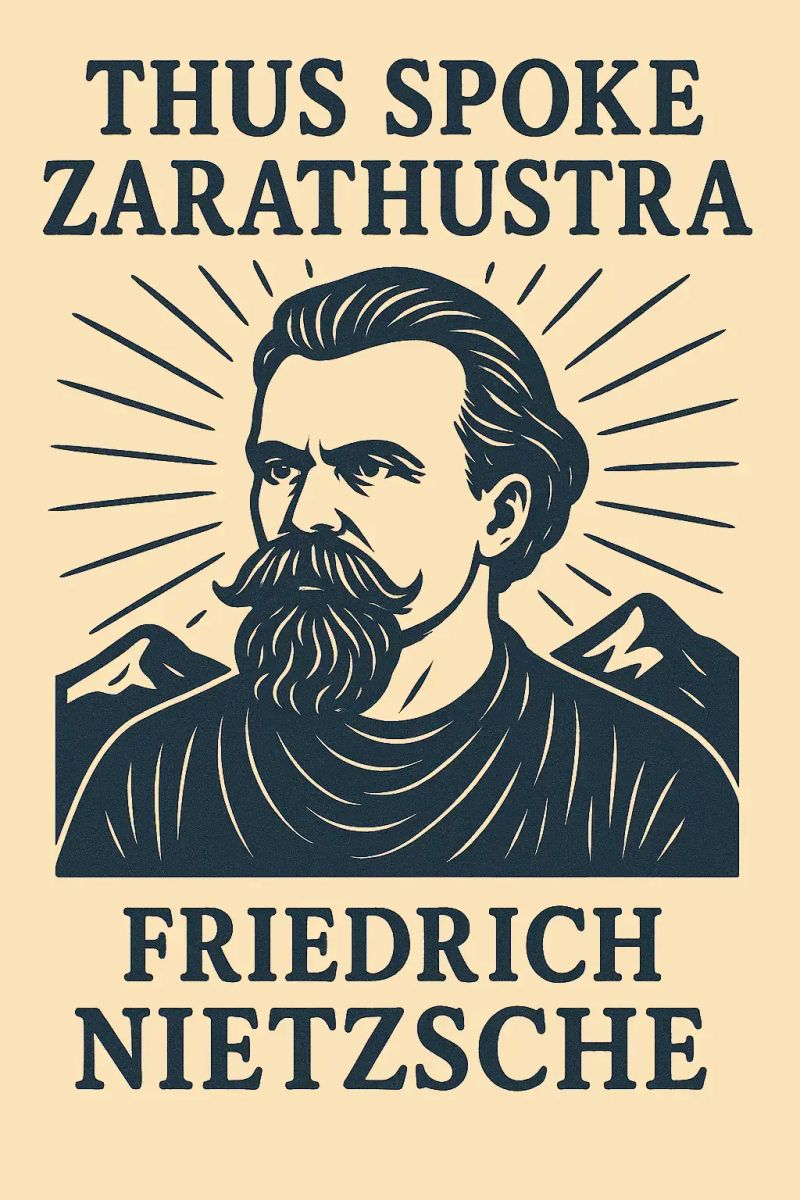
Friedrich Nietzsche wrote "Thus Spoke Zarathustra" between 1883 and 1885, during a period of intense personal isolation and declining health. A former philologist turned radical philosopher, Nietzsche had resigned from his professorship in Basel due to illness and was living a largely itinerant life in Switzerland and Italy. The work emerged in the late 19th century, a time marked by crises of faith, the rise of modern science, and challenges to traditional morality. Nietzsche channeled these tensions into a poetic-philosophical text that broke from academic conventions, adopting the voice of the prophet Zarathustra to explore ideas that would become central to his philosophy. His engagement with ancient Persian religious figures, biblical rhetoric, and classical philosophy reflected his belief that European culture was in need of a radical revaluation of its values.
Thematically, the book wrestles with concepts such as the "death of God," the Übermensch (often translated as "Overman" or "Superman"), the will to power, and the eternal recurrence, all framed in a highly symbolic, aphoristic style. Its blend of visionary prose and philosophical reflection influenced existentialist thought, modernist literature, and later cultural criticism. Initially met with confusion and limited readership, "Thus Spoke Zarathustra" grew in stature during the 20th century, shaping thinkers from Martin Heidegger to Jean-Paul Sartre and inspiring artists, writers, and political movements—though often misinterpreted or appropriated in contexts Nietzsche himself would have resisted. The book remains a challenging and ambiguous work, designed to provoke deep reflection on human potential, morality, and the possibility of creating new values in a disenchanted world.
Audiobook details
GenrePhilosophy
Length8 hrs 59 mins
Narrated byListen with 1,000+ voices
FormateBook with Audio
Publish dateJan 18, 2026
LanguageEnglish
Table of contents
1Introduction Part 1 (pt. 1)
9Introduction Part 6 (pt. 2)
2Introduction Part 1 (pt. 2)
10Introduction Part 7 (pt. 1)
3Introduction Part 2
11Introduction Part 7 (pt. 2)
4Introduction Part 3
12Introduction Part 8 (pt. 1)
5Introduction Part 4
13Introduction Part 8 (pt. 2)
Show all chaptersShow less
6Introduction Part 5 (pt. 1)
14Introduction Part 9 (pt. 1)
7Introduction Part 5 (pt. 2)
15Introduction Part 9 (pt. 2)
8Introduction Part 6 (pt. 1)
16Introduction Part 10
Series

More from Friedrich Nietzsche

Lessons in TruthH. Emilie Cady3h 50m4.5 (2.4K)$20 · $0.00
The Discourses of EpictetusP. E. MATHESOM12h 47m4.4 (17.7K)$1.20 · $0.00
IlluminationsWalter Benjamin10h 12m4.4 (16.2K)$20 · $0.00
That Bird Has My WingsJarvis Jay Masters9h 49m4.4 (13.7K)$29 · $0.00

Tâo Teh KingLaozi2h 34m4.4 (230.9K)$2 · $0.00
SymposiumPlato3h 26m4.4 (97.9K)$1.20 · $0.00

Buddhist Boot CampTimber Hawkeye2h 39m4.4 (8.4K)$18 · $0.00
Enchiridion & The Discourses of Epictetus (Annotated)Arrian Epictetus18h 9m4.4 (3.5K)$2 · $0.00
The Meditations of the Emperor Marcus Aurelius AntoninusEmperor of Rome Marcus Aurelius5h 41m4.4 (1.8M)$1 · $0.00
Crime and PunishmentFyodor Dostoevsky23h 11m4.4 (1.3M)$12 · $0.00
MeditationsMarcus Aurelius5h 52m4.4 (433.7K)$1 · $0.00
Everyday DharmaSuneel Gupta5h 2m4.5 (761)$20 · $0.00
The Joyful Wisdom ("La Gaya Scienza")Friedrich Wilhelm Nietzsche11h 37m4.4 (26.6K)$1 · $0.00
The Art of LivingEpictetus, Sharon Lebell3h 16m4.4 (50.1K)$18 · $0.00
MeditationsEmperor Of Rome Marcus Aurelius7h 23m4.3 (477.5K)$1.20 · $0.00
The Imitation of ChristThomas à Kempis6h 27m4.3 (84.6K)$21 · $0.00

Sadhana: the realisation of lifeRabindranath Tagore3h 49m4.4 (8.6K)$6 · $0.00
SapiensYuval Noah Harari15h 18m4.3 (1.4M) · 1210$33 · $0.00
You BelongSebene Selassie8h 35m4.4 (2.7K)$26 · $0.00
The Song Celestial; Or, Bhagavad-Gîtâ (from the Mahâbhârata)Anonymous2h 18m4.4 (3.2K)$2 · $0.00
You may also like
Paradise RegainedJohn Milton2h 26m3.9 (5K)$1.20 · $0.00
The End of ReligionBruxy Cavey6h 25m4.4 (1.2K)$20
A Portrait of JesusJoseph F. Girzone5h 12m4.2 (377)$14 · $0.00

THUS SPOKE ZARATHUSTRA (Unabridged)Friedrich Nietzsche11h 31m4.2 (207.7K)$1 · $0.00
Thus Spoke ZarathustraFriedrich Nietzsche10h 40m4.2 (251.3K)$5 · $0.00
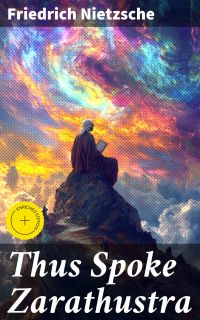
Thus Spoke ZarathustraFriedrich Nietzsche14h 29m4.3 (209.4K)$1 · $0.00
Thus Spoke ZarathustraFriedrich Nietzsche13h 9m4.2 (211.7K)$2.30

Thus Spoke ZarathustraFriedrich Nietzsche10h 44m4.2 (259.6K)$21 · $0.00
Foundations of the Christian Faith, Revised in One VolumeJames Montgomery Boice, Jim Denison31h 57m4.5 (893)$30
The Chosen Book OneAmanda Jenkins, Kristen Hendricks, Dallas Jenkins3h 8m4.6 (4.9K)$10 · $0.00
The martyr of the catacombsJames De Mille3h 43m4.3 (467)$2.30 · $0.00
The Divine ConspiracyDallas Willard18h 3m4.3 (19.5K)$40 · $0.00
I've Been to the MountaintopMartin Luther King48m4.7 (1.4K)$11 · $0.00
My Evolution GuideAldivan Torres2h 42m$5.20 · $0.00
RomansJohn Warwick Montgomery13h 4m$33 · $0.00
Pedro Poveda Man of GodMa Dolores Gómez Molleda1h 28m$4 · $0.00
The Joseph CallingOs Hillman7h 17m4.5 (244)$10 · $0.00
Expositions of Holy Scripture: St. John Chapters I to XIVAlexander Maclaren25h 7m4.5 (22)$1 · $0.00

My Mentor's Radical LoveDonna Johnson1h 43m$15
Walking in the Elijah MandateKenneth C. Spears5h 32m$6