
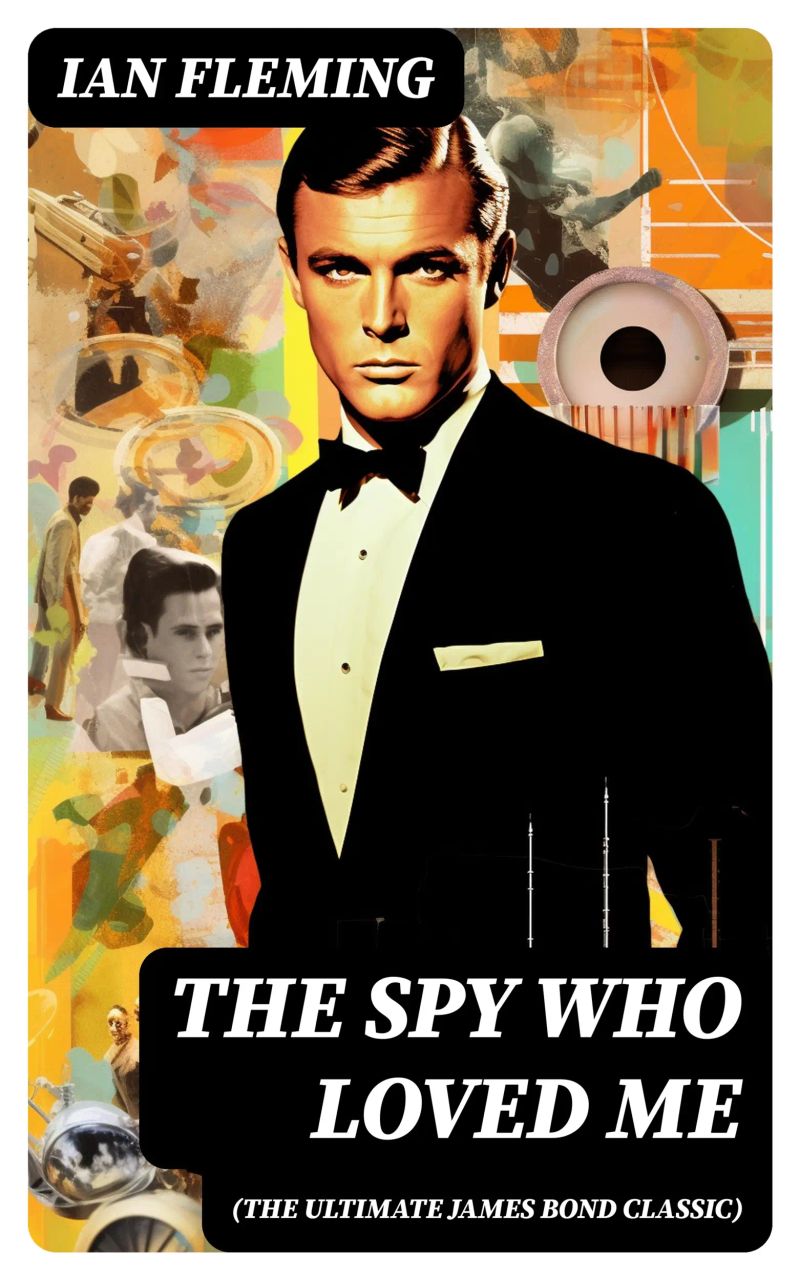
THE SPY WHO LOVED ME (The Ultimate James Bond Classic)
A Passionate and Violent Saga of Love and Duty narrated by a Bond Girl...By Ian Fleming


Length5h 3m
About this audiobook
In 'The Spy Who Loved Me,' Ian Fleming masterfully crafts a narrative that diverges from the conventional espionage tale, presenting a more intimate and psychological exploration of the protagonist's experiences. The story unfolds through the eyes of Vivienne Michel, who recounts her harrowing ordeal while becoming intertwined with the indomitable James Bond. Fleming adopts a fluid literary style, navigating between suspenseful action and reflective contemplation, effectively immersing readers in the duality of love and danger amidst a backdrop of Cold War anxieties. This innovative departure from traditional storytelling not only reveals the complexities of human relationships but also critiques the era's perception of femininity within the spy genre. Fleming, a British author and former naval intelligence officer, drew upon his myriad experiences to produce this thrilling narrative. His encounters with wartime espionage and his understanding of both male and female perspectives in a tumultuous world informed his character-driven approach. As such, 'The Spy Who Loved Me' is not just a conventional Bond novel; it reflects Fleming's broader commentary on vulnerability and strength in relationships during a time of shifting gender dynamics. Readers seeking a unique entry point into the James Bond saga will find 'The Spy Who Loved Me' to be an essential and enriching addition to Fleming's canon. It invites not only fans of action-packed narratives but also those appreciating complex character studies, making it a provocative read that challenges and expands the conventions of its genre.
Audiobook details
Rating★★★★ 3.5 (21.1K)
Includes Goodreads, LibraryThing, Amazon, StoryGraph
GenreMystery and Thriller, Romance
Length5 hrs 3 mins
Narrated byListen with 1,000+ voices
FormateBook with Audio
Publish dateDec 8, 2023
LanguageEnglish
Table of contents
11. Scaredy Cat
22. Dear Dead Days
33. Spring's Awakening
44. 'Dear Viv'
55. A Bird with a Wing Down
Show all chaptersShow less
66. Go West, Young Woman
77. 'Come into My Parlour . . . '
88. Dynamite from Nightmare-land
99. Then I Began to Scream
1010. Whassat?
1111. Bedtime Story
1212. To Sleep—Perchance to Die!
1313. The Crash of Guns
1414. Bimbo
1515. The Writing on My Heart

عملية كرة الرعدIan Fleming9h 36m4.0 (29.9K)$16 · $0.00

الأخطبوطيIan Fleming1h 12m3.7 (17)$16 · $0.00
The Collected Works of Ian Fleming (Annotated)Ian Fleming105h 28m$2 · $0.00

I AM BOND, JAMES BOND – The Books Behind The Movies: Premium Collection – 20 Titles in One Volume (Annotated)Ian Fleming101h 33m4.5 (1.1K)$2 · $0.00

007 Complete Series - 21 James Bond Novels in One Volume (Annotated)Ian Fleming102h 36m$2 · $0.00
GUNS N' QUEEN: The James Bond Trilogy (Mystery & Espionage Series) (Annotated)Ian Fleming22h 29m$2 · $0.00

YOU ONLY LIVE TWICE (James Bond Classic) – Mystery & Espionage Series (Annotated)Ian Fleming8h 45m4.0 (75.6K)$2 · $0.00

IAN FLEMING Ultimate Collection: Complete James Bond Series, Chitty Chitty Bang Bang Series & Autobiographical Works (Annotated)Ian Fleming105h 4m$2 · $0.00

CHITTY-CHITTY-BANG-BANG: Complete Trilogy in One Volume (Annotated)Ian Fleming3h 51m$2 · $0.00

JAMES BOND VS SUPER VILLAINS – Premium Spy Classics Collection (Annotated)Ian Fleming43h 40m$2 · $0.00
GoldfingerIan Fleming9h 17m3.9 (38.5K)$2 · $0.00

JAMES BOND 007 Complete Collection – 21 Action Packed Titles in One Volume (Mystery & Espionage Series)Ian Fleming102h 19m$1 · $0.00
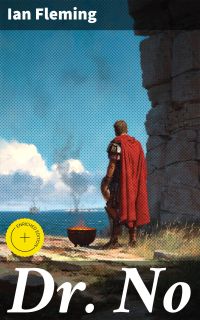
Dr. NoIan Fleming9h 37m3.9 (35.3K)$2 · $0.00

The Man with the Golden GunIan Fleming5h 25m3.8 (20.1K)$2 · $0.00
JAMES BOND 007 Complete Collection – 21 Action Packed Titles in One Volume (Mystery & Espionage Series)Ian Fleming101h 19m$2 · $0.00
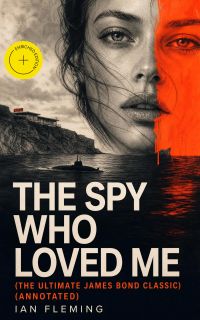
THE SPY WHO LOVED ME (The Ultimate James Bond Classic) (Annotated)Ian Fleming6h 45m$2 · $0.00

JAMES BOND 007 Complete CollectionIan Fleming102h 36m4.5 (3.1K)$2 · $0.00

The Ultimate Bond SeriesIan Fleming101h 18m$2 · $0.00

GoldfingerIan Fleming9h 17m4.0 (38.7K)$2 · $0.00
The Adventures of Sherlock Holmes (Complete Edition)Arthur Conan Doyle12h 41m4.6 (286.7K)$1.99 · $0.00
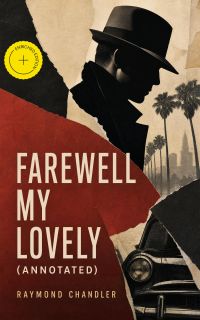
Farewell My Lovely (Annotated)Raymond Chandler10h 37m4.6 (1.2K)$2 · $0.00
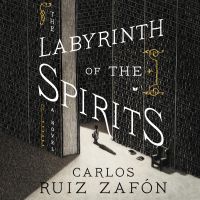
The Labyrinth of the SpiritsCarlos Ruiz Zafon27h 55m4.5 (77.2K)$53 · $0.00

Olympic Mountain PursuitJodie Bailey5h 55m4.6 (638)$12 · $0.00

Glen AffricKarine Giebel22h 51m4.5 (3.2K)$46 · $0.00

Deadly Badlands PursuitSharee Stover5h 53m4.6 (361)$12 · $0.00

Crime and Punishment (The Unabridged Garnett Translation) (Annotated)Fyodor Dostoevsky24h 25m4.5 (15.4K)$1.99 · $0.00

Three ComradesErich Maria Remarque15h 50m4.5 (47.3K)$2 · $0.00

AngelAnita Waller10h 30m4.6 (672)$30 · $0.00

The BorderDon Winslow29h 8m4.5 (35.7K)$53 · $0.00
FlashpointCatherine Coulter11h 38m4.5 (11.6K)$29 · $0.00
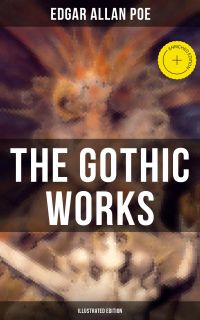
The Gothic Works of Edgar Allan Poe (Illustrated Edition)Edgar Allan Poe21h 5m4.5 (2.9K)$1.99 · $0.00

The Man in the Brown Suit & They Came to BaghdadAgatha Christie15h 43m4.6 (495)$33 · $0.00

Fang Si-Chi's First Love ParadiseYi-Han Lin8h 25m4.5 (4K)$26 · $0.00
The Rose CodeKate Quinn16h 2m4.4 (493.7K)$33 · $0.00
No Woman Left BehindJulie Moffett8h 49m4.5 (3K)$25 · $0.00

CovertJanie Crouch6h 15m4.5 (2K)$12 · $0.00
Cold Case InvestigationNicole Helm5h 30m4.6 (321)$5 · $0.00

The ReunionJana DeLeon6h 31m4.5 (1.6K)$12 · $0.00
Courage Under FireSharon Dunn5h 50m4.5 (730)$24 · $0.00

The ReunionJana Deleon6h 31m4.6 (1.6K)$26 · $0.00
Something Like LoveBeverly Jenkins10h 21m4.6 (2.7K)$29 · $0.00

Wishes from the HeartSophie Mays4h 9m4.7 (344)$15 · $0.00

Blizzard ShowdownShirlee McCoy5h 16m4.6 (1.1K)$12 · $0.00

To Hold and ProtectSandra Owens7h 59m4.6 (1.1K)$8 · $0.00

Arctic WitnessHeather Woodhaven5h 46m4.6 (985)$12 · $0.00
Following the TrailLynette Eason6h 35m4.6 (2.3K)$12 · $0.00

Defending from DangerJodie Bailey5h 46m4.6 (588)$24 · $0.00

White HotIlona Andrews13h 18m4.5 (136.9K)$5 · $0.00

Explosive RevengeMaggie K. Black6h 18m4.6 (545)$12 · $0.00

Her Brand of JusticeB.J. Daniels6h 48m4.6 (1.3K)$12 · $0.00

Search And DetectTerri Reed5h 51m4.6 (706)$24 · $0.00

Driving ForceElle James4h 58m4.6 (407)$20 · $0.00

Danger in the WildernessDarlene L. Turner6h 54m4.7 (299)$12 · $0.00

Yukon JusticeDana Mentink6h 15m4.6 (751)$12 · $0.00

The Rogue WarriorCindy Roland Anderson5h 44m4.6 (410)$17 · $0.00

Her Duty Bound DefenderSharee Stover6h 30m4.6 (1.1K)$24 · $0.00

Trail Of ThreatsJessica R. Patch5h 47m4.6 (425)$24 · $0.00
Ironwood, a Fae Universe SeriesAlessa Thorn26h 57m4.6 (835)$30 · $0.00

Ready to ProtectValerie Hansen5h 38m4.6 (981)$24 · $0.00
You may also like
The Light of DayEric Ambler7h 25m3.9 (3.2K)$20

The Dawn Prayer (or How to Survive in a Secret Syrian Terrorist Prison)Matthew Schrier9h 46m4.3 (528)$20 · $0.00

Up at the VillaW. Somerset Maugham4h 33m3.9 (11.1K)$1 · $0.00
The Desert and the SeaMichael Scott Moore12h 7m4.2 (4.5K)$29 · $0.00

The StreetAnn Petry13h 25m4.4 (23.6K)$33 · $0.00
An Honorable AssassinSteve Hamilton8h 23m4.1 (1.7K)$20

Weekends at BellevueJulie Holland10h 54m3.8 (9.9K)$29 · $0.00
Golden StateMichelle Richmond9h 21m3.6 (2.2K)$20

Cloud GirlsLisa Harding10h 46m4.0 (906)$29 · $0.00
Put a Lid on ItDonald E. Westlake6h 54m4.0 (1.2K)$26

DempseyJeffrey Wilson, Brian Andrews12h 15m4.5 (6.1K)$25
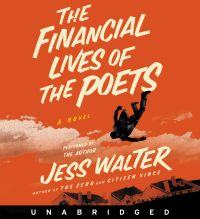
The Financial Lives of the PoetsJess Walter7h 56m3.5 (24K)$26 · $0.00

The Paris WidowKimberly Belle10h 24m3.8 (16.7K)$29 · $0.00

No One Will KnowRose Carlyle10h 40m3.8 (4.5K)$8 · $0.00

Punk’s FightWard Carroll10h 28m4.6 (796)$20
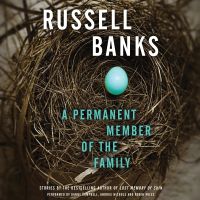
A Permanent Member of the FamilyRussell Banks5h 58m3.7 (2K)$24 · $0.00

The Secret SharerJoseph Conrad1h 46m3.8 (10.3K)$0.60 · $0.00
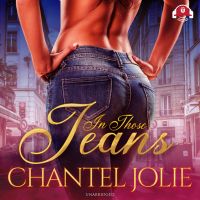
In Those JeansChantel Jolie6h 22m4.2 (690)$17

SecretJanie Crouch6h 8m4.4 (1.2K)$24 · $0.00
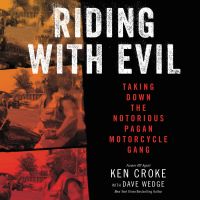
Riding with EvilKen Croke, Dave Wedge9h 42m4.3 (3.4K)$29 · $0.00