
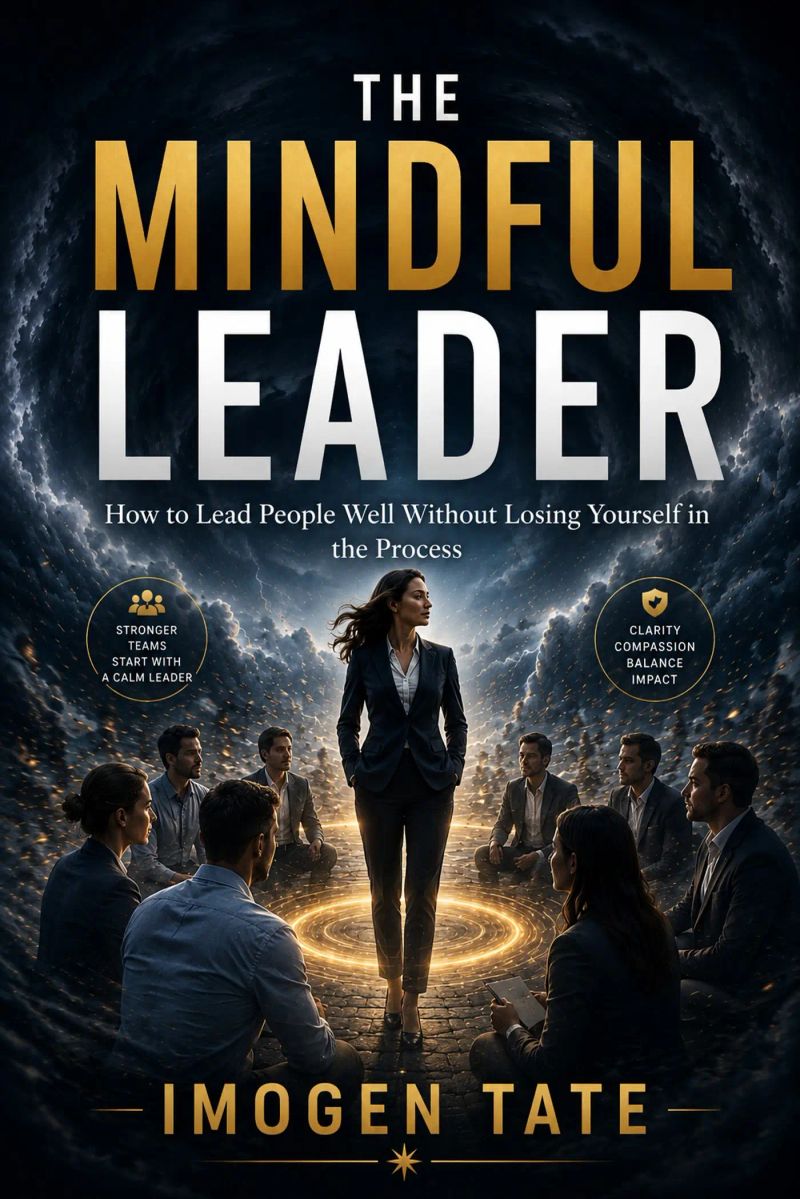
The Mindful Leader
How to Lead People Well Without Losing Yourself in the JobBy Imogen Tate

Length8h 32m
About this audiobook
Mindful leadership book for new managers and first-time managers: how to lead people well without losing yourself, build trust through listening, give feedback that lands, and survive your first five years managing people.
Six weeks into her promotion to medical director, Priya was not sleeping. She had been an exceptional clinician for fourteen years. Now she was overseeing thirty-one people, four of whom had been her peers a month ago, and she said without any particular drama: "I don't know who I am at work anymore." Executive coach Imogen Tate had heard this exact sentence before — from engineers in Seattle, founders in Brooklyn, directors in Minneapolis. This book is for Priya, and for you, if you recognize anything in that story.
Most leadership advice is written for people who already speak loudly. This practical management book is for everyone else. Over 14 years of one-on-one executive coaching, Tate found the same pattern: managers did not have a knowledge problem. They knew, abstractly, what to do. They were not doing it — because no one had taught them to manage their own inner state while managing other people. This book closes that gap across 22 chapters: the shift from performance to presence, open listening as the rarest skill in professional life, the one-on-one that does not waste an hour, feedback that lands without crushing, delegating without becoming the bottleneck, and how to lead through change you did not choose. Every chapter ends with one small "Try this" you can run at work tomorrow.
Inside this leadership and management book:
• Presence before performance — Three moves (threshold pause, first-look noticing, simple silence) shift your inner camera from watching yourself lead to watching what is actually happening; "the substrate on which every other skill in this book depends"
• Open listening vs. advice listening — The single rarest skill in professional life: "giving over a real share of your processing power to the other person" so the second question comes from what they said, not what you pre-loaded
• The one-on-one that doesn't waste an hour — Driven by the direct report's agenda; "you are building, in these hours, the substrate on which the rest of your leadership rests" — trust that makes crises manageable
• Feedback that lands without crushing — Five principles: specific behavior (not character), within 48 hours, always private, one piece at a time, with a concrete alternative — plus word-for-word opening scripts
• Delegating without becoming the bottleneck — Addresses the three emotional drivers behind not letting go and the "recall pattern" failure mode managers never see coming
• Burnout early-warning system — Early, middle, and late signs for your team and for yourself, with three actions that prevent a manageable problem from becoming a crisis
• Year-by-year map for the first five years — Year one: survival. Year two: settling. Year three: confidence. Year four: compounding. Year five: synthesis — so you know when what you're feeling is normal
This is not the corporate-wellness version of mindfulness; there is no app to download. What Tate means by mindful is narrower and older: noticing the rise of your own irritation before it leaves your mouth, knowing the difference between a decision you are making because it is right and one you are making because you want the discomfort in your chest to go away. Five extended case studies, a practical toolkit of scripts and frameworks, letters to specific kinds of new managers, and a complete year-by-year…
Audiobook details
GenreBusiness and Economics
Length8 hrs 32 mins
Narrated byListen with 1,000+ voices
FormateBook with Audio
Publish dateSep 29, 2026
LanguageEnglish
Table of contents
1Introduction
2The Manager You Already Are (And the One You’re Becoming) . 11 Why Most Leadership Training Doesn’t Stick
3Presence Before Performance
4Listening as the Core Leadership Skill
5The One-on-One That Doesn’t Waste an Hour
Show all chaptersShow less
6Feedback That Lands and Doesn’t Crush
7The Hard Conversation That You Keep Postponing
8Delegating Without Becoming the Bottleneck
9Hiring: The Decision That Sets Everything Else
10Letting Someone Go With Dignity Intact (Theirs and Yours)
11Managing Up Without Becoming Sycophantic
12Cross-Functional Leadership: Influencing Without Authority
13Running Meetings People Don’t Resent
14The Email Cadence That Maintains Trust
15Conflict on the Team: Spotting It, Naming It, Resolving It
16The Burnout You’re About to Cause (Yourself or Someone Else) . 97 Decisions Under Pressure: Staying Anchored
17The Performance Review That Doesn’t Demoralize Either of You 10 8 Coaching, Not Managing: When to Shift Modes
18Building a Team Culture That Survives You
19Leading Through Change When You Did Not Choose It
20The Career Conversation You’re Probably Avoiding
21Money, Promotions, and the Conversations No One Teaches You 137 The Long Game: Becoming the Manager People Remember
22Case Studies: Five Leaders, Five Years In
23Common Questions From First-Time Managers
24A Practical Toolkit: Scripts, Frameworks, and Reflections
25Letters to Specific Kinds of New Managers
26Year by Year: What to Expect in Your First Five Years
27Notes on Topics I Have Not Yet Addressed Directly
28Conclusion
29About the Author
More from Imogen Tate

Never Split the DifferenceChris Voss, Tahl Raz8h 7m4.4 (277.7K)$26 · $0.00
The Intelligent Investor Rev Ed.Benjamin Graham17h 48m4.3 (191.5K)$40 · $0.00
The Hard Thing About Hard ThingsBen Horowitz7h 57m4.2 (134.3K)$26 · $0.00
Boundaries for LeadersHenry Cloud7h 36m4.3 (3.6K)$26 · $0.00
Level UpRob Dial7h 42m4.6 (3.3K)$26 · $0.00
Eat It!Jordan Syatt, Michael Vacanti4h 40m4.6 (1.5K)$20 · $0.00

Progress and Poverty, Volumes I and II (Annotated)Henry George19h 21m4.6 (574)$1.99 · $0.00
Not Everything Counts but Everything Matters: The powerful and inspirational new book about leadership and achieving success from the visionary multi-premiership winning Panthers coachIvan Cleary6h 1m4.6 (680)$24 · $0.00
BuildTony Fadell11h 5m4.5 (14.3K)$8 · $0.00
The Joys Of CompoundingGautam Baid17h 34m4.5 (2.5K)$18 · $0.00
Basic EconomicsThomas Sowell18h 32m4.5 (29.3K)$28 · $0.00

Poor Charlie’s AlmanackGrover Gardener, Charles T. Munger13h 9m4.5 (24.7K)$18 · $0.00

The Ambuja StoryNarotam Sekhsaria13h 59m4.5 (830)$33 · $0.00

The Secret Door to SuccessFlorence Scovel Shinn2h 25m4.5 (2.1K)$1.20 · $0.00

This Is Going to HurtAdam Kay5h 47m4.4 (444.7K)$24 · $0.00

Big TrustShadé Zahrai, Fayçal Sekkouah8h 36m4.6 (406)$26 · $0.00
The Intelligent Investor Third EditionBenjamin Graham, Jason Zweig20h4.4 (156.6K)$46 · $0.00

Bottle of LiesKatherine Eban14h 25m4.4 (12K)$33 · $0.00

The Antiracist Business BookTrudi Lebrón6h 10m4.6 (275)$17 · $0.00
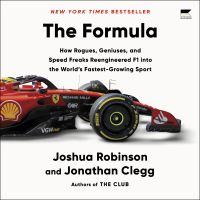
The FormulaJoshua Robinson, Jonathan Clegg10h 41m4.4 (6.9K)$29 · $0.00
You may also like
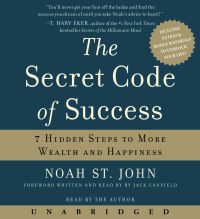
The Secret Code of SuccessNoah St. John5h 47m4.1 (869)$24 · $0.00
Nicomachean Ethics (Annotated)Aristotle11h 23m4.2 (344)$2 · $0.00
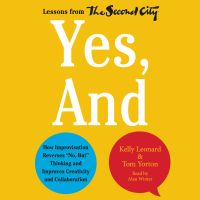
Yes, AndKelly Leonard, Tom Yorton7h 19m3.9 (2K)$24 · $0.00

Burn the HaystackJennie Young, PhD9h 30m4.6 (543)$29 · $0.00

Becoming CliterateLaurie Mintz7h 48m4.3 (4.3K)$26 · $0.00
Liminal ThinkingDave Gray3h 10m4.1 (3.9K)$17
The Unsold MindsetColin Coggins, Garrett Brown7h 14m4.3 (395)$24 · $0.00
Truth Without ApologyAcharya Prashant6h 41m4.8 (2.2K)$18 · $0.00

Love MeMarianne Power11h 24m4.1 (496)$29 · $0.00
TANTRA - The Supreme UnderstandingOSHO16h 43m4.4 (2.1K)$20 · $0.00

The God in You (Unabridged) (Annotated)Prentice Mulford4h 11m4.2 (394)$1.99 · $0.00

Smart SexEmily Morse8h 37m4.2 (1.9K)$25 · $0.00
MotivatedIlana Seidel Horn5h 5m4.3 (98)$20
The Leader WithinWillow R. Stone7h 52m$6.40 · $0.00
Collaboration in FlowNadja Schnetzler, Laurent Burst6h 56m$31 · $0.00
What does it mean to be totally free?Jiddu Krishnamurti1h 36m$4 · $0.00
Speak With AuthorityAdriAn HAllorAn9h 38m$7

No One’s Eulogy Mentions Their KPIsIsla T. Fairbanks2h 58m$4.10 · $0.00

Brockwood Park 1969 - Public Discussion 2 - Can I live completely without resistance?Jiddu Krishnamurti1h 24m$6 · $0.00

All Women WantAlyx Gorman11h4.4 (68)$29 · $0.00