
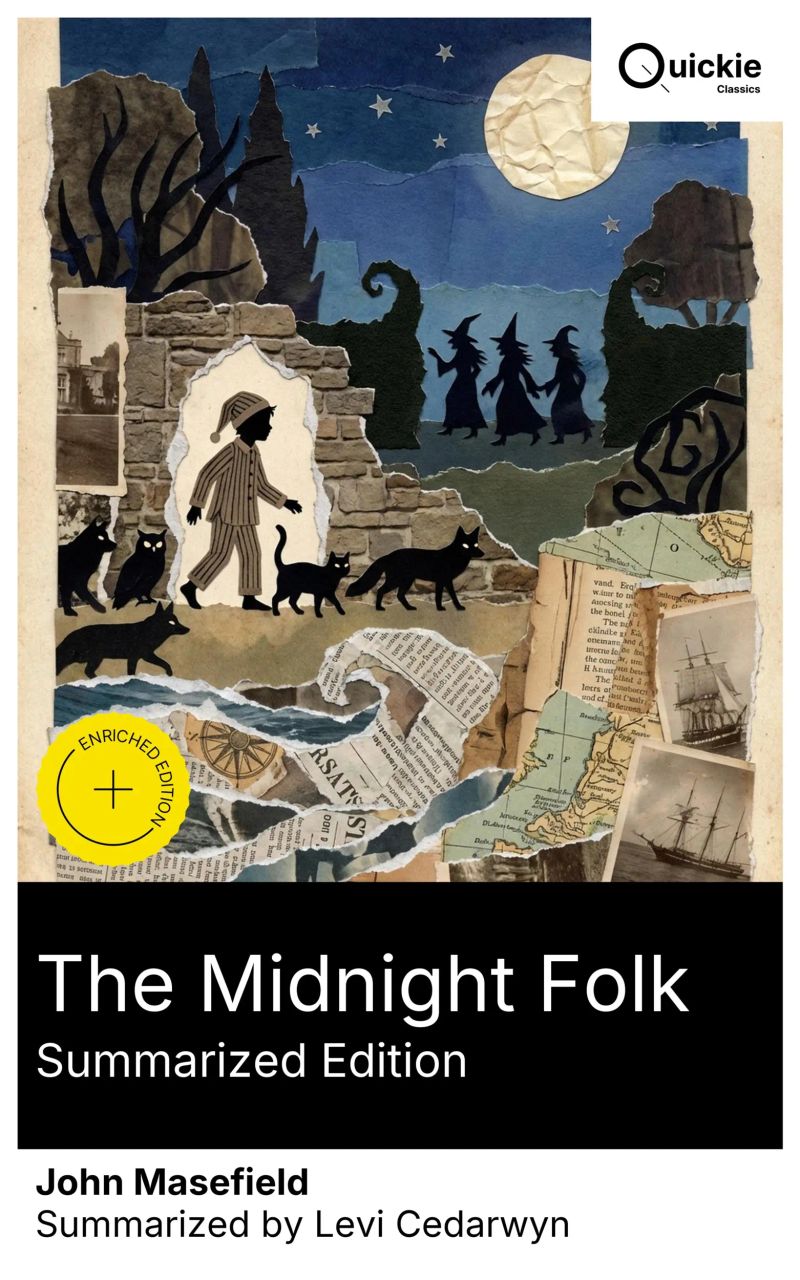
The Midnight Folk (Summarized Edition)
Enriched edition. A children's fantasy of talking animals, witches' coven, magical creatures, and a treasure-hunting quest by land and seaBy John Masefield


Length3h 12m
About this audiobook
The Midnight Folk (1927) follows Kay Harker through nocturnal quests to recover a lost family treasure while evading a coven of witches and other treasure-hunters. Masefield braids quest with dream logic: walls yield, portraits speak, animals advise, and time thins so the boy enters the past. The prose is lyrical, studded with songs and ballads, and steeped in English folklore; the book stands between E. Nesbit's domestic enchantments and later children's fantasy, and prefigures The Box of Delights. As Poet Laureate and former seafarer, Masefield brought to children's fiction the music of chant and shanty, a mariner's appetite for maps and coasts, and the Herefordshire landscape of his youth. Ballads like Sea-Fever and an ear trained by oral storytelling shape the novel's quick shifts of register and its mingling of peril with rapture. Written in the interwar years, it answers a hunger for continuity, imagining heritage recovered through courage, memory, and song. Readers seeking classic fantasy with genuine strangeness will find The Midnight Folk a marvel: rigorous in craft, generous in wonder, and quietly radical in its trust of a child's agency. It rewards scholars of children's literature and delights anyone who savors folklore-haunted adventure told in luminous, lyrical prose.
Quickie Classics summarizes timeless works with precision, preserving the author's voice and keeping the prose clear, fast, and readable—distilled, never diluted. Enriched Edition extras: Introduction · Synopsis · Historical Context · Brief Analysis · 4 Reflection Q&As · Editorial Footnotes.
Audiobook details
GenreChildren's Literature
Length3 hrs 12 mins
Narrated byListen with 1,000+ voices
FormateBook with Audio
Publish dateApr 3, 2026
LanguageEnglish
Table of contents
1Introduction
5The Midnight Folk (pt. 1)
2Introduction
6The Midnight Folk (pt. 2)
3Synopsis
7Analysis
4Historical Context
8Reflection
More from John Masefield
The Box of Delights; or, When the Wolves were Running (Annotated)John Masefield10h 30m$2 · $0.00
Selected Poems (Annotated)John Masefield4h 9m4.5 (12)$2 · $0.00

Captain MargaretJohn Masefield8h 1m3.5 (62)$1 · $0.00
Dauber: A PoemJohn Masefield2h 21m4.2 (37)$2 · $0.00

The Everlasting MercyJohn Masefield2h 21m4.2 (14)$1 · $0.00
William ShakespeareJohn Masefield5h 1m3.8 (190)$2 · $0.00

Selected PoemsJohn Masefield2h 58m4.2 (213)$1 · $0.00
The Box of Delights; or, When the Wolves were RunningJohn Masefield9h 42m4.1 (6.3K)$1 · $0.00

Salt-Water BalladsJohn Masefield2h 1m4.0 (22)$2 · $0.00
Martin Hyde, the Duke's MessengerJohn Masefield7h 48m3.9 (18)$2 · $0.00
The Box of Delights; or, When the Wolves were RunningJohn Masefield10h 22m4.2 (9.7K)$2 · $0.00
The Nine Days Wonder (The Operation Dynamo)John Masefield1h 48m4.1 (10)$2 · $0.00
The Old Front LineJohn Masefield52m3.8 (185)$2 · $0.00

JIM DAVIS (Annotated)John Masefield5h 49m3.9 (1.7K)$0.99 · $0.00
Jim DavisJohn Masefield5h 50m3.9 (1.5K)$1.99 · $0.00
The Midnight Folk (Annotated)John Masefield8h 19m4.2 (48)$0.99 · $0.00
Bible 09: 1 SamuelKing James2h 28m4.6 (1.6K)$12 · $0.00
The Complete Works of Beatrix Potter: 22 Children's Books with Original IllustrationsBeatrix Potter5h 3m4.6 (3.9K)$1.99 · $0.00
The Violet Fairy Book (Annotated)Andrew Lang11h 39m4.7 (304)$2 · $0.00
Little Lord Fauntleroy (Annotated)Frances Hodgson Burnett7h 56m4.6 (1.5K)$0.99 · $0.00
The Nutcracker and The Mouse King (Annotated)E.T.A. Hoffmann4h 4m4.6 (1.5K)$2 · $0.00
REBECCA OF SUNNYBROOK FARM & NEW CHRONICLES OF REBECCA (Children's Book Classics) (Annotated)Kate Douglas Wiggin15h 32m4.6 (1.4K)$0.99 · $0.00
Just William (Illustrated) (Annotated)Richmal Crompton6h 30m4.6 (1.2K)$2 · $0.00
The Labors of Hercules BealGary D. Schmidt8h 17m4.6 (10.4K)$8 · $0.00
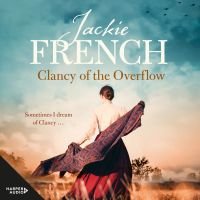
Clancy of the Overflow (The Matilda Saga, #9)Jackie French14h 24m4.6 (471)$33 · $0.00
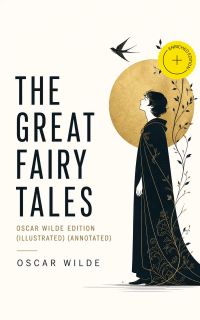
The Great Fairy Tales - Oscar Wilde Edition (Illustrated) (Annotated)Oscar Wilde6h 31m4.6 (1.1K)$2 · $0.00
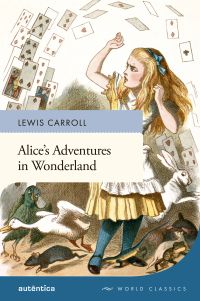
Alice's Adventures in WonderlandLewis Carroll3h4.5 (5.9K)$7.99 · $0.00

The Boy Who Followed His Father into AuschwitzJeremy Dronfield6h 54m4.5 (28.5K)$24 · $0.00
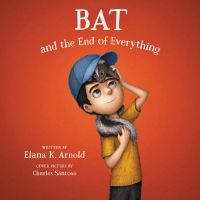
Bat and the End of EverythingElana K. Arnold2h 40m4.6 (2.3K)$18 · $0.00
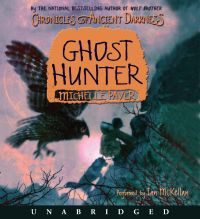
Chronicles of Ancient Darkness #6: Ghost HunterMichelle Paver6h 20m4.5 (11.7K)$24 · $0.00
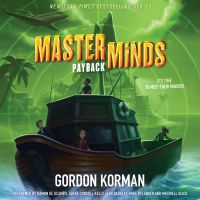
Masterminds: PaybackGordon Korman6h 51m4.5 (5.8K)$24 · $0.00
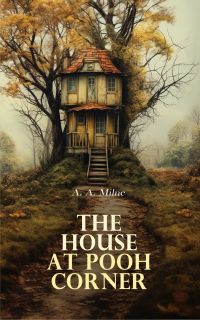
The House at Pooh CornerA. A. Milne, E. H. Shepard3h 6m4.5 (107.8K)$2 · $0.00

Anne of Green Gables (Annotated)Lucy Maud Montgomery13h 1m4.5 (2.8K)$2 · $0.00
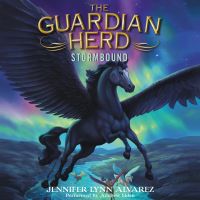
The Guardian Herd: StormboundJennifer Lynn Alvarez6h 19m4.5 (2.3K)$24 · $0.00
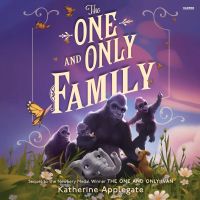
The One and Only FamilyKatherine Applegate3h 14m4.5 (7.5K)$18 · $0.00
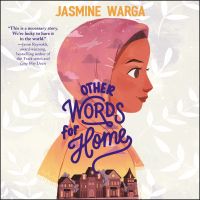
Other Words for HomeJasmine Warga3h 50m4.5 (42.8K)$20 · $0.00
You may also like
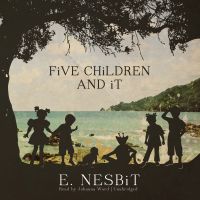
Five Children and ItE. Nesbit5h 36m4.0 (36.9K)$14
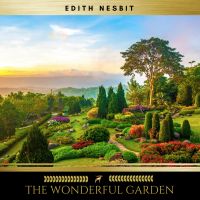
The Wonderful GardenEdith Nesbit8h 35m4.0 (569)$1 · $0.00
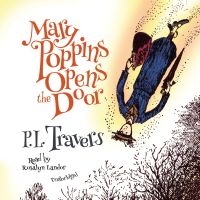
Mary Poppins Opens the DoorP. L. Travers5h 31m4.3 (10.5K)$17
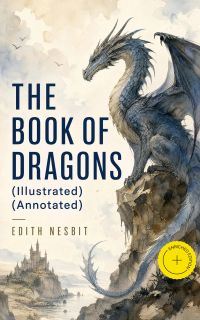
THE BOOK OF DRAGONS (Illustrated) (Annotated)Edith Nesbit5h 46m4.0 (5K)$2 · $0.00
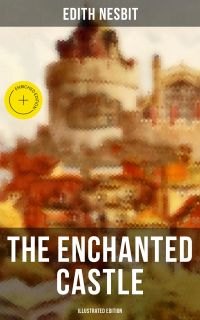
THE ENCHANTED CASTLE (Illustrated Edition)Edith Nesbit9h 30m4.1 (10.8K)$1.99 · $0.00
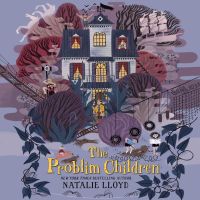
The Problim ChildrenNatalie Lloyd5h 30m3.9 (2.1K)$24 · $0.00
AqualiciousVictoria Kann9m3.9 (2.2K)$4 · $0.00
Peter PanJames Matthew Barrie4h 46m4.2 (429.9K) · 1429Free
Rootabaga PigeonsCarl Sandburg2h 44m4.1 (614)$1 · $0.00
The TakeoutTracy Badua5h 33m4.1 (437)$24 · $0.00

Peter PanJ. M. Barrie5h4.2 (443.6K)$12 · $0.00
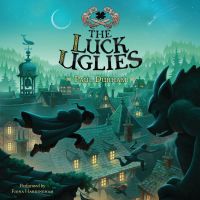
The Luck UgliesPaul Durham8h 25m4.2 (3.9K)$26 · $0.00
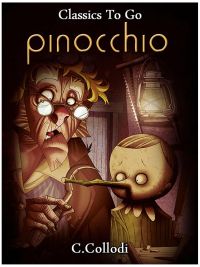
Pinocchio - The Tale of a PuppetCarlo Collodi4h 45m4.0 (103.4K)$2.30
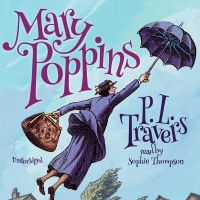
Mary PoppinsP. L. Travers3h 50m4.1 (169.3K)$17
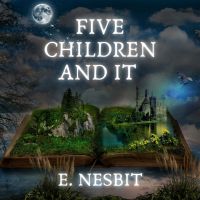
Five Children and ItE. Nesbit5h 14m4.0 (40.3K)$6 · $0.00
The Box of Delights; or, When the Wolves were RunningJohn Masefield9h 42m4.1 (6.3K)$1 · $0.00
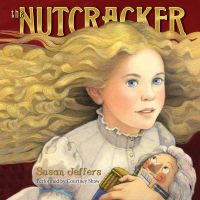
The NutcrackerSusan Jeffers7m4.5 (3.8K)$4 · $0.00
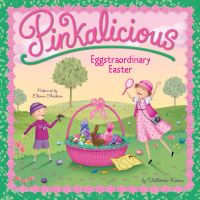
Pinkalicious: Eggstraordinary EasterVictoria Kann10m4.2 (1.7K)$4 · $0.00
Half-Hours with JimmieboyJohn Kendrick Bangs3h 56m4.4 (11)$2.30
THE THREE C'S (Illustrated Edition)Edith Nesbit9h 32m3.9 (200)$1.99 · $0.00