
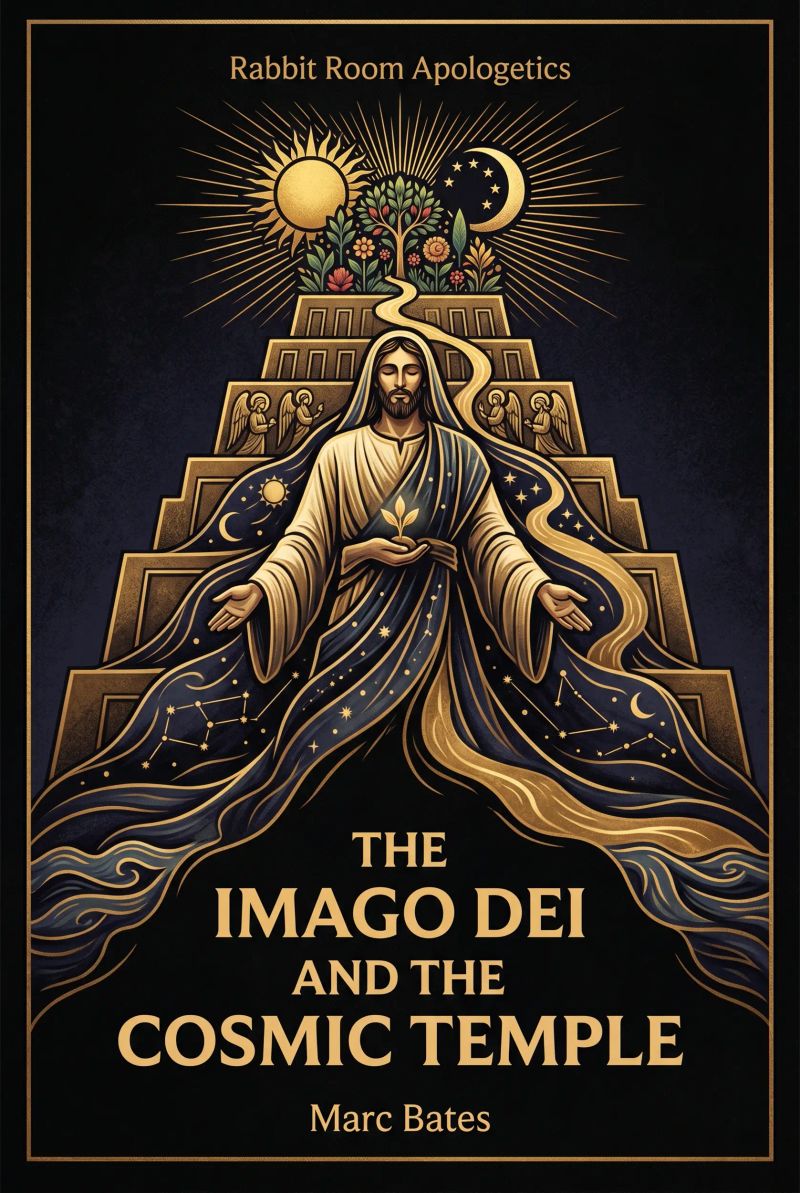
The Imago Dei and the Cosmic Temple: A Theological Anthropology Review
By Marc Bates


Length1h 7m
About this audiobook
The Imago Dei and the Cosmic Temple: A Theological Anthropology Review by Marc Bates explores human identity through the ancient Hebraic worldview, setting aside Western philosophical frameworks. The book argues the imago Dei is an endowed ontological identity, designating humanity as God's royal-priestly representatives within the "cosmic temple" of creation. Bates structures his review around key themes:The Cosmic Temple: Genesis 1 is the functional inauguration of the cosmos as sacred space. The Imago Dei: Human identity is an indestructible divine decree, ensuring dignity regardless of ability. Fracture and Restoration: The text traces the disruption of sacred space through three cosmic rebellions (Eden, Watchers, Babel). Eschatological Fulfillment: The narrative culminates in God's "promise-plan" through the Messiah, who eternally restores humanity's vocation.
Audiobook details
GenreSpirituality and Religion
Length1 hr 7 mins
Narrated byListen with 1,000+ voices
FormateBook with Audio
Publish dateJun 20, 2026
LanguageEnglish
Table of contents
1Introduction: The Epistemological Divide and the Human Predicament
2Chapter 1: The Inauguration of the Cosmic Temple
3The Epistemological Divide and the Problem of Modern Imposition
4Functional Origins: Bringing Order to Tohu Wabohu
5The Architecture of Forming and Filling
Show all chaptersShow less
6The Climax of Creation: Divine Rest and Temple Inauguration
7Conclusion: Setting the Stage for the Promise-Plan
8Chapter 2: The Ontological Identity of the Imago Dei
9Deconstructing Capacity-Based Anthropologies
10The Hebraic Cognitive Environment of Tselem
11The Divine Council and the Democratization of the Image
12Vocation, Rebellion, and the Promise-Plan
13Chapter 3: The Edenic Sanctuary and the Royal-Priestly Vocation
14The Teleological Architecture of Eden: From Pastoral Park to Cosmic Mountain
15The Blueprint of Sacred Space
16The Democratized Royal-Priestly Vocation
17Cosmic Rebellion and the Promise-Plan Trajectory
18Chapter 4: Cosmic Rebellion and the Fracture of Sacred Space
19The Methodological Necessity of the Three Rebellions
20The Supernatural Antagonist and the Divine Council
21The Anatomy of the Fracture: Autonomy vs. Covenantal Trust
22The Persistence of the Imago Dei
23Conclusion: The Initiation of the Promise-Plan
24Conclusion: The Promise Plan and the Eschatological Temple
25The Teleological Arc of Sacred Space
26The Organic Unity of the Promise-Plan
27The Last Adam and the Cleansing of the Cosmic Temple
28The Eschatological Consummation: Ruling in the Restored Cosmos
29Appendix
30Endnotes
31Bibliography
More from Marc Bates

Loved BabySarah Philpott4h 51m4.8 (1.4K)$10 · $0.00

The QuranAllah23h 7m4.7 (136.1K)$1 · $0.00

The Secret of the RosaryLouis de Montfort6h 1m4.7 (16K)$2 · $0.00

The Holy Qur-an: Text, Translation and CommentaryAbdullah Yusuf Ali22h 16m4.7 (133K)$1 · $0.00

All of Grace (Annotated)Charles Spurgeon5h 1m4.7 (1.3K)$1.99 · $0.00
Steps to ChristEllen G. White3h 12m4.7 (13.8K)$2 · $0.00
The Doctrine and Selected CovenantsJoseph Smith13h 53m4.7 (10.4K)$1.99 · $0.00

Sinners in the Hands of an Angry God & Other Sermons (Annotated)Jonathan Edwards7h 51m4.7 (1.5K)$2 · $0.00

Swayam Ki AwaazPrem Rawat8h 34m4.7 (1.1K)$26 · $0.00

Behind the BadgeAdam Davis10h 18m4.7 (2.7K)$10 · $0.00
The New Human Revolution, vol. 1Daisaku Ikeda7h 46m4.7 (669)$12 · $0.00

You Are Worth ItKyle Carpenter, Don Yaeger8h 53m4.7 (4.8K)$29 · $0.00
Praying GraceDavid A. Holland3h 2m4.7 (658)$10 · $0.00

Evidence Not SeenDarlene Deibler Rose11h 11m4.6 (11.9K)$29 · $0.00
The Christ KeyChad Bird, Chad Bird7h 33m4.7 (592)$17.40 · $0.00
He and IGabrielle Bossis10h 12m4.7 (554)$17 · $0.00

Your Body Already KnowsNidhi Pandya Bhanshali9h 7m4.7 (360)$16 · $0.00

The Complete WorksFlorence Scovel Shinn7h 59m4.6 (6.6K)$2 · $0.00
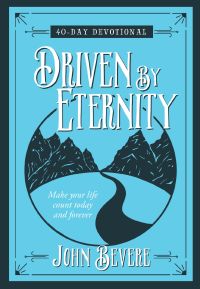
Driven by EternityJohn Bevere3h 50m4.6 (3.2K)$10 · $0.00
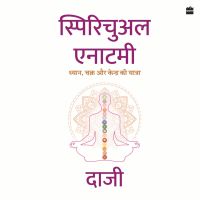
Spiritual AnatomyDaaji Kamlesh D. Patel9h 47m4.7 (319)$29 · $0.00
You may also like
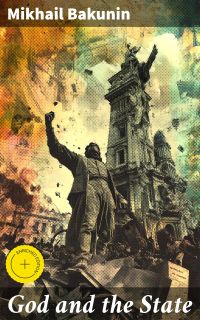
God and the StateMikhail Bakunin4h 17m4.1 (7.1K)$1 · $0.00

The Everlasting Man (Annotated)G. K. Chesterton12h 33m4.3 (17.7K)$1.99 · $0.00
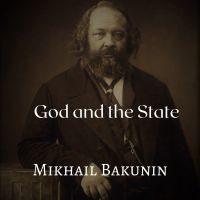
God and the StateMikhail Bakunin3h 13m4.0 (6.2K)$6 · $0.00
The Civilization of the Middle AgesNorman F. Cantor28h 42m4.2 (4.8K)$35
Divine MightNatalie Haynes9h 12m4.1 (15.9K)$29 · $0.00
The Antiquities of the Jews (Annotated)Josephus48h 27m4.3 (7.3K)$2 · $0.00

The Woman's Bible (Complete Edition)Elizabeth Cady Stanton16h 42m4.0 (2.8K)$1.99 · $0.00
The Black ManJames Morris Webb1h 2m4.4 (1.2K)$6 · $0.00
The Essence of ChristianityLudwig Feuerbach14h 20m3.9 (2.2K)$12 · $0.00

The Tattva-Muktavaliactive 17th century Gaudapurnanandacakravarti57m$1 · $0.00

VeroneseFrançois Crastre1h 6m$2 · $0.00
The Evolution of Christian DoctrineJoseph McCabe54m$8
MuseRuth Millington10h 16m4.1 (175)$20

A journey through Renaissance artVictoria Charles1h 25m$13 · $0.00
Tutankhamen: Amenism, Atenism and Egyptian MonotheismErnest A. Wallis Budge3h 37m3.9 (75)$1.20 · $0.00
Women of Early ChristianityMitchell Carroll, Alfred Brittain9h 54m$2 · $0.00
Fragments of a Faith ForgottenG. R. S. Mead18h 11m4.3 (209)$4.70 · $0.00

Sketch of the Reformation in EnglandJohn J. Blunt10h 1m$2 · $0.00
30 Millennia of Erotic ArtHans-Jürgen Döpp, Joe A. Thomas, Victoria Charles, Klaus H. Carl10h 8m4.4 (11)$18 · $0.00

Tutankhamun and the Valley of the KingsSantiago Machain6h 24m$24 · $0.00