
The History of a Crime
The Testimony of an Eye-WitnessBy Victor Hugo


Length17h 2m
About this audiobook
Victor Hugo's "The History of a Crime" serves as a profound and impassioned examination of the political and social turmoil surrounding the 1851 coup d'état in France. Written in the aftermath of this seismic event, Hugo employs a poignant literary style that blends impassioned rhetoric with meticulous historical detail. This work stands as both a political manifesto and a moral inquiry, delving into themes of justice, tyranny, and the role of the citizen in a democracy, all while encapsulating the fervor of an era fraught with revolutionary zeal. Hugo, a pivotal figure in French literature and a staunch advocate for social justice, was profoundly influenced by the upheavals of his time. The political exile he endured after speaking against the government shaped his worldview, leading him to articulate the struggles of the oppressed. His personal experiences and deep commitment to humanitarian ideals resonate throughout this text, as he seeks not only to chronicle events but also to inspire moral reflection and action among his readers. "The History of a Crime" is a compelling call to conscience, making it essential reading for those interested in political philosophy and social justice. Readers will find themselves drawn into the ethical dilemmas of Hugo's time, reflecting on the implications of political engagement and civic responsibility, which continue to echo in today's societal struggles.
Audiobook details
Rating★★★★ 3.7 (107)
Includes Goodreads
GenrePolitics and Government
Length17 hrs 2 mins
Narrated byListen with 1,000+ voices
FormateBook with Audio
Publish dateNov 29, 2019
LanguageEnglish
Table of contents
1THE FIRST DAY—THE AMBUSH.
2CHAPTER I. "SECURITY"
3CHAPTER II. PARIS SLEEPS—THE BELL RINGS
4CHAPTER III. WHAT HAD HAPPENED DURING THE NIGHT
5CHAPTER IV. OTHER DOINGS OF THE NIGHT
Show all chaptersShow less
6CHAPTER V. THE DARKNESS OF THE CRIME: Versigny had just left me.
7CHAPTER VI. "PLACARDS"
8CHAPTER VII. NO. 70, RUE BLANCHE
9CHAPTER VIII. "VIOLATION OF THE CHAMBER"
10CHAPTER IX. AN END WORSE THAN DEATH
11CHAPTER X. THE BLACK DOOR: M. Dupin is a matchless disgrace.
12CHAPTER XI. THE HIGH COURT OF JUSTICE
13CHAPTER XII. THE MAIRIE OF THE TENTH ARRONDISSEMENT
14CHAPTER XIII. LOUIS BONAPARTE'S SIDE-FACE: The minds of all these men, we repeat, were very differently affected.
15CHAPTER XIV. THE D'ORSAY BARRACKS: It was half-past three.
16CHAPTER XV. MAZAS
17CHAPTER XVI. THE EPISODE OF THE BOULEVARD ST. MARTIN
18CHAPTER XVII. THE REBOUND OF THE 24TH JUNE, 1848, ON THE 2D DECEMBER, 1851
19CHAPTER XVIII. THE REPRESENTATIVES HUNTED DOWN
20CHAPTER XIX. ONE FOOT IN THE TOMB
21CHAPTER XX. THE BURIAL OF A GREAT ANNIVERSARY
22THE SECOND DAY—THE STRUGGLE.
23CHAPTER I. THEY COME TO ARREST ME
24CHAPTER II. FROM THE BASTILLE TO THE RUE DE COTTE
25CHAPTER III. THE ST. ANTOINE BARRICADE: This is what had happened.
26CHAPTER IV. THE WORKMEN'S SOCIETIES ASK US FOR THE ORDER TO FIGHT
27CHAPTER V. BAUDINS'S CORPSE
28CHAPTER VI. THE DECREES OF THE REPRESENTATIVES WHO REMAINED FREE
29CHAPTER VII. THE ARCHBISHOP: On this gloomy and tragical day an idea struck one of the people.
30CHAPTER VIII. MOUNT VALERIEN
31CHAPTER IX. THE LIGHTNING BEGINS TO FLASH AMONGST THE PEOPLE: The evening wore a threatening aspect.
32CHAPTER X. WHAT FLEURY WENT TO DO AT MAZAS
33CHAPTER XI. THE END OF THE SECOND DAY
34THE THIRD DAY—THE MASSACRE.
35CHAPTER I. THOSE WHO SLEEP AND HE WHO DOES NOT SLEEP
36CHAPTER II. THE PROCEEDINGS OF THE COMMITTEE
37CHAPTER III. INSIDE THE ELYSEE
38CHAPTER IV. BONAPARTE'S FAMILIAR SPIRITS: M. Mérimée was vile by nature, he must not be blamed for it.
39CHAPTER V. A WAVERING ALLY
40CHAPTER VI. DENIS DUSSOUBS
41CHAPTER VII. ITEMS AND INTERVIEWS
42CHAPTER VIII. THE SITUATION
43CHAPTER IX. THE PORTE SAINT MARTIN: Important deeds had been already achieved during the morning.
44CHAPTER X. MY VISIT TO THE BARRICADE
45CHAPTER XI. THE BARRICADE OF THE RUE MESLAY
46CHAPTER XII. THE BARRICADE OF THE MAIRIE OF THE FIFTH ARRONDISSEMENT
47CHAPTER VIII. THE BARRICADE OF THE RUE THEVENOT
48CHAPTER XIV. OSSIAN AND SCIPIO: Arrests grew more numerous.
49CHAPTER XV. THE QUESTION PRESENTS ITSELF: It was one o'clock in the afternoon.
50CHAPTER XVI. THE MASSACRE: Suddenly a window was opened.

Die Elenden (Les Misérables)Victor Hugo33h 25m4.4 (915.9K)$24 · $0.00

Der Glöckner von Notre-DameVictor Hugo22h 45m4.2 (267.9K)$24 · $0.00

Seeing Europe through the Eyes of the Famous Authors (Vol. 1-8)Victor Hugo, Henry James, Washington Irving, Nathaniel Hawthorne, William Howitt, William Makepeace Thackeray, Augustus J. C. Hare, Henry Wadsworth Longfellow, Bayard Taylor, Harriet Beecher Stowe, Percy Bysshe Shelley, Grant Allen, John Ruskin, Hippolyte Adolphe Taine, Johann Wolfgang von Goethe45h 33m$1.99 · $0.00
Ausgewählte Gedichte von Victor HugoVictor Hugo10h 54m4.2 (28)$1 · $0.00

Ausgewählte Werke von Victor HugoVictor Hugo130h 2m4.3 (20)$1 · $0.00

Lucretia BorgiaVictor Hugo4h 10m3.9 (1.9K)$1 · $0.00
Die Arbeiter des MeeresVictor Hugo15h 38m4.2 (7.9K)$1 · $0.00
1793: Historischer RomanVictor Hugo15h 21m4.2 (9.3K)$2 · $0.00

Maria Tudor & Lucretia BorgiaVictor Hugo6h 48m4.0 (1.3K)$1 · $0.00
Les Misérables (Alle 5 Bände)Victor Hugo59h 40m4.5 (16)$1 · $0.00

Los miserablesVictor Hugo37h 50m4.4 (929.9K)$12 · $0.00
The Greatest Works of Victor Hugo (Annotated)Victor Hugo193h 42m4.6 (180)$1.99 · $0.00

Herzflüstern aus den dunklen Zeiten: Liebesgeschichten des MittelaltersVictor Hugo, Henryk Sienkiewicz, Walter Scott, Alexandre Dumas, Gottfried von Straßburg, Jean Jacques Rousseau, Georg Ebers, Levin Schücking, Karl Bröger, Heinrich von Kleist, Wilhelm Raabe, Christoph Martin Wieland, Julius Wolff, Marie-Madeleine de La Fayette, Ludwig Ganghofer, August Sperl, Louise Otto, Friedrich de la Motte Fouqué394h 41m$1 · $0.00

Das Teufelsschiff (Kommentiert)Victor Hugo17h 31m$1 · $0.00
The Count of Monte Cristo & Les MisérablesVictor Hugo, Alexandre Dumas115h 37m4.5 (424)$68 · $0.00

Der lachende MannVictor Hugo, Georg Büchmann25h 47m4.2 (2.8K)$1 · $0.00
Victor Hugo - Sämtliche RomaneVictor Hugo, Friedrich Bremer, Georg Büchmann151h 38m4.4 (127)$3.50 · $0.00

Die größten historischen Romane: Das Zeitalter des MittelaltersVictor Hugo, Henryk Sienkiewicz, Walter Scott, Felix Dahn, August Sperl, Ricarda Huch, Wilhelm Raabe, Levin Schücking, Henry Benrath, Hendrik Conscience, Georg Ebers, Ernst Wichert261h 32m$2 · $0.00
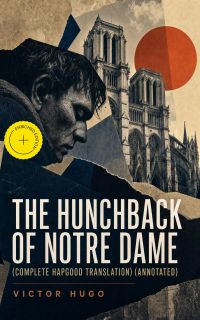
The Hunchback of Notre Dame (Complete Hapgood Translation) (Annotated)Victor Hugo22h 43m4.5 (154)$2 · $0.00

Gesammelte Gedichte: 137 Titel in einem Band (Kommentiert)Victor Hugo11h 7m4.2 (15)$1 · $0.00

The Gulag Archipelago Volume 3Aleksandr I. Solzhenitsyn21h 56m4.7 (8.9K)$46 · $0.00

MotherlandJulia Ioffe17h 52m4.7 (2.5K)$40 · $0.00

HostageEli Sharabi5h 25m4.6 (10.8K)$24 · $0.00

KrantikariSanjeev Sanyal11h 44m4.6 (1.3K)$16 · $0.00

Unbroken Bonds of BattleJohnny Joey Jones8h 31m4.6 (2.6K)$8 · $0.00

On Democracies and Death CultsDouglas Murray10h 38m4.6 (6.5K)$29 · $0.00

Balcony Over Jerusalem: A Middle East Memoir - Israel, Palestine and BeyondJohn Lyons12h 37m4.6 (1.4K)$33 · $0.00
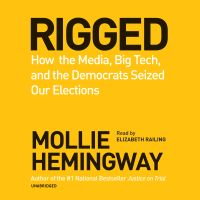
RiggedMollie Hemingway12h 48m4.6 (4.2K)$23 · $0.00

SledgehammerDavid Friedman8h 21m4.7 (589)$26 · $0.00
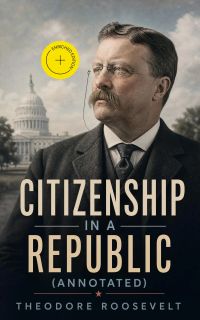
Citizenship in a Republic (Annotated)Theodore Roosevelt2h 44m4.6 (1.4K)$2 · $0.00

No EscapeNury Turkel9h 30m4.6 (809)$28 · $0.00

Always FaithfulThomas Schueman, Zainullah Zaki12h 12m4.6 (977)$29 · $0.00

UnthinkableJamie Raskin15h 8m4.5 (9.3K)$8 · $0.00
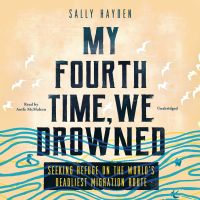
My Fourth Time, We DrownedSally Hayden13h 59m4.6 (2.9K)$23 · $0.00

A Revolution of Common SenseScott Jennings9h 29m4.6 (528)$29 · $0.00
Statement From the Dock at the Rivonia TrialNelson Mandela2h 18m4.6 (1.3K)$1 · $0.00

Lessons from the EdgeMarie Yovanovitch17h 11m4.5 (5.9K)$40 · $0.00

To Rescue the American SpiritBret Baier10h 12m4.5 (2.7K)$8 · $0.00

StonewalledSharyl Attkisson15h 19m4.5 (4.3K)$33 · $0.00
The World According to Orwell: 1984 & Animal FarmGeorge Orwell15h 42m4.6 (1.1K)$1 · $0.00
You may also like
History of Catiline's ConspiracySallust3h 39m4.0 (3.5K)$1 · $0.00
The Seven Who Were HangedLeonid Andreyev3h 29m4.1 (3.3K)$1 · $0.00
Seven Things You Can't Say About ChinaTom Cotton4h 34m4.4 (1.2K)$20 · $0.00

The Real Anthony FauciKennedy Jr., Robert F27h 50m4.4 (34.2K)Free
I Can’t BreatheDavid Horowitz6h 7m4.3 (604)$17 · $0.00

Mayday 1971Lawrence Roberts15h 42m4.4 (353)$33 · $0.00

AlmightyDan Zak10h 49m4.1 (473)$20 · $0.00

50 Things They Don't Want You to KnowJerome Hudson7h 45m4.2 (323)$26 · $0.00

Julius CaesarWilliam Shakespeare2h 4m3.7 (235K)$15 · $0.00
The LynchingLaurence Leamer10h 18m4.2 (3.1K)$29 · $0.00

Under Western Eyes (Unabridged Deluxe Edition)Joseph Conrad35h 34m3.9 (5.9K)$2 · $0.00

Under Western EyesJoseph Conrad10h 53m4.0 (22.8K)$1 · $0.00
Courage Under FireSteven A. Sund12h 3m4.1 (2.1K)$25
HellenicaXenophon13h 23m4.2 (4.6K)Free
Burmese DaysGeorge Orwell10h 43m4.0 (39.7K)$1.20 · $0.00
American InjusticeDavid S. Rudolf10h 46m4.4 (405)$29 · $0.00

Bottle of LiesKatherine Eban14h 25m4.4 (12K)$33 · $0.00
Julius CaesarWilliam Shakespeare2h 34m4.0 (281.5K)$1.80 · $0.00

Power GrabJason Chaffetz10h 35m4.2 (767)$29 · $0.00
Conspiracy of Catiline and the Jurgurthine WarSallust7h 24m4.0 (3.6K)$1 · $0.00