
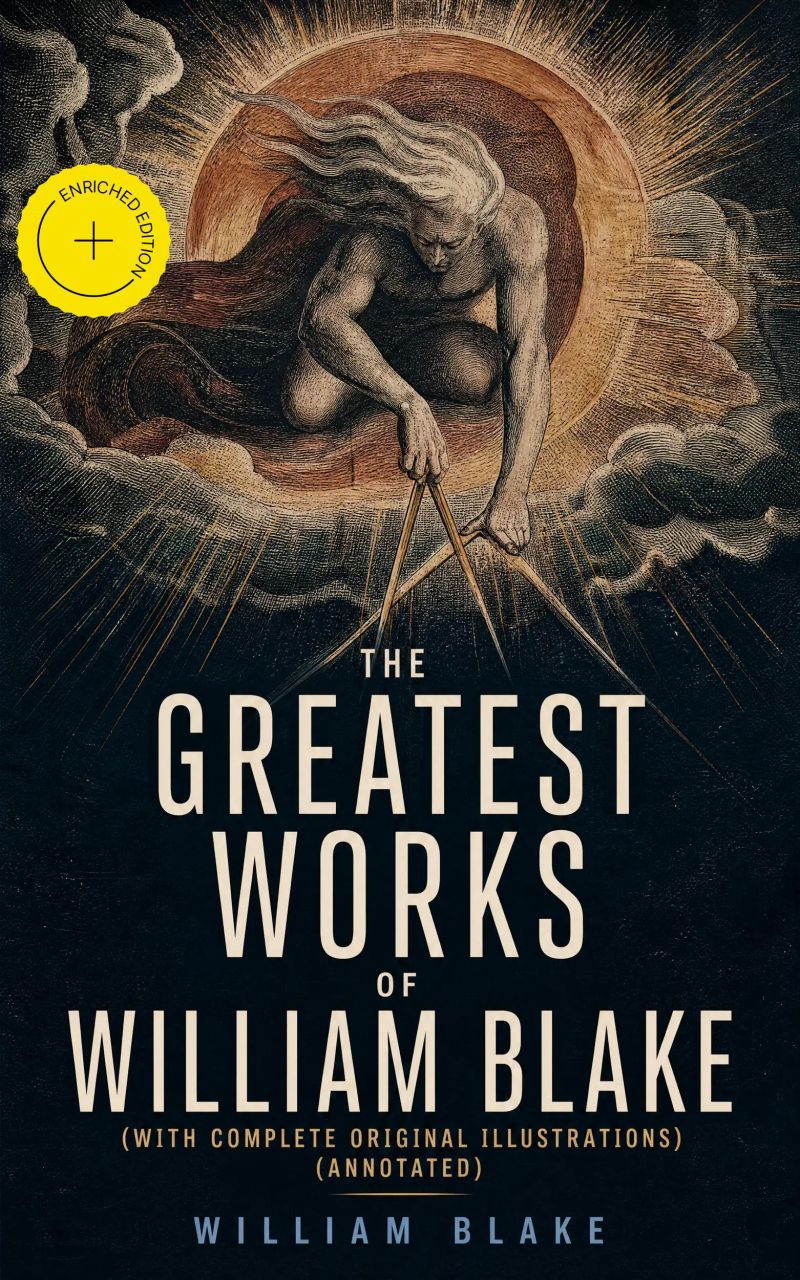
The Greatest Works of William Blake (With Complete Original Illustrations) (Annotated)
Enriched Edition. Including The Marriage of Heaven and Hell, Jerusalem, Songs of Innocence and Experience & moreBy William Blake


Length11h 59m
About this audiobook
The Greatest Works of William Blake (With Complete Original Illustrations) gathers the visionary poetry and prophetic art through which Blake remade English Romanticism from its margins. Bringing together such works as Songs of Innocence and of Experience, The Marriage of Heaven and Hell, and the illuminated prophecies, the volume restores the inseparability of text and image central to Blake's method. Its aphoristic intensity, biblical cadences, symbolic mythology, and engraved designs reveal a literature of rebellion against spiritual, political, and imaginative confinement. William Blake (1757–1827), poet, painter, engraver, and self-declared visionary, lived largely outside the institutions that shaped the literary fame of his contemporaries. Trained as an engraver and steeped in the Bible, Milton, dissenting Christianity, and the upheavals of the American and French Revolutions, he developed a radically personal cosmology. His suspicion of industrial modernity, state power, and orthodox religion informed works that sought not merely to describe the world, but to awaken perception. This edition is recommended to readers seeking Blake in his fullest form: not as a poet detached from his designs, but as an artist of total imaginative synthesis. It will reward students of Romanticism, admirers of visionary literature, and anyone drawn to books that challenge moral habit, political complacency, and the limits of ordinary seeing.
This enriched edition has been carefully crafted to add value to your reading experience.
- A comprehensive Introduction outlines these selected works' unifying features, themes, or stylistic evolutions.
- The Author Biography highlights personal milestones and literary influences that shape the entire body of writing.
- A Historical Context section situates the works in their broader era—social currents, cultural trends, and key events that underpin their creation.
- A concise Synopsis (Selection) offers an accessible overview of the included texts, helping readers navigate plotlines and main ideas without revealing critical twists.
- A unified Analysis examines recurring motifs and stylistic hallmarks across the collection, tying the stories together while spotlighting the different work's strengths.
- Reflection questions inspire deeper contemplation of the author's overarching message, inviting readers to draw connections among different texts and relate them to modern contexts.
- Lastly, our hand‐picked Memorable Quotes distill pivotal lines and turning points, serving as touchstones for the collection's central themes.
Audiobook details
GenrePoetry
Length11 hrs 59 mins
Narrated byListen with 1,000+ voices
FormateBook with Audio
Publish dateDec 18, 2023
LanguageEnglish
Table of contents
1Introduction
26Text
2Introduction
27Songs of Innocence and of Experience (1794)
3Author Biography
28Plates
4Historical Context
29Text
5Synopsis (Selection)
30Europe A Prophecy (1794)
Show all chaptersShow less
6All Religions Are One (1788)
31Plates
7Plates
32Text
8Text
33The Book of Urizen (1794)
9There Is No Natural Religion (1788)
34Plates
10Plates
35Text
11Text
36The Song of Los (1795)
12The Book of Thel (1789)
37Plates
13Plates
38Text
14Text
39The Book of Ahania (1795)
15The Marriage of Heaven and Hell (1790)
40Plates
16Plates
41Text
17Text
42Milton A Poem (1804 - 1811)
18Visions of the Daughters of Albion (1793)
43Plates
19Plates
44Text
20Text
45Jerusalem (1804 – 1820)
21For Children: The Gates of Paradise (1793)
46Plates
22Plates
47Text (pt. 1)
23Text
48Text (pt. 2)
24America A Prophecy (1793)
49Text (pt. 3)
25Plates
50For the Sexes: the Gates of Paradise (1820)

William Blake, the Immortal Artist - Complete Drawings & Engravings in One EditionWilliam Blake1h 31m$1.99 · $0.00
ALL RELIGIONS ARE ONE & THERE IS NO NATURAL RELIGIONWilliam Blake1h 16m4.0 (313)$1.99 · $0.00
MILTONWilliam Blake3h 38m4.1 (567)$1.99 · $0.00
The Greatest Works of William Blake (With Complete Original Illustrations)William Blake12h 2m4.7 (12)$1.99 · $0.00
EUROPE A PROPHECYWilliam Blake1h 47m4.1 (482)$1.99 · $0.00
The Book of Job (With All the Original Illustrations)William Blake1h 55m4.4 (1.7K)$1.99 · $0.00
THE BOOK OF THEL (Original Illuminated Manuscript)William Blake1h 38m4.0 (864)$1.99 · $0.00
THE BOOK OF AHANIAWilliam Blake1h 45m3.8 (52)$1.99 · $0.00
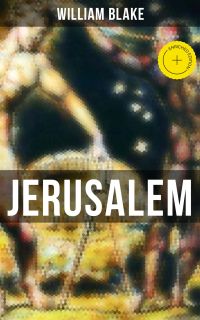
JERUSALEMWilliam Blake6h 34m4.3 (1.4K)$1.99 · $0.00

FOR THE SEXES: THE GATES OF PARADISEWilliam Blake1h 33m4.1 (49)$1.99 · $0.00
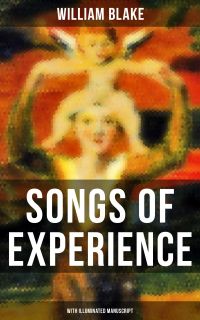
SONGS OF EXPERIENCE (With Illuminated Manuscript)William Blake33m4.3 (1.8K)$1.99 · $0.00
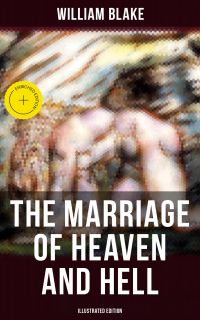
THE MARRIAGE OF HEAVEN AND HELL (Illustrated Edition)William Blake2h 5m4.3 (41.3K)$1.99 · $0.00

THE GHOST OF ABEL (With All the Original Illustrations)William Blake1h 36m3.6 (22)$1.99 · $0.00
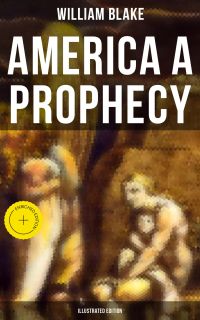
AMERICA A PROPHECY (Illustrated Edition)William Blake1h 52m4.1 (353)$1.99 · $0.00
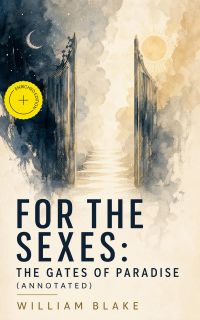
For the Sexes: the Gates of Paradise (Annotated)William Blake1h 48m4.1 (48)$2 · $0.00
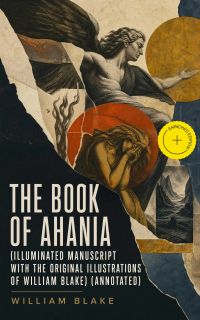
The Book of Ahania (Illuminated Manuscript with the Original Illustrations of William Blake) (Annotated)William Blake1h 43m3.8 (53)$2 · $0.00
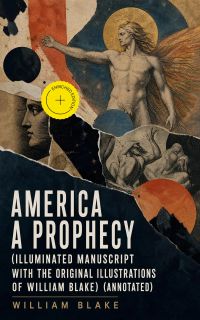
America A Prophecy (Illuminated Manuscript with the Original Illustrations of William Blake) (Annotated)William Blake1h 57m4.3 (12)$2 · $0.00
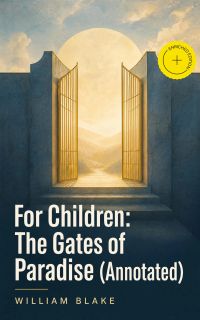
For Children: The Gates of Paradise (Annotated)William Blake1h 44m3.7 (36)$2 · $0.00
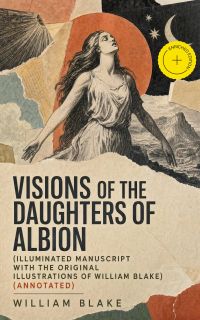
Visions of the Daughters of Albion (Illuminated Manuscript with the Original Illustrations of William Blake) (Annotated)William Blake1h 48m$2 · $0.00

Songs of Innocence and of Experience: Showing the Two Contrary States of the Human Soul (Annotated)William Blake1h 58m4.3 (63.3K)$2 · $0.00
The Mesnevi (Annotated)Maulana Jalal al-Din Rumi18h 41m4.5 (4.2K)$2 · $0.00

Songs of a SourdoughRobert W. Service2h 13m4.5 (13.6K)$1 · $0.00
Little Flower of Jesus (Annotated)Thérèse of Lisieux5h 4m4.5 (1.4K)$0.99 · $0.00

The Poems of LeopardiGiacomo Leopardi3h 9m4.5 (3.6K)$2 · $0.00

Nikki Giovanni: Love Poems & A Good CryNikki Giovanni2h 44m4.6 (405)$18 · $0.00

The Complete Poetry of Walt Whitman (Annotated)Walt Whitman19h 58m4.5 (4.2K)$0.99 · $0.00
A Year with RumiColeman Barks5h 56m4.5 (2.6K)$24 · $0.00
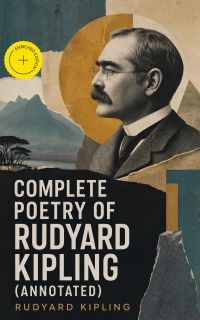
Complete Poetry of Rudyard Kipling (Annotated)Rudyard Kipling22h 50m4.5 (2.6K)$1.99 · $0.00
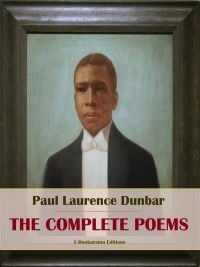
The Complete PoemsPaul Laurence Dunbar12h 40m4.5 (1.5K)$21 · $0.00
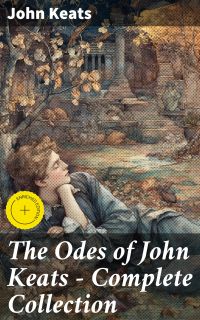
The Odes of John Keats - Complete CollectionJohn Keats22h 16m4.5 (1.3K)$1 · $0.00
SonnetsWilliam Shakespeare2h 39m4.4 (128.3K)$3 · $0.00
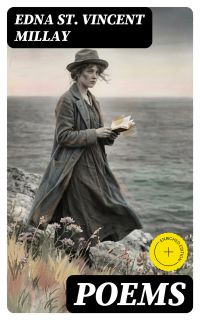
PoemsEdna St. Vincent Millay2h 39m4.5 (1.3K)$2 · $0.00
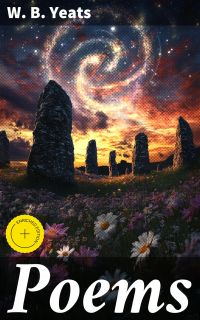
PoemsW. B. Yeats5h 6m4.4 (46.9K)$1 · $0.00
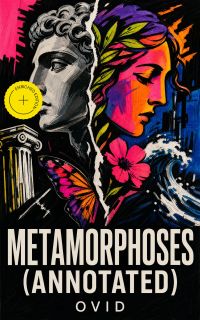
Metamorphoses (Annotated)Ovid28h 37m4.3 (80.8K)$2 · $0.00

THE FLOWERS OF EVILCharles Baudelaire2h 28m4.3 (94.6K)$1.99 · $0.00
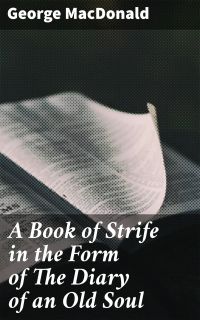
A Book of Strife in the Form of The Diary of an Old SoulGeorge MacDonald2h 9m4.4 (839)$2 · $0.00
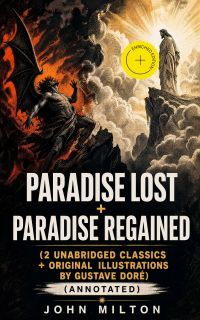
Paradise Lost + Paradise Regained (2 Unabridged Classics + Original Illustrations by Gustave Doré) (Annotated)John Milton11h 56m4.4 (2.2K)$3 · $0.00
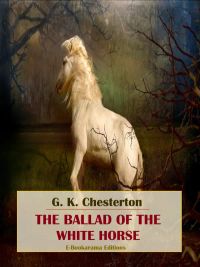
The Ballad of the White HorseG. K. Chesterton2h 43m4.4 (3.8K)$1.20 · $0.00
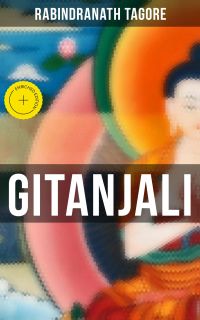
GitanjaliRabindranath Tagore10h 2m4.3 (46.2K)$1.99 · $0.00

PORPHYRIA'S LOVERRobert Browning7h 52m4.3 (3K)$1.99 · $0.00
You may also like
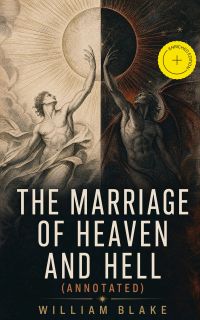
The Marriage of Heaven and Hell (Annotated)William Blake2h 11m4.2 (12K)$2 · $0.00
THE MARRIAGE OF HEAVEN AND HELL (Illustrated Edition)William Blake2h 5m4.3 (41.3K)$1.99 · $0.00
THE BOOK OF URIZEN (Illustrated Edition)William Blake1h 49m4.2 (975)$1.99 · $0.00
EUROPE A PROPHECYWilliam Blake1h 47m4.1 (482)$1.99 · $0.00
Milton A Poem (Illuminated Manuscript with the Original Illustrations of William Blake) (Annotated)William Blake3h 44m4.1 (309)$2 · $0.00
The Book of Urizen (Illuminated Manuscript with the Original Illustrations of William Blake) (Annotated)William Blake1h 51m4.3 (2.2K)$0.99 · $0.00
Songs of Innocence and of Experience (With All the Originial Illustrations)William Blake1h 50m4.3 (60.1K)$1.99 · $0.00
The Book of LiesAleister Crowley1h 31m4.0 (5.6K)$2 · $0.00
AMERICA A PROPHECY (Illustrated Edition)William Blake1h 52m4.1 (353)$1.99 · $0.00

Penguin IslandAnatole France9h 39m3.8 (3.2K)$21 · $0.00
The Collected Works of Aleister CrowleyAleister Crowley, S. L. MacGregor Mathers, Mary d'Este Sturges38h4.3 (311)$0.99 · $0.00
The Book of LiesAleister Crowley1h 35m4.0 (6.1K)$5 · $0.00
The Greatest Works of William Blake (With Complete Original Illustrations)William Blake12h 2m4.7 (12)$1.99 · $0.00
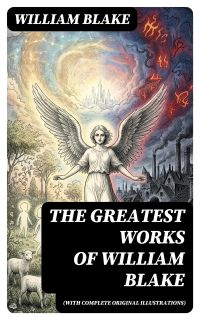
The Greatest Works of William Blake (With Complete Original Illustrations)William Blake11h 53m4.6 (153)$2 · $0.00
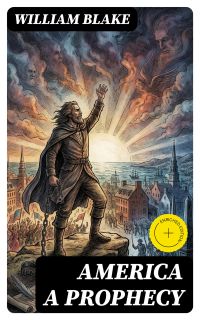
America A ProphecyWilliam Blake1h 40m3.6 (107)$1 · $0.00
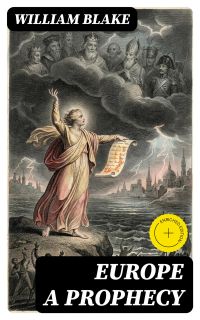
Europe A ProphecyWilliam Blake1h 36m3.5 (74)$2 · $0.00
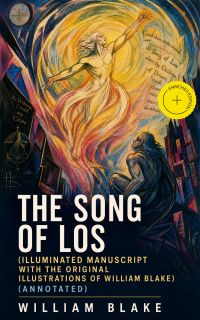
The Song of Los (Illuminated Manuscript with the Original Illustrations of William Blake) (Annotated)William Blake1h 37m3.5 (55)$2 · $0.00

The Greatest Works of Aleister CrowleyAleister Crowley, S. L. MacGregor Mathers, Mary d'Este Sturges38h 4m$2 · $0.00
THE BOOK OF AHANIAWilliam Blake1h 45m3.8 (52)$1.99 · $0.00
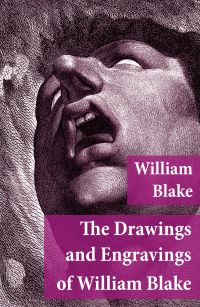
The Drawings and Engravings of William Blake (Fully Illustrated)William Blake1h 17m4.5 (74)$2 · $0.00