
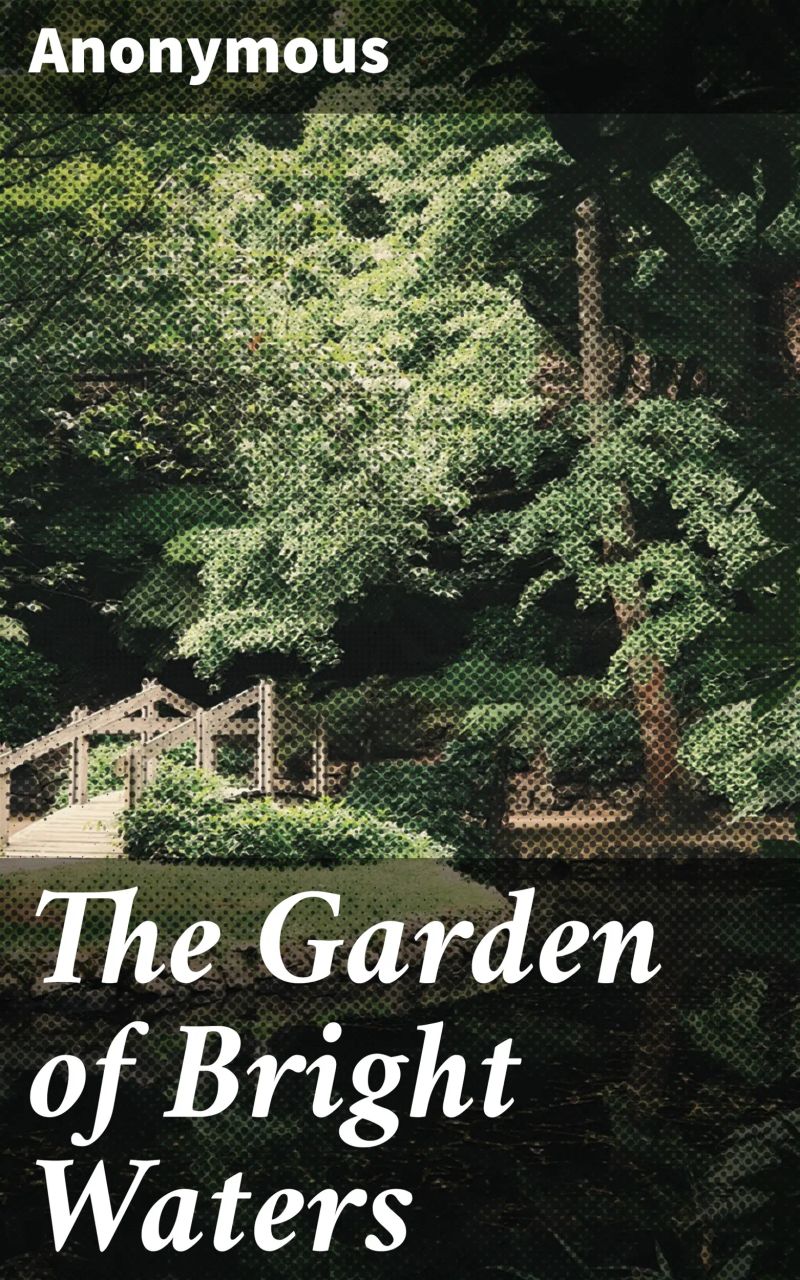
The Garden of Bright Waters
One Hundred and Twenty Asiatic Love PoemsBy Anonymous


Length48m
About this audiobook
In "The Garden of Bright Waters," the anonymous author crafts a poignant and immersive exploration of love, nature, and the inner journey of the human spirit. Written in a lush, lyrical style that invites readers to lose themselves in its vivid imagery, the work encapsulates a moment of introspection within a metaphorical garden, where the interplay of light and shadow reflects the complexities of emotional experience. Each chapter unfolds like a delicate petal, revealing profound reflections on life'Äôs transient beauty, set against a backdrop of surreal landscapes and rich symbolism that resonates with themes prevalent in Romantic literature. The anonymity of the author adds an intriguing layer to the narrative, allowing for an interpretation that transcends personal identity. This omission may suggest a universal longing for connection, possibly drawing from influences of the Romantic era's emphasis on nature and individual experience. The author'Äôs experiences with solitude and the intricacies of relationships might have contributed to the reflective depth found throughout the text, inviting readers to ponder their own emotional landscapes. For readers yearning for a meditative journey through the realms of passion and melancholy, "The Garden of Bright Waters" is an essential addition to their literary repertoire. Its evocative prose and contemplative themes make it a versatile exploration suitable for both casual readers and scholars, promising insights for those willing to delve into its rich symbolism.
Audiobook details
Rating★★★★ 4.0 (61)
Includes Amazon, Goodreads
GenrePoetry
Length48 mins
Narrated byListen with 1,000+ voices
FormateBook with Audio
Publish dateNov 29, 2019
LanguageEnglish
Table of contents
1BALUCHISTAN
13KURDISTAN
2BURMA
14LAOS
3CAMBODIA
15MANCHURIA
4CAUCASUS
16PERSIA
5CHINA
17SIAM
Show all chaptersShow less
6DAGHESTAN
18SYRIA
7GEORGIA
19TATARS
8HINDUSTAN
20THIBET
9JAPAN
21TURKESTAN
10KAFIRISTAN
22TURKEY
11KAZACKS
23TRANSLATOR'S NOTES
12KOREA
Buddhist ScripturesAnonymous3h4.0 (2K)$1.99 · $0.00
I CHING (The Book of Changes)Anonymous16h 33m4.4 (31.4K)$1.99 · $0.00
Lazarillo de Tormes: BiographyAnonymous2h 32m3.9 (40.2K)$1.99 · $0.00
Serbian Folk-loreAnonymous8h 27m$1.99 · $0.00
American Cookery: Thanksgiving Menus & Classic RecipesAnonymous1h 37m$1.99 · $0.00
1 ClementAnonymous1h 46m$1.99 · $0.00
My Secret Life: The Complete Unabridged Volumes I. to III.Anonymous26h 15m$1.99 · $0.00
The Story of Burnt NjalAnonymous13h 43m$1.99 · $0.00
The Story of Burnt NjalAnonymous15h 1m$1.99 · $0.00
Legends of Norseland (Illustrated Edition)Anonymous2h 40m$1.99 · $0.00
The Song of the NibelungsAnonymous12h 44m4.0 (11.6K)$1.99 · $0.00
Book of JasherAnonymous16h 13m4.5 (743)$1.99 · $0.00
Malay AnnalsAnonymous7h 55m$1.99 · $0.00
A Night in a Moorish HaremAnonymous3h 12m$1.99 · $0.00
BeowulfAnonymous5h 55m$1.99 · $0.00
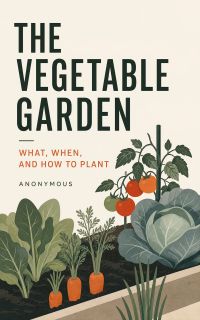
The Vegetable Garden: What, When, and How to PlantAnonymous6h 44m$1.99 · $0.00
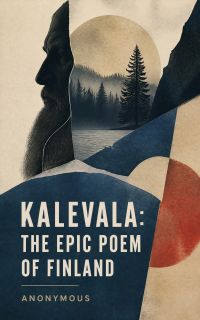
Kalevala: The Epic Poem of FinlandAnonymous15h 31m4.2 (12.9K)$1.99 · $0.00
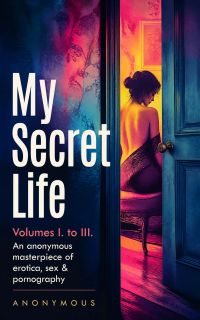
My Secret Life Volumes I. to III. An anonymous masterpiece of erotica, sex & pornographyAnonymous26h 14m3.3 (935)$1.99 · $0.00
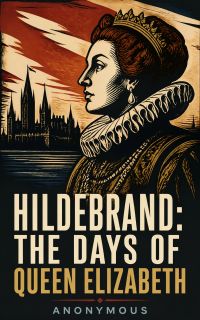
Hildebrand: The Days of Queen ElizabethAnonymous17h 16m$1.99 · $0.00
True Politeness: A Hand-book of Etiquette for LadiesAnonymous1h 9m$1.99 · $0.00
Saundarya LahariUnknown Author3h 16m4.6 (256)$18 · $0.00
The Mesnevi (Annotated)Maulana Jalal al-Din Rumi18h 41m4.5 (4.2K)$2 · $0.00
Songs of a SourdoughRobert W. Service2h 13m4.5 (13.6K)$1 · $0.00
Little Flower of Jesus (Annotated)Thérèse of Lisieux5h 4m4.5 (1.4K)$1.99 · $0.00
The Poems of LeopardiGiacomo Leopardi3h 9m4.5 (3.6K)$2 · $0.00
Nikki Giovanni: Love Poems & A Good CryNikki Giovanni2h 44m4.6 (405)$18 · $0.00
The Complete Poetry of Walt Whitman (Annotated)Walt Whitman19h 58m4.5 (4.2K)$1.99 · $0.00
A Year with RumiColeman Barks5h 56m4.5 (2.6K)$24 · $0.00
Complete Poetry of Rudyard Kipling (Annotated)Rudyard Kipling22h 50m4.5 (2.6K)$3.99 · $0.00
The Complete PoemsPaul Laurence Dunbar12h 40m4.5 (1.5K)$21 · $0.00
The Odes of John Keats - Complete CollectionJohn Keats22h 16m4.5 (1.3K)$1 · $0.00
SonnetsWilliam Shakespeare2h 39m4.4 (128.3K)$3 · $0.00
PoemsEdna St. Vincent Millay2h 39m4.5 (1.3K)$2 · $0.00
PoemsW. B. Yeats5h 6m4.4 (46.9K)$1 · $0.00
Metamorphoses (Annotated)Ovid28h 37m4.3 (80.8K)$2 · $0.00
THE FLOWERS OF EVILCharles Baudelaire2h 28m4.3 (94.6K)$1.99 · $0.00
A Book of Strife in the Form of The Diary of an Old SoulGeorge MacDonald2h 9m4.4 (839)$2 · $0.00
Paradise Lost + Paradise Regained (2 Unabridged Classics + Original Illustrations by Gustave Doré) (Annotated)John Milton11h 56m4.4 (2.2K)$3 · $0.00
The Ballad of the White HorseG. K. Chesterton2h 43m4.4 (3.8K)$1.20 · $0.00
PORPHYRIA'S LOVERRobert Browning7h 52m4.3 (3K)$1.99 · $0.00
You may also like
RequeeningAmanda Moore1h 57m4.1 (252)$16 · $0.00
To the LighthouseVirginia Woolf7h 17m4.0 (273.1K)$2.30
Three Stories & Ten PoemsErnest Hemingway2h 2m3.6 (1.2K)$2 · $0.00
Love Poems and OthersD. H. Lawrence1h 23m3.8 (1.2K)$2.30
The Complete Poetry of Emily DickinsonEmily Dickinson17h 40m4.4 (114.7K)$1 · $0.00

The Prussian OfficerD. H. Lawrence8h 55m3.7 (1.2K)$2.30
The Poems of LeopardiGiacomo Leopardi3h 9m4.5 (3.6K)$2 · $0.00
To the LighthouseVirginia Woolf7h 16m4.0 (270.4K)$21 · $0.00
The Complete Poetry of Dylan Thomas (Annotated)Dylan Thomas4h 53m4.7 (1.2K)$2.99 · $0.00
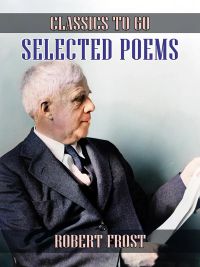
Selected PoemsRobert Frost2h 6m4.2 (10.5K)$2.30
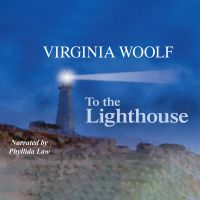
To the LighthouseVirginia Woolf7h 36m4.0 (243.5K)$17
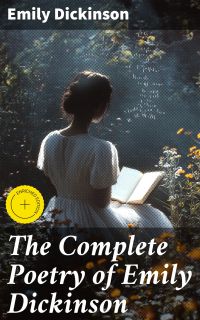
The Complete Poetry of Emily DickinsonEmily Dickinson16h 47m4.4 (114.4K)$1 · $0.00

MathildaMary Wollstonecraft Shelley4h 59m3.7 (9.2K)$2.30
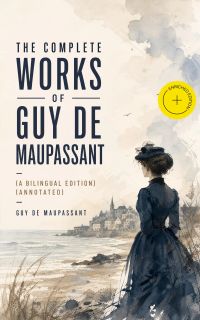
The Complete Works of Guy De Maupassant (A Bilingual Edition) (Annotated)Guy de Maupassant232h 38m4.5 (2.3K)$1.99 · $0.00
Stray BirdsRabindranath Tagore40m4.3 (3.4K)$3.50 · $0.00
Amores PoemsD. H. Lawrence1h 19m3.5 (55)$2.30
Ballads of BeautyVarious1h 5m$1 · $0.00
Tortoises and Wintry PeacockD. H. Lawrence58m$2.30
On books and artsFrederick Sir Wedmore6h 28m$1 · $0.00
Homes and Haunts of the Most Eminent British PoetsWilliam Howitt40h 54m4.0 (44)$1.99 · $0.00