
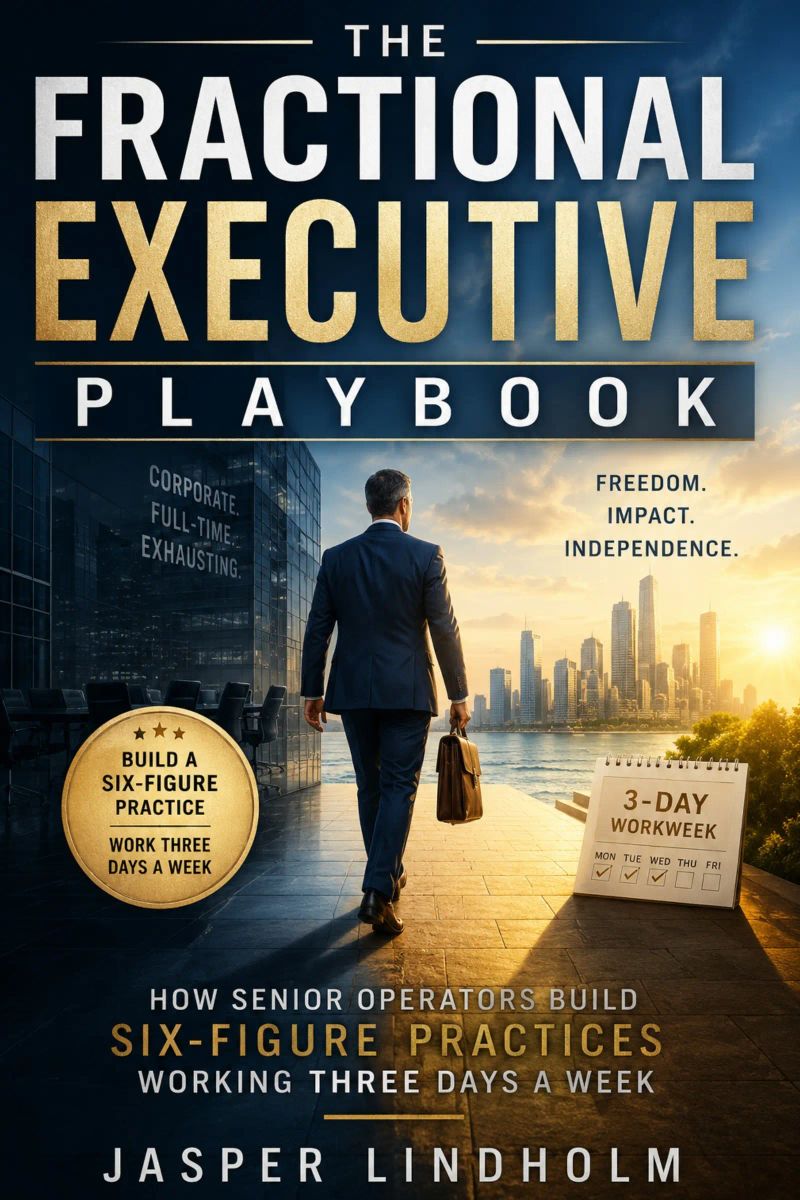
The Fractional Executive Playbook
How Senior Operators Build Six-Figure Practices Working Three Days a WeekBy Jasper LindhoLm


Length8h 10m
About this audiobook
How to build a fractional executive career, land high-value clients, and earn senior-level income working part-time as a CFO, COO, CMO, or other embedded executive.
A growing number of experienced operators are stepping away from full-time corporate roles—not because they lack opportunity, but because they no longer want to trade time for organizational ceilings. Fractional executive work offers a different model: senior leadership embedded inside multiple companies, part-time, with direct accountability for outcomes rather than internal politics.
This book is a practical guide for building that model from the ground up. It focuses on what actually determines success in fractional work: positioning yourself as an operator rather than a consultant, structuring retainers that reflect executive responsibility, and managing multiple companies without losing effectiveness or control.
Unlike freelance or advisory work, fractional leadership is not about giving occasional input. It is about owning functional outcomes across finance, operations, marketing, or product—while working across a small portfolio of companies.
Inside this fractional executive guide:
What fractional leadership actually is — How it differs from consulting, advisory, and freelancing.
Finding your first clients — How senior operators land opportunities without cold outreach.
Positioning as an executive, not a vendor — Why language and framing determine your rate.
Pricing retainers correctly — Structuring monthly engagements that reflect executive scope.
Scoping responsibility clearly — Defining outcomes, decision rights, and boundaries.
Managing multiple companies — Systems for juggling leadership roles without overload.
Avoiding full-time traps — How to resist being pulled back into traditional employment.
Fractional work succeeds when you stop selling hours and start selling ownership of results. Companies don’t hire fractional executives because they want advice—they hire them because they need leadership they cannot yet afford full-time.
The model rewards clarity, structure, and discipline. Those who succeed tend to be experienced operators who prefer leverage over hierarchy and outcomes over politics.
This is not a side hustle model. It is a career architecture—one that allows senior professionals to design income, autonomy, and impact around their own terms.
Audiobook details
GenreBusiness and Economics
Length8 hrs 10 mins
Narrated byListen with 1,000+ voices
FormateBook with Audio
Publish dateJun 5, 2026
LanguageEnglish
Table of contents
1Introduction
2Chapter One — What Fractional Actually Means in 2026
3Chapter Two — The Niches That Pay
4Chapter Three — The Engagement Structure That Works
5Chapter Four — Pricing: Day Rates, Retainers, Equity
Show all chaptersShow less
6Chapter Five — Your First Three Clients
7Chapter Six — Scoping Correctly: The Most Common Failure
8Chapter Seven — Running Multiple Clients Without Losing Yourself
9Chapter Eight — Boundaries With Clients Who Want Full-Time
10Chapter Nine — The Conversation About Going Full-Time at One Client
11Chapter Ten — Scaling Beyond Yourself
12Chapter Eleven — Hiring Associates
13Chapter Twelve — The Year You Make $300K, $500K, $1M
14Chapter Thirteen — When Fractional Becomes Consulting
15Chapter Fourteen — The Existential Question: Founder or Operator?
16Chapter Fifteen — Fractional Plus Board Seats
17Chapter Sixteen — Fractional for First-Time Founders
18Chapter Seventeen — Fractional for PE-Backed Companies
19Chapter Eighteen — Fractional for Public Companies
20Chapter Nineteen — International Fractional Work
21Chapter Twenty — Fractional and Retirement
22Chapter Twenty-One — Difficult Clients and Clean Exits
23Chapter Twenty-Two — The Longer Arc
24Conclusion
25Appendix A — A Sample Engagement Letter
26Appendix B — Pricing Worksheet
27Appendix C — Calendar Architecture Templates
28Appendix D — First-Client Outreach Scripts
29Appendix E — Scoping Document Template
30Appendix F — Tax and Legal Checklist
31Appendix G — Glossary of Terms
32Closing Note
33Appendix H — Extended Case Studies
34Appendix I — Annual Practice Review Template
35Appendix J — Recommended Reading and Resources
36Appendix K — Annual Business Development Plan
37Appendix L — Common Questions
38Appendix M — Acknowledgments and Sources
39Appendix P — A Note on Voice and Tone
40Appendix Q — Notes on the Economics of Mid-Market Companies
41Appendix R — Sample Quarterly Review Document
42Appendix S — On the Question of Compounding
43Appendix T — On Saying No
44Appendix U — Sample Diagnostic Conversation Transcripts
45Appendix V — On Working With Founders Who Are Difficult
46Appendix W — Reflections on Identity Change
47Appendix X — Final Practical Checklist
48Appendix Y — A Personal Note on Why I Wrote This Book
More from Jasper LindhoLm

Never Split the DifferenceChris Voss, Tahl Raz8h 7m4.4 (277.7K)$26 · $0.00
The Intelligent Investor Rev Ed.Benjamin Graham17h 48m4.3 (191.5K)$40 · $0.00
The Hard Thing About Hard ThingsBen Horowitz7h 57m4.2 (134.3K)$26 · $0.00
Boundaries for LeadersHenry Cloud7h 36m4.3 (3.6K)$26 · $0.00
BuildTony Fadell11h 5m4.5 (14.3K)$8 · $0.00

The Joys Of CompoundingGautam Baid17h 34m4.5 (2.5K)$18 · $0.00
Basic EconomicsThomas Sowell18h 32m4.5 (29.3K)$28 · $0.00

Poor Charlie’s AlmanackGrover Gardener, Charles T. Munger13h 9m4.5 (24.7K)$18 · $0.00

The Ambuja StoryNarotam Sekhsaria13h 59m4.5 (830)$33 · $0.00

The Secret Door to SuccessFlorence Scovel Shinn2h 25m4.5 (2.1K)$1.20 · $0.00

This Is Going to HurtAdam Kay5h 47m4.4 (444.7K)$24 · $0.00

Big TrustShadé Zahrai, Fayçal Sekkouah8h 36m4.6 (406)$26 · $0.00
The Intelligent Investor Third EditionBenjamin Graham, Jason Zweig20h4.4 (156.6K)$46 · $0.00

Bottle of LiesKatherine Eban14h 25m4.4 (12K)$33 · $0.00

The Antiracist Business BookTrudi Lebrón6h 10m4.6 (275)$17 · $0.00

The FormulaJoshua Robinson, Jonathan Clegg10h 41m4.4 (6.9K)$29 · $0.00

Let Them LeadJohn U. Bacon7h 10m4.5 (1.4K)$24 · $0.00

Secrets of the Millionaire MindT. Harv Eker5h 11m4.4 (301.4K)$24 · $0.00

The Person You Mean to BeDolly Chugh9h 6m4.4 (7.2K)$29 · $0.00

BoundlessNick Kostov, Sean McLain9h 17m4.5 (1.1K)$29 · $0.00
You may also like
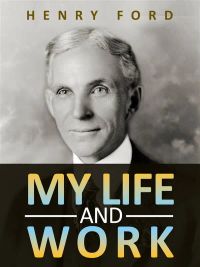
My life and workHenry Ford9h 42m4.2 (8.8K)$2.30 · $0.00
Management Rev EdPeter F. Drucker19h 56m4.4 (1.8K)$40 · $0.00

Hit RefreshSatya Nadella, Greg Shaw7h 25m4.0 (24.3K)$24 · $0.00

Just AspireAjai Chowdhry9h 13m4.4 (260)$29 · $0.00
The Rational OptimistMatt Ridley13h 38m4.0 (31.5K)$8 · $0.00

Volt RushHenry Sanderson9h 24m4.2 (989)$20 · $0.00

Play BiggerPlay Bigger, LLC, Dave Peterson, Christopher Lochhead, Kevin Maney8h 6m4.1 (3.7K)$26 · $0.00

A Walk Around the BlockSpike Carlsen9h 12m3.9 (1.7K)$29 · $0.00

Roads to Freedom: Socialism, Anarchism, and SyndicalismBertrand Russell6h 44m4.1 (1.1K)$1 · $0.00
Knowledge and PowerGeorge Gilder10h 10m4.1 (699)$23 · $0.00
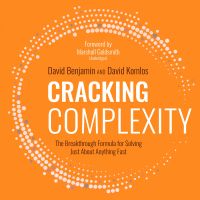
Cracking ComplexityDavid Benjamin, David Komlos7h 14m3.9 (276)$20 · $0.00
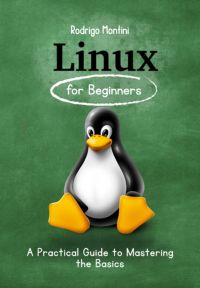
Linux For BeginnersRodrigo Montini3h 9m$7 · $0.00

Easy Steps to SuccessHarri Friberg2h 29m$12 · $0.00

Langenscheidt Business English VerhandlungenLangenscheidt-Redaktion, Georgina Hodge1h 13m$12

The Atlantic Telegraph (1865)Sir William Howard Russell6h 8m4.4 (12)$2.30

Deepseek: The Quiet Giant Leading China’s AI RaceJordan Schneider35m5.0 (7)Free

CrowdsGerald Stanley Lee18h 32m$2.30
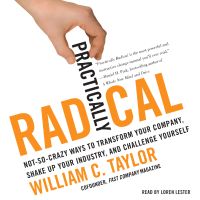
Practically RadicalWilliam C. Taylor9h 23m3.8 (398)$29 · $0.00

Circular EnergyOsvaldo Dalla Coletta25m$6 · $0.00
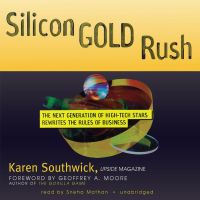
Silicon Gold RushKaren Southwick8h 8m$17