


Length1h 30m
About this audiobook
In 'The Elements of Style' by William Strunk Jr., readers are presented with a concise and comprehensive guide to writing effectively and eloquently. Originally published in 1918, this book serves as a timeless reference for writers of all levels seeking to improve their writing style and grammar. Strunk's straightforward and practical approach to grammar rules and composition advice makes this book an essential resource for any writer looking to enhance their writing skills. The book's emphasis on clarity, brevity, and simplicity has made it a staple in the literary community for over a century. William Strunk Jr., a professor of English at Cornell University, wrote 'The Elements of Style' as a guide for his students. His expertise in language and composition shines through in this book, offering readers valuable insights and guidelines for writing effectively. Strunk's dedication to clear and concise writing is evident in his meticulous attention to detail and his passion for the English language. I highly recommend 'The Elements of Style' to anyone looking to elevate their writing skills and enhance their understanding of grammar and composition. Whether you're a student, writer, or professional seeking to improve your communication, Strunk's timeless advice in this book will undoubtedly help you achieve your writing goals.
Audiobook details
Rating★★★★ 4.3 (116K)
Includes Goodreads, Amazon, LibraryThing, StoryGraph
GenreOther
Length1 hr 30 mins
Narrated byListen with 1,000+ voices
FormateBook with Audio
Publish dateNov 2, 2018
LanguageEnglish
Table of contents
1How to Become an Author
2I. Introductory
3II. Elementary Rules of Usage
41. Form the possessive singular of nouns with 's.
52. In a series of three or more terms with a single conjunction, use a comma after each term except the last.
Show all chaptersShow less
63. Enclose parenthetic expressions between commas.
74. Place a comma before and or but introducing an independent clause.
85. Do not join independent clauses by a comma.
96. Do not break sentences in two.
107. A participial phrase at the beginning of a sentence must refer to the grammatical subject.
118. Divide words at line-ends, in accordance with their formation and pronunciation.
12III. Elementary Principles of Composition
139. Make the paragraph the unit of composition: one paragraph to each topic.
1410. As a rule, begin each paragraph with a topic sentence; end it in conformity with the beginning.
1511. Use the active voice.
1612. Put statements in positive form.
1713. Omit needless words.
1814. Avoid a succession of loose sentences.
1915. Express co-ordinate ideas in similar form.
2016. Keep related words together.
2117. In summaries, keep to one tense.
2218. Place the emphatic words of a sentence at the end.
23IV. A Few Matters of Form
24V. Words and Expressions Commonly Misused
25VI. Words Commonly Misspelled
More from William Strunk Jr.
Mere ChristianityC. S. Lewis7h 7m4.4 (519.7K)$24 · $0.00
Her Daily BreadKate Wood12h 57m4.6 (153)$33 · $0.00
The Holy Bible - 1 SamuelKing James2h 13m4.8 (1.6K)$3 · $0.00
The American Standard Bible — The Gospel of MatthewMatthew3h 56m4.7 (3K)$2 · $0.00
Bad Fat Black GirlSesali Bowen6h 32m4.7 (2.8K)$24 · $0.00
The King James Audio Bible New Testament CompleteChristopher Glyn20h 2m4.7 (2.6K)$12 · $0.00
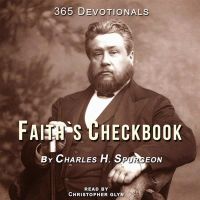
Faiths CheckbookCharles Spurgeon12h 44m4.7 (3.2K)$11 · $0.00
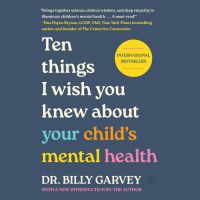
Ten Things I Wish You Knew About Your Child's Mental HealthDr. Billy Garvey4h 53m4.7 (2.4K)$20 · $0.00
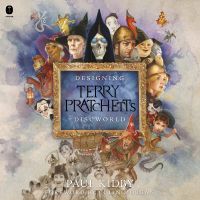
Designing Terry Pratchett’s DiscworldPaul Kidby3h 52m4.7 (343)$20 · $0.00
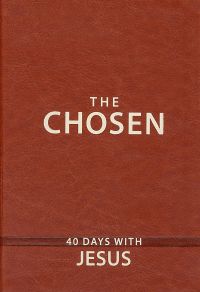
The Chosen Book OneAmanda Jenkins, Kristen Hendricks, Dallas Jenkins3h 8m4.6 (4.9K)$10 · $0.00
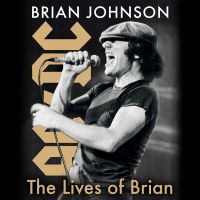
The Lives of BrianBrian Johnson9h 45m4.6 (3.5K)$29 · $0.00
Expository Thoughts on the Gospel of LukeJ.C. Ryle27h 13m4.7 (536)$18 · $0.00

CrossroadsKaleb Dahlgren7h 56m4.6 (4.9K)$26 · $0.00

Across the RiverKent Babb11h 40m4.6 (927)$29 · $0.00
Brain Training for RidersAndrea Monsarrat Waldo5h 56m4.7 (550)$19 · $0.00
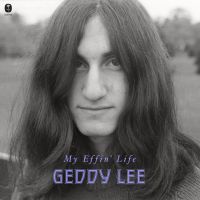
My Effin' LifeGeddy Lee17h 11m4.6 (13.1K)$40 · $0.00
Kings and PawnsHoward Bryant10h 9m4.6 (678)$29 · $0.00
The Elementia Chronicles #2: The New OrderSean Fay Wolfe11h 17m4.6 (841)$29 · $0.00
The ActsLuke2h 55m4.6 (19.7K)$12 · $0.00
New Testament - Easy NavigationWorld English Bible19h 35m4.6 (1.3K)$1.30 · $0.00
You may also like
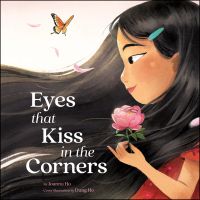
Eyes That Kiss in the CornersJoanna Ho5m4.6 (13.3K)$4 · $0.00
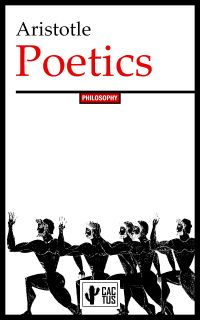
PoeticsAristotle1h 54m4.1 (45.6K)$4 · $0.00
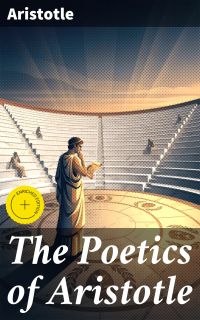
The Poetics of AristotleAristotle3h 3m4.1 (33.5K)$1 · $0.00
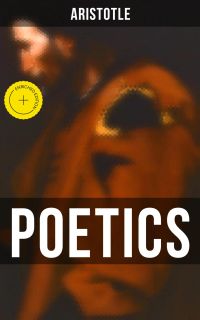
PoeticsAristotle3h 9m4.1 (41.2K)$1.99 · $0.00
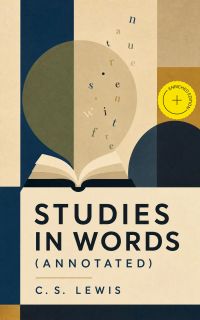
Studies in Words (Annotated)C. S. Lewis8h 49m4.3 (2.1K)$2 · $0.00
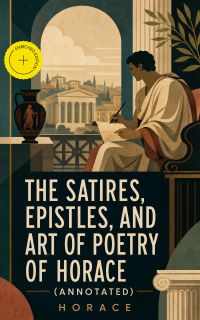
The Satires, Epistles, and Art of Poetry of Horace (Annotated)Horace6h 18m4.2 (1.1K)$2 · $0.00

Boogie Boogie, Y’allC.G. Esperanza4m3.7 (620)$4 · $0.00
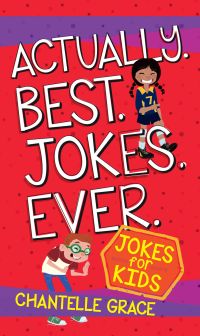
Actually Best Jokes EverChantelle Grace45m4.2 (18)$5 · $0.00
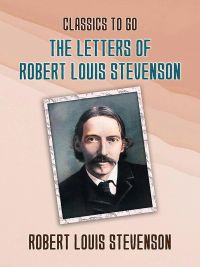
The Letters of Robert Louis StevensonRobert Louis Stevenson11h 41m4.0 (32)$2.30
Ezra Pound: His Metric and PoetryT. S. Eliot2h 14m3.9 (39)$2 · $0.00
Appreciations, with an Essay on StyleWalter Pater6h 52m3.7 (58)$2 · $0.00
An A. B. C. of every-day peopleG. E. Farrow13m$2.30 · $0.00
Puns 4 UTheobaldo Vieira Monteiro1m$6 · $0.00
Play On WordsTheobaldo Vieira Monteiro1m$6 · $0.00
The Bibliography of Walt WhitmanFrank Shay8m$1 · $0.00
Love's Labour's Lost (The Unabridged Play) + The Classic Biography: The Life of William Shakespeare (Annotated)William Shakespeare17h 12m$1.99 · $0.00
All of Me (Singer Pro)Bill Brown Jr.1h 27m$10

The MedleyAnonymous5m$2 · $0.00
Charles Baudelaire: A StudyArthur Symons4h 18m$2 · $0.00
The Art of English Poetry (1708)Edward active 1702-1712 Bysshe1h 48m$2 · $0.00