
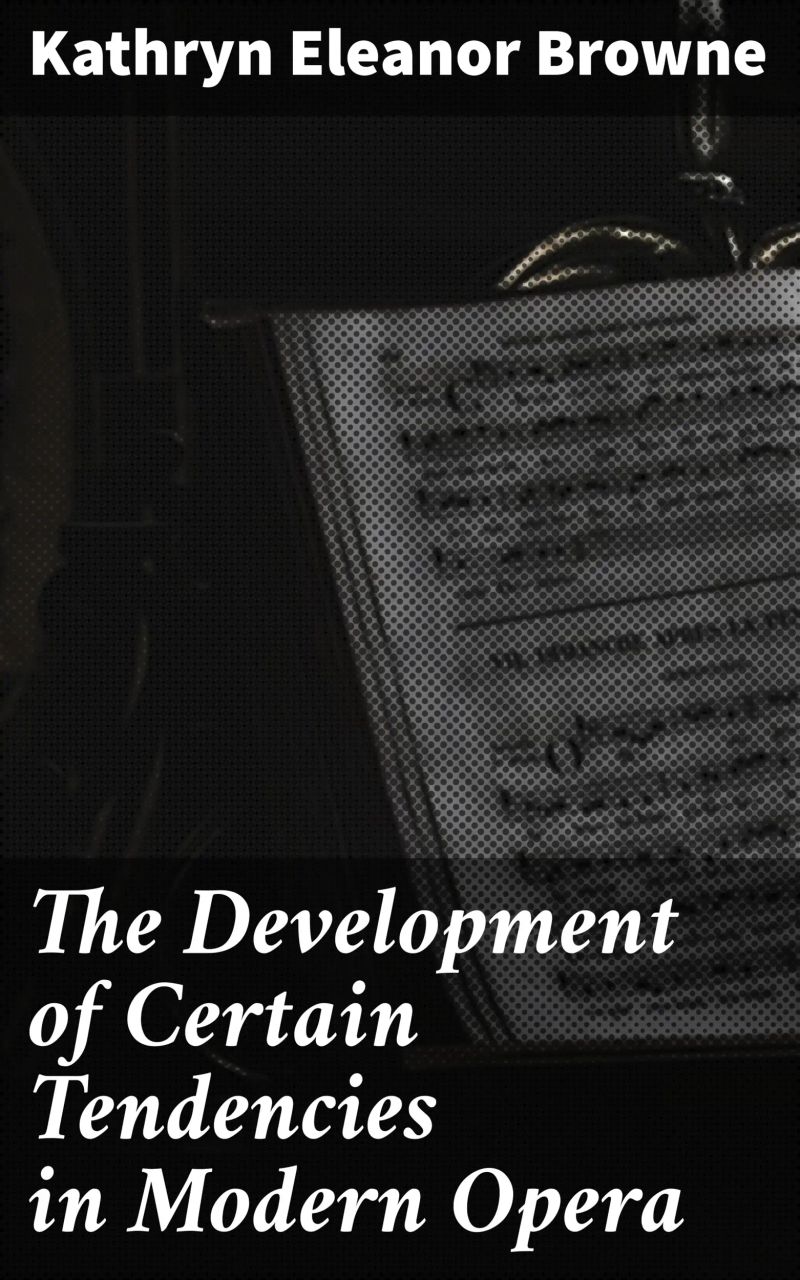
The Development of Certain Tendencies in Modern Opera
Thesis for the degree of Bachelor of MusicBy Kathryn Eleanor Browne

Length1h 46m
About this audiobook
In "The Development of Certain Tendencies in Modern Opera," Kathryn Eleanor Browne meticulously explores the evolution of opera from the late 19th century to the contemporary era, highlighting key stylistic innovations and thematic shifts that have redefined this illustrious art form. Employing a comprehensive analytical framework, Browne examines works by seminal composers, integrating musicological theory with cultural commentary to showcase how societal changes have shaped operatic narratives and structures. Her incisive prose and scholarly approach invite readers to consider opera not merely as performance but as a dynamic reflection of human experience and emotion, intricately intertwined with historical contexts. Kathryn Eleanor Browne, a prominent figure in musicology and opera studies, draws from her extensive background in both performance and academic research. Her personal journey as a musician and her profound appreciation for the opera tradition have informed her insights, enabling her to present an in-depth analysis of how operatic expressions have adapted to modern sensibilities. Browne's academic rigor is matched by her passion, as she seeks to bridge the gap between scholarly discourse and the general public'Äôs understanding of opera. This book is essential for both scholars and opera enthusiasts seeking to deepen their appreciation for the genre's contemporary dimensions. Browne's engaging narrative and profound insights make "The Development of Certain Tendencies in Modern Opera" a must-read for anyone interested in the interplay between art and society.
Audiobook details
GenreOther
Length1 hr 46 mins
Narrated byListen with 1,000+ voices
FormateBook with Audio
Publish dateMay 19, 2021
LanguageEnglish
Table of contents
1INTRODUCTION.
2I. THE BEGINNINGS OF OPERA TO GLUCK.
3II. GLUCK.
4III. ROSSINI AND HIS SCHOOL UP TO WAGNER.
5IV. WAGNER.
Show all chaptersShow less
6V. POST WAGNERIAN SCHOOL—INCLUDING MODERN RUSSIAN, FRENCH, ITALIAN, GERMAN, AND AMERICAN COMPOSERS.
7APPENDIX OF TABLES.
8TABLE I. GENERAL.
9TABLE II. NUMBER AND KIND OF CHARACTERS.
10TABLE III. ORCHESTRATION.
11TABLE IV. SOLOS.
12TABLE V. RECITATIVE.
13TABLE VI. ENSEMBLE
14TABLE VII. CHORUS
15BIBLIOGRAPHY.
16Books.
17Program Notes.
18Special Articles in the Programs.
19Aid has been recieved from the following first hand sources.
20Magazine Articles.
Mere ChristianityC. S. Lewis7h 7m4.4 (519.7K)$24 · $0.00

Her Daily BreadKate Wood12h 57m4.6 (153)$33 · $0.00
The Holy Bible - 1 SamuelKing James2h 13m4.8 (1.6K)$3 · $0.00

The American Standard Bible — The Gospel of MatthewMatthew3h 56m4.7 (3K)$2 · $0.00

Bad Fat Black GirlSesali Bowen6h 32m4.7 (2.8K)$24 · $0.00
The King James Audio Bible New Testament CompleteChristopher Glyn20h 2m4.7 (2.6K)$12 · $0.00
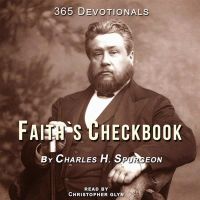
Faiths CheckbookCharles Spurgeon12h 44m4.7 (3.2K)$11 · $0.00
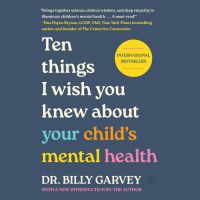
Ten Things I Wish You Knew About Your Child's Mental HealthDr. Billy Garvey4h 53m4.7 (2.4K)$20 · $0.00
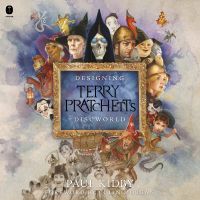
Designing Terry Pratchett’s DiscworldPaul Kidby3h 52m4.7 (343)$20 · $0.00
The Chosen Book OneAmanda Jenkins, Kristen Hendricks, Dallas Jenkins3h 8m4.6 (4.9K)$10 · $0.00
The Lives of BrianBrian Johnson9h 45m4.6 (3.5K)$29 · $0.00
Expository Thoughts on the Gospel of LukeJ.C. Ryle27h 13m4.7 (536)$18 · $0.00
CrossroadsKaleb Dahlgren7h 56m4.6 (4.9K)$26 · $0.00

Across the RiverKent Babb11h 40m4.6 (927)$29 · $0.00
Brain Training for RidersAndrea Monsarrat Waldo5h 56m4.7 (550)$19 · $0.00

My Effin' LifeGeddy Lee17h 11m4.6 (13.1K)$40 · $0.00
Kings and PawnsHoward Bryant10h 9m4.6 (678)$29 · $0.00

The Elementia Chronicles #2: The New OrderSean Fay Wolfe11h 17m4.6 (841)$29 · $0.00
The ActsLuke2h 55m4.6 (19.7K)$12 · $0.00

New Testament - Easy NavigationWorld English Bible19h 35m4.6 (1.3K)$1.30 · $0.00
You may also like
The Orbis Pictus (Annotated)Johann Amos Comenius5h 51m4.2 (653)$2 · $0.00

Everybody Has a Podcast (Except You)Justin McElroy, Travis McElroy, Griffin McElroy5h 9m4.3 (2.3K)$24 · $0.00

Fancy Nancy: The Dazzling Book ReportJane O'Connor7m4.2 (1.7K)$4 · $0.00
Fancy Nancy Sees StarsJane O'Connor7m4.3 (2.2K)$4 · $0.00
Morris Goes to SchoolB. Wiseman10m4.3 (5.3K)$4 · $0.00

Love That DogSharon Creech36m4.2 (69.9K)$9 · $0.00
AP Precalculus Exam Study GuideMarie Peterson7h 2m$10

Start Early, Finish RichAnil Lamba3h 11m$20 · $0.00
First Steps, First Words- A Journey Through Baby MilestonesAurora Brooks1h 24m$3.50 · $0.00
William Dwight WhitneyThomas D. Seymour2h$1 · $0.00

Journal of a Tour in the Years 1828-1829, through Styria, Carniola, and ItalyJ. J. Tobin5h 15m$2 · $0.00
Investing For Beginners 2025Greg Marty1h 36m5.0 (3) Only with Ultra
My RecollectionsJules Massenet4h 51m4.0 (23)$2 · $0.00
Annals of Music in America: A Chronological Record of Significant Musical EventsHenry Charles Lahee7h 58m$1 · $0.00
Leonardo Da VinciMaurice W. Brockwell45m3.8 (27)$2 · $0.00

Visiting Day at School (Pixi Bedtime Stories 70)Ruth Rahlff4m$2 · $0.00

AMERIGO VESPUCCI – Discover the Man Behind the LegendChristopher Columbus, Bartolomé de las Casas, Amerigo Vespucci11h 17m$1 · $0.00

ReynoldsS. L. Bensusan12m$2 · $0.00

Little Ash Perfect Match!Ash Barty, Jasmin McGaughey18m4.3 (38)$10 · $0.00
Lord Kelvin: An account of his scientific life and workAndrew Gray6h 6m$2 · $0.00