
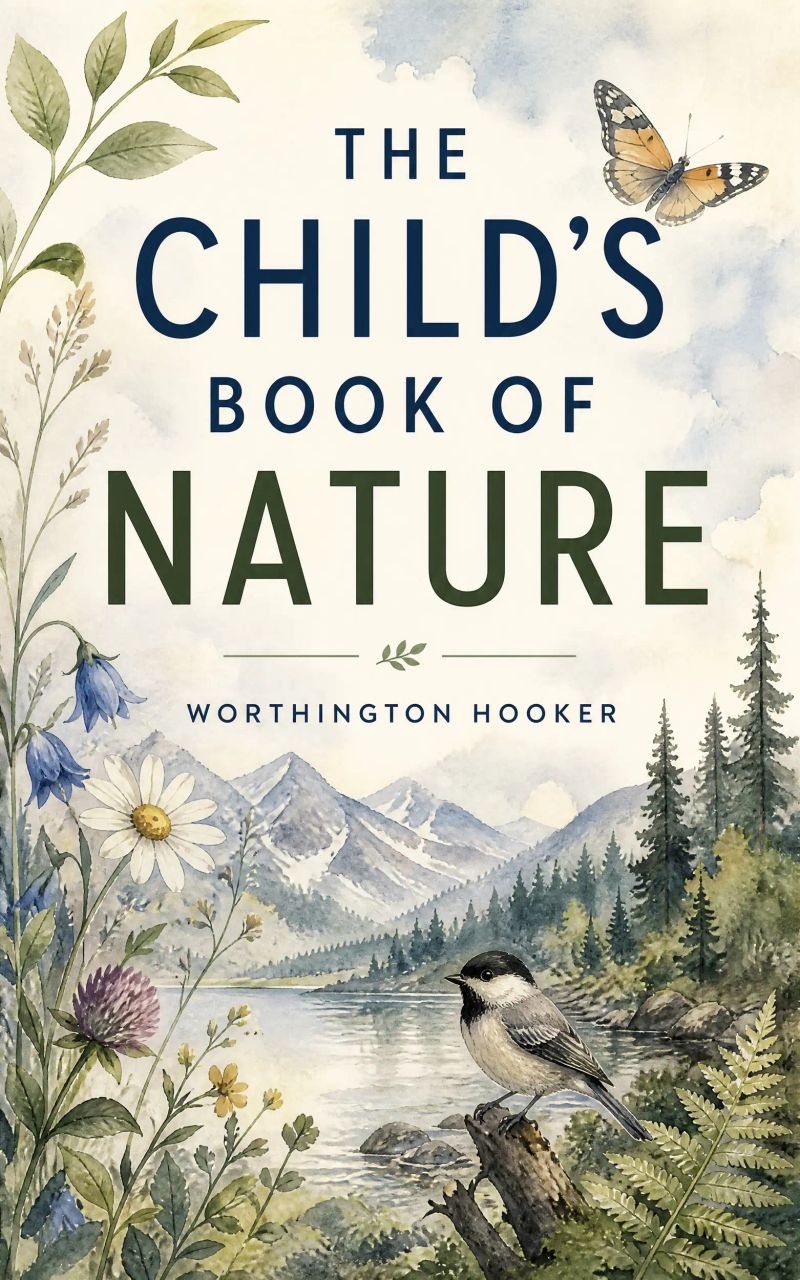
The Child's Book of Nature
A Nineteenth-Century Primer of Plants, Animals, Human Physiology, and Observation-Based LearningBy Worthington Hooker


Length13h 28m
About this audiobook
Worthington Hooker's *The Child's Book of Nature* is an early work of scientific instruction designed to introduce young readers to the natural world through clear explanations, concrete examples, and carefully sequenced observation. Organized around familiar phenomena—such as plants, animals, the human body, and ordinary physical processes—the book translates contemporary natural philosophy into accessible lessons without abandoning intellectual seriousness. Its conversational prose, questioning method, and emphasis on seeing and reasoning exemplify the nineteenth-century tradition of juvenile science writing, in which moral education and empirical knowledge were closely allied. Rather than treating nature as a collection of facts to memorize, Hooker presents it as an intelligible order that children can investigate through attentive experience. Hooker was an American physician and educator whose professional commitment to public understanding of science shaped his literary work. Writing during a period when common-school reform, popular science, and changing ideas about childhood were expanding the audience for educational books, he sought to replace rote instruction with guided inquiry. His medical background encouraged precision about bodily processes and health, while his pedagogical interests led him to address children in an encouraging, respectful voice. The book thus reflects both the authority of nineteenth-century science and an emerging confidence in children's capacity for independent observation. This volume will reward readers interested in the history of science education, Victorian and American children's literature, and the cultural formation of scientific habits. It remains valuable not merely as a historical artifact but as a model of patient explanation and curiosity-driven learning. Teachers, historians, parents, and readers fascinated by the literary presentation of science will find in Hooker's work an instructive, humane, and revealing encounter with the educational ideals of its age.
Audiobook details
Rating★★★★ 4.1 (41)
Includes Amazon, Goodreads, LibraryThing
GenreChildren's Literature
Length13 hrs 28 mins
Narrated byListen with 1,000+ voices
FormateBook with Audio
Publish dateNov 21, 2023
LanguageEnglish
Table of contents
1Nathaniel Hawthorne's Wonderful Tales for Children (Illustrated) (Annotated)
2CHAPTER I. OUR LOVE FOR FLOWERS.
3CHAPTER II. MORE ABOUT OUR LOVE FOR FLOWERS.
4CHAPTER III. HOW FLOWERS ARE MADE.
5CHAPTER IV. THE COLORS OF FLOWERS.
Show all chaptersShow less
6CHAPTER V. THE PERFUME OF FLOWERS.
7CHAPTER VI. THE SHAPES OF FLOWERS.
8CHAPTER VII. HABITS OF FLOWERS.
9CHAPTER VIII. MORE ABOUT THE HABITS OF FLOWERS.
10CHAPTER IX. WHAT LIVE ON FLOWERS.
11CHAPTER X. MORE ABOUT WHAT LIVE ON FLOWERS.
12CHAPTER XI. WHAT THE BIBLE SAYS ABOUT FLOWERS.
13CHAPTER XII. FRUITS.
14CHAPTER XIII. MORE ABOUT FRUITS.
15CHAPTER XIV. WHAT SEEDS ARE FOR.
16CHAPTER XV. LIFE IN THE SEED.
17CHAPTER XVI. HOW SEEDS ARE SCATTERED.
18CHAPTER XVII. LEAVES.
19CHAPTER XVIII. MORE ABOUT LEAVES.
20CHAPTER XIX. THE SAP IN LEAVES.
21CHAPTER XX. THE USES OF LEAVES.
22CHAPTER XXI. LEAVES IN THE AUTUMN.
23CHAPTER XXII. LEAF-BUDS.
24CHAPTER XXIII. THE COVERINGS OF THE BUDS.
25CHAPTER XXIV. WHAT ROOTS ARE FOR.
26CHAPTER XXV. MORE ABOUT ROOTS.
27CHAPTER XXVI. STALKS AND TRUNKS.
28CHAPTER XXVII. THE BARK OF TREES AND SHRUBS.
29CHAPTER XXVIII. THE WOOD IN TREES AND SHRUBS.
30CHAPTER XXIX. WHAT IS MADE FROM SAP.
31CHAPTER XXX. MORE ABOUT WHAT IS MADE FROM SAP.
32CHAPTER XXXI. CIRCULATION OF THE SAP.
33CHAPTER XXXII. THE SLEEP AND THE DEATH OF PLANTS.
34CHAPTER XXXIII. CONCLUSION.
35THE CHILD’S BOOK OF NATURE.
36PREFACE.
37CHAPTER I. WHAT IS MADE FROM THE BLOOD.
38CHAPTER II. MORE ABOUT WHAT IS MADE FROM THE BLOOD.
39CHAPTER III. HOW THE BLOOD IS MADE.
40CHAPTER IV. MOTHER EARTH.
41CHAPTER V. THE STOMACH AND THE TEETH.
42CHAPTER VI. MORE ABOUT THE TEETH.
43CHAPTER VII. THE CIRCULATION OF THE BLOOD.
44CHAPTER VIII. BREATHING.
45CHAPTER IX. BRAIN AND NERVES.
46CHAPTER X. HOW THE MIND GETS KNOWLEDGE.
47CHAPTER XI. SEEING.
48CHAPTER XII. HOW THE EYE IS GUARDED.
49CHAPTER XIII. HEARING.
50CHAPTER XIV. THE SMELL, THE TASTE, AND THE TOUCH.

Big Nate Blasts OffLincoln Peirce2h 4m4.7 (13.7K)$16 · $0.00
A Wolf Called FireRosanne Parry4h 7m4.7 (1.2K)$7 · $0.00
The Daughter of AuschwitzTova Friedman3h 2m4.6 (15.6K)$18 · $0.00

RevolutionariesSanjeev Sanyal7h 25m4.6 (1.9K)$24 · $0.00

Warriors #6: The Darkest HourErin Hunter8h 8m4.6 (70.2K)$26 · $0.00

Bible 09: 1 SamuelKing James2h 28m4.6 (1.6K)$12 · $0.00

The Complete Works of Beatrix Potter: 22 Children's Books with Original IllustrationsBeatrix Potter5h 3m4.6 (3.9K)$1.99 · $0.00

The Violet Fairy Book (Annotated)Andrew Lang11h 39m4.7 (304)$2 · $0.00

Little Lord Fauntleroy (Annotated)Frances Hodgson Burnett7h 56m4.6 (1.5K)$1.99 · $0.00
The Nutcracker and The Mouse King (Annotated)E.T.A. Hoffmann4h 4m4.6 (1.5K)$2 · $0.00
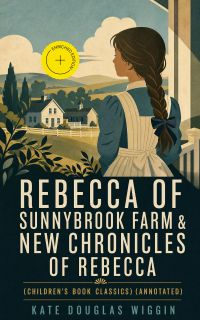
REBECCA OF SUNNYBROOK FARM & NEW CHRONICLES OF REBECCA (Children's Book Classics) (Annotated)Kate Douglas Wiggin15h 32m4.6 (1.4K)$1.99 · $0.00
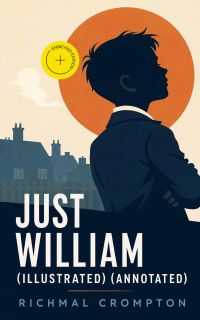
Just William (Illustrated) (Annotated)Richmal Crompton6h 30m4.6 (1.2K)$2 · $0.00
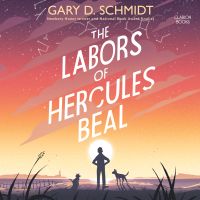
The Labors of Hercules BealGary D. Schmidt8h 17m4.6 (10.4K)$8 · $0.00

Clancy of the Overflow (The Matilda Saga, #9)Jackie French14h 24m4.6 (471)$33 · $0.00
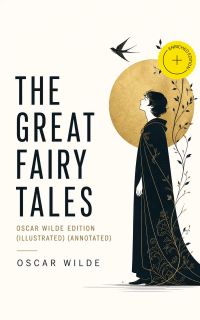
The Great Fairy Tales - Oscar Wilde Edition (Illustrated) (Annotated)Oscar Wilde6h 31m4.6 (1.1K)$2 · $0.00
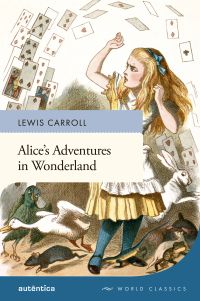
Alice's Adventures in WonderlandLewis Carroll3h4.5 (5.9K)$7.99 · $0.00

The Boy Who Followed His Father into AuschwitzJeremy Dronfield6h 54m4.5 (28.5K)$24 · $0.00
Bat and the End of EverythingElana K. Arnold2h 40m4.6 (2.3K)$18 · $0.00
Chronicles of Ancient Darkness #6: Ghost HunterMichelle Paver6h 20m4.5 (11.7K)$24 · $0.00

Masterminds: PaybackGordon Korman6h 51m4.5 (5.8K)$24 · $0.00
You may also like

The Mountains of California (Illustrated Edition)John Muir9h 55m4.3 (5.1K)$1 · $0.00
Poems for Two VoicesPaul Fleischman32m4.2 (15.1K)$10
A Child's Garden of VersesRobert Louis Stevenson40m4.4 (135.8K)$2 · $0.00
The Story-book of Science (Annotated)Jean-Henri Fabre10h 50m4.1 (425)$1.99 · $0.00

The Mountains of California (Illustrated Edition)John Muir10h 1m4.3 (2.2K)$1 · $0.00

The Sea Around UsRachel Carson10h4.2 (8.7K)$1 · $0.00
Ruby Red ShoesKate Knapp32m4.4 (490)$9 · $0.00
A Week on the Concord and Merrimack RiversHenry David Thoreau12h 39m3.8 (1.4K)$25

The Mountains of California (Illustrated Edition)John Muir11h 16m4.1 (1.4K)$1 · $0.00
Plants And Their ChildrenFrances Theodora Parsons6h 14m$2.30

Nature Near LondonRichard Jefferies5h 38m4.0 (16)$1 · $0.00

Exploring Microorganisms: 5 Classic Books on MicroscopyGeorge Adams, J. W. Griffith, Thomas Davies, Sylvester Marsh, J. G. Wood47h 4m$1.99 · $0.00

Moorland IdyllsGrant Allen4h 10m$1 · $0.00
The Orbis PictusJohann Amos Comenius5h 37m$1 · $0.00
The Poetry of Science; or, Studies of the Physical Phenomena of Nature (Annotated)Robert Hunt14h 50m$1.99 · $0.00

Cloud StudiesArthur William Clayden4h 11m$2 · $0.00

Florida trails as seen from Jacksonville to Key West and from November to April inclusiveWinthrop Packard5h 35m$2 · $0.00
Claude Monet: Vol 2Nathalia Brodskaïa, Nina Kalitina4h 33m$15.50 · $0.00

The Land of TomorrowWilliam B. Stephenson3h 25m$2 · $0.00

Hymns of the MarshesSidney Clopton Lanier29m$1 · $0.00