
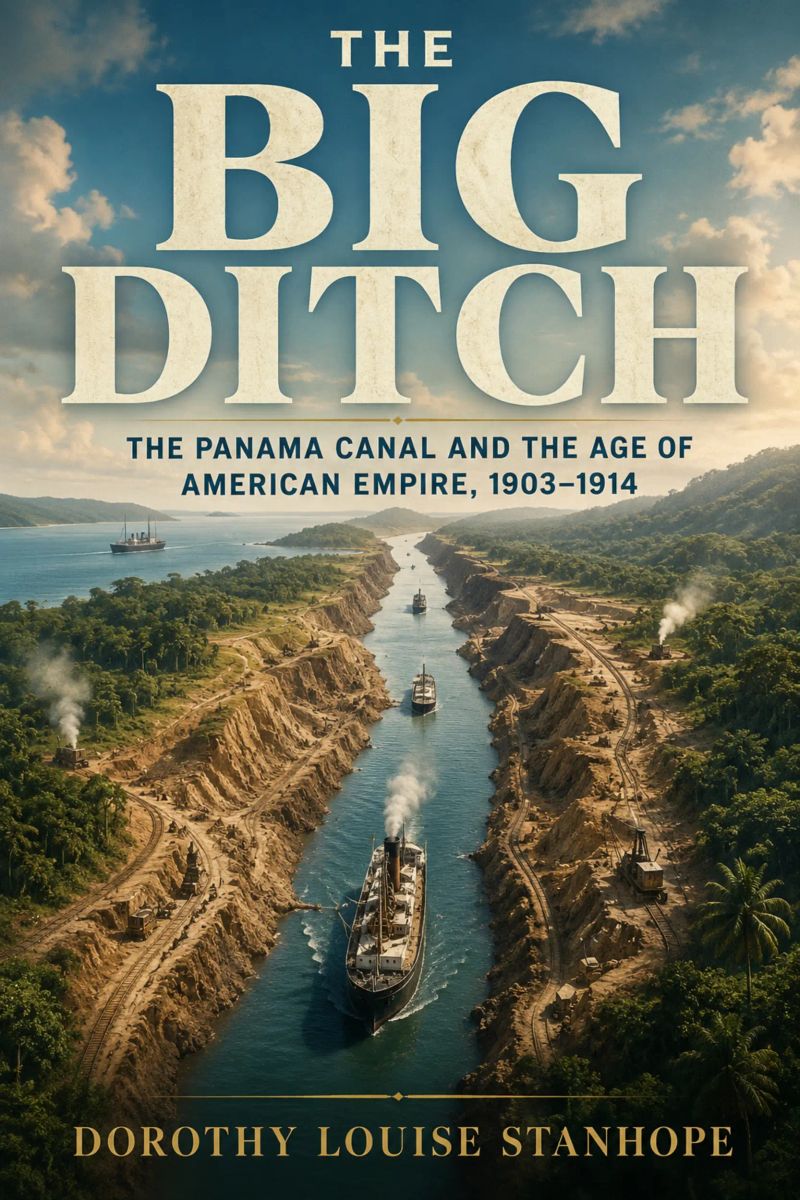
THE BIG DITCH
The Panama Canal and the Age of American Empire, 1903-1914By Dorothy Louise Stanhope


Length5h 59m
About this audiobook
August 15, 1914. A small steamer named the Ancon eased into a chamber of gray concrete the size of a city block — and the two great oceans of the world were joined for the first time in history.
The journey to that moment had taken sixty-four years, two failed European empires, a French bankruptcy that ruined a generation of investors, a U.S.-sponsored revolution, and the lives of more than twenty-five thousand workers buried in the mud of the isthmus. By the time the Ancon cleared the final lock, the canal had cost more than any project in American history, transformed the geography of global trade, and announced to the world that a new imperial power had arrived.
But the story most Americans inherited — of plucky engineers, of Theodore Roosevelt's swagger, of yellow fever conquered and a continent split — has always been only half the story. The other half belongs to the Barbadian and Jamaican workers paid in silver while Americans were paid in gold, to a Colombian province annexed by gunboat diplomacy, to a Panamanian nation that spent the next ninety years trying to claw back what was taken from it, and to a small French lobbyist whose theatrical use of a postage stamp may have rerouted the canal itself.
The Big Ditch tells the definitive story of the Panama Canal — the engineering, the empire, the disease, the diplomacy, and the cost. Drawing on archives in Washington, Panama City, Bridgetown, and Kingston, Dorothy Louise Stanhope reconstructs the canal's full arc, from de Lesseps' doomed dream in 1880 to the handover at noon on December 31, 1999. This is history as it actually happened — ambitious, brutal, brilliant, and impossible to put down.
Perfect for readers of David McCullough's The Path Between the Seas, Stephen Ambrose's narrative histories, and Erik Larson's deeply researched true-life epics.
Audiobook details
GenrePoetry, Historical Fiction, Mystery and Thriller
Length5 hrs 59 mins
Narrated byListen with 1,000+ voices
FormateBook with Audio
LanguageEnglish
Table of contents
1Introduction
2Author’s Note
3Prologue: The Dreams of De Lesseps
4PART ONE: THE ROAD TO PANAMA (1850-1903)
5Chapter 1: The French Failure — De Lesseps, Yellow Fever, and the Collapse of the First Canal
Show all chaptersShow less
6Chapter 2: Nicaragua vs. Panama — The Route Debate and the Lobbyist's Stamp
7Chapter 3: The Hay-Herran Treaty — Colombia's Refusal and Roosevelt's Fury
8Chapter 4: The Panama Revolution — American Warships and Instant Recognition
9PART TWO: BUILDING THE CANAL (1904-1914)
10Chapter 5: The Medical Miracle — Gorgas, Yellow Fever, and the Eradication of Disease
11Chapter 6: Goethals Takes Command — The Army Engineer Who Made the Canal
12Chapter 7: The Culebra Cut — Digging Through the Continental Divide
13Chapter 8: The Locks — Engineering the Water Staircase
14PART THREE: THE WORKERS' CANAL
15Chapter 9: The Silver and Gold Rolls — Racial Segregation on the Canal Zone
16Chapter 10: West Indian Workers — Barbadians, Jamaicans, and the Caribbean Labor Force
17Chapter 11: American Workers — The Silver and Gold Wage System
18Chapter 12: Accidents, Disease, and the Human Cost of Construction
19PART FOUR: THE CANAL ZONE
20Chapter 13: American Empire in Panama — The Canal Zone as Colonial Possession
21Chapter 14: Panamanian Resentment — Sovereignty, Humiliation, and the Growing Conflict
22Chapter 15: The Canal Zone Society — American Life in a Tropical Colony
23Chapter 16: Strategic Value — The Canal and American Naval Power
24PART FIVE: THE OPENING AND EARLY OPERATION
25Chapter 17: The Opening — August 1914 and the War That Overshadowed the Triumph
26Chapter 18: The Canal in World War I and World War II — Strategic Military Value
27Chapter 19: The 1964 Flag Riots — Panamanian Nationalism and the First Crisis
28Chapter 20: The Torrijos-Carter Treaties — Returning the Canal
29PART SIX: LEGACIES
30Chapter 21: Handover — December 31, 1999, and Panamanian Control
31Chapter 22: The Expanded Canal — The Panama Canal Today and the Third Set of Locks
32Chapter 23: American Empire — What the Canal Represents in the History of U.S. Foreign Policy
33Chapter 24: Engineering Legacy — The Canal's Place in the History of Infrastructure
34Epilogue: The Canal at One Hundred
35Acknowledgments
36Selected Bibliography
37About the Author
More from Dorothy Louise Stanhope


The Complete Poetical Works of Edgar Allan Poe (Illustrated)Edgar Allan Poe18h 27m4.5 (4.2K)$2 · $0.00

The Complete Poetry (Annotated)Oscar Wilde6h 44m4.5 (15.5K)$2 · $0.00

Saundarya LahariUnknown Author3h 16m4.6 (256)$18 · $0.00

The Mesnevi (Annotated)Maulana Jalal al-Din Rumi18h 41m4.5 (4.2K)$2 · $0.00

Songs of a SourdoughRobert W. Service2h 13m4.5 (13.6K)$1 · $0.00

Little Flower of Jesus (Annotated)Thérèse of Lisieux5h 4m4.5 (1.4K)$0.99 · $0.00

The Poems of LeopardiGiacomo Leopardi3h 9m4.5 (3.6K)$2 · $0.00

Nikki Giovanni: Love Poems & A Good CryNikki Giovanni2h 44m4.6 (405)$18 · $0.00

The Complete Poetry of Walt Whitman (Annotated)Walt Whitman19h 58m4.5 (4.2K)$0.99 · $0.00
A Year with RumiColeman Barks5h 56m4.5 (2.6K)$24 · $0.00
Complete Poetry of Rudyard Kipling (Annotated)Rudyard Kipling22h 50m4.5 (2.6K)$1.99 · $0.00

The Complete PoemsPaul Laurence Dunbar12h 40m4.5 (1.5K)$21 · $0.00

The Odes of John Keats - Complete CollectionJohn Keats22h 16m4.5 (1.3K)$1 · $0.00

SonnetsWilliam Shakespeare2h 39m4.4 (128.3K)$3 · $0.00

PoemsEdna St. Vincent Millay2h 39m4.5 (1.3K)$2 · $0.00

PoemsW. B. Yeats5h 6m4.4 (46.9K)$1 · $0.00

Metamorphoses (Annotated)Ovid28h 37m4.3 (80.8K)$2 · $0.00

THE FLOWERS OF EVILCharles Baudelaire2h 28m4.3 (94.6K)$1.99 · $0.00

A Book of Strife in the Form of The Diary of an Old SoulGeorge MacDonald2h 9m4.4 (839)$2 · $0.00

Paradise Lost + Paradise Regained (2 Unabridged Classics + Original Illustrations by Gustave Doré) (Annotated)John Milton11h 56m4.4 (2.2K)$3 · $0.00

A Christmas Carol (Illustrated Edition)Charles Dickens3h 23m4.5 (21.2K)$1.99 · $0.00

Rilla of InglesideLucy Maud Montgomery11h 44m4.5 (48.2K)$2 · $0.00

The Viennese DressmakerKathryn Gauci11h 46m4.5 (2.1K)$23 · $0.00

The Man in the Brown Suit & They Came to BaghdadAgatha Christie15h 43m4.6 (495)$33 · $0.00

Under the Light of the Italian MoonJennifer Anton12h 28m4.5 (5.3K)$23 · $0.00

Jubilee, 50th Anniversary EditionMargaret Walker15h 43m4.5 (9.5K)$25 · $0.00

Pride and PrejudiceJane Austen14h 44m4.4 (4.7M)$2 · $0.00

Flying Colours (Annotated)Cecil Louis Troughton Smith9h 26m4.4 (10.1K)$2 · $0.00
With Love from HarlemReShonda Tate13h 48m4.5 (2K)$6 · $0.00

Sweet Home Highland ChristmasMay McGoldrick, Jan Coffey2h 54m4.5 (1.4K)$7 · $0.00

Rilla of InglesideL. M. Montgomery12h 25m4.4 (67.5K)$2 · $0.00

Death Comes for the Archbishop (Annotated)Willa Cather9h 13m4.4 (4.7K)$2 · $0.00

The Alice NetworkKate Quinn15h 7m4.4 (887.1K)$33 · $0.00

The Goddess of WarsawLisa Barr13h 4m4.4 (36.4K)$33 · $0.00

The Ohio River Trilogy: Betty Zane, The Spirit of the Border & The Last TrailZane Grey29h 8m4.4 (1.8K)$1 · $0.00

The Attic ChildLola Jaye14h 46m4.4 (21K)$33 · $0.00

Martyr of the CatacombsJames De Mille3h 41m4.5 (744)$1 · $0.00

Quo VadisHenryk Sienkiewicz22h 52m4.4 (62K)$21 · $0.00

Bring Up The BodiesHilary Mantel14h 35m4.4 (150K)$33 · $0.00

By the Shores of Silver LakeLaura Ingalls Wilder7h 38m4.4 (103.7K)$1 · $0.00

Glen AffricKarine Giebel22h 51m4.5 (3.2K)$46 · $0.00

Deadly Badlands PursuitSharee Stover5h 53m4.6 (361)$12 · $0.00

Crime and Punishment (The Unabridged Garnett Translation) (Annotated)Fyodor Dostoevsky24h 25m4.5 (15.4K)$0.99 · $0.00
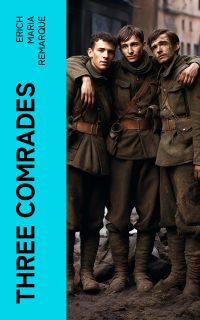
Three ComradesErich Maria Remarque15h 50m4.5 (47.3K)$2 · $0.00

AngelAnita Waller10h 30m4.6 (672)$30 · $0.00

The BorderDon Winslow29h 8m4.5 (35.7K)$53 · $0.00
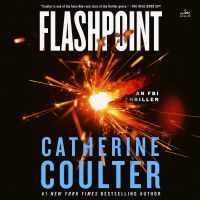
FlashpointCatherine Coulter11h 38m4.5 (11.6K)$29 · $0.00

The Gothic Works of Edgar Allan Poe (Illustrated Edition)Edgar Allan Poe21h 5m4.5 (2.9K)$1.99 · $0.00
The Man in the Brown Suit & They Came to BaghdadAgatha Christie15h 43m4.6 (495)$33 · $0.00

Fang Si-Chi's First Love ParadiseYi-Han Lin8h 25m4.5 (4K)$26 · $0.00
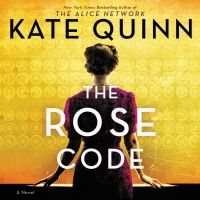
The Rose CodeKate Quinn16h 2m4.4 (493.7K)$33 · $0.00

No Woman Left BehindJulie Moffett8h 49m4.5 (3K)$25 · $0.00

CovertJanie Crouch6h 15m4.5 (2K)$12 · $0.00
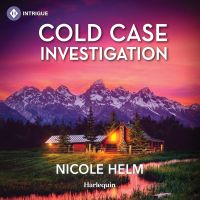
Cold Case InvestigationNicole Helm5h 30m4.6 (321)$5 · $0.00

The Lost Weekend (Annotated)Charles Jackson9h 46m4.5 (1K)$0.99 · $0.00

The ReunionJana DeLeon6h 31m4.5 (1.6K)$12 · $0.00

Courage Under FireSharon Dunn5h 50m4.5 (730)$24 · $0.00

Decoding the TruthJulie Miller7h 31m4.6 (350)$12 · $0.00

Murder Gone ColdB.J. Daniels5h 50m4.5 (562)$12 · $0.00

Crime and PunishmentFyodor Mikhailovich Dostoevsky22h 22m4.4 (1.3M)$0.60 · $0.00
You may also like

Cadillac Desert, Revised and Updated EditionMarc Reisner27h 56m4.4 (13.6K)$30
Cat TaleCraig Pittman9h 45m4.3 (1.6K)$29 · $0.00

Water to the AngelsLes Standiford9h 11m4.0 (1.4K)$29 · $0.00

Panama FeverMatthew Parker15h 8m4.1 (1.7K)$30

Atoms and AshesSerhii Plokhy12h 8m4.2 (2.6K)$23

The Great HungerCecil Woodham-Smith18h 23m4.3 (2.3K)$28
Summary of Silent SpringRachel Carson2h 29m4.2 (82.5K)$7 · $0.00

A Crack in the Edge of the WorldSimon Winchester12h 31m4.0 (10.6K)$33 · $0.00

A Wolf Called RomeoNick Jans9h 49m4.3 (6.3K)$29 · $0.00

Life with Wildlife - 2, ADr M.K. Ranjitsinh7h 52m4.6 (29)$8

Landscapes of LossKavitha Iyer9h 45m4.4 (146)$16 · $0.00
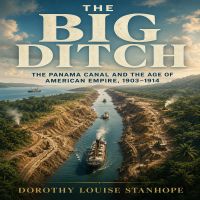
the big ditchDorothy Louise Stanhope5h 17m$10 · $0.00

Walking Purchase: The Lenape, the Fraud, and the Road WestMarcus Aldridge Bennett3h 24m$6

The American WestSantiago Machain5h 17m$21 · $0.00

In Deep WaterPeter Lehner4h 26m3.5 (116)$12 · $0.00

The Cradle of Mankind; Life in Eastern KurdistanEdgar Thomas Ainger Wigram, W. A. Wigram10h 15m$2 · $0.00
LatitudeNicholas Crane6h 35m3.9 (576)$17

The Mayflower Voyage: Premium Edition - 4 Book CollectionWilliam Bradford, Azel Ames, Bureau of Military and Civic Achievement29h 19m$1 · $0.00
Another Load of BullDavid Read6h 25m$17 · $0.00

Good Newes from New EnglandEdward Winslow4h 21m3.9 (75)$2 · $0.00