
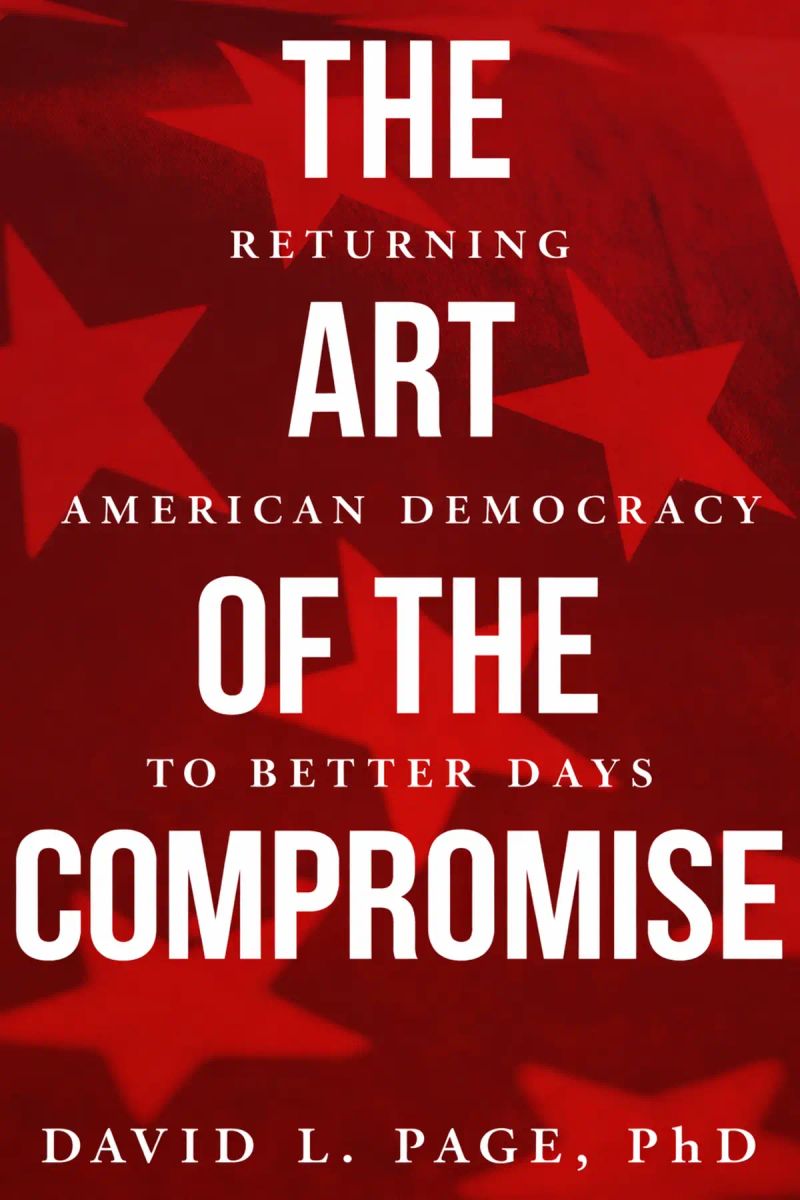
The Art of the Compromise
Returning American Democracy to Better DaysBy David Lon Page, Ph.D.


Length6h 16m
About this audiobook
American democracy has always been noisy—factions, protests, even riots. From the Boston Tea Party to January 6, discord has been part of the national story. Yet through conflict, the Republic has endured and adapted.
David L. Page, Ph.D., shows how America’s strength lies not in unanimity of thought but in an ideal of unity. Drawing on Madison, Lincoln, Reagan, and modern political struggles, he argues that compromise is not weakness but resilience—the discipline that bends without breaking.
Page contrasts the “Tyranny of the Deal” with the “Art of the Compromise,” where two sides forge solutions stronger than either could create alone. He traces how the American two-party system, when functioning well, differentiates competing visions and integrates them into durable policy.
At a time of deep polarization, The Art of the Compromise reminds us that democracy’s survival depends not on crushing opposition, but on weaving differences into a common good.
Audiobook details
GenrePolitics and Government
Length6 hrs 16 mins
Narrated byListen with 1,000+ voices
FormateBook with Audio
Publish dateMar 4, 2026
LanguageEnglish
Table of contents
100 Front Matter
605 Chapter 3 - Of Two Minds
201 Preface
706 Chapter 4 - With Compromise
302 Introduction
807 Chapter 5 - Beyond the Deal
403 Chapter 1 - Out of Many
908 Acknowledgments
504 Chapter 2 - Into One Soul
1009 Back Matter
More from David Lon Page, Ph.D.

Balcony Over Jerusalem: A Middle East Memoir - Israel, Palestine and BeyondJohn Lyons12h 37m4.6 (1.4K)$33 · $0.00
RiggedMollie Hemingway12h 48m4.6 (4.2K)$23 · $0.00

SledgehammerDavid Friedman8h 21m4.7 (589)$26 · $0.00
Citizenship in a Republic (Annotated)Theodore Roosevelt2h 44m4.6 (1.4K)$2 · $0.00

No EscapeNury Turkel9h 30m4.6 (809)$28 · $0.00

Always FaithfulThomas Schueman, Zainullah Zaki12h 12m4.6 (977)$29 · $0.00
UnthinkableJamie Raskin15h 8m4.5 (9.3K)$8 · $0.00

My Fourth Time, We DrownedSally Hayden13h 59m4.6 (2.9K)$23 · $0.00

A Revolution of Common SenseScott Jennings9h 29m4.6 (528)$29 · $0.00
Statement From the Dock at the Rivonia TrialNelson Mandela2h 18m4.6 (1.3K)$1 · $0.00

Lessons from the EdgeMarie Yovanovitch17h 11m4.5 (5.9K)$40 · $0.00
To Rescue the American SpiritBret Baier10h 12m4.5 (2.7K)$8 · $0.00

StonewalledSharyl Attkisson15h 19m4.5 (4.3K)$33 · $0.00
The World According to Orwell: 1984 & Animal FarmGeorge Orwell15h 42m4.6 (1.1K)$1 · $0.00
Basic EconomicsThomas Sowell18h 32m4.5 (29.3K)$28 · $0.00
To Rescue the RepublicBret Baier, Catherine Whitney11h 42m4.5 (8.6K)$29 · $0.00

Modern WarriorsPete Hegseth7h 10m4.5 (4.7K)$24 · $0.00
Philosophy and Opinions of Marcus Garvey (Annotated)Marcus Mosiah Garvey4h 42m4.5 (1.7K)$1.99 · $0.00

A Plague Upon Our HouseScott W. Atlas MD10h 37m4.5 (3.4K)$20 · $0.00

One Bright MoonAndrew Kwong12h 21m4.5 (813)$29 · $0.00
You may also like

Reason, Faith, and the Struggle for Western CivilizationSamuel Gregg6h 1m4.2 (343)$20 · $0.00
HereticAyaan Hirsi Ali8h 56m4.3 (7K)$29 · $0.00
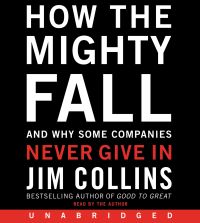
How the Mighty FallJim Collins4h 41m4.0 (14.7K)$20 · $0.00

South to AmericaImani Perry16h 33m4.1 (10.7K)$40 · $0.00

Learning to Eat Soup with a KnifeJohn A. Nagl8h 46m4.1 (2.6K)$20
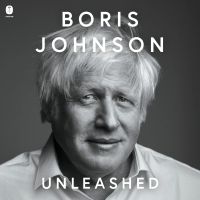
UnleashedBoris Johnson25h 41m4.1 (4.2K)$53 · $0.00
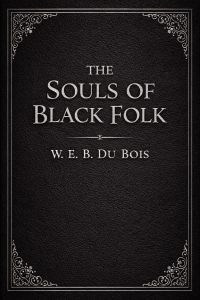
The Souls of Black FolkW. E. B. Du Bois7h 22m4.4 (60.4K)Free
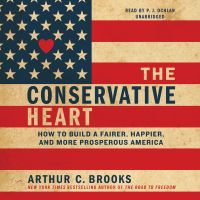
The Conservative HeartArthur C. Brooks8h 9m4.1 (2.1K)$20

IsraelDaniel Gordis16h 19m4.4 (6.7K)$40 · $0.00
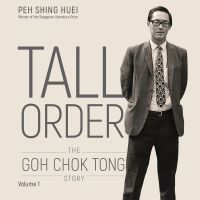
Tall Order: The Goh Chok Tong Story Volume 1Peh Shing Huei7h 53m4.2 (668)$9 · $0.00

The Paradox of JamestownChristopher Collier, James Lincoln Collier1h 43m4.1 (476)$15

The Jewish State (Annotated)Theodor Herzl5h 13m3.9 (3.2K)$2 · $0.00

The Best of EnemiesOsha Gray Davidson11h 1m4.2 (1.1K)$23
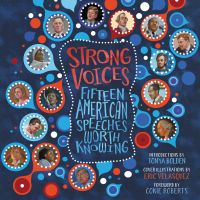
Strong VoicesTonya Bolden, Cokie Roberts3h 5m4.3 (353)$18 · $0.00

History of the American Civil War (Annotated)James Ford Rhodes16h4.1 (875)$2 · $0.00
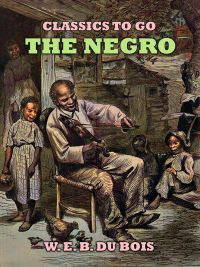
The NegroW. E. B. Du Bois6h 20m4.3 (477)$2.30

Inaugural Addresses of the Presidents of the United StatesUnited States Presidents14h 15m4.2 (1.4K)Free
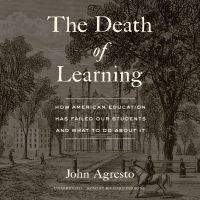
The Death of LearningJohn Agresto7h 40m3.9 (78)$17 · $0.00

Why We're LiberalsEric Alterman12h 34m3.7 (385)$23 · $0.00
Inaugural Speeches from the Presidents of the United States - Complete EditionGeorge Washington, John Adams, Thomas Jefferson, James Madison, James Monroe, John Quincy Adams, Andrew Jackson, Martin Van Buren, William Henry Harrison, James Knox Polk, Zachary Taylor, Franklin Pierce, James Buchanan, Abraham Lincoln, Ulysses S. Grant, Rutherford B. Hayes, James A. Garfield, Grover Cleveland, Benjamin Harrison, William McKinley, Theodore Roosevelt, William Howard Taft, Woodrow Wilson, Warren G. Harding, Calvin Coolidge, Herbert Hoover, Franklin D. Roosevelt, Harry S. Truman, Dwight D. Eisenhower, John F. Kennedy, Lyndon Baines Johnson, Richard Milhous Nixon, Jimmy Carter, Ronald Reagan, George Bush, Bill Clinton, George W. Bush, Barack Obama, Donald John Trump15h 37m3.7 (91)$1.99 · $0.00