
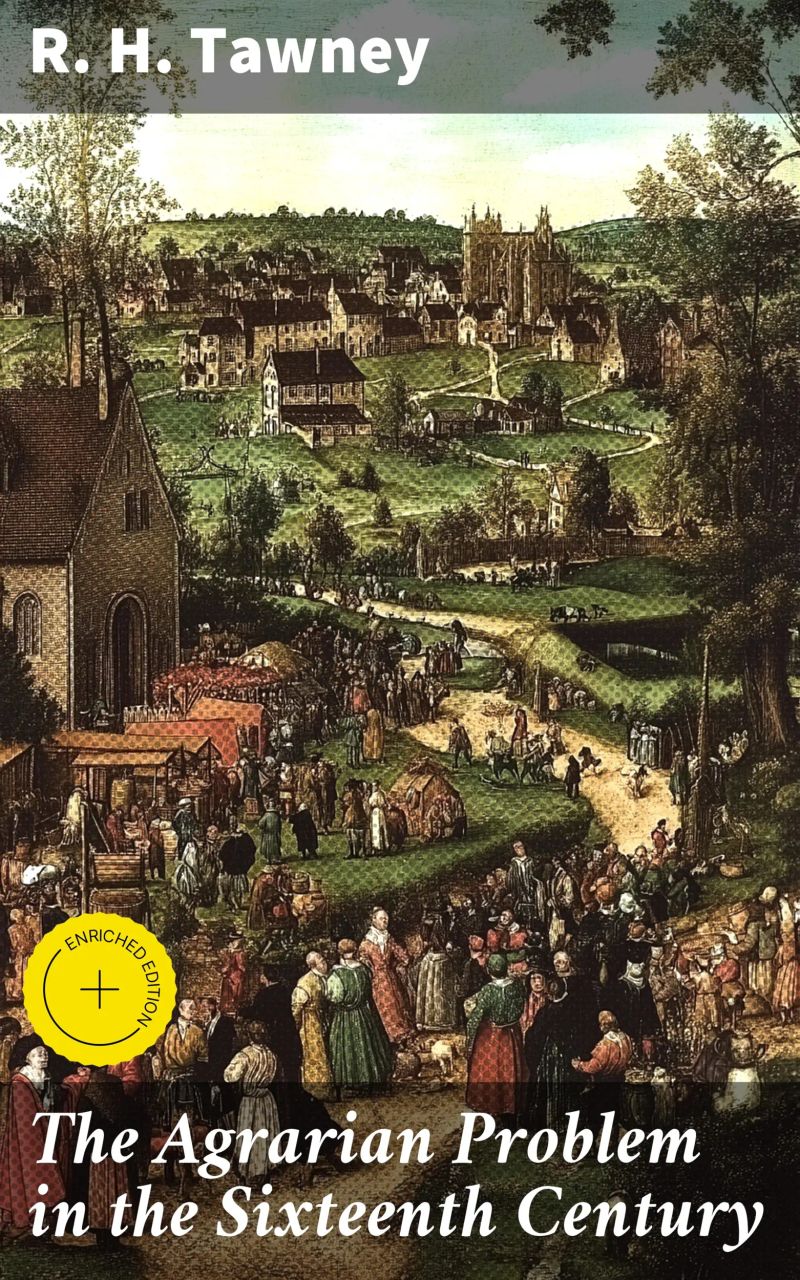
The Agrarian Problem in the Sixteenth Century
Enriched edition. Unveiling Social Inequality: Economic Struggles in the 16th CenturyBy R. H. Tawney


Length17h 49m
About this audiobook
In "The Agrarian Problem in the Sixteenth Century," R. H. Tawney meticulously explores the transformative period of English agrarian society during the sixteenth century, delving into the socio-economic shifts that contributed to early modern capitalism. With a keen analytical lens, Tawney employs a blend of historical narrative and sociological theory, offering an incisive examination of land ownership, agrarian labor, and the pressures exerted by emerging market forces. This blend of styles situates the work within the broader context of economic history, articulating the intricacies of how agricultural practices influenced societal structures and individual lives against the backdrop of the Reformation and the rise of the gentry. R. H. Tawney, a prominent British historian and social critic, was deeply influenced by the socio-political climate of the early 20th century, in which he championed social justice and equity in the face of burgeoning industrial capitalism. His background in economics and history, alongside his commitment to the welfare of the working class, underpins his critical approach in this seminal work, which confronts the implications of land dispossession and economic inequality. This book is essential reading for scholars and enthusiasts of economic history, social change, and agrarian studies. Tawney's insights remain remarkably relevant, shedding light on contemporary issues of land, labor, and social justice. Readers will find a compelling narrative interwoven with critical theorization, providing a deeper understanding of the agrarian challenges that shaped modern society.
In this enriched edition, we have carefully created added value for your reading experience:
- A succinct Introduction situates the work's timeless appeal and themes.
- The Synopsis outlines the central plot, highlighting key developments without spoiling critical twists.
- A detailed Historical Context immerses you in the era's events and influences that shaped the writing.
- A thorough Analysis dissects symbols, motifs, and character arcs to unearth underlying meanings.
- Reflection questions prompt you to engage personally with the work's messages, connecting them to modern life.
- Hand‐picked Memorable Quotes shine a spotlight on moments of literary brilliance.
- Interactive footnotes clarify unusual references, historical allusions, and archaic phrases for an effortless, more informed read.
Audiobook details
GenreHistory
Length17 hrs 49 mins
Narrated byListen with 1,000+ voices
FormateBook with Audio
Publish dateApr 26, 2021
LanguageEnglish
Table of contents
1Introduction
2Introduction
3Synopsis
4Historical Context
5The Agrarian Problem in the Sixteenth Century
Show all chaptersShow less
6PREFACE
7PART I THE SMALL LANDHOLDER
8(c) The Customary Tenants
9CHAPTER II THE PEASANTRY
10(c) The Growth of a Land Market among the Peasants
11CHAPTER III THE PEASANTRY (continued)
12CHAPTER IV THE PEASANTRY (continued)
13PART II THE TRANSITION TO CAPITALIST AGRICULTURE
14(b) The Growth of the Large Leasehold Farm
15Table X
16CHAPTER II THE REACTION OF THE AGRARIAN CHANGES ON THE PEASANTRY
17(c) The Engrossing of Holdings and Displacement of Tenants
18CHAPTER III THE QUESTION OF TENANT RIGHT
19Table XIII
20PART III THE OUTCOME OF THE AGRARIAN REVOLUTION
21(b) Legislation and Administration
22(c) Success and Failure of State Intervention
23CHAPTER II GENERAL CONCLUSIONS
24APPENDIX II
25INDEX OF PERSONS
26Analysis
27Reflection
28Memorable Quotes
More from R. H. Tawney


A Brief History of IntelligenceMax S. Bennett12h 18m4.6 (6.6K)$29 · $0.00

The Daughter of AuschwitzTova Friedman, Malcolm Brabant7h 54m4.6 (16.7K)$26 · $0.00

Lily's PromiseLily Ebert, Dov Forman8h 54m4.6 (16.1K)$29 · $0.00

On Democracies and Death CultsDouglas Murray10h 38m4.6 (6.5K)$29 · $0.00

Across the RiverKent Babb11h 40m4.6 (927)$29 · $0.00

Balcony Over Jerusalem: A Middle East Memoir - Israel, Palestine and BeyondJohn Lyons12h 37m4.6 (1.4K)$33 · $0.00

BeyondStephen Walker15h 39m4.6 (3.2K)$33 · $0.00
Kings and PawnsHoward Bryant10h 9m4.6 (678)$29 · $0.00

No EscapeNury Turkel9h 30m4.6 (809)$28 · $0.00

Jubal Stone: U.S. Marshal: Blood Trail To Hell: A Western Adventure NovelCasey Nash3h 42m4.6 (3.2K)$18 · $0.00

Fall and RiseMitchell Zuckoff17h 23m4.6 (9.8K)$40 · $0.00

The SurvivorJosef Lewkowicz, Michael Calvin9h 22m4.6 (2.5K)$29 · $0.00

Always FaithfulThomas Schueman, Zainullah Zaki12h 12m4.6 (977)$29 · $0.00

The State of Society in France Before the Revolution of 1789 (Annotated)Alexis de Tocqueville17h 25m4.6 (1.2K)$2 · $0.00

All the Gallant MenDonald Stratton, Ken Gire5h 55m4.6 (11.8K)$24 · $0.00
Saint Joan (Annotated)George Bernard Shaw6h 20m4.6 (1.2K)$1.20 · $0.00
Medgar and MyrlieJoy-Ann Reid10h 52m4.5 (27.8K)$29 · $0.00

The History of the Peloponnesian War (Annotated)Thucydides24h 3m4.6 (1.1K)$2 · $0.00
Where the Birds Never SingJack Sacco10h 31m4.6 (3.8K)$29 · $0.00

Serviceman J: The Untold Story of an NZSAS SoldierJamie Pennell5h 51m4.6 (452)$24 · $0.00
You may also like

The Desert of WheatZane Grey13h 18m3.8 (1.3K)$3

Woman and the New Race (Annotated)Margaret Sanger6h 30m4.6 (1K)$1.99 · $0.00
The Art of Not Being GovernedJames C. Scott17h 34m4.3 (2.9K)$30

Waiting for the Long Night MoonAmanda Peters5h 23m4.1 (3.8K)$28 · $0.00
Where the Line Is DrawnRaja Shehadeh6h 14m4.2 (496)$17

The Words of My FatherYousef Bashir7h 29m4.4 (905)$24 · $0.00

The Catawba Nation: River People of the Carolina PiedmontMargaret Ellsworth Boyd4h 40m$6

The Land Was Never Sold: Alaska Native Claims and the Fight for 44 Million AcresMargaret Elwell Nunn4h 32m$6

Silas Strong, Emperor of the WoodsIrving Bacheller7h 58m$1 · $0.00

The History of the Colonial Virginia (Book 1-3) (Annotated)Thomas J. Wertenbaker27h 7m$2 · $0.00

The Snake War and the Bannock War: Northern Paiute and Bannock ResistanceDuncan H. Ridgeway3h 56m$6

The EarthbreakersErnest Haycox19h 41m3.8 (33)$1 · $0.00
The Life of King Philip, War Chief of the Wampanoag PeopleJohn Stevens Cabot Abbott9h 53m3.7 (58)$1.99 · $0.00

The JewsHilaire Belloc8h 27m4.1 (156)$2.30
The Homesteader (Western Novel)Oscar Micheaux17h 17m3.9 (171)$1.99 · $0.00
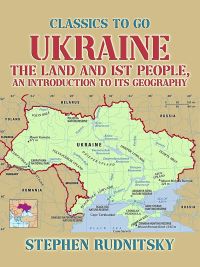
Ukraine, the Land and its People, an Introduction to its GeographyStephen Rudnitsky12h 3m$2.30

THE TRAIL OF TEARSDavid Whitcomb Hayes6h 28m$6 · $0.00

American against American - 20 Gripping Civil War Memoirs & DiariesHeros von Borcke, Mary Boykin Chesnut, Ulysses S. Grant, William Tecumseh Sherman, Philip Henry Sheridan, Adam Gurowski, Thomas Wentworth Higginson, James Madison Page, Louisa May Alcott, Jacob D. Cox, George T. Ulmer, Wayland Fuller Dunaway, S. Emma E. Edmonds, Various, Joseph Warren Keifer, Thomas Coleman Younger, Samuel S. Hildebrand, La Salle Corbell Pickett, Henry H. Meacham, David W. Stafford281h 21m$1.99

The Choctaw and the French: Alliance and Civil War in the Lower MississippiMarcus Whitfield Lane4h 30m$6

Beyond the Lines: A Yankee Prisoner Loose in DixieJohn James Geer6h 16m$2.30