
Thank You, Mr. Moto
An Espionage Thriller of International Intrigue and Cultural ReflectionBy John P. Marquand


Length6h 54m
About this audiobook
In "Thank You, Mr. Moto," John P. Marquand crafts a compelling narrative that blends elements of espionage with sharp social commentary, reflecting the complexities of 1930s international relations amid rising tensions in Asia. The novel follows the enigmatic Japanese detective, Mr. Moto, as he navigates a treacherous web of intrigue, deception, and cultural misunderstandings. Marquand's prose is characterized by its crisp dialogue and thoughtful exposition, seamlessly merging genres to comment on the American perception of the East during a pivotal historical moment. This literary work is not merely an adventure tale but a reflection on identity, nationalism, and the intricacies of global diplomacy, set against the backdrop of a world teetering on the brink of warfare. John P. Marquand, an influential American novelist born in 1893, was deeply attuned to the social issues of his time. His experiences during World War I and his keen interest in the evolving dynamics of East-West relations profoundly shaped his worldview. Marquand's ability to infuse his narratives with a realistic sense of place and character stems from a career marked by both journalistic pursuits and literary acclaim, making him an essential voice of his era. Readers seeking a captivating read that offers both suspense and intellectual depth will find "Thank You, Mr. Moto" an enlightening experience. As a work that reflects the zeitgeist of its time, it provides valuable insights into cultural interactions and the nuances of human relationships. This novel is not just a journey through a thrilling story, but an invitation to examine cultural preconceptions in a time of uncertainty.
Audiobook details
Rating★★★★ 3.8 (506)
Includes Goodreads, Amazon, LibraryThing, StoryGraph
GenreMystery and Thriller
Length6 hrs 54 mins
Narrated byListen with 1,000+ voices
FormateBook with Audio
Publish dateAug 31, 2021
LanguageEnglish
Table of contents
1Titlepage
2Text (pt. 1)
3Text (pt. 2)
4Text (pt. 3)
More from John P. Marquand

Ming YellowJohn P. Marquand7h 44m$2 · $0.00
Think Fast, Mr. MotoJohn P. Marquand6h 52m3.9 (157)$2 · $0.00
Think Fast, Mr. MotoJohn P. Marquand6h 52m3.9 (391)$2 · $0.00
No HeroJohn P. Marquand5h 55m3.8 (677)$1 · $0.00
The Unspeakable GentlemanJohn P. Marquand6h 22m3.3 (29)$2 · $0.00
The Adventures of Sherlock Holmes (Complete Edition)Arthur Conan Doyle12h 41m4.6 (286.7K)$1.99 · $0.00
Farewell My Lovely (Annotated)Raymond Chandler10h 37m4.6 (1.2K)$2 · $0.00

The Labyrinth of the SpiritsCarlos Ruiz Zafon27h 55m4.5 (77.2K)$53 · $0.00

Olympic Mountain PursuitJodie Bailey5h 55m4.6 (638)$12 · $0.00

Glen AffricKarine Giebel22h 51m4.5 (3.2K)$46 · $0.00

Deadly Badlands PursuitSharee Stover5h 53m4.6 (361)$12 · $0.00

Crime and Punishment (The Unabridged Garnett Translation) (Annotated)Fyodor Dostoevsky24h 25m4.5 (15.4K)$0.99 · $0.00

Three ComradesErich Maria Remarque15h 50m4.5 (47.3K)$2 · $0.00

AngelAnita Waller10h 30m4.6 (672)$30 · $0.00

The BorderDon Winslow29h 8m4.5 (35.7K)$53 · $0.00
FlashpointCatherine Coulter11h 38m4.5 (11.6K)$29 · $0.00
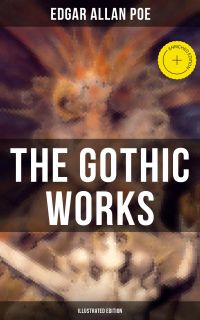
The Gothic Works of Edgar Allan Poe (Illustrated Edition)Edgar Allan Poe21h 5m4.5 (2.9K)$1.99 · $0.00

The Man in the Brown Suit & They Came to BaghdadAgatha Christie15h 43m4.6 (495)$33 · $0.00

Fang Si-Chi's First Love ParadiseYi-Han Lin8h 25m4.5 (4K)$26 · $0.00
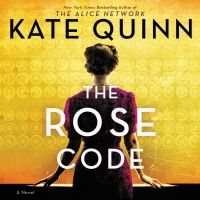
The Rose CodeKate Quinn16h 2m4.4 (493.7K)$33 · $0.00

No Woman Left BehindJulie Moffett8h 49m4.5 (3K)$25 · $0.00

CovertJanie Crouch6h 15m4.5 (2K)$12 · $0.00
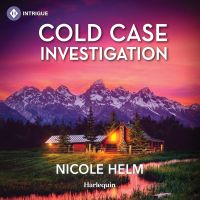
Cold Case InvestigationNicole Helm5h 30m4.6 (321)$5 · $0.00

The Lost Weekend (Annotated)Charles Jackson9h 46m4.5 (1K)$0.99 · $0.00

The ReunionJana DeLeon6h 31m4.5 (1.6K)$12 · $0.00
You may also like

The IntimidatorsDonald Hamilton7h 8m4.2 (696)$17

The Tears of AutumnCharles McCarry9h 18m4.0 (3.3K)$20

Secret JusticeJames W. Huston12h 43m4.1 (575)$23

Gun Street GirlAdrian McKinty2h 6m4.3 (11.4K)$20

The Bluegrass ConspiracySally Denton14h 2m4.0 (2.3K)$23

The Secret LoversCharles McCarry11h 4m3.9 (1.2K)$21

The MenacersDonald Hamilton5h 34m4.1 (922)$17

The InfiltratorsDonald Hamilton11h 34m4.2 (278)$20

Fatal CourageMisty Evans9h 9m4.6 (493) Only with Ultra

The Quiet AmericanGraham Greene6h 41m4.1 (87.8K)$14
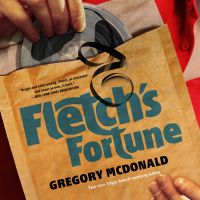
Fletch’s FortuneGregory Mcdonald5h 53m3.9 (3.9K)$20

The Glass KeyDashiell Hammett6h 49m4.0 (19.2K)$1 · $0.00

The Black WidowDaniel Silva13h 44m4.3 (40.4K)$33 · $0.00

The Good Thief’s Guide to BerlinChris Ewan8h 30m3.8 (1.2K)$26

The Motor Maids in Fair JapanKatherine Stokes4h 47m2.9 (12)$1 · $0.00

Invisible LeverageMurdock Nolan E.44m5.0 (2) Only with Ultra
SpytimeWilliam F. Buckley Jr.7h 39m3.6 (265)$17

The Timber PirateCharles Christopher Jenkins8h 53m$2 · $0.00

Guess Who’s Coming to Kill YouEllery Queen6h3.9 (36)$17

Dr. B.Daniel Birnbaum7h 58m3.1 (176)$26 · $0.00