
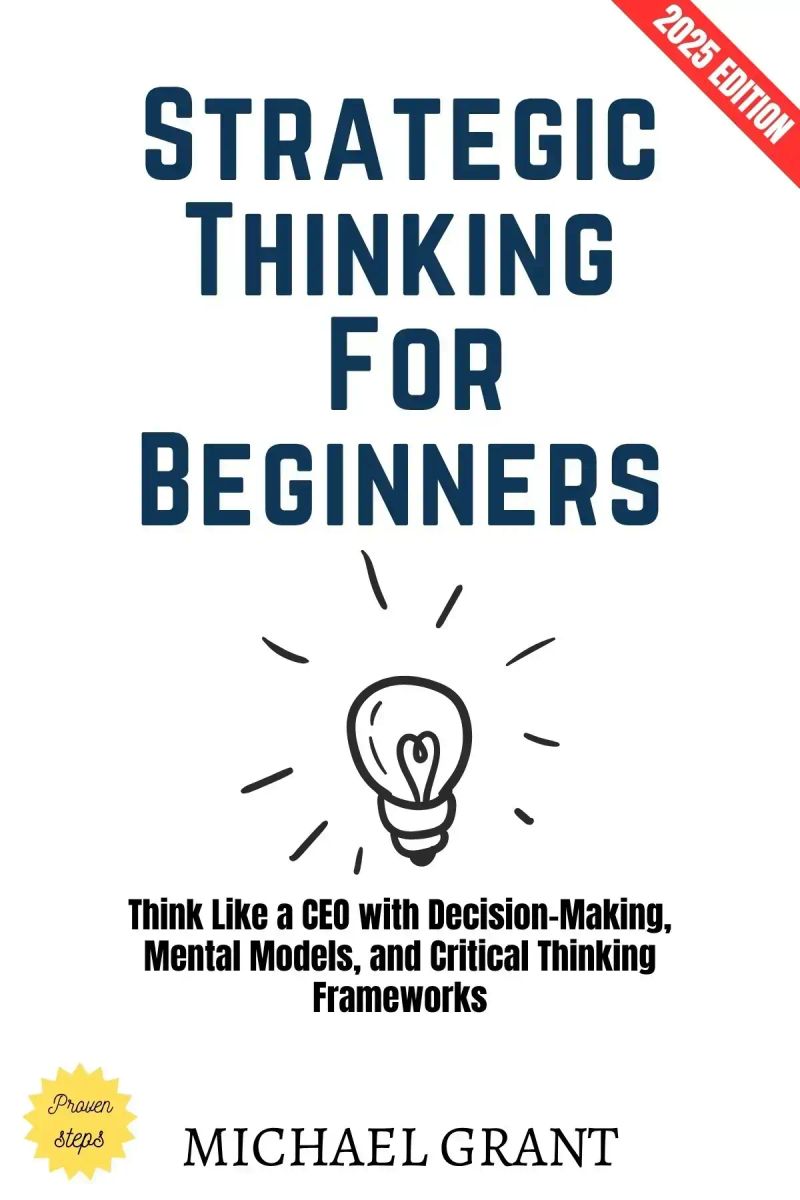
Strategic Thinking for Beginners
Think Like a CEO with Decision-Making, Mental Models, and Critical Thinking FrameworksBy Michael Grant


Length2h 36m
About this audiobook
In a world full of distractions and constant change, the ability to think clearly and plan ahead is more important than ever. Strategic Thinking for Beginners is a practical guide to making smarter decisions, seeing the bigger picture, and focusing on long-term results instead of short-term pressure.
This book breaks down strategic thinking into simple ideas and real-life applications anyone can use. Whether you're planning your career, solving everyday problems, or preparing for bigger opportunities, you’ll learn how to shift from reactive thinking to purposeful decision-making.
Inside this book, you’ll discover:
The mindset behind strategic thinking
How to analyze problems like a strategist
Asking the right questions for better decisions
The difference between tactics and strategy
Applying strategic thinking in everyday life
Start thinking smarter, planning better, and shaping your future with clarity and intention.
Scroll up and Grab your Copy Today!
Audiobook details
GenreBusiness and Economics, Self-Help
Length2 hrs 36 mins
Narrated byListen with 1,000+ voices
FormateBook with Audio
Publish dateMar 7, 2026
LanguageEnglish
Table of contents
1Introduction
2What Is Strategic Thinking, Really?
3The Beginner’s Mindset: Thinking Beyond the Obvious
4Breaking Down Problems Like a Strategist
5The Power of Asking the Right Questions
Show all chaptersShow less
6Seeing the Big Picture Without Getting Lost in the Details
7Short-Term Tactics vs Long-Term Strategy
8Mental Models That Sharpen Strategic Insight
9Thinking in Systems: Connecting the Dots
10Anticipating Consequences: Thinking Ahead with Clarity
11Decision-Making Under Uncertainty
12The Role of Creativity in Strategic Thinking
13Strategic Tools You Can Start Using Today
14Case Studies: How Great Thinkers Solve Complex Problems
15Building Your Own Strategic Thinking Habits
16From Learning to Leading: Applying Strategy in Real Life
17Conclusion

Whispers in the DarkJonathan Kade50m$9.99

The Last KeyClara Whitfield47m5.0 (1)Free

Beyond the Null HorizonAlaric Shade51m$2.99 · $0.00

Apex of ShadowsLucien Crow53m$2.99 · $0.00

Neon Echoes of TomorrowSeraphine Ember47m$4.99 · $0.00

Whispers of the Shattered RealmKael Dusk47m$2.99 · $0.00

Crimson OdysseyEvelyn Frost58m$2.99 · $0.00

Shadows Between CluesSebastian Grey59m$2.99 · $0.00

Fractured HorizonsSable Thorn1h 4m$2.99 · $0.00

The Shadow AlgorithmLuna Ray49m$2.99 · $0.00

The Echo of Blue GlassClara Whitmore50m$2.99 · $0.00

The Ember TrailElysia Storm58m$2.99 · $0.00

The Ember VeilTaylor Morgan51m$2.99 · $0.00

The Singularity ParadoxJack Morrison56m Only with Ultra

Edge of the Forgotten FrontierNolan Drake47m$2.99 · $0.00
The Last FrequencyCasey Flint55mFree

Shadows of the ForgottenAvery Knight51m$2.99 · $0.00

Edge of the HorizonWyatt Stone53m$2.99 · $0.00

Whispers Between the RainDashiell Cross48m$4.99

Shadows in the AlleyCyrus Falcon46m$2.99 · $0.00
Never Split the DifferenceChris Voss, Tahl Raz8h 7m4.4 (277.7K)$26 · $0.00
The Intelligent Investor Rev Ed.Benjamin Graham17h 48m4.3 (191.5K)$40 · $0.00
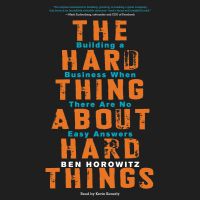
The Hard Thing About Hard ThingsBen Horowitz7h 57m4.2 (134.3K)$26 · $0.00
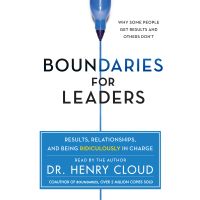
Boundaries for LeadersHenry Cloud7h 36m4.3 (3.6K)$26 · $0.00

Not Everything Counts but Everything Matters: The powerful and inspirational new book about leadership and achieving success from the visionary multi-premiership winning Panthers coachIvan Cleary6h 1m4.6 (680)$24 · $0.00
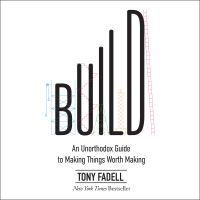
BuildTony Fadell11h 5m4.5 (14.3K)$8 · $0.00
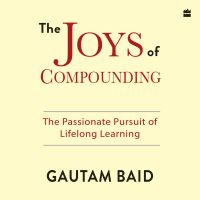
The Joys Of CompoundingGautam Baid17h 34m4.5 (2.5K)$18 · $0.00
Basic EconomicsThomas Sowell18h 32m4.5 (29.3K)$28 · $0.00

Poor Charlie’s AlmanackGrover Gardener, Charles T. Munger13h 9m4.5 (24.7K)$18 · $0.00

The Ambuja StoryNarotam Sekhsaria13h 59m4.5 (830)$33 · $0.00

The Secret Door to SuccessFlorence Scovel Shinn2h 25m4.5 (2.1K)$1.20 · $0.00

This Is Going to HurtAdam Kay5h 47m4.4 (444.7K)$24 · $0.00

Big TrustShadé Zahrai, Fayçal Sekkouah8h 36m4.6 (406)$26 · $0.00
The Intelligent Investor Third EditionBenjamin Graham, Jason Zweig20h4.4 (156.6K)$46 · $0.00
Bottle of LiesKatherine Eban14h 25m4.4 (12K)$33 · $0.00

The Antiracist Business BookTrudi Lebrón6h 10m4.6 (275)$17 · $0.00
The FormulaJoshua Robinson, Jonathan Clegg10h 41m4.4 (6.9K)$29 · $0.00
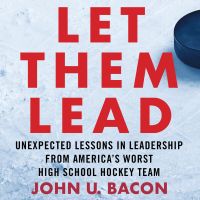
Let Them LeadJohn U. Bacon7h 10m4.5 (1.4K)$24 · $0.00
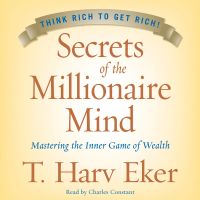
Secrets of the Millionaire MindT. Harv Eker5h 11m4.4 (301.4K)$24 · $0.00
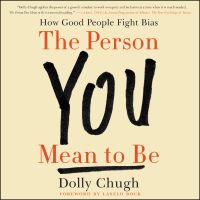
The Person You Mean to BeDolly Chugh9h 6m4.4 (7.2K)$29 · $0.00
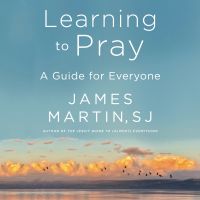
Learning to PrayJames Martin13h 24m4.5 (3.4K)$33 · $0.00

Swayam Ki AwaazPrem Rawat8h 34m4.7 (1.1K)$26 · $0.00

Forever BoyKate Swenson9h 27m4.7 (5K)$29 · $0.00

You Are Worth ItKyle Carpenter, Don Yaeger8h 53m4.7 (4.8K)$29 · $0.00

The Happiest Man on EarthEddie Jaku3h 48m4.6 (178K)$7 · $0.00

Finding MeViola Davis9h 15m4.6 (256.4K)$29 · $0.00

Spiritual AnatomyDaaji Kamlesh D. Patel9h 47m4.7 (319)$29 · $0.00

The Dangerous Truth about Today’s MarijuanaLaura Stack CSP, MBA9h 57m4.7 (385)$20 · $0.00
The Gospel according to Spiritualism (Translated)Allan Kardec14h 39m4.6 (3.9K)$5.70 · $0.00

Birdie & HarlowTaylor Wolfe7h 50m4.6 (6.5K)$26 · $0.00

CrossroadsKaleb Dahlgren7h 56m4.6 (4.9K)$26 · $0.00

Life on the BridgeKaelynn Partlow5h 40m4.6 (1.1K)$24 · $0.00

Keep Your Love OnDanny Silk9h 4m4.6 (8.1K)$10 · $0.00
The Tao of Joy Every DayDerek Lin10h 24m4.6 (762)$20 · $0.00
UndividedVicky Beeching9h 2m4.6 (1.3K)$29 · $0.00

HE CAN WHO THINKS HE CAN & OTHER BOOKS ON SUCCESSOrison Swett Marden5h 54m4.6 (1.2K)$1.99 · $0.00
Level UpRob Dial7h 42m4.6 (3.3K)$26 · $0.00

Burn the HaystackJennie Young, PhD9h 30m4.6 (543)$29 · $0.00
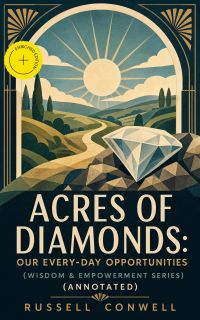
ACRES OF DIAMONDS: Our Every-day Opportunities (Wisdom & Empowerment Series) (Annotated)Russell Conwell2h 26m4.6 (1K)$2 · $0.00

Good InsideBecky Kennedy9h 55m4.5 (59.3K)$29 · $0.00
You may also like
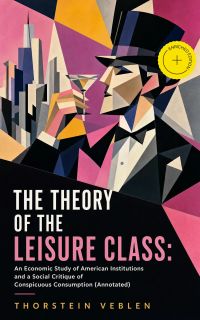
THE THEORY OF THE LEISURE CLASS: An Economic Study of American Institutions and a Social Critique of Conspicuous Consumption (Annotated)Thorstein Veblen12h 58m4.4 (1K)$1.99 · $0.00
AlchemyRory Sutherland9h 38m4.3 (32.6K)$29 · $0.00

Farnsworth’s Classical English StyleWard Farnsworth5h 34m4.4 (312)$17
Darwin’s House of CardsTom Bethell8h 57m4.3 (341)$20 · $0.00

An Enquiry Concerning Human UnderstandingDavid Hume7h 23m4.1 (24.2K)$1 · $0.00
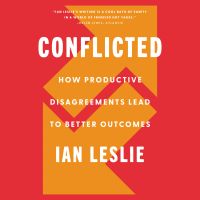
ConflictedIan Leslie7h 52m4.1 (1.4K)$26 · $0.00
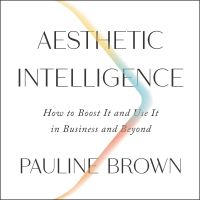
Aesthetic IntelligencePauline Brown6h 57m4.0 (1.2K)$24 · $0.00
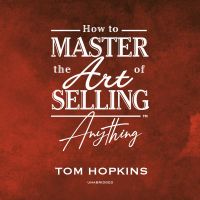
How to Master the Art of Selling Anything ProgramTom Hopkins10h 28m4.3 (179)$25
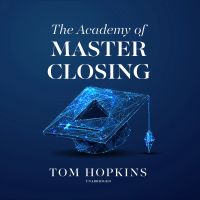
The Academy of Master ClosingTom Hopkins7h 45m4.6 (31)$40

Sign Language Among North American Indians (Annotated)Garrick Mallery14h 32m4.2 (174)$1.99 · $0.00
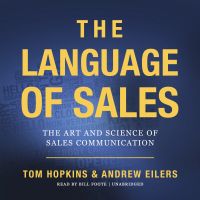
The Language of SalesTom Hopkins, Andrew Eilers5h 26m4.2 (110)$20

The New Science of Healthy AgingScientific American6h 14m3.9 (265)$17

Ultimate Customer ServiceMade for Success8h 9m4.2 (46)$20
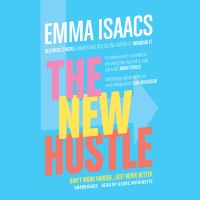
The New HustleEmma Isaacs5h 1m3.7 (297)$15 · $0.00
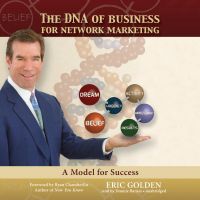
The DNA of Business for Network MarketingEric Golden2h 58m3.9 (69)$20
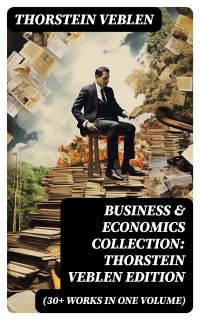
Business & Economics Collection: Thorstein Veblen Edition (30+ Works in One Volume)Thorstein Veblen91h 26m4.5 (11)$2 · $0.00
Going Broke, Updated EditionStuart Vyse13h 10m3.9 (65)$23 · $0.00

Sell to Anyone!Zig Ziglar, Brian Tracy3h 13m4.2 (20)$20

A Book of PrefacesH. L. Mencken7h 33m3.8 (67)$2 · $0.00
Public Speaking SuperstarMade for Success7h 25m3.6 (72)$30