
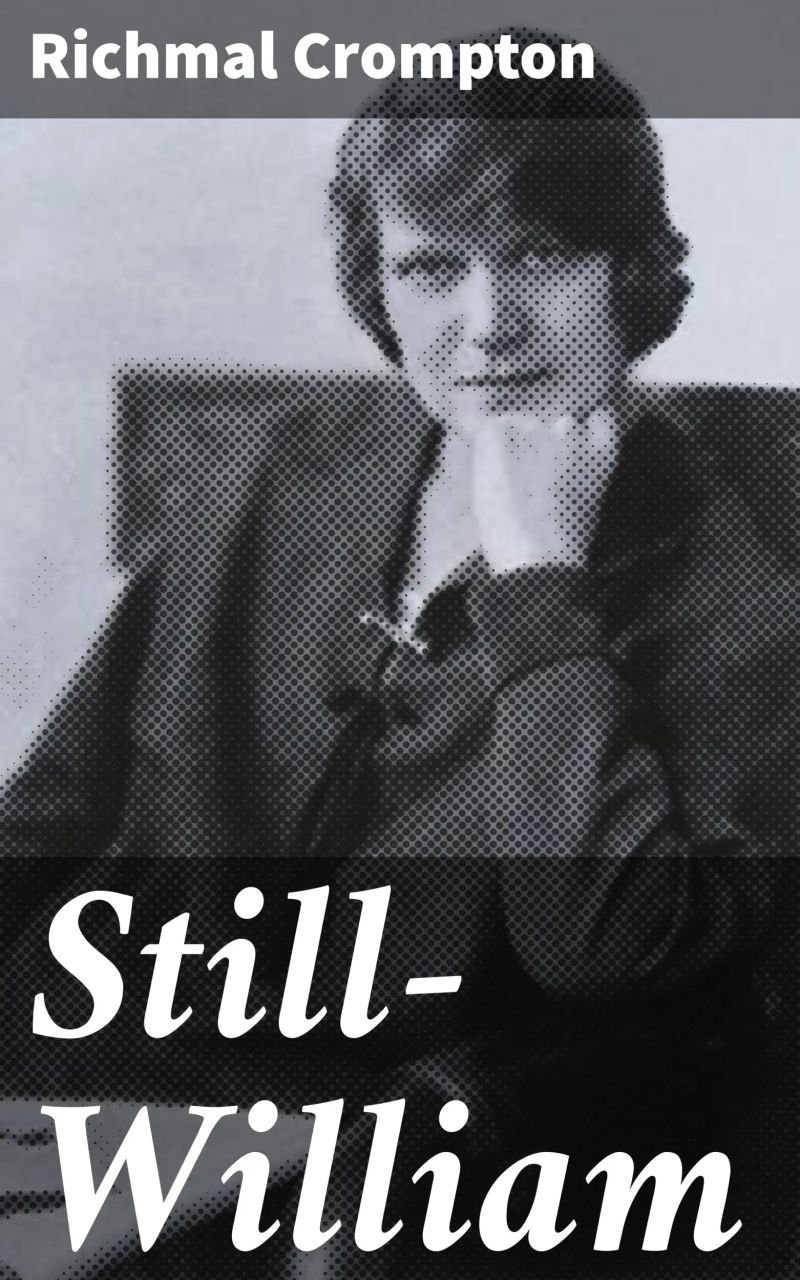
Still—William
Mischievous Adventures and Literary Humor in Post-War EnglandBy Richmal Crompton


Length7h 10m
About this audiobook
In "Still'ÄîWilliam," Richmal Crompton invites readers back into the vibrant world of William Brown, a mischievous schoolboy whose adventures capture the essence of childhood innocence and rebellion. The narrative is marked by Crompton's signature wit and humor, interwoven with vivid descriptions and relatable characters that explore themes of friendship, family, and the bittersweet nature of growing up. The book shines as a quintessential piece of British children's literature from the early 20th century, reflecting societal norms and educational practices while also revealing the timeless escapades of youth. Richmal Crompton (1890-1969) was an English author whose own childhood experiences and educational challenges informed her portrayal of William Brown. With a background in both literature and teaching, Crompton wrote "Still'ÄîWilliam" as part of the much-loved William series, which resonated with her contemporary readers seeking both laughter and a reflection of their own youthful antics. Her writing is characterized by a profound understanding of children's behavior and a keen observational style that highlights the contradictions inherent in growing up. I highly recommend "Still'ÄîWilliam" to anyone who appreciates the charm of classic children's literature, as well as to educators and parents aiming to understand the dynamics of childhood. Crompton'Äôs delightful narrative not only entertains but also imparts valuable insights into the complexities of youth, making it a must-read for both children and adults alike.
Audiobook details
Rating★★★★ 4.4 (683)
Includes Goodreads, Amazon, LibraryThing, StoryGraph
GenreChildren's Literature
Length7 hrs 10 mins
Narrated byListen with 1,000+ voices
FormateBook with Audio
Publish dateAug 21, 2022
LanguageEnglish
Table of contents
1CHAPTER I
8CHAPTER VIII
2CHAPTER II
9CHAPTER IX
3CHAPTER III
10CHAPTER X
4CHAPTER IV
11CHAPTER XI
5CHAPTER V
12CHAPTER XII
Show all chaptersShow less
6CHAPTER VI
13CHAPTER XIII
7CHAPTER VII
14CHAPTER XIV
More from Richmal Crompton
The Complete Works of Beatrix Potter: 22 Children's Books with Original IllustrationsBeatrix Potter5h 3m4.6 (3.9K)$1.99 · $0.00
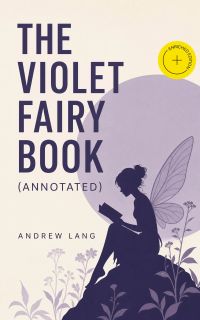
The Violet Fairy Book (Annotated)Andrew Lang11h 39m4.7 (304)$2 · $0.00
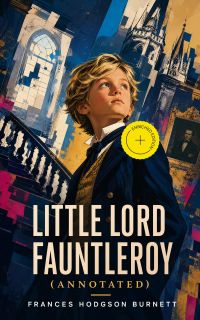
Little Lord Fauntleroy (Annotated)Frances Hodgson Burnett7h 56m4.6 (1.5K)$0.99 · $0.00
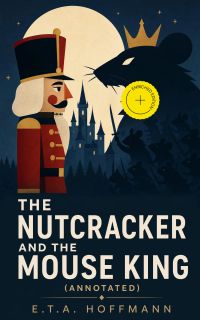
The Nutcracker and The Mouse King (Annotated)E.T.A. Hoffmann4h 4m4.6 (1.5K)$2 · $0.00
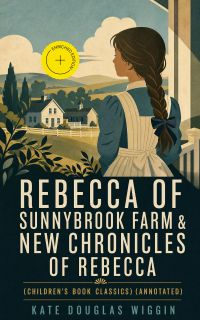
REBECCA OF SUNNYBROOK FARM & NEW CHRONICLES OF REBECCA (Children's Book Classics) (Annotated)Kate Douglas Wiggin15h 32m4.6 (1.4K)$0.99 · $0.00
Just William (Illustrated) (Annotated)Richmal Crompton6h 30m4.6 (1.2K)$2 · $0.00
The Labors of Hercules BealGary D. Schmidt8h 17m4.6 (10.4K)$8 · $0.00

Clancy of the Overflow (The Matilda Saga, #9)Jackie French14h 24m4.6 (471)$33 · $0.00
The Great Fairy Tales - Oscar Wilde Edition (Illustrated) (Annotated)Oscar Wilde6h 31m4.6 (1.1K)$2 · $0.00
Alice's Adventures in WonderlandLewis Carroll3h4.5 (5.9K)$7.99 · $0.00

The Boy Who Followed His Father into AuschwitzJeremy Dronfield6h 54m4.5 (28.5K)$24 · $0.00
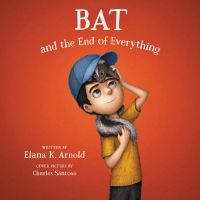
Bat and the End of EverythingElana K. Arnold2h 40m4.6 (2.3K)$18 · $0.00
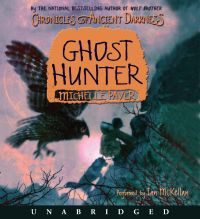
Chronicles of Ancient Darkness #6: Ghost HunterMichelle Paver6h 20m4.5 (11.7K)$24 · $0.00

Masterminds: PaybackGordon Korman6h 51m4.5 (5.8K)$24 · $0.00
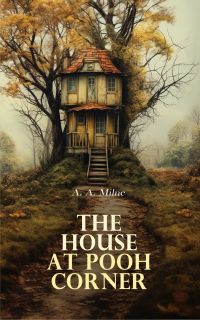
The House at Pooh CornerA. A. Milne, E. H. Shepard3h 6m4.5 (107.8K)$2 · $0.00

Anne of Green Gables (Annotated)Lucy Maud Montgomery13h 1m4.5 (2.8K)$2 · $0.00
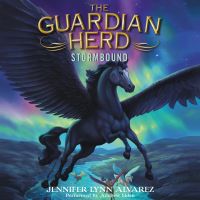
The Guardian Herd: StormboundJennifer Lynn Alvarez6h 19m4.5 (2.3K)$24 · $0.00
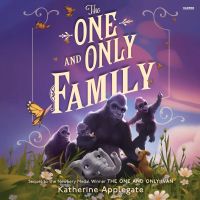
The One and Only FamilyKatherine Applegate3h 14m4.5 (7.5K)$18 · $0.00
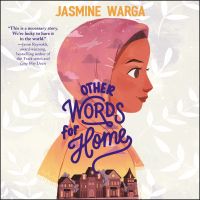
Other Words for HomeJasmine Warga3h 50m4.5 (42.8K)$20 · $0.00
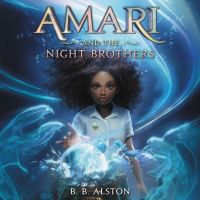
Amari and the Night BrothersB. B. Alston11h 11m4.5 (42.2K)$29 · $0.00
You may also like

BotchanSōseki Natsume5h3.9 (18.5K)$1 · $0.00
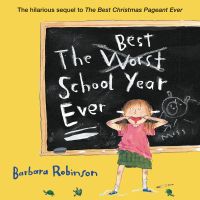
The Best School Year EverBarbara Robinson2h 9m4.1 (9.5K)$16 · $0.00
The Terrible Two Go WildMac Barnett, Jory John3h 13m4.4 (2.5K)$15
William -- The FourthRichmal Crompton6h 27m4.3 (954)$2.30
The Golden RoadLucy Maud Montgomery8h 14m4.3 (15.4K)$2.30

Summer Term at St. Clare'sEnid Blyton5h 1m4.1 (9.4K)$2 · $0.00
William - The FourthRichmal Crompton6h 30m4.3 (799)$2 · $0.00
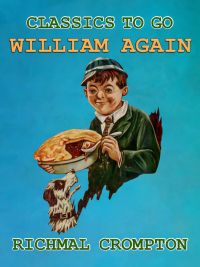
William AgainRichmal Crompton6h 34m4.3 (1.3K)$2.30
Summer Term at St. Clare'sEnid Blyton5h 1m4.1 (9.1K)$2 · $0.00
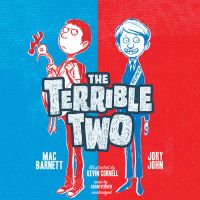
The Terrible TwoMac Barnett, Jory John3h 23m4.3 (15.4K)$15
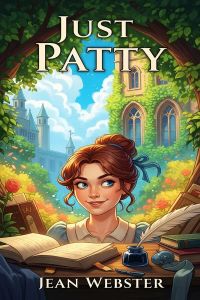
Just PattyJean Webster5h 55m3.9 (1.4K)$2.30 · $0.00
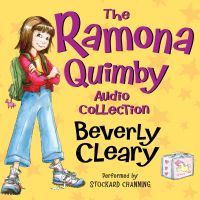
The Ramona Quimby Audio CollectionBeverly Cleary18h 57m4.5 (6.7K)$40 · $0.00
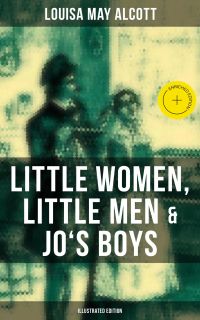
Louisa May Alcott: Little Women, Little Men & Jo's Boys (Illustrated Edition)Louisa May Alcott43h 36m4.4 (4.8K)$1.99 · $0.00

The Twins at St. Clare'sEnid Blyton5h 4m4.2 (17.5K)$2 · $0.00
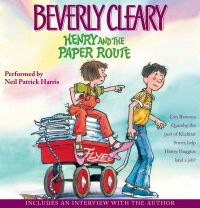
Henry and the Paper RouteBeverly Cleary2h 39m4.2 (7.8K)$18 · $0.00
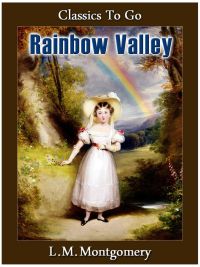
Rainbow ValleyLucy Maud Montgomery8h 14m4.2 (64.9K)$2.30
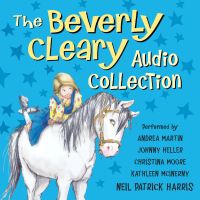
The Beverly Cleary Audio CollectionBeverly Cleary16h 6m4.4 (1.7K)$33 · $0.00

Tom Temple's CareerHoratio Jr. Alger7h 5m$1 · $0.00
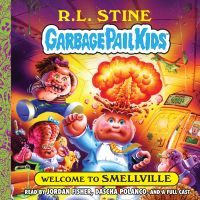
Welcome to SmellvilleR. L. Stine3h 19m3.8 (410)$15
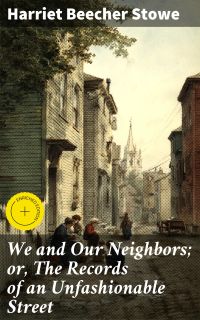
We and Our Neighbors; or, The Records of an Unfashionable StreetHarriet Beecher Stowe15h 36m3.7 (82)$2 · $0.00