

Someone Took My Idea in a Meeting and Even Got Applause - How to Claim Credit, Reclaim Your Voice, and Respond When Others Take Credit for Your Work Without Starting an Office Civil War
By Max Paradox


Length7h 4m
About this audiobook
You spend three weeks developing a solution. You analyze the problem, prepare the proposal, test the assumptions, and finally explain your recommendation during a meeting.
Nobody seems particularly impressed.
Twenty minutes later, your colleague repeats the same idea, adds the word "strategic," and suddenly everyone is applauding.
Congratulations. Your idea has been promoted. Unfortunately, you haven't.
Someone Took My Idea in a Meeting and Even Got Applause is a funny, practical guide to one of the most frustrating experiences in professional life: watching someone else receive recognition for work you actually did.
Whether you're dealing with an ambitious coworker, a forgetful manager, an unfair presentation, or an entire organization that seems to distribute credit according to job titles rather than contributions, Max Paradox helps you understand what's happening and decide what to do about it.
Because the answer isn't always to remain silent and hope somebody eventually notices. But sending a furious email to thirty-seven colleagues isn't necessarily the career breakthrough you've been waiting for, either.
Inside this book, you'll discover how to distinguish deliberate credit-taking from misunderstandings and genuine collaboration. You'll learn why your idea sometimes becomes brilliant only after someone more senior repeats it, how valuable contributions disappear as projects move between departments, and what you can do to make your work visible without becoming your company's unofficial Department of Personal Publicity.
You'll also explore practical ways to:
Reclaim your voice when somebody repeats or takes credit for your idea during a meeting.
Discuss inaccurate attribution directly without turning the conversation into an interrogation.
Use project records, meeting summaries, and clear responsibilities to preserve professional recognition.
Demonstrate your actual contributions during performance reviews and career discussions.
Handle situations where the person taking credit is your manager or someone with greater organizational power.
Recognize when formal escalation is appropriate and when another approach makes more sense.
Protect your professional reputation without becoming suspicious of every compliment your colleagues receive.
The book doesn't assume that everyone who repeats your idea is dishonest, that every workplace is fair, or that one perfectly delivered sentence will transform an unpleasant manager into an inspirational mentor.
Some conflicts involve incomplete evidence. Some organizations reward the wrong behavior. Some situations require compromise, stronger boundaries, or difficult career decisions.
And sometimes the most important skill is knowing which battles are worth having.
With sharp workplace observations, recognizable scenarios, practical communication examples, and a healthy appreciation for corporate absurdity, Max Paradox offers an approach to professional recognition that doesn't require permanent confrontation.
This is for anyone who's ever watched a colleague receive applause for their work, wondered whether speaking up would make things worse, or discovered that being the person who solves problems doesn't automatically make them the person who gets recognized for solving them.
Your work deserves an accurate story. Your career deserves more than silent frustration. And your next meeting probably doesn't need a civil war.
This publication was prepared using tools that support the creative process, including artificial intelligence solutions. The final concept, structure and editing are the responsibility of the author.
Audiobook details
GenreBusiness and Economics, Self-Help
Length7 hrs 4 mins
Narrated byListen with 1,000+ voices
FormateBook with Audio
Publish dateOct 26, 2026
LanguageEnglish
Table of contents
1INTRO
2Chapter 1 - Your Idea, Someone Else's Name: What Actually Happened?
3Chapter 2 - Why Your Idea Suddenly Becomes Brilliant When Someone Else Says It
4Chapter 3 - How Your Idea Travels Through Five Departments and Loses Your Name Along the Way
5Chapter 4 - Anger, Silence, and Revenge: How Not to Lose Twice Over the Same Idea
Show all chaptersShow less
6Chapter 5 - Stop Apologizing for Your Idea Before Anyone Has Heard It
7Chapter 6 - Stop Being the Free Idea Department for Someone Else's Career
8Chapter 7 - Everyone Saw It. Why Did Nobody Say Anything?
9Chapter 8 - The Office Rumor Mill Won't Give You Your Credit Back
10Chapter 9 - That Was My Idea: How to Reclaim Your Voice During a Meeting Without Making a Scene
11Chapter 10 - Talk to the Person Who Took Credit: No Interrogation, No Pretending Nothing Happened
12Chapter 11 - The Email After the Meeting That Remembers More Than Everyone in the Room
13Chapter 12 - You Did the Work, Someone Else Got Promoted: How to Make Your Contribution Count Where Career Decisions Are Made
14Chapter 13 - When Your Boss Takes Credit for Your Idea: Protecting Your Work When They Control Your Career
15Chapter 14 - Agree on the Credit Before the Applause: How to Share Recognition in a Team Project
16Chapter 15 - When Talking Doesn't Work: How to Escalate Credit Theft Without Becoming the Office Enemy
17Chapter 16 - Nobody Remembers Who Had the Idea: What to Do When You Have No Proof
18Chapter 17 - When the Whole Company Takes Credit for Other People's Work: How to Protect Your Career in a Broken Culture
19Chapter 18 - Stop Auditing Every Compliment: How to Stay Visible Without Constantly Fighting for Credit
20Chapter 19 - What If You're Getting Applause for Someone Else's Idea? How Not to Become the Person You Used to Resent
21Chapter 20 - You Don't Have to Win Every Meeting: How to Reclaim Your Work, Your Peace, and Your Own Rules

I Bought Supplies for My Hobby and Now I'm Afraid to Use Them - How to Actually Start Painting, Sewing, Gluing, Building, and Creating Without Saving the Best Materials for "Later" That Never ComesMax Paradox8h 29m$7.70 · $0.00

Pocket Money Disappears in 24 Hours - How to Teach Your Child to Plan Spending, Save, and Make Money Decisions Without Turning Every Penny into an Economics LectureMax Paradox6h 35m$7.70 · $0.00

Kieszonkowe Znika w 24 Godziny - Jak uczyć dziecko planowania wydatków, oszczędzania i podejmowania decyzji o pieniądzach bez zamieniania każdej złotówki w wykład ekonomicznyMax Paradox6h 14m$7.70 · $0.00

Mam 40+ i Nagle Regeneracja Ma Regulamin - Jak mądrzej zarządzać snem, ruchem, energią i odpoczynkiem, kiedy organizm przestaje honorować warunki z czasów studenckichMax Paradox8h 19m$7.70 · $0.00

Klikam „Akceptuj Wszystko”, Bo Chcę Tylko Zobaczyć Przepis - Jak rozumieć cookies, zgody i uprawnienia aplikacji, wybierać ustawienia prywatności, które mają sens, i przestać oddawać dane jednym nerwowym kliknięciem „byle dalej”Max Paradox6h 14m$7.70 · $0.00

I'm Over 40 and Suddenly Recovery Comes with Terms and Conditions - How to Manage Sleep, Movement, Energy, and Rest More Wisely When Your Body Stops Honoring the Deal from Your Student DaysMax Paradox8h 15m$7.70 · $0.00

Ktoś Zabrał Mój Pomysł na Spotkaniu i Jeszcze Dostał Brawa - Jak zaznaczać autorstwo, odzyskiwać głos i reagować na przypisywanie sobie cudzej pracy bez rozpoczynania firmowej wojny domowejMax Paradox6h 51m$7.70 · $0.00

Muszę Dogadać Pięć Działów, z Których Żaden Mi Nie Podlega - Jak wpływać bez formalnej władzy, uzgadniać interesy i domykać współpracę między działami, które mają pięć priorytetów i jeden wspólny terminMax Paradox6h 12m$7.70 · $0.00

Mój Partner Nie Lubi Moich Przyjaciół, a Moi Przyjaciele Nie Lubią Mojego Partnera - Jak ustalać granice między związkiem a własnymi relacjami, reagować na napięcia i nie zmuszać nikogo do udawanej przyjaźni przy wspólnym stoleMax Paradox6h 2m$7.70 · $0.00

Moja Rola Zmieniła Się Trzy Razy, Tylko Umowa Tego Nie Zauważyła - Jak nazwać rozszerzony zakres, uporządkować odpowiedzialności i renegocjować warunki, kiedy twoje stanowisko ewoluowało szybciej niż dokumentyMax Paradox6h 15m$7.70 · $0.00

Kupiłem Materiały do Hobby i Teraz Boję Się Ich Zużyć - Jak zacząć naprawdę malować, szyć, kleić, budować i tworzyć bez trzymania najlepszych rzeczy „na później”, które nigdy nie nadchodziMax Paradox8h 49m$7.70 · $0.00

Mój Partner Ma Byłego w Pakiecie z Dziećmi - Jak ustalać granice kontaktu z byłym partnerem, szanować współrodzicielstwo i nie robić z każdej wiadomości o odbiorze dziecka odcinka serialuMax Paradox6h 10m$7.70 · $0.00

I Click “Accept All” Because I Just Want to See the Recipe - How to Understand Cookies, Consent, and App Permissions, Choose Privacy Settings That Make Sense, and Stop Giving Away Data with One Frantic “Just Let Me Through” ClickMax Paradox6h 24m$7.70 · $0.00

Mam Lukę w CV i Czuję, Jakby Była Napisana Czerwonym Markerem - Jak opowiadać o przerwie zawodowej spokojnie i konkretnie, pokazywać aktualne kompetencje oraz przestać traktować kilka miesięcy lub lat poza etatem jak skazęMax Paradox6h 33m$7.70 · $0.00

Mam w Zespole Cztery Pokolenia i Cztery Definicje „Normalnej Pracy” - Jak dogadać różne oczekiwania wobec komunikacji, feedbacku, czasu pracy i kariery bez robienia z metryki aktu oskarżeniaMax Paradox6h 16m$7.70 · $0.00

Mamy Dziecko w Dwóch Domach i Dwa Zestawy Zasad - Jak budować przewidywalność między dwoma domami, uzgadniać kluczowe zasady i nie używać dziecka jako kuriera do przenoszenia pretensjiMax Paradox6h 6m$7.70 · $0.00

Moja Praca Mierzy Wszystko Oprócz Tego, Co Naprawdę Robię - Jak pracować z KPI, które nie pokazują całej pracy, rozmawiać o jakości i wpływie oraz nie zamieniać każdego dnia w polowanie na zielone cyferkiMax Paradox6h 27m$7.70 · $0.00

Mój Lot Odwołali, a Aplikacja Życzy Mi Miłej Podróży - Jak reagować na opóźnienia i odwołania, układać plan B i zbierać potrzebne informacje bez urządzania biura kryzysowego przy bramceMax Paradox6h 26m$7.70 · $0.00

Mam Nieregularne Dochody, a Rachunki Są Regularne - Jak budować budżet przy zmiennych wpływach, tworzyć bufor i wypłacać sobie przewidywalną kwotę bez życia od świetnego miesiąca do słabegoMax Paradox5h 48m$7.70 · $0.00

Never Split the DifferenceChris Voss, Tahl Raz8h 7m4.4 (277.7K)$26 · $0.00

The Intelligent Investor Rev Ed.Benjamin Graham17h 48m4.3 (191.5K)$40 · $0.00

The Hard Thing About Hard ThingsBen Horowitz7h 57m4.2 (134.3K)$26 · $0.00

Boundaries for LeadersHenry Cloud7h 36m4.3 (3.6K)$26 · $0.00

Poor Charlie’s AlmanackGrover Gardener, Charles T. Munger13h 9m4.5 (24.7K)$18 · $0.00

The Ambuja StoryNarotam Sekhsaria13h 59m4.5 (830)$33 · $0.00

The Secret Door to SuccessFlorence Scovel Shinn2h 25m4.5 (2.1K)$1.20 · $0.00

This Is Going to HurtAdam Kay5h 47m4.4 (444.7K)$24 · $0.00

Big TrustShadé Zahrai, Fayçal Sekkouah8h 36m4.6 (406)$26 · $0.00

The Intelligent Investor Third EditionBenjamin Graham, Jason Zweig20h4.4 (156.6K)$46 · $0.00

Bottle of LiesKatherine Eban14h 25m4.4 (12K)$33 · $0.00

The Antiracist Business BookTrudi Lebrón6h 10m4.6 (275)$17 · $0.00

The FormulaJoshua Robinson, Jonathan Clegg10h 41m4.4 (6.9K)$29 · $0.00

Let Them LeadJohn U. Bacon7h 10m4.5 (1.4K)$24 · $0.00

Secrets of the Millionaire MindT. Harv Eker5h 11m4.4 (301.4K)$24 · $0.00

The Person You Mean to BeDolly Chugh9h 6m4.4 (7.2K)$29 · $0.00

BoundlessNick Kostov, Sean McLain9h 17m4.5 (1.1K)$29 · $0.00

Everyday DharmaSuneel Gupta5h 2m4.5 (761)$20 · $0.00

Let's Talk Mutual FundsMonika Halan7h 5m4.4 (2.4K)$16 · $0.00

Secret PowerDwight Lyman Moody3h 7m4.4 (1.4K)$1.20 · $0.00
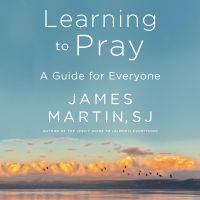
Learning to PrayJames Martin13h 24m4.5 (3.4K)$33 · $0.00

Finding MeViola Davis9h 15m4.6 (256.4K)$29 · $0.00

Spiritual AnatomyDaaji Kamlesh D. Patel9h 47m4.7 (319)$29 · $0.00

The Dangerous Truth about Today’s MarijuanaLaura Stack CSP, MBA9h 57m4.7 (385)$20 · $0.00

The Gospel according to Spiritualism (Translated)Allan Kardec14h 39m4.6 (3.9K)$5.70 · $0.00

Birdie & HarlowTaylor Wolfe7h 50m4.6 (6.5K)$26 · $0.00

CrossroadsKaleb Dahlgren7h 56m4.6 (4.9K)$26 · $0.00

Life on the BridgeKaelynn Partlow5h 40m4.6 (1.1K)$24 · $0.00

Keep Your Love OnDanny Silk9h 4m4.6 (8.1K)$10 · $0.00

The Tao of Joy Every DayDerek Lin10h 24m4.6 (762)$20 · $0.00

UndividedVicky Beeching9h 2m4.6 (1.3K)$29 · $0.00

HE CAN WHO THINKS HE CAN & OTHER BOOKS ON SUCCESSOrison Swett Marden5h 54m4.6 (1.2K)$1.99 · $0.00
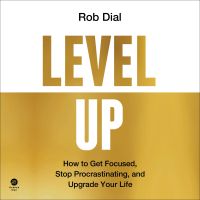
Level UpRob Dial7h 42m4.6 (3.3K)$26 · $0.00

Burn the HaystackJennie Young, PhD9h 30m4.6 (543)$29 · $0.00

ACRES OF DIAMONDS: Our Every-day Opportunities (Wisdom & Empowerment Series) (Annotated)Russell Conwell2h 26m4.6 (1K)$2 · $0.00

Good InsideBecky Kennedy9h 55m4.5 (59.3K)$29 · $0.00

The Lost VoiceGreta Morgan8h 30m4.7 (285)$26 · $0.00

Stripped DownBunnie Xo8h 25m4.5 (32.9K)$26 · $0.00

UnthinkableJamie Raskin15h 8m4.5 (9.3K)$8 · $0.00

Wallace D. Wattles Ultimate Collection Wallace D. Wattles16h 53m4.6 (1.3K)$1 · $0.00
You may also like

The Art of Public SpeakingDale Carnegie11h 10m4.0 (8.5K)$1 · $0.00

Talks To Teachers On Psychology; And To Students On Some Of Life's IdealsWilliam James7h 18m4.1 (512)$1 · $0.00

The DetailsIa Genberg3h 54m3.9 (30.7K)$20 · $0.00

My Magic BreathNick Ortner, Alison Taylor4m4.3 (1.7K)$4 · $0.00

Your Mind and How to Use It: A Manual of Practical Psychology (Unabridged) (Annotated)William Walker Atkinson6h 3m4.1 (2.2K)$2 · $0.00

Your Brain at WorkDavid Rock9h 42m4.2 (15.2K)$29 · $0.00

Memory How to Develop, Train, and Use ItWilliam Walker Atkinson3h 56m4.0 (2.7K)$2.30

The Brain of RelationshipsLuciana Priscila2h 43m$5.10 · $0.00

The Art of Public SpeakingAnthony Ekanem1h 14m$4 · $0.00

YOUR MIND & HOW TO USE ITWilliam Walker Atkinson6h 2m3.9 (611)$1.99 · $0.00
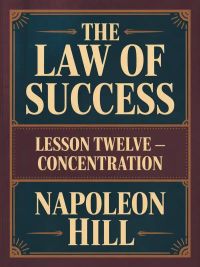
THE LAW OF SUCCESS Lesson Twelve - CONCENTRATIONNapoleon Hill1h 54m4.6 (153)$4.60 · $0.00

Power Speed-Reading Performance SystemLiv Montgomery2h 9m2.2 (16)$15

The Narcissists HandbookDorian Frinch39m$14 · $0.00

The Memory DoctorDouglas Mason, Spencer Smith3h 9m3.1 (89)$18 · $0.00

The End of Wars in LoveLuciana Priscila5h 38m$5.10 · $0.00

Erase and RewindMeghan Bell5h 23m3.8 (59)$24 · $0.00

Facets of Ayn RandMary Ann Sures, Charles Sures3h 51m4.2 (124)$12 · $0.00

Project Manager Training SystemSherry Prindle5h 58m$75

When Intention Gets StuckArbab Naseebullah Kasi5h 34m5.0 (4)$19.99 · $0.00

We Keep Having the Same Fight - How to Break a Conflict You Both Know by HeartMax Paradox6h 51m$7.80 · $0.00