
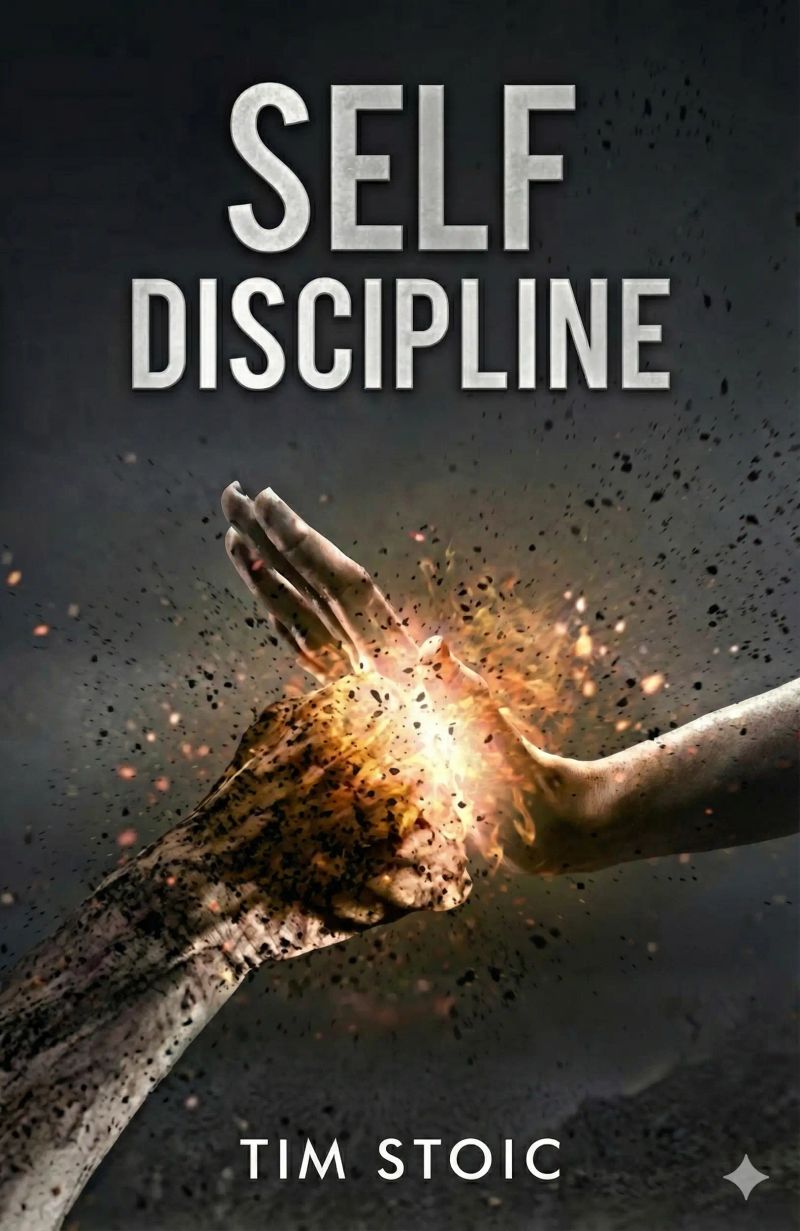
SELF DISCIPLINE 6 BOOKS MEGA BUNDLE
6 BOOKS MEGA BUNDLE: Stoicism, Overthinking, Mental Toughness, Improve Your Social Skills, How to Analyze People, Mental Models.By TIM STOIC


Length19h 29m
About this audiobook
Unlock the power to transform your life from the inside out.
The Self-Discipline Bundle is your complete guide to building unshakeable mental strength, creating lasting habits, and overcoming the excuses that hold you back. Through practical lessons, psychological insights, and real-world strategies, this audiobook shows you how to silence self-doubt, master your emotions, stay focused, and follow through on your goals — even when motivation fades.
You’ll learn how to reprogram your mindset, break destructive patterns, resist temptation, strengthen your willpower, and design a lifestyle built on consistency and purpose. Whether you want to improve your health, boost productivity, or simply become the strongest version of yourself, this bundle gives you the tools to take control and create meaningful change.
If you’re ready to stop starting over and finally rise to your potential, press play and begin your transformation.
Audiobook details
Rating★★★★★ 5.0 (1)
GenreSelf-Help, Psychology
Length19 hrs 29 mins
Narrated byListen with 1,000+ voices
FormateBook with Audio
Publish dateNov 26, 2025
LanguageEnglish
Table of contents
1BOOK 1 - Stoicism
2Introduction
3Chapter 1: Introduction to Stoicism
4Chapter 2: Origin of Stoicism
5Chapter 3: Virtue of Stoicism
Show all chaptersShow less
6Chapter 4: Stoicism and Psychology
7Chapter 5: Stoicism and Emotions
8Chapter 6: Spiritual Learning
9Chapter 7: Friendship and Love
10Chapter 8: Dealing with Negative Emotions
11Chapter 9: Spiritual Exercise to Become Stoic
12Chapter 10: Stoicism and Christianity
13Chapter 11: Stoic Inner Peace
14Chapter 12: Stoic Logic
15Chapter 13: Training of Perception
16Chapter 14: Stoicism in Growing Emotional Intelligence
17Chapter 15: Learn More about Stoic Ethics
18BOOK 2 - Overthinking
19Introduction
20Chapter 1: What is Overthinking
21Chapter 2: Overthinking and Its Forms
22Chapter 3: What are The Causes of Overthinking
23Chapter 4: Information Overload
24Chapter 5: Overcoming Fear
25Chapter 6: Meditation and Overthinking
26Chapter 7: Changing Your Approach and Challenge You Thoughts
27Chapter 8: Focus on Active Problem Solving
28Chapter 9: Consider the Worst-Case Scenario
29Chapter 10: Schedule Thinking Time
30Chapter 11: Deal with Procrastination
31Chapter 12: Declutter Your Mind
32Chapter 13: Declutter Your Environment
33Chapter 14: Good Habits
34Chapter 15: Traveling to Ease Overthinking
35Chapter 16: Critical Thinking
36Chapter 17: Positive Thinking: Stop Bad Self-Talk to Minimize Overthinking
37Chapter 18: Overthinking and Sleep: What is the Relationship?
3810 Simple Techniques and Strategies to Stop Yourself from Overthinking
39Some Other Techniques to Address Overthinking Issue
40Final Words
41BOOK 3 - Mental Toughness
42Introduction
43Chapter 1: What is Mental Toughness?
44Chapter 2: The Traits of an Unbeatable Mind
45Chapter 3: Resilience
46Chapter 4: Why Develop Mental Strength
47Chapter 5: How to Build Mental Strength
48Chapter 6: Fear and Stress
49Chapter 7: Goals
50Chapter 8: Self-confidence, Self Discipline, Willpower and Self-esteem
More from TIM STOIC

Learning to PrayJames Martin13h 24m4.5 (3.4K)$33 · $0.00

Autism Out Loud: the instant New York Times Bestseller. Moving Stories and Parenting Lessons Learned from Three Mothers of Children with AutismKate Swenson, Carrie Cariello, Adrian Wood8h 41m4.8 (2.1K)$26 · $0.00

The StepsSylvester Stallone9h 4m4.8 (635)$29 · $0.00

Swayam Ki AwaazPrem Rawat8h 34m4.7 (1.1K)$26 · $0.00

Forever BoyKate Swenson9h 27m4.7 (5K)$29 · $0.00

You Are Worth ItKyle Carpenter, Don Yaeger8h 53m4.7 (4.8K)$29 · $0.00

The Happiest Man on EarthEddie Jaku3h 48m4.6 (178K)$7 · $0.00

Finding MeViola Davis9h 15m4.6 (256.4K)$29 · $0.00

Spiritual AnatomyDaaji Kamlesh D. Patel9h 47m4.7 (319)$29 · $0.00

The Dangerous Truth about Today’s MarijuanaLaura Stack CSP, MBA9h 57m4.7 (385)$20 · $0.00
The Gospel according to Spiritualism (Translated)Allan Kardec14h 39m4.6 (3.9K)$5.70 · $0.00

Birdie & HarlowTaylor Wolfe7h 50m4.6 (6.5K)$26 · $0.00

CrossroadsKaleb Dahlgren7h 56m4.6 (4.9K)$26 · $0.00

Life on the BridgeKaelynn Partlow5h 40m4.6 (1.1K)$24 · $0.00

Keep Your Love OnDanny Silk9h 4m4.6 (8.1K)$10 · $0.00
The Tao of Joy Every DayDerek Lin10h 24m4.6 (762)$20 · $0.00
UndividedVicky Beeching9h 2m4.6 (1.3K)$29 · $0.00

HE CAN WHO THINKS HE CAN & OTHER BOOKS ON SUCCESSOrison Swett Marden5h 54m4.6 (1.2K)$1.99 · $0.00
Level UpRob Dial7h 42m4.6 (3.3K)$26 · $0.00

Burn the HaystackJennie Young, PhD9h 30m4.6 (543)$29 · $0.00
What to Make of a LifeJim Collins13h 31m4.4 (794)$33 · $0.00

Black AF HistoryMichael Harriot15h 43m4.7 (14.6K)$33 · $0.00

Bad Fat Black GirlSesali Bowen6h 32m4.7 (2.8K)$24 · $0.00

Invisible StormJason Kander6h 48m4.7 (3.2K)$24 · $0.00

I Am The StormJanice Dean9h4.6 (1.5K)$8 · $0.00

On Democracies and Death CultsDouglas Murray10h 38m4.6 (6.5K)$29 · $0.00

TerraformPropaganda5h 39m4.7 (594)$24 · $0.00

Southern Horrors: Lynch Law in All Its Phases (Annotated)Ida B. Wells-Barnett2h 44m4.6 (1.3K)$2 · $0.00

Hour of the HeartIrvin D. Yalom, Benjamin Yalom8h 19m4.6 (2.3K)$26 · $0.00

Braving the TruthRachel Held Evans11h 31m4.7 (359)$29 · $0.00
Level UpRob Dial7h 42m4.6 (3.3K)$26 · $0.00

As a JewSarah Hurwitz8h 36m4.6 (1.2K)$26 · $0.00

Saint Joan (Annotated)George Bernard Shaw6h 20m4.6 (1.2K)$1.20 · $0.00
Burn the HaystackJennie Young, PhD9h 30m4.6 (543)$29 · $0.00

Woman and the New Race (Annotated)Margaret Sanger6h 30m4.6 (1K)$1.99 · $0.00

Good InsideBecky Kennedy9h 55m4.5 (59.3K)$29 · $0.00

The Mis-Education of the NegroCarter Godwin Woodson5h 4m4.5 (29.4K)$1.20 · $0.00

Du Bois: EssaysW.E.B. Du Bois6h 22m4.6 (1.5K)$1 · $0.00

The North American Indian (Illustrated Edition)Edward S. Curtis, Frederick Webb Hodge5h 59m4.6 (1.4K)$2 · $0.00

Valley of the BirdtailAndrew Stobo Sniderman, Douglas Sanderson10h 1m4.6 (2.4K)$29 · $0.00
You may also like

Big TrustShadé Zahrai, Fayçal Sekkouah8h 36m4.6 (406)$26 · $0.00

The Spiritual Exercises of St. Ignatius of LoyolaIgnatius of Loyola4h 34m4.3 (8.3K)$1 · $0.00

As a Man ThinkethJames Allen52m4.2 (131K)$1.20 · $0.00

The Mastery of DestinyJames Allen1h 44m4.3 (759)$2.30 · $0.00

Essays in Zen BuddhismDaisetz Teitaro13h 48m4.3 (826)$2.40

You TurnAshley Stahl9h 22m4.1 (1.6K)$20

The Ending Of TimeJiddu Krishnamurti19h 4m4.3 (938)$24 · $0.00

All These Things AddedJames Allen2h 37m4.1 (585)$1 · $0.00
UnlearnHumble the Poet3h 55m4.3 (4.5K)$20 · $0.00

Nicomachean EthicsAristotle11h 4m4.2 (135.6K)$1 · $0.00
The Wakeful BodyWilla Blythe Baker5h 34m4.4 (555)$17
The Code of High ProductivitySara Melo3h 34m$5.80 · $0.00
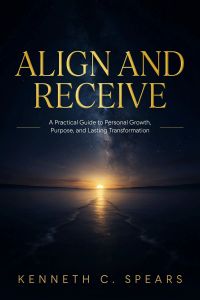
ALIGN AND RECEIVEKenneth C. Spears5h 41m$6

THE SUBCONSCIOUS & THE SUPERCONSCIOUS PLANES OF MINDWilliam Walker Atkinson4h 33m4.2 (158)$2 · $0.00
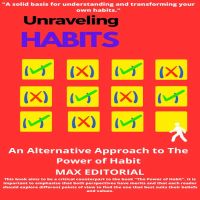
Unraveling HabitsUnknown Author59m$17 · $0.00

The direct ZEN-Way to LiberationZensho W. Kopp2h 6m$13 · $0.00
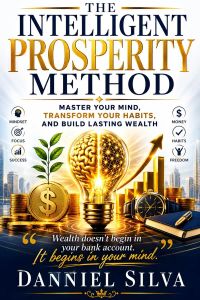
The Intelligent Prosperity MethodDanniel Silva3h 42m$1.80 · $0.00
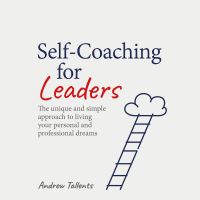
Self-Coaching for LeadersAndrew Tallents4h 37m$16 · $0.00

How to Tell If You Have a Healthy BrainSteve Pavlina38m4.1 (21)$4 · $0.00

EMBRACING PEACE IN SILENCECHUKS.AE49m4.9 (24) Only with Ultra