
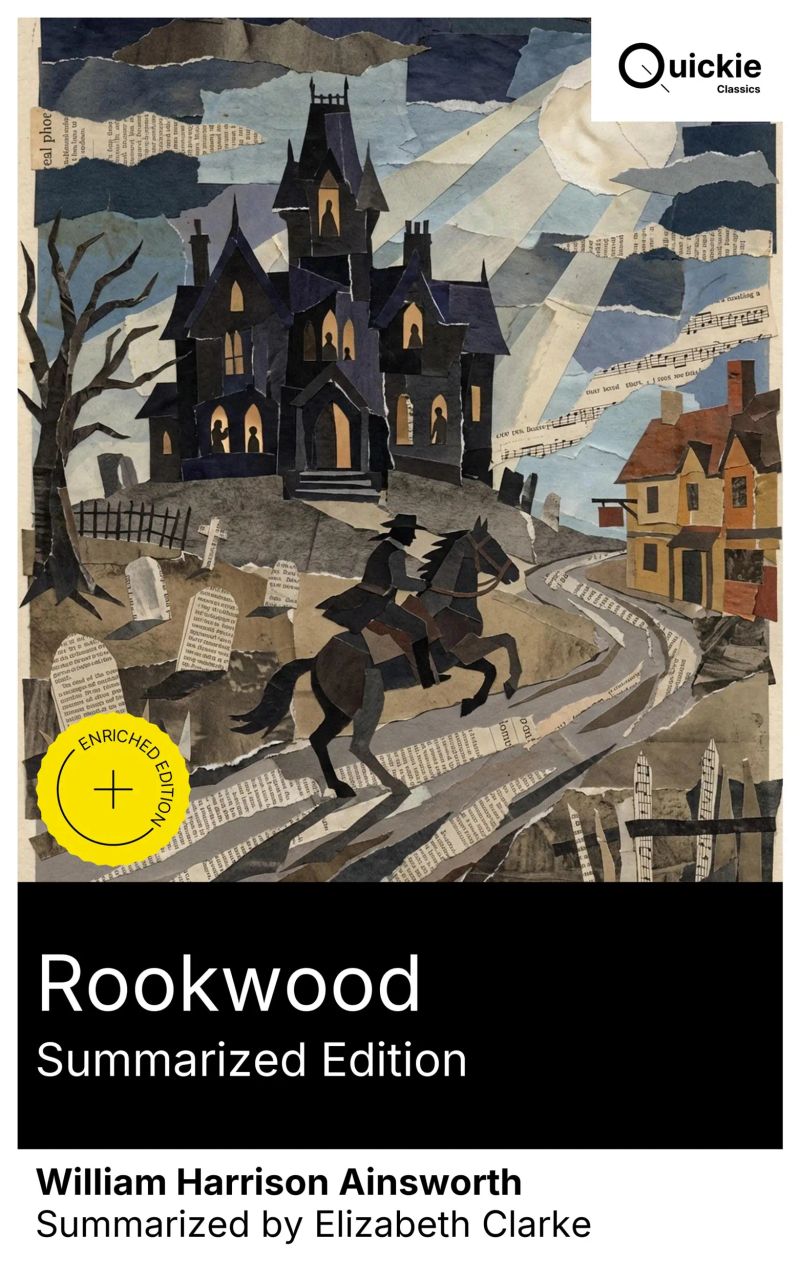
Rookwood (Summarized Edition)
Enriched edition. A Gothic Historical Mystery of 18th-Century England—Dick Turpin, Family Inheritance, and a Highwayman's RevengeBy William Harrison Ainsworth


Length4h 8m
About this audiobook
Rookwood (1834) entwines a contested family inheritance with the meteoric legend of Dick Turpin, climaxing in the breathless Ride to York. Between crypts, inns, and the echoing chambers of Rookwood Hall, Ainsworth fuses Gothic architecture, fatal prophecy, and the kinetics of the road. Ornate, melodramatic prose is punctuated by ballads and tavern songs, producing a hybrid of historical romance and criminal chronicle that tests Romantic heroism against the hard line of eighteenth-century law. Manchester-born and trained for the law, William Harrison Ainsworth brought an antiquarian relish for relics, broadsides, and Newgate calendars to his fiction. Writing in Scott's wake yet turning to the plebeian roadway, and collaborating with George Cruikshank, he shaped a taste for spectacle and episodic design. Archival rumor and local topography fed a narrative that crystallized contemporary anxieties about celebrity crime and inheritance, igniting debate over the emergent Newgate novel. Readers of Gothic romance, historical fiction, and Victorian studies will find both propulsive narrative and cultural document here. For scholarship and pleasure alike, Rookwood rewards with haunted halls, balladry, and a bracing inquiry into how charisma unsettles law.
Quickie Classics summarizes timeless works with precision, preserving the author's voice and keeping the prose clear, fast, and readable—distilled, never diluted. Enriched Edition extras: Introduction · Synopsis · Historical Context · Brief Analysis · 4 Reflection Q&As · Editorial Footnotes.
Audiobook details
GenreHistorical Fiction, General Fiction
Length4 hrs 8 mins
Narrated byListen with 1,000+ voices
FormateBook with Audio
Publish dateJan 10, 2026
LanguageEnglish
Table of contents
1Introduction
5Rookwood (pt. 1)
2Introduction
6Rookwood (pt. 2)
3Synopsis
7Analysis
4Historical Context
8Reflection
W. H. Ainsworth Collection: 20+ Historical Novels, Gothic Romances & Adventure ClassicsWilliam Harrison Ainsworth285h 1m$1.99 · $0.00
Jack Sheppard (Historical Novel)William Harrison Ainsworth18h 58m$1.99 · $0.00
Rookwood (Historical Novel)William Harrison Ainsworth18h 45m3.5 (241)$1.99 · $0.00
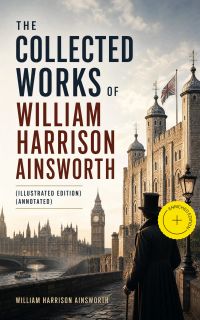
The Collected Works of William Harrison Ainsworth (Illustrated Edition) (Annotated)William Harrison Ainsworth285h 2m4.6 (13)$2 · $0.00
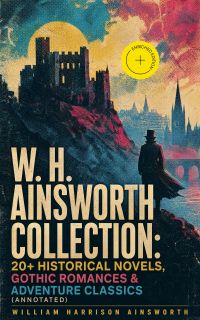
W. H. Ainsworth Collection: 20+ Historical Novels, Gothic Romances & Adventure Classics (Annotated)William Harrison Ainsworth286h 4m$2 · $0.00
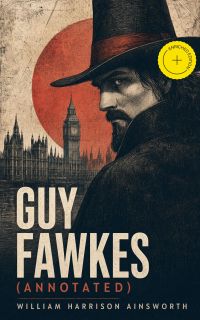
Guy Fawkes (Annotated)William Harrison Ainsworth19h 42m3.6 (87)$2 · $0.00
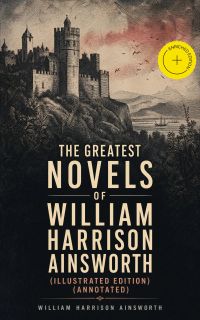
The Greatest Novels of William Harrison Ainsworth (Illustrated Edition) (Annotated)William Harrison Ainsworth283h 38m4.3 (12)$2 · $0.00

The Lancashire Witches (Annotated)William Harrison Ainsworth27h 10m3.5 (437)$2 · $0.00
Jack Sheppard (Annotated)William Harrison Ainsworth19h 19m$2 · $0.00
Windsor Castle (Annotated)William Harrison Ainsworth14h 7m3.1 (95)$2 · $0.00

Old St Paul's (Annotated)William Harrison Ainsworth23h 8m3.7 (131)$3 · $0.00
RookwoodWilliam Harrison Ainsworth11h 46m3.5 (262)$2 · $0.00
The Tower of LondonWilliam Harrison Ainsworth20h 55m3.6 (55)$1 · $0.00
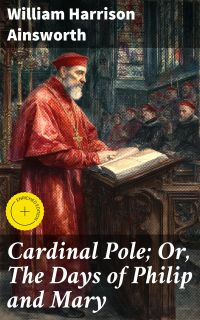
Cardinal Pole; Or, The Days of Philip and MaryWilliam Harrison Ainsworth15h 29m3.4 (10)$2 · $0.00

Boscobel; or, the royal oak: A tale of the year 1651William Harrison Ainsworth18h 7m$2 · $0.00
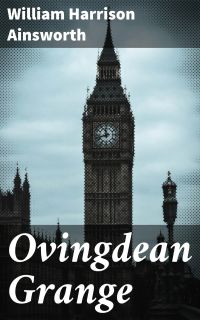
Ovingdean GrangeWilliam Harrison Ainsworth12h 26m3.3 (31)$2 · $0.00
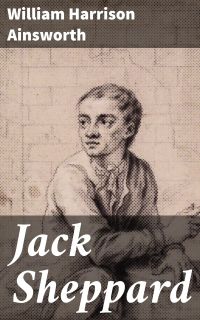
Jack SheppardWilliam Harrison Ainsworth17h 56m3.6 (124)$2 · $0.00
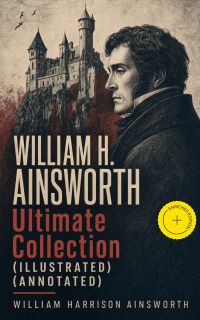
WILLIAM H. AINSWORTH Ultimate Collection (Illustrated) (Annotated)William Harrison Ainsworth286h 2m4.4 (13)$2 · $0.00

A Walk Through Old London – 3 Classic Historical NovelsWilliam Harrison Ainsworth, M. E. Braddon, Charles Dickens68h 19m$1
Scaramouche (Annotated)Rafael Sabatini15h 24m4.6 (1.8K)$2 · $0.00

The Ghost by the Billabong (The Matilda Saga, #5)Jackie French14h 58m4.6 (773)$33 · $0.00
The Labyrinth of the SpiritsCarlos Ruiz Zafon27h 55m4.5 (77.2K)$53 · $0.00
ShivajiRanjit Desai25h 13m4.6 (3.1K)$24 · $0.00
The Things We Cannot SayKelly Rimmer13h 48m4.5 (359.1K)$33 · $0.00
Lieutenant Hornblower (Annotated)C. S. Forester11h 41m4.5 (2.9K)$2 · $0.00
A Christmas Carol (Illustrated Edition)Charles Dickens3h 23m4.5 (21.2K)$1.99 · $0.00

Rilla of InglesideLucy Maud Montgomery11h 44m4.5 (48.2K)$2 · $0.00
The Viennese DressmakerKathryn Gauci11h 46m4.5 (2.1K)$23 · $0.00
The Man in the Brown Suit & They Came to BaghdadAgatha Christie15h 43m4.6 (495)$33 · $0.00

Under the Light of the Italian MoonJennifer Anton12h 28m4.5 (5.3K)$23 · $0.00

Jubilee, 50th Anniversary EditionMargaret Walker15h 43m4.5 (9.5K)$25 · $0.00
Pride and PrejudiceJane Austen14h 44m4.4 (4.7M)$2 · $0.00
Flying Colours (Annotated)Cecil Louis Troughton Smith9h 26m4.4 (10.1K)$2 · $0.00
With Love from HarlemReShonda Tate13h 48m4.5 (2K)$6 · $0.00
Sweet Home Highland ChristmasMay McGoldrick, Jan Coffey2h 54m4.5 (1.4K)$7 · $0.00
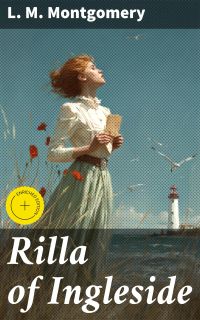
Rilla of InglesideL. M. Montgomery12h 25m4.4 (67.5K)$2 · $0.00
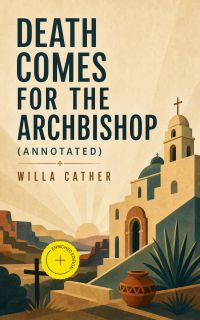
Death Comes for the Archbishop (Annotated)Willa Cather9h 13m4.4 (4.7K)$2 · $0.00
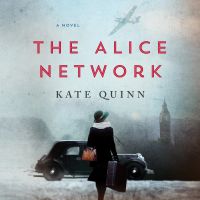
The Alice NetworkKate Quinn15h 7m4.4 (887.1K)$33 · $0.00

The Goddess of WarsawLisa Barr13h 4m4.4 (36.4K)$33 · $0.00
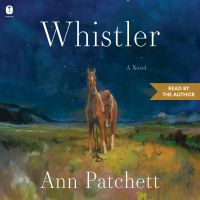
WhistlerAnn Patchett10h 45m4.6 (4.6K)$29 · $0.00
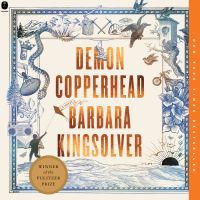
Demon CopperheadBarbara Kingsolver21h 3m4.5 (949.4K)$46 · $0.00
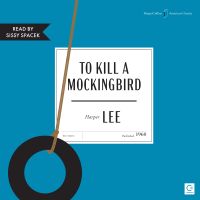
To Kill a MockingbirdHarper Lee12h 18m4.5 (7.4M)$29 · $0.00

Remarkably Bright CreaturesShelby Van Pelt11h 17m4.4 (1.7M)$29 · $0.00

This Side of Paradise - The Original 1920 Edition (Annotated)F. Scott Fitzgerald11h 30m4.6 (1.6K)$2 · $0.00
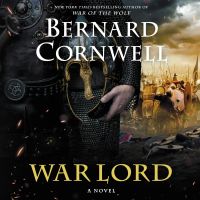
War LordBernard Cornwell13h 21m4.6 (33.1K)$33 · $0.00
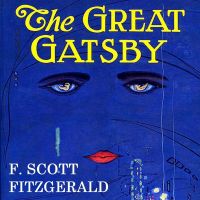
The Great Gatsby: Original 1925 Edition (An F. Scott Fitzgerald Classic NovelFrancis Scott Fitzgerald4h 45m4.6 (9.3K)$18 · $0.00
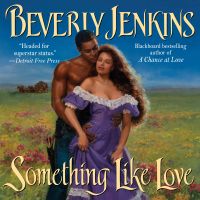
Something Like LoveBeverly Jenkins10h 21m4.6 (2.7K)$29 · $0.00
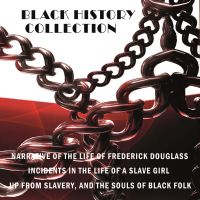
Black History CollectionFrederick Douglass, Harriet Ann Jacobs, Booker T. Washington, W.E.B. Du Bois27h 9m4.6 (2.6K)$18 · $0.00

The Old Man and the Sea (Annotated)Ernest Hemingway4h 27m4.6 (1.4K)$2 · $0.00

White HotIlona Andrews13h 18m4.5 (136.9K)$5 · $0.00
The Ghost by the Billabong (The Matilda Saga, #5)Jackie French14h 58m4.6 (773)$33 · $0.00
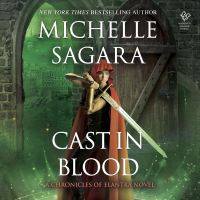
Cast in BloodMichelle Sagara16h 35m4.6 (607)$33 · $0.00
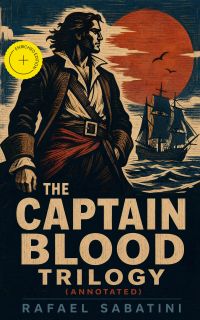
The Captain Blood Trilogy (Annotated)Rafael Sabatini29h 20m4.6 (1K)$3 · $0.00
Ship of the Line (Annotated)Cecil Louis Troughton Smith11h 13m4.6 (1K)$2 · $0.00
The George Orwell CollectionGeorge Orwell24h 46m4.5 (14.4K)$12 · $0.00
ShivajiRanjit Desai25h 13m4.6 (3.1K)$24 · $0.00
Time RegainedMarcel Proust15h 38m4.5 (9.2K)$2 · $0.00

Driving ForceElle James4h 58m4.6 (407)$20 · $0.00

When God Calls the HeartBrian Bird, Michelle Cox3h 24m4.6 (439)$10 · $0.00
You may also like
A Rogue’s LifeWilkie Collins5h 19m3.8 (1.6K)$14
Orley Farm (Historical Novel)Anthony Trollope34h 22m4.0 (4.5K)$1.99 · $0.00
Stormy PersuasionJohanna Lindsey10h4.0 (9.6K)$23
MalcolmGeorge MacDonald20h 53m4.3 (2.1K)$2.30 · $0.00

Bones of ParadiseJonis Agee14h 28m4.0 (3.3K)$33 · $0.00
Tender is the Night (The Original 1934 Edition)Francis Scott Fitzgerald169h 39m3.9 (183.2K)$1.99 · $0.00
The Gilded HeiressJoanna Shupe11h3.6 (1.5K)$29 · $0.00
Barnaby RudgeCharles Dickens28h 18m3.9 (17K)$12 · $0.00
Rookwood (Annotated)William Harrison Ainsworth19h 15m4.2 (12)$1.99 · $0.00

The ExplorerW. Somerset Maugham7h 52m3.4 (698)$2 · $0.00
The Complete Tales of Sir Walter ScottWalter Scott72h 10m4.6 (12)$1.99 · $0.00
The Saving Clause and Other StoriesSapper2h 27m$2 · $0.00
Strange Wills, Vol. 1Black Eye Entertainment7h 56m$20

The PirateWalter Scott22h 59m3.7 (983)$1 · $0.00
Belle Starr—The Bandit QueenWilliam Yancey Shackleford1h 29m$10

MAX BRAND Ultimate Collection: 90+ Novels & Short Stories (Including Western Classics, Historical Novels, Adventure Tales & Detective Mysteries) (Annotated)Max Brand, Frederick Schiller Faust429h 35m4.5 (22)$2 · $0.00
RookwoodWilliam Harrison Ainsworth17h 48m3.5 (767)$1.20 · $0.00
The Wolf Demon; or, The Queen of the KanawhaAlbert W. Aiken9h 43m$1 · $0.00
Deadly Sails - Complete CollectionCharles Johnson, Robert Louis Stevenson, Walter Scott, Howard Pyle, Edgar Allan Poe, Jack London, Jules Verne, J. M. Barrie, Arthur Conan Doyle, Frederick Marryat, R. M. Ballantyne, Charles Dickens, L. Frank Baum, J. Allan Dunn, Robert E. Howard, James Fenimore Cooper, Alexandre Dumas, William Hope Hodgson, F. Scott Fitzgerald, Harold MacGrath, Harry Collingwood, W. H. G. Kingston, G. A. Henty, Joseph Lewis French, Maturin Murray Ballou, Charles Boardman Hawes, Charles Kingsley, Washington Irving, William Clark Russell, Max Pemberton500h 21m4.3 (14)$1.99 · $0.00
Rookwood (Historical Novel)William Harrison Ainsworth18h 45m3.5 (241)$1.99 · $0.00