
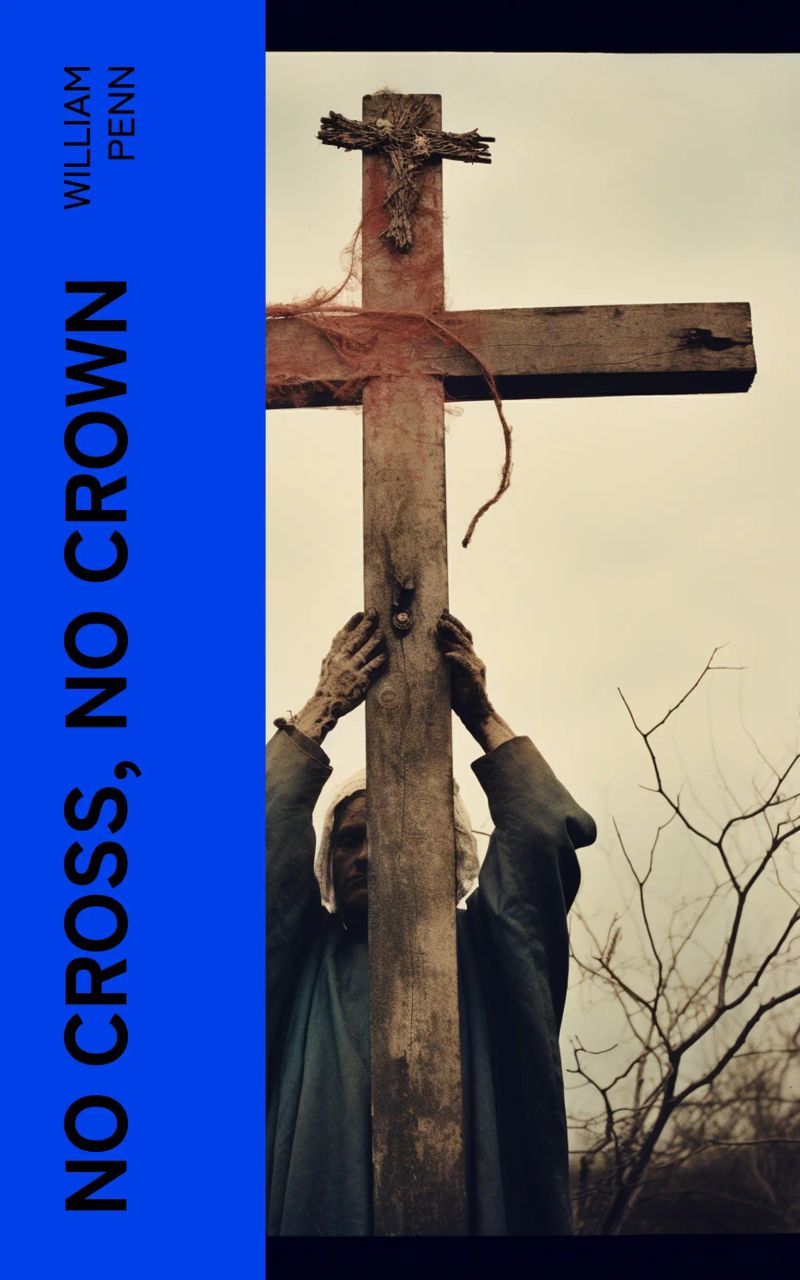
No Cross, No Crown
A Discourse, Shewing the Nature and Discipline of the Holy Cross of ChristBy William Penn


Length10h 36m
About this audiobook
"No Cross, No Crown" by William Penn. Published by e-artnow. e-artnow publishes a wide range of titles that encompasses every genre. From well-known classics & literary fiction and non-fiction to forgotten−or yet undiscovered gems−of world literature, we issue the books that need to be read. Each e-artnow edition has been meticulously edited and formatted to boost readability for all e-readers and devices. Our goal is to produce eBooks that are user-friendly and accessible to everyone in a high-quality digital format.
Audiobook details
GenreSpirituality and Religion
Length10 hrs 36 mins
Narrated byListen with 1,000+ voices
FormateBook with Audio
Publish dateNov 26, 2023
LanguageEnglish
Table of contents
1PREFACE.
16CHAPTER XIII.
2CONTENTS.
17CHAPTER XIV.
3PART I.
18CHAPTER XV.
4CHAPTER I.
19CHAPTER XVI.
5CHAPTER II.
20CHAPTER XVII.
Show all chaptersShow less
6CHAPTER III.
21CHAPTER XVIII.
7CHAPTER IV.
22PREFACE.
8CHAPTER V.
23I. AMONG THE GREEKS, &c. viz.
9CHAPTER VI.
24II. The Romans also yielded us instances to our point in hand, viz.
10CHAPTER VII.
25III. I will now proceed to report the virtuous doctrines and sayings of men of more retirement; such as philosophers and writers, both Greeks and Romans, who in their respective times were masters in the civility, knowledge, and virtue that were among the Gentiles, being most of them many ages before the coming of Christ, viz.
11CHAPTER VIII.
26IV. Nor is this reputation, wisdom, and virtue, only to be attributed to men: there were women also in the Greek and Roman ages, that honoured their sex, by great examples of meekness, prudence, and chastity; and which I do the rather mention, that the honour, story yields to their virtuous conduct, may raise an allowable emulation in those of their own sex, at least, to equal the noble character given them by antiquity, viz.
12CHAPTER IX.
27CHAPTER XX.
13CHAPTER X.
28CHAPTER XXI.
14CHAPTER XI.
29THE CONCLUSION.
15CHAPTER XII.
30FOOTNOTES:
More from William Penn



The Gospel of Luke: NASB 2020New American Standard Bible2h 41m$15
Morning & EveningC.H. Spurgeon35h 32m$30
Prayers from the Throne RoomBrian Simmons8h 55m$10 · $0.00
31 Decrees of Blessing for Your LifePatricia King2h 38m$10 · $0.00

Walk With Me JesusMarie Chapian6h 4m$10 · $0.00
Prayers on Fire for WomenBrian Simmons, Candice Simmons8h 24m$10 · $0.00
Strong's Bible ConcordanceJames Strong136h 23m$2 · $0.00

365 Days of Hope and Healing for Your Body, Mind, and SoulJoan Hunter8h 48m$10 · $0.00

Rewrite the Mother CodeDr. Gertrude Lyons10h 55m$25

Loved BabySarah Philpott4h 51m$10 · $0.00

The QuranAllah23h 12m$1 · $0.00
The Holy Qur-an: Text, Translation and CommentaryAbdullah Yusuf Ali21h 14m$3 · $0.00

The Secret of the RosaryLouis de Montfort6h 7m$2 · $0.00
Jesus the ChristJames E. Talmage30h 50m$2 · $0.00

Defying JihadEsther Ahmad8h 50m$20
PsalmsKing James Bible4h 2m$10
The Two Swords of ChristRaymond Ibrahim15h 55m$30

Steps to ChristEllen G. White3h 12m$2 · $0.00
Praying Grace for MenDavid Holland3h 24m$10 · $0.00

C. S. LewisC. S. Lewis38h 55m$30
You may also like
Idols of the Heart, Revised and UpdatedElyse M. Fitzpatrick7h 27m$20
Humility: The Beauty of HolinessAndrew Murray2h 8m$2 · $0.00
A Call to the UnconvertedRichard Baxter5h 32m$17
Why Jesus?Ray Comfort6h 1m$10 · $0.00

Meister Eckhart's SermonsMeister Eckhart1h 25m$4 · $0.00

The Religious Training of ChildrenAbby Morton Diaz2h 55m$2 · $0.00

Rest AssuredVicki Courtney5h 40m1 (1)$17 · $0.00

Treatise Written to a Devout ManWalter Hilton1h 16m$2 · $0.00

How to bring men to ChristR. A. Torrey3h 21m$1 · $0.00

Quiet Talks on PowerS. D. Gordon3h 48m$2 · $0.00

The Christian’s Secret of a Happy LifeHannah Whitall Smith5h 26m$17

Science and HealthMary Baker G. Eddy16h 45m$1 · $0.00
On Loving GodSaint Bernard of Clairvaux1h 48m$7.50
Conferences of John CassianJohn Cassian23h 4m$3 · $0.00
The Spiritual Exercises of St. Ignatius of LoyolaIgnatius of Loyola3h 20m$2 · $0.00
Practical ReligionJ. C. Ryle18h$25
HUMILITY - The Journey Toward HolinessAndrew Murray2h 50m$2 · $0.00

VocationMichael Berg4h 51m$13 · $0.00

Kept for the Master's UseFrances Ridley Havergal3h 17m$1 · $0.00
Secret Power; or, The Secret of Success in Christian Life and WorkDwight Lyman Moody3h 59m$2 · $0.00