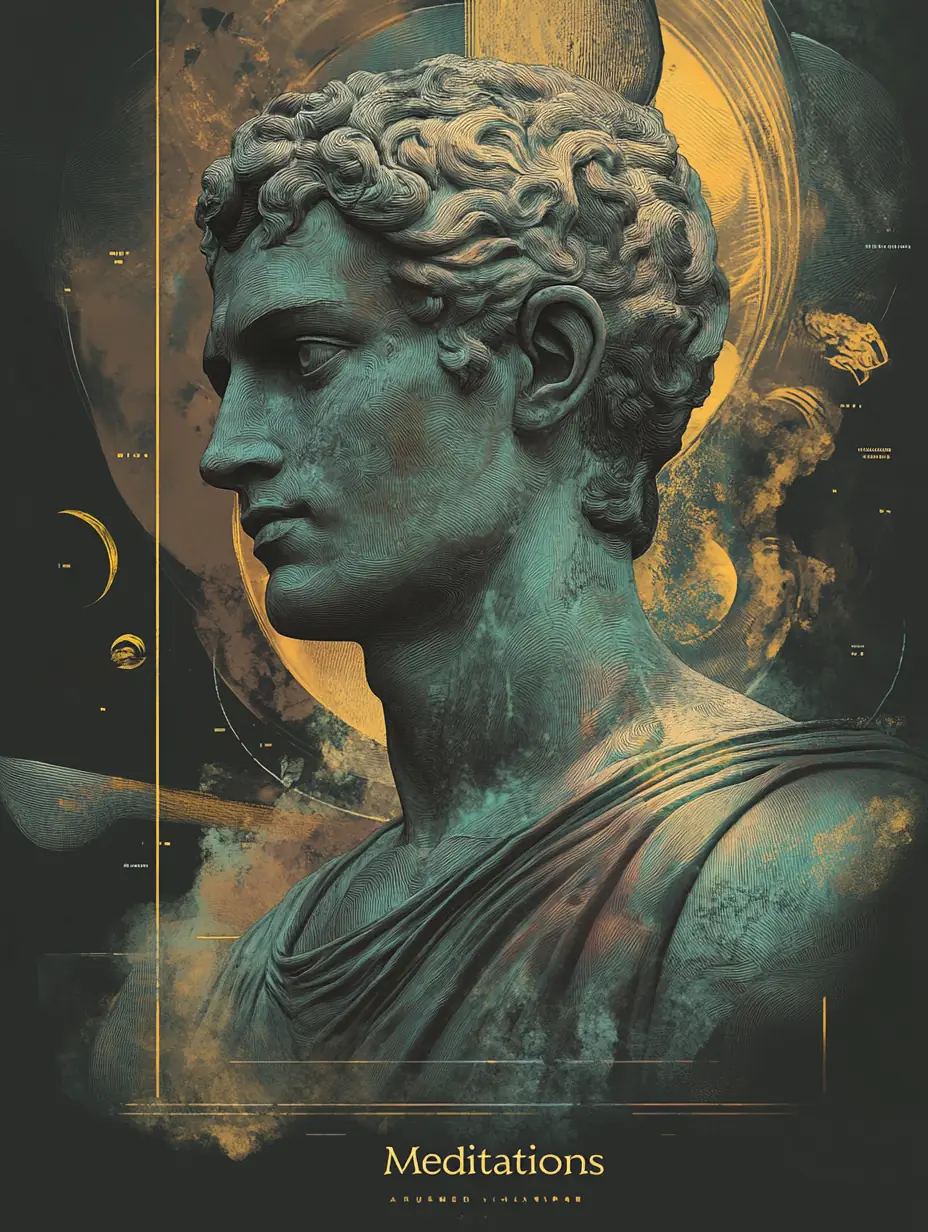
As both a Roman emperor and a committed Stoic thinker, Marcus Aurelius governed during a period of military conflict, political pressure, and personal hardship. Despite these challenges, he remained guided by reason, ethical discipline, and a strong sense of duty, making his life a rare example of philosophy applied to leadership.
This book examines Marcus Aurelius’ life, intellectual development, and philosophical principles, with particular attention to Stoicism, virtue, self-control, and moral responsibility. It explores how his ethical beliefs shaped his understanding of human life, society, and governance, and how philosophy informed his decisions as a ruler. The work also discusses his reflections on leadership, justice, and human conduct, highlighting the practical nature of his thought.
Royalty
Hero
Psychological
Healing
Family
Political Intrigue
Audiobook details
Rating★★★★★ (4.7) (10)
GenrePhilosophy, History
Length46 mins
Publish dateJan 13, 2020
LanguageEnglish
Table of contents
1Chapter 1: Life and Times
4Chapter 4: Society, Governance, and Knowledge
2Chapter 2: Core Ideas – Stoicism, Virtue, Self- Control