
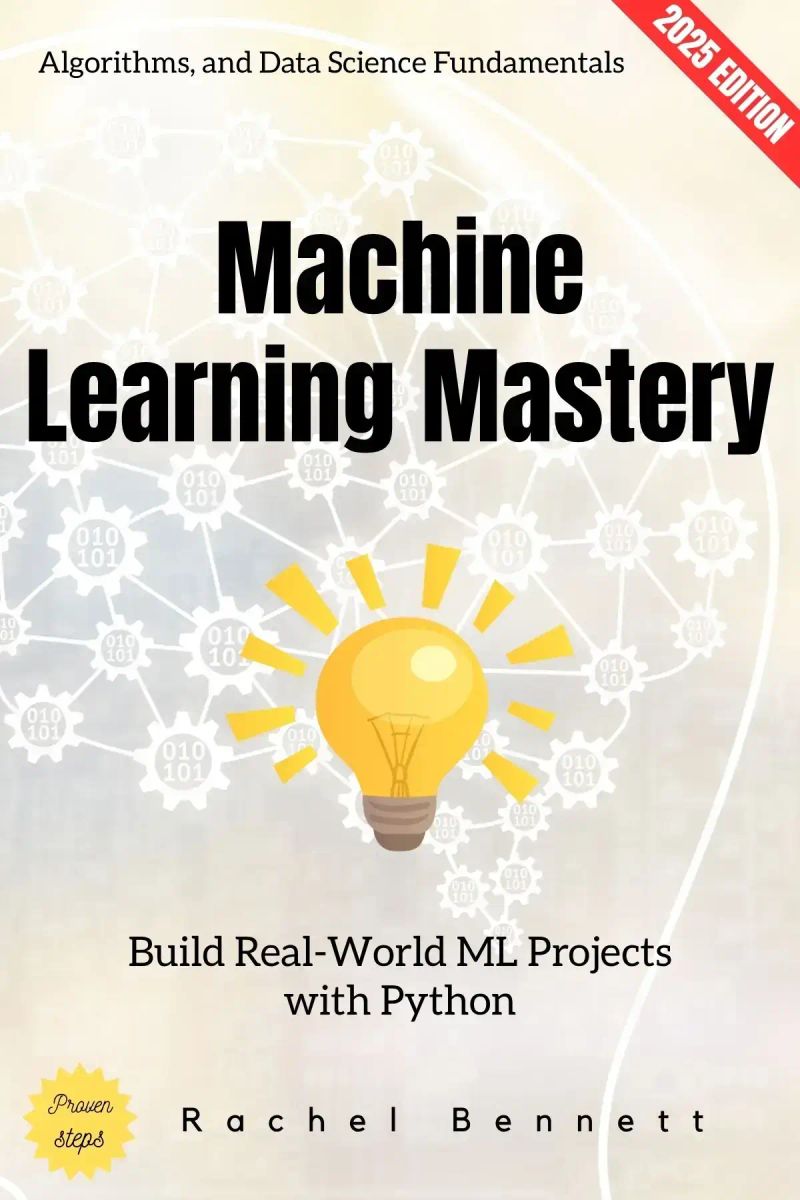
Machine Learning Mastery
Build Real-World ML Projects with Python, Algorithms, and Data Science FundamentalsBy Rachel Bennett


Length2h 42m
About this audiobook
Step into the world of intelligent systems and data-driven innovation with Machine Learning Mastery. This practical guide helps you build a strong understanding of Machine Learning, from core concepts to advanced applications used in modern technology.
Designed for both beginners and aspiring practitioners, the book explains how machine learning models work and how they can be applied to real-world problems. With clear explanations and practical insights, you’ll learn how to move beyond theory and begin building smarter systems with confidence.
Here's a Preview of What You'll Learn...
The foundations of data, algorithms, and predictive models
How supervised learning works in practice
Understanding neural networks and deep learning
Feature engineering for better model performance
Ethical considerations and bias in AI systems
Build the knowledge and mindset needed to create intelligent solutions powered by data.
Scroll up and Grab your Copy Today!
Audiobook details
GenreTechnology, Business and Economics
Length2 hrs 42 mins
Narrated byListen with 1,000+ voices
FormateBook with Audio
Publish dateMar 8, 2026
LanguageEnglish
Table of contents
1Introduction
2Introduction to Machine Learning and Its Real-World Impact
3The Foundations: Data, Algorithms, and Models
4Supervised Learning Demystified
5Diving into Unsupervised Learning
Show all chaptersShow less
6The Power of Semi-Supervised and Self-Supervised Learning
7Understanding Neural Networks and Deep Learning
8Feature Engineering: Turning Data into Gold
9Model Evaluation and Performance Metrics
10Overfitting, Underfitting, and the Bias-Variance Tradeoff
11Hyperparameter Tuning and Model Optimization
12Deploying Machine Learning Models in Production
13Tools, Libraries, and Frameworks Every ML Engineer Should Know
14Ethics and Bias in Machine Learning
15Emerging Trends and the Future of Machine Learning
16Final Thoughts: Becoming a Machine Learning Master
17Conclusion

Whispers in the DarkJonathan Kade50m$9.99

The Last KeyClara Whitfield47m5.0 (1)Free

Beyond the Null HorizonAlaric Shade51m$2.99 · $0.00
Apex of ShadowsLucien Crow53m$2.99 · $0.00

Neon Echoes of TomorrowSeraphine Ember47m$4.99 · $0.00
Whispers of the Shattered RealmKael Dusk47m$2.99 · $0.00

Crimson OdysseyEvelyn Frost58m$2.99 · $0.00

Shadows Between CluesSebastian Grey59m$2.99 · $0.00

Fractured HorizonsSable Thorn1h 4m$2.99 · $0.00

The Shadow AlgorithmLuna Ray49m$2.99 · $0.00

The Echo of Blue GlassClara Whitmore50m$2.99 · $0.00

The Ember TrailElysia Storm58m$2.99 · $0.00

The Ember VeilTaylor Morgan51m$2.99 · $0.00
The Singularity ParadoxJack Morrison56m Only with Ultra

Edge of the Forgotten FrontierNolan Drake47m$2.99 · $0.00
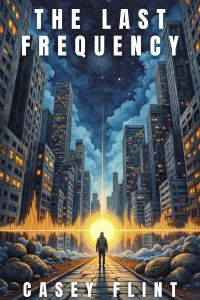
The Last FrequencyCasey Flint55mFree

Shadows of the ForgottenAvery Knight51m$2.99 · $0.00

Edge of the HorizonWyatt Stone53m$2.99 · $0.00

Whispers Between the RainDashiell Cross48m$4.99

Shadows in the AlleyCyrus Falcon46m$2.99 · $0.00

When the Heavens Went on SaleAshlee Vance18h 20m4.4 (3K)$40 · $0.00
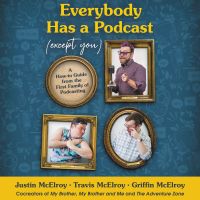
Everybody Has a Podcast (Except You)Justin McElroy, Travis McElroy, Griffin McElroy5h 9m4.3 (2.3K)$24 · $0.00

Hands of TimeRebecca Struthers8h 8m4.4 (1.3K)$26 · $0.00
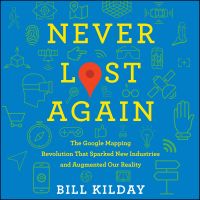
Never Lost AgainBill Kilday10h 1m4.4 (805)$29 · $0.00
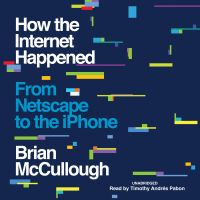
How the Internet HappenedBrian McCullough13h 28m4.3 (2.7K)$23 · $0.00
Collected Writings of Nikola TeslaNikola Tesla, Thomas Commerford Martin21h 50m4.3 (1.7K)$1 · $0.00
Just AspireAjai Chowdhry9h 13m4.4 (260)$29 · $0.00

The Little Book of AliensAdam Frank8h 20m4.3 (1.3K)$26 · $0.00
The inventions, researches and writings of Nikola Tesla (Annotated)Thomas Commerford Martin16h 59m4.3 (1.3K)$2 · $0.00

KargilV.P. Malik15h 18m4.3 (2K)$24 · $0.00
Experiments with Alternating CurrentsNikola Tesla9h 16m4.3 (874)$1.99 · $0.00

Fire on the HorizonTom Shroder, John Konrad8h 23m4.3 (858)$26 · $0.00

The Smell of Kerosene (Annotated)National Aeronautics and Space Administration, Donald L. Mallick, Peter W. Merlin11h 32m4.3 (523)$2 · $0.00

The Boy Who Harnessed the WindWilliam Kamkwamba, Bryan Mealer10h 5m4.2 (78.9K)$29 · $0.00

Across the Airless WildsEarl Swift10h 8m4.3 (1.3K)$29 · $0.00

Console WarsBlake J. Harris20h 41m4.2 (13.7K)$46 · $0.00

Improvised Munitions HandbookU.S. Department of Defense4h 49m4.3 (1.6K)$1.99 · $0.00
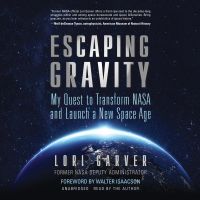
Escaping GravityLori Garver10h 54m4.2 (2.2K)$20 · $0.00

Wireless WarsJonathan Pelson8h 2m4.3 (418)$20 · $0.00

Let There Be WaterSeth M. Siegel8h 36m4.2 (2.3K)$20 · $0.00
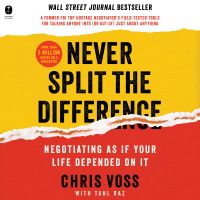
Never Split the DifferenceChris Voss, Tahl Raz8h 7m4.4 (277.7K)$26 · $0.00
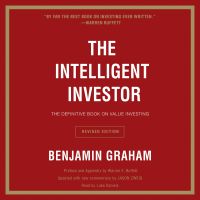
The Intelligent Investor Rev Ed.Benjamin Graham17h 48m4.3 (191.5K)$40 · $0.00
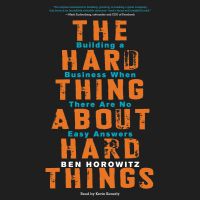
The Hard Thing About Hard ThingsBen Horowitz7h 57m4.2 (134.3K)$26 · $0.00
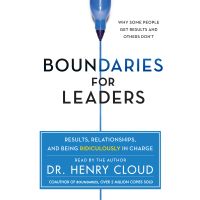
Boundaries for LeadersHenry Cloud7h 36m4.3 (3.6K)$26 · $0.00

The Secret Door to SuccessFlorence Scovel Shinn2h 25m4.5 (2.1K)$1.20 · $0.00

This Is Going to HurtAdam Kay5h 47m4.4 (444.7K)$24 · $0.00

Big TrustShadé Zahrai, Fayçal Sekkouah8h 36m4.6 (406)$26 · $0.00
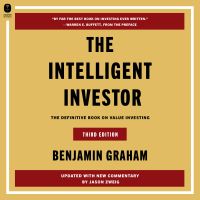
The Intelligent Investor Third EditionBenjamin Graham, Jason Zweig20h4.4 (156.6K)$46 · $0.00

Bottle of LiesKatherine Eban14h 25m4.4 (12K)$33 · $0.00

The Antiracist Business BookTrudi Lebrón6h 10m4.6 (275)$17 · $0.00
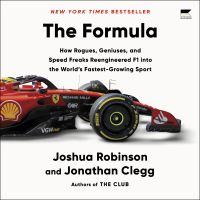
The FormulaJoshua Robinson, Jonathan Clegg10h 41m4.4 (6.9K)$29 · $0.00

Let Them LeadJohn U. Bacon7h 10m4.5 (1.4K)$24 · $0.00
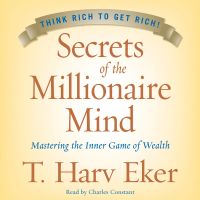
Secrets of the Millionaire MindT. Harv Eker5h 11m4.4 (301.4K)$24 · $0.00

The Person You Mean to BeDolly Chugh9h 6m4.4 (7.2K)$29 · $0.00
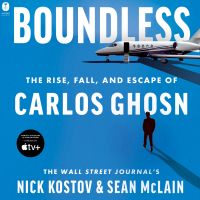
BoundlessNick Kostov, Sean McLain9h 17m4.5 (1.1K)$29 · $0.00
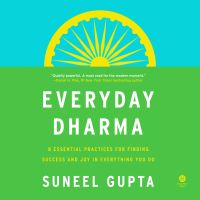
Everyday DharmaSuneel Gupta5h 2m4.5 (761)$20 · $0.00
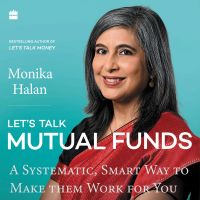
Let's Talk Mutual FundsMonika Halan7h 5m4.4 (2.4K)$16 · $0.00

Secret PowerDwight Lyman Moody3h 7m4.4 (1.4K)$1.20 · $0.00
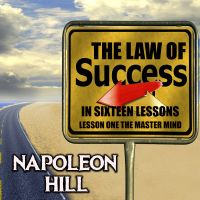
The Law of Success in Sixteen LessonsNapoleon Hill2h 39m4.4 (17.2K)$2 · $0.00
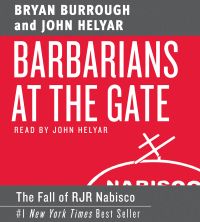
Barbarians at the GateBryan Burrough, John Helyar3h 3m4.4 (52.7K)$18 · $0.00
You may also like
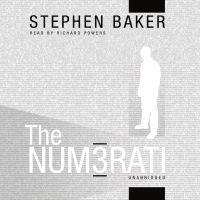
The NumeratiStephen Baker7h 55m3.6 (2K)$17 · $0.00
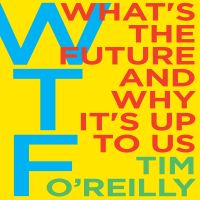
WTF?Tim O'Reilly16h 15m4.2 (2.6K)$33 · $0.00
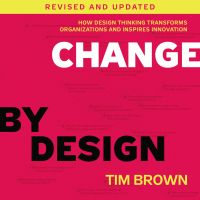
Change by Design, Revised and UpdatedTim Brown7h 37m4.0 (12K)$26 · $0.00
Some RemarksNeal Stephenson11h 36m3.9 (2.4K)$29 · $0.00
Making SenseSam Harris22h 27m4.1 (3K)$46 · $0.00
The Creativity CodeMarcus du Sautoy9h 54m4.0 (2.2K)$20 · $0.00
The Technological SocietyJacques Ellul21h 21m4.3 (2.3K)$30
The MANIACBenjamín Labatut9h 51m4.3 (32.8K)$26 · $0.00

Ai Revolution And Its Unstoppable Global ImpactEveraldo Santos Silva1h 27m$7 · $0.00
The Masterclass of Machine LearningJohn9h 55m$6.80
I Am Not a RobotJoanna Stern8h 2m4.0 (402)$28 · $0.00
AI in the Writing WorkshopDennis Magliozzi, Kristina Peterson5h 28m4.2 (25)$20
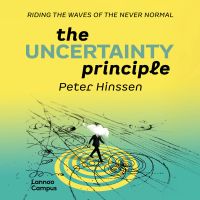
The Uncertainty PrinciplePeter Hinssen10h 1m3.5 (35)$23 · $0.00
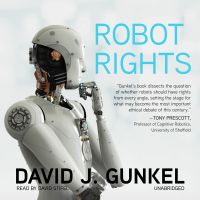
Robot RightsDavid J. Gunkel10h 58m4.1 (122)$23 · $0.00
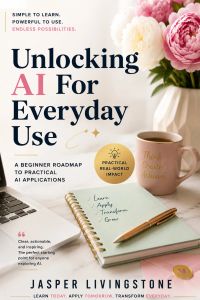
Unlocking AI For Everyday UseJasper Livingstone6h 4m$9
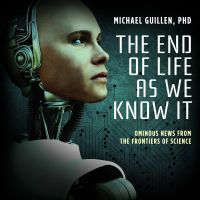
The End of Life as We Know ItDr. Michael Guillen10h 12m3.9 (256)$23
The Everyday AlgorithmJasper Livingstone7h 41m$9
Me, My Customer, and AIHenrik Werdelin, Nicholas Thorne3h 41m3.3 (16)$20
Giant Brains, or, Machines That ThinkEdmund Callis Berkeley9h 21m$2.30
AI Tools for TeachersProf. Angelina Joel Adams2h 25m$6.50 · $0.00