


Length3h 20m
About this audiobook
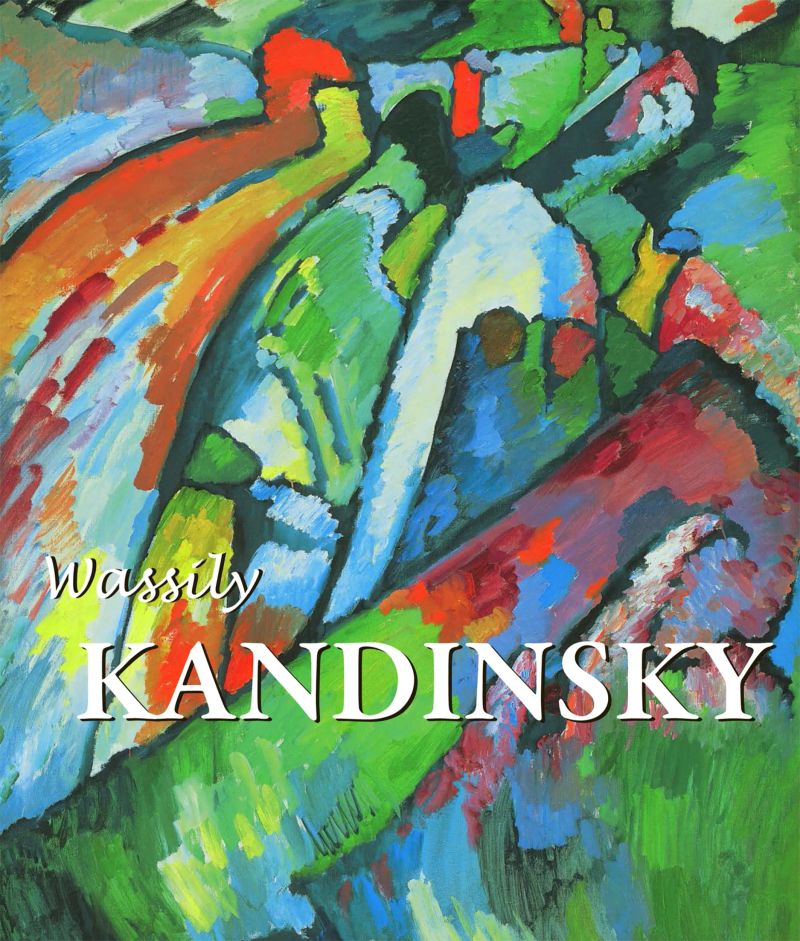
Wassily Kandinsky (1866-1944) was a Russian painter credited as being among the first to truly venture into abstract art. He persisted in expressing his internal world of abstraction despite negative criticism from his peers. He veered away from painting that could be viewed as representational in order to express his emotions, leading to his unique use of colour and form. Although his works received heavy censure at the time, in later years they would become greatly influential.
Audiobook details
Rating★★★★ 4.4 (144)
Includes Amazon, Goodreads
GenreOther
Length3 hrs 20 mins
Narrated byListen with 1,000+ voices
FormateBook with Audio
Publish dateJul 13, 2015
LanguageEnglish
Table of contents
1Wassily Wassily
2Author: Wassily Kandinsky
3List of Illustrations
4Foreword
5Künstlervereinigung München (Munich New Artist’s Association), Jack of Diamonds and Der
Show all chaptersShow less
6in numerous different movements – Impressionism, Art Nouveau, Neo-Impressionism and
7A. About General Aesthetic
8I. Introduction
9of words.
10powerful prophetic strength.
11and upwards.
12II. The Movement of the Triangle
13III. Spiritual Revolution
14banners in religion.
15of some logical method.
16Capital, and still further.
17sense of insecurity.
18same Academies.
19to the past.
20city, subject to these sudden disturbances for which neither architects nor mathematicians
21IV. The Pyramid
22B. About Painting
23V. The Psychological Working of Colour
24spiritual harmony.
25VI. The Language of Form and Colour
26Creep in our ears: soft stillness and the night
27Jessica:
28By the sweet power of music: therefore the poet
29(William Shakespeare, The Merchant of Venice, 5.1.63-97)22
30material object.
31of composition.31
32several appeals).
33dematerialised objects.
342 movement:
35Absolute lack of re- sistance, devoid of possibility (death)
36negation, even of discord, like an endless wall or a bottomless pit.
37FIGURE III
38BLACK II
39rather the very kernel of its existence.
40force any expression attainable by one art alone.
41the combination.
42Legitimate and illegitimate combinations of colours, contrasts of various colours, the over-
43of surfaces, all these open great vistas of artistic possibility.
44and most powerful elements in purely artistic composition.
45VII. Theory
46the two chief elements of painting, form and colour.
47Through these combined elements, with their many qualities and possibilities, the
48Cassierer, publisher, Berlin, 1903).60
49VIII. Art and Artists
50form, but only of the need of the artist for such form.
More from Wassily Kandinsky
Mere ChristianityC. S. Lewis7h 7m4.4 (519.7K)$24 · $0.00

Her Daily BreadKate Wood12h 57m4.6 (153)$33 · $0.00
The Holy Bible - 1 SamuelKing James2h 13m4.8 (1.6K)$3 · $0.00
The American Standard Bible — The Gospel of MatthewMatthew3h 56m4.7 (3K)$2 · $0.00

Bad Fat Black GirlSesali Bowen6h 32m4.7 (2.8K)$24 · $0.00
The King James Audio Bible New Testament CompleteChristopher Glyn20h 2m4.7 (2.6K)$12 · $0.00
Faiths CheckbookCharles Spurgeon12h 44m4.7 (3.2K)$11 · $0.00
Ten Things I Wish You Knew About Your Child's Mental HealthDr. Billy Garvey4h 53m4.7 (2.4K)$20 · $0.00
Designing Terry Pratchett’s DiscworldPaul Kidby3h 52m4.7 (343)$20 · $0.00
The Chosen Book OneAmanda Jenkins, Kristen Hendricks, Dallas Jenkins3h 8m4.6 (4.9K)$10 · $0.00
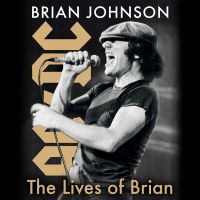
The Lives of BrianBrian Johnson9h 45m4.6 (3.5K)$29 · $0.00
Expository Thoughts on the Gospel of LukeJ.C. Ryle27h 13m4.7 (536)$18 · $0.00

CrossroadsKaleb Dahlgren7h 56m4.6 (4.9K)$26 · $0.00

Across the RiverKent Babb11h 40m4.6 (927)$29 · $0.00
Brain Training for RidersAndrea Monsarrat Waldo5h 56m4.7 (550)$19 · $0.00
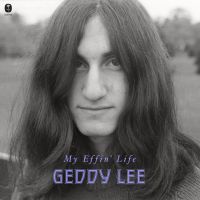
My Effin' LifeGeddy Lee17h 11m4.6 (13.1K)$40 · $0.00
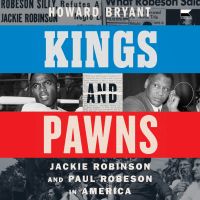
Kings and PawnsHoward Bryant10h 9m4.6 (678)$29 · $0.00

The Elementia Chronicles #2: The New OrderSean Fay Wolfe11h 17m4.6 (841)$29 · $0.00
The ActsLuke2h 55m4.6 (19.7K)$12 · $0.00
New Testament - Easy NavigationWorld English Bible19h 35m4.6 (1.3K)$1.30 · $0.00
You may also like
OrthodoxyG. K. Chesterton6h 48m4.3 (50.2K)$17
Mr. Bennett and Mrs. BrownVirginia Woolf50m4.2 (850)$2 · $0.00
WaldenHenry David Thoreau13h 32m3.9 (237.8K)$5 · $0.00
In the MarginsElena Ferrante2h 22m3.9 (8.9K)$15
Henri Matisse Jazz. Drawing with ScissorsHenri Matisse Jazz28m4.5 (1.6K)$16 · $0.00
A Week on the Concord and Merrimack RiversHenry David Thoreau13h 10m3.9 (3.6K)$23
ON BEING ILLVirginia Woolf1h 59m4.1 (3.8K)$1.99 · $0.00
Auguste RodinRainer Maria Rilke3h 26m4.2 (922)$16 · $0.00

The Book of TeaOkakura Kakuzo1h 59m4.3 (42.6K)$1.20 · $0.00
Fresh SeeingEmily Carr1h 1m4.6 (14)$1 · $0.00
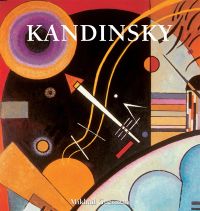
KandinskyMikhaïl Guerman1h 10m4.2 (38)$8 · $0.00

Good BootyAnn Powers13h 23m3.9 (646)$33 · $0.00
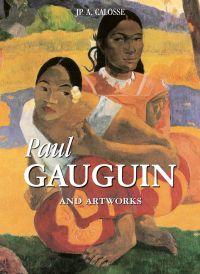
GauguinJp. A. Calosse1h 20m$15 · $0.00
The Masters and Their MusicW. S. B. Mathews6h 22m$2 · $0.00

KandinskyMikhaïl Guerman2h 17m3.2 (31)$10 · $0.00
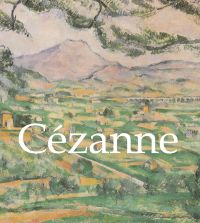
CézanneNathalia Brodskaya1h 22m3.9 (19)$13.50 · $0.00
Post-ImpressionismNathalia Brodskaïa3h 9m3.7 (39)$15 · $0.00
The evolution of PhilosophyRudolf Steiner8h 55m4.3 (144)$5.10 · $0.00
Naive ArtNathalia Brodskaya1h 6m3.8 (41)$15 · $0.00
English literary criticismCharles Edwyn Vaughan8h 38m$2 · $0.00