
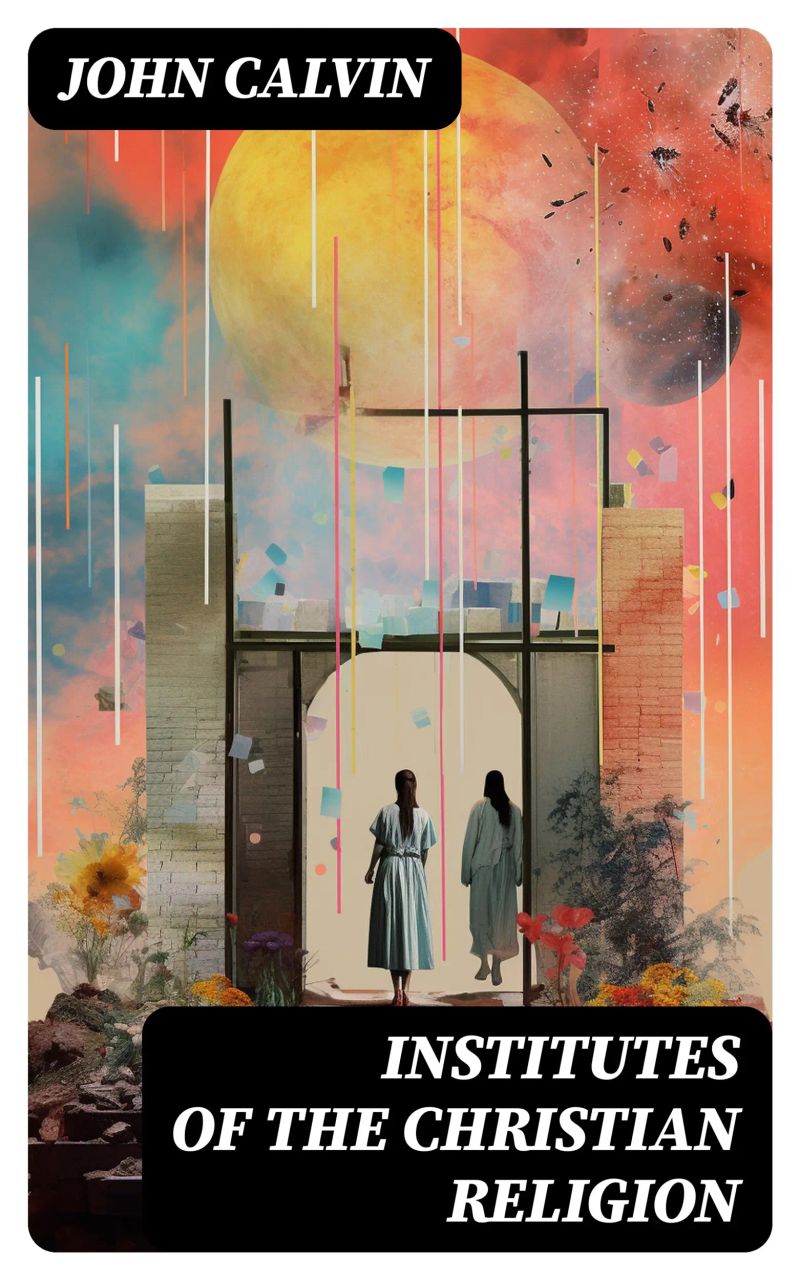
Institutes of the Christian Religion
The Basics of Protestant TheologyBy John Calvin


Length69h 58m
About this audiobook
John Calvin's 'Institutes of the Christian Religion' stands as a foundational text of Reformed theology, meticulously articulating the principles of Protestant faith and the sovereignty of God. Written with clarity and conviction, this monumental work elucidates core doctrines, such as predestination and the sacraments, while reflecting the tumultuous socio-political landscape of the 16th century. Calvin's literary style skillfully blends rigorous theological discourse with accessible prose, inviting both scholars and lay readers into deep theological contemplation. John Calvin (1509-1564), a French theologian and reformer, was profoundly influenced by the challenges of the Reformation era, witnessing the need for a systematic and biblical approach to Christian belief. His own spiritual journey and experiences in Geneva catalyzed his desire to cultivate a reformed faith that emphasized a personal relationship with God. As a pioneering figure, Calvin shaped Protestant thought and ecclesiastical structure, leaving an indelible mark on Christianity. This seminal work is essential reading for anyone wishing to explore the tenets of Reformed theology or understand the historical context of Christian reform. Calvin's rigorous yet approachable examination of faith promises to inspire a deeper appreciation for the theological richness that shapes contemporary Christianity.
Audiobook details
Rating★★★★★ 4.6 (15K)
Includes Goodreads, Amazon, LibraryThing, StoryGraph
GenreSpirituality and Religion
Length69 hrs 58 mins
Narrated byListen with 1,000+ voices
FormateBook with Audio
Publish dateNov 23, 2023
LanguageEnglish
Table of contents
1The Translator's Preface.
2The Author's Preface to An Edition Published In The Year 1559, With His Last Corrections And Additions.
3Dedication.
4General Syllabus.
5Argument.
Show all chaptersShow less
6Chapter I. The Connection Between The Knowledge Of God And The Knowledge Of Ourselves.
7Chapter II. The Nature And Tendency Of The Knowledge Of God.
8Chapter III. The Human Mind Naturally Endued With The Knowledge Of God.
9Chapter IV. This Knowledge Extinguished Or Corrupted, Partly By Ignorance, Partly By Wickedness.
10Chapter V. The Knowledge Of God Conspicuous In The Formation And Continual Government Of The World.
11Chapter VI. The Guidance And Teaching Of The Scripture Necessary To Lead To The Knowledge Of God The Creator.
12Chapter VII. The Testimony Of The Spirit Necessary To Confirm The Scripture, In Order To The Complete Establishment Of Its Authority. The Suspension Of Its Authority On The Judgment Of The Church, An Impious Fiction.
13Chapter VIII. Rational Proofs To Establish The Belief Of The Scripture.
14Chapter IX. The Fanaticism Which Discards The Scripture, Under The Pretence Of Resorting To Immediate Revelations, Subversive Of Every Principle Of Piety.
15Chapter X. All Idolatrous Worship Discountenanced In The Scripture, By Its Exclusive Opposition Of The True God To All The Fictitious Deities Of The Heathen.
16Chapter XI. Unlawfulness Of Ascribing To God A Visible Form. All Idolatry A Defection From The True God.
17Chapter XII. God Contradistinguished From Idols, That He May Be Solely And Supremely Worshipped.
18Chapter XIII. One Divine Essence, Containing Three Persons; Taught In The Scriptures From The Beginning.
19Chapter XIV. The True God Clearly Distinguished In The Scripture From All Fictitious Ones By The Creation Of The World.
20Chapter XV. The State Of Man At His Creation, The Faculties Of The Soul, The Divine Image, Free Will, And The Original Purity Of His Nature.
21Chapter XVI. God's Preservation And Support Of The World By His Power, And His Government Of Every Part Of It By His Providence.
22Chapter XVII. The Proper Application Of This Doctrine To Render It Useful To Us.
23Chapter XVIII. God Uses The Agency Of The Impious, And Inclines Their Minds To Execute His Judgments, Yet Without The Least Stain Of His Perfect Purity.
24Argument.
25Chapter I. The Fall And Defection Of Adam The Cause Of The Curse Inflicted On All Mankind, And Of Their Degeneracy From Their Primitive Condition. The Doctrine Of Original Sin.
26Chapter II. Man, In His Present State, Despoiled Of Freedom Of Will, And Subjected To A Miserable Slavery.
27Chapter III. Every Thing That Proceeds From The Corrupt Nature Of Man Worthy Of Condemnation.
28Chapter IV. The Operation Of God In The Hearts Of Men.
29Chapter V. A Refutation Of The Objections Commonly Urged In Support Of Free Will.
30Chapter VI. Redemption For Lost Man To Be Sought In Christ.
31Chapter VII. The Law Given, Not To Confine The Ancient People To Itself, But To Encourage Their Hope Of Salvation In Christ, Till The Time Of His Coming.
32Chapter VIII. An Exposition Of The Moral Law (pt. 1)
33Chapter VIII. An Exposition Of The Moral Law (pt. 2)
34Chapter IX. Christ, Though Known To The Jews Under The Law, Yet Clearly Revealed Only In The Gospel.
35Chapter X. The Similarity Of The Old And New Testaments.
36Chapter XI. The Difference Of The Two Testaments.
37Chapter XII. The Necessity Of Christ Becoming Man In Order To Fulfil The Office Of Mediator.
38Chapter XIII. Christ's Assumption Of Real Humanity.
39Chapter XIV. The Union Of The Two Natures Constituting The Person Of The Mediator.
40Chapter XV. The Consideration Of Christ's Three Offices, Prophetical, Regal, And Sacerdotal, Necessary To Our Knowing The End Of His Mission From The Father, And The Benefits Which He Confers On Us.
41Chapter XVI. Christ's Execution Of The Office Of A Redeemer To Procure Our Salvation. His Death, Resurrection, And Ascension To Heaven.
42Chapter XVII. Christ Truly And Properly Said To Have Merited The Grace Of God And Salvation For Us.
43Argument.
44Chapter I. What Is Declared Concerning Christ Rendered Profitable To Us By The Secret Operation Of The Spirit.
45Chapter II. Faith Defined, And Its Properties Described.
46Chapter III. On Repentance.
47Chapter IV. The Sophistry And Jargon Of The Schools Concerning Repentance, Very Remote From The Purity Of The Gospel. On Confession And Satisfaction.
48Chapter V. Indulgences And Purgatory. The Supplements To Their Doctrine Of Satisfactions.
49Chapter VI. The Life Of A Christian. Scriptural Arguments And Exhortations To It.
50Chapter VII. Summary Of The Christian Life. Self-Denial.
More from John Calvin
31 Decrees of Blessing for Your LifePatricia King2h 38m4.8 (1.4K)$10 · $0.00
Loved BabySarah Philpott4h 51m4.8 (1.4K)$10 · $0.00
The QuranAllah23h 7m4.7 (136.1K)$1 · $0.00
The Secret of the RosaryLouis de Montfort6h 1m4.7 (16K)$2 · $0.00
The Holy Qur-an: Text, Translation and CommentaryAbdullah Yusuf Ali22h 16m4.7 (133K)$1 · $0.00
All of Grace (Annotated)Charles Spurgeon5h 1m4.7 (1.3K)$0.99 · $0.00
Steps to ChristEllen G. White3h 12m4.7 (13.8K)$2 · $0.00
The Doctrine and Selected CovenantsJoseph Smith13h 53m4.7 (10.4K)$1.99 · $0.00
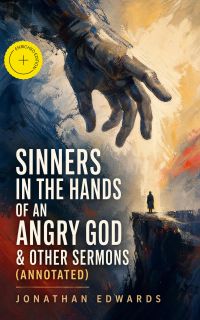
Sinners in the Hands of an Angry God & Other Sermons (Annotated)Jonathan Edwards7h 51m4.7 (1.5K)$2 · $0.00
Swayam Ki AwaazPrem Rawat8h 34m4.7 (1.1K)$26 · $0.00

Behind the BadgeAdam Davis10h 18m4.7 (2.7K)$10 · $0.00
The New Human Revolution, vol. 1Daisaku Ikeda7h 46m4.7 (669)$12 · $0.00

You Are Worth ItKyle Carpenter, Don Yaeger8h 53m4.7 (4.8K)$29 · $0.00
Praying GraceDavid A. Holland3h 2m4.7 (658)$10 · $0.00
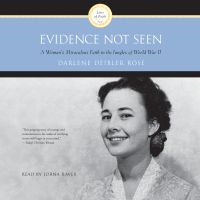
Evidence Not SeenDarlene Deibler Rose11h 11m4.6 (11.9K)$29 · $0.00
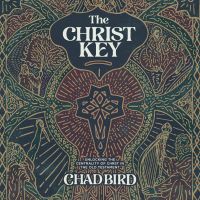
The Christ KeyChad Bird, Chad Bird7h 33m4.7 (592)$17.40 · $0.00
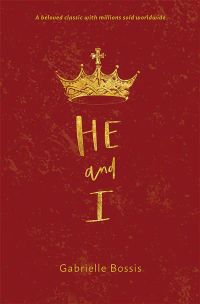
He and IGabrielle Bossis10h 12m4.7 (554)$17 · $0.00
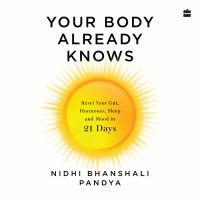
Your Body Already KnowsNidhi Pandya Bhanshali9h 7m4.7 (360)$16 · $0.00

The Complete WorksFlorence Scovel Shinn7h 59m4.6 (6.6K)$2 · $0.00
Driven by EternityJohn Bevere3h 50m4.6 (3.2K)$10 · $0.00
You may also like
The Existence and Attributes of GodStephen Charnock69h 27m4.7 (2.5K)$2.99 · $0.00
Systematic Theology (Vol. 1-3) (Annotated)Augustus Hopkins Strong93h 3m4.5 (1K)$0.99 · $0.00
An Apology for the True Christian DivinityRobert Barclay24h 3m4.3 (401)$2 · $0.00
From Eden to the New Jerusalem: The Promise-Plan of God and the Restoration of Sacred SpaceMarc Bates1h 17m4.4 (1.6K)$4.99
The Mystics of IslamReynold Alleyne Nicholson4h 32m4.3 (1.4K)$2 · $0.00
God in the DockC. S. Lewis10h 55m4.4 (12.9K)$21 · $0.00
The Crook in the LotThomas Boston4h 38m4.6 (1.8K)$14
Idols of the Heart, Revised and UpdatedElyse M. Fitzpatrick7h 27m4.4 (2.1K)$20
The Necessity of Prayer (Annotated)Edward M. Bounds4h 23m4.4 (1.2K)$2 · $0.00
The Person and Work of The Holy Spirit (Annotated)R. A. Torrey8h 10m4.5 (2.6K)$2 · $0.00
The Doctrine of ElectionArthur W. Pink9h 20m4.6 (321)$17
Systematic Theology (Vol. 1-3) (Annotated)Augustus Hopkins Strong93h4.5 (965)$1.99 · $0.00
John Calvin's Institutes Book 1Paul Lintott7h 40m4.8 (14)Free
Yahweh, The God Of The BibleScribe Of Christ2h 47m$6 · $0.00
The Divine Inspiration of the BibleArthur W. Pink3h 15m$14
Some Christian ConvictionsHenry Sloane Coffin3h 47m$2 · $0.00
2004 Apologetics AcademySouthern Orange County Outreach10h 48m$25 · $0.00
Where in the Church is the GospelRod Rosenbladt1h 49m$3 · $0.00
All Saints' Day and Other SermonsCharles Kingsley11h 28m$2 · $0.00
The Bible of Bibles; Or, Twenty-Seven "Divine" Revelations (Annotated)Kersey Graves, Lydia M. Graves18h 19m4.2 (32)$2 · $0.00