
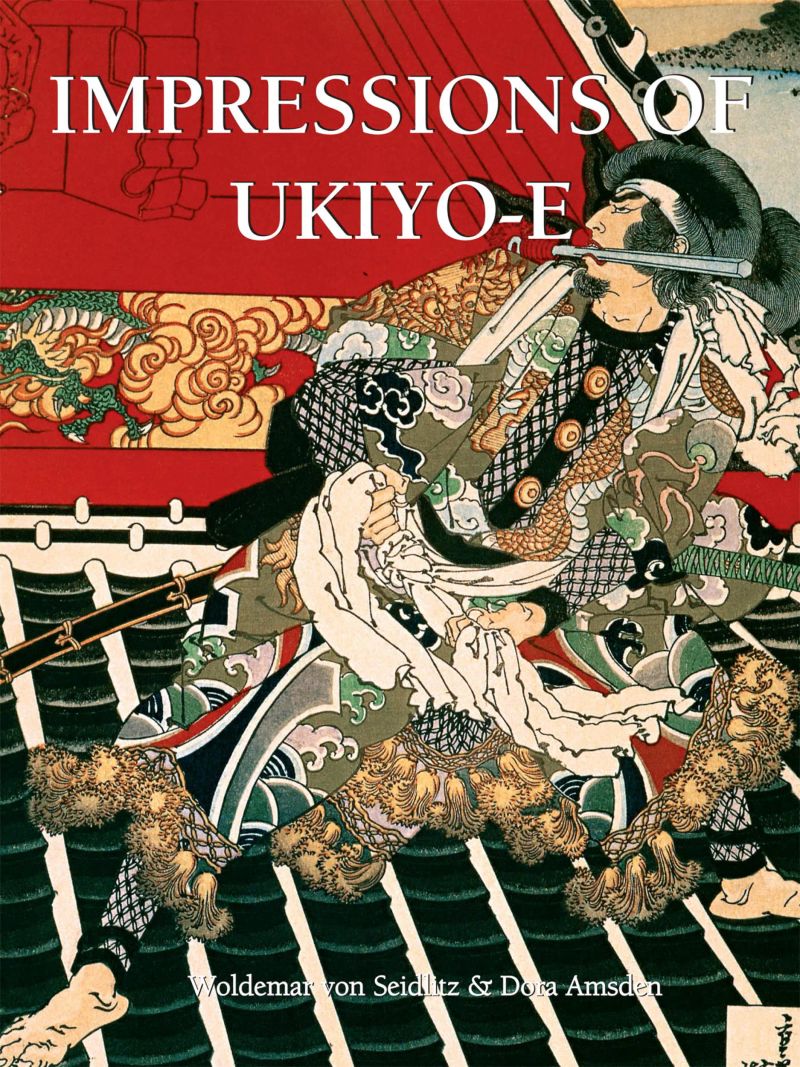
Impressions of Ukiyo-E
By Woldemar von Seidlitz, Dora Amsden


Length5h 44m
About this audiobook
Ukiyo-e ('pictures of the floating world') is a branch of Japanese art which originated during the period of prosperity in Edo (1615-1868). Characteristic of this period, the prints are the collective work of an artist, an engraver, and a printer. Created on account of their low cost thanks to the progression of the technique, they represent daily life, women, actors of kabuki theatre, or even sumo wrestlers. Landscape would also later establish itself as a favourite subject. Moronobu, the founder, Shunsho, Utamaro, Hokusai, and even Hiroshige are the most widely-celebrated artists of the movement. In 1868, Japan opened up to the West. The masterful technique, the delicacy of the works, and their graphic precision immediately seduced the West and influenced greats such as the Impressionists, Van Gogh, and Klimt. This is known as the period of 'Japonisme'. Through a thematic analysis, Woldemar von Seidlitz and Dora Amsden implicitly underline the immense influence which this movement had on the entire artistic scene of the West. These magnificent prints represent the evolution of the feminine ideal, the place of the Gods, and the importance accorded to landscape, and are also an invaluable witness to a society now long gone.
Audiobook details
Rating★★★ 3.1 (14)
Includes Goodreads
GenreOther
Length5 hrs 44 mins
Narrated byListen with 1,000+ voices
FormateBook with Audio
Publish dateMar 9, 2016
LanguageEnglish
Table of contents
1IMPRESSIONS OF IMPRESSIONS OF UKIYO-E UKIYO-E
2Index
3The Rise of Ukiyo-e – the Floating World
4As the Popular School (Ukiyo-e)
5— The Rise of Ukiyo-e – the Floating World —
Show all chaptersShow less
6— The Rise of Ukiyo-e – the Floating World —
7Genroku. The Golden Era of Romance and Art
8Preoccupation with graves perhaps
9Samurai.”
10— Genroku. The Golden Era of Romance and Art —
11Kuranosuke Yoshio, down to the
12The old and decrepit, the sick
13There were forty-seven Ronin.
14Hishikawa Moronobu. The leader
15The use of the multiple colour
16The national mania for the stage
17School were Torii Kiyomasu and
18— Genroku. The Golden Era of Romance and Art —
19The introduction of genre
20The No Kagura and lyric drama
21About 1765, the art of printing
22From 1765 to 1780 the school
23The Popular School, aided by
24Although the leaders of Ukiyo-
25Analytical Comparisons between the Masters of Ukiyo-e
26— Analytical Comparisons between the Masters of Ukiyo-e —
27If the artist paints butterflies on a
28Quarter.’ Then the comic note
29Main subjects of the art of Ukiyo-e
30Beauties of
31— Main subjects of the art of Ukiyo-e —
32The fact that a courtesan, the
33Gods
34The contrast of the male and
35— Main subjects of the art of Ukiyo-e —
36From here the phenomenon of
37Of course, during the course of
38M A S T E R S
39M
40— MASTERs OF UKIYO-E —
41Moronobu’s portrayals and
42— MASTERs OF UKIYO-E —
43Hishikawa Moronobu, The Kabuki Play, 1679.
44M
45Kiyonobu, both painters, but
46— MASTERs OF UKIYO-E —
47Okumura Masanobu, Banquet Beneath the Maple Trees, c. 1750s.
48The third in the trio, besides
49Kiyonobu and Kiyomasu during the
50K
More from Woldemar von Seidlitz, Dora Amsden
Mere ChristianityC. S. Lewis7h 7m4.4 (519.7K)$24 · $0.00

Her Daily BreadKate Wood12h 57m4.6 (153)$33 · $0.00
The Holy Bible - 1 SamuelKing James2h 13m4.8 (1.6K)$3 · $0.00

The American Standard Bible — The Gospel of MatthewMatthew3h 56m4.7 (3K)$2 · $0.00

Bad Fat Black GirlSesali Bowen6h 32m4.7 (2.8K)$24 · $0.00
The King James Audio Bible New Testament CompleteChristopher Glyn20h 2m4.7 (2.6K)$12 · $0.00

Faiths CheckbookCharles Spurgeon12h 44m4.7 (3.2K)$11 · $0.00

Ten Things I Wish You Knew About Your Child's Mental HealthDr. Billy Garvey4h 53m4.7 (2.4K)$20 · $0.00
Designing Terry Pratchett’s DiscworldPaul Kidby3h 52m4.7 (343)$20 · $0.00
The Chosen Book OneAmanda Jenkins, Kristen Hendricks, Dallas Jenkins3h 8m4.6 (4.9K)$10 · $0.00
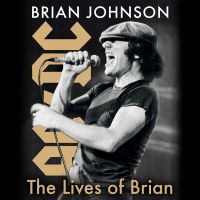
The Lives of BrianBrian Johnson9h 45m4.6 (3.5K)$29 · $0.00
Expository Thoughts on the Gospel of LukeJ.C. Ryle27h 13m4.7 (536)$18 · $0.00

CrossroadsKaleb Dahlgren7h 56m4.6 (4.9K)$26 · $0.00

Across the RiverKent Babb11h 40m4.6 (927)$29 · $0.00

Brain Training for RidersAndrea Monsarrat Waldo5h 56m4.7 (550)$19 · $0.00
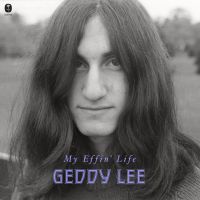
My Effin' LifeGeddy Lee17h 11m4.6 (13.1K)$40 · $0.00

Kings and PawnsHoward Bryant10h 9m4.6 (678)$29 · $0.00

The Elementia Chronicles #2: The New OrderSean Fay Wolfe11h 17m4.6 (841)$29 · $0.00
The ActsLuke2h 55m4.6 (19.7K)$12 · $0.00

New Testament - Easy NavigationWorld English Bible19h 35m4.6 (1.3K)$1.30 · $0.00
You may also like
Screwtape Proposes a ToastC.S. Lewis40m4.3 (36.6K)$2 · $0.00

Don Juan in HellGeorge Bernard Shaw1h 49m4.1 (844)$15 · $0.00

Jurgen A Comedy of JusticeJames Branch Cabell10h 36m3.9 (2.7K)$2.30
On the Nature of ThingsLucretius11h 35m4.2 (21.3K)$21 · $0.00

Man and SupermanGeorge Bernard Shaw9h 14m4.0 (7.5K)$2 · $0.00
CratylusPlato5h 53m3.9 (2.4K)$2.30

Letters from the EarthMark Twain2h 2m4.3 (23.4K)$3.50 · $0.00

Letters from the EarthMark Twain2h 2m4.3 (15.3K)$21 · $0.00

The Celestial Omnibus and Other StoriesE. M. Forster3h 41m3.8 (1.1K)$21 · $0.00
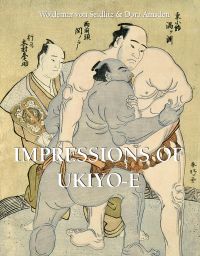
Impressions of Ukiyo-EWoldemar von Seidlitz, Dora Amsden4h 40m3.6 (25)$18 · $0.00
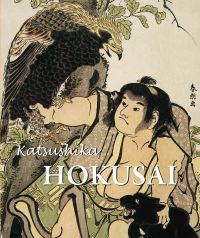
HokusaiEdmond de Goncourt4h 10m4.2 (60)$16 · $0.00

Ukiyo-E 120 illustrationsDora Amsden, Woldermar von Seidlitz1h 43m3.1 (14)$15 · $0.00
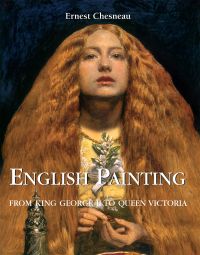
English PaintingErnest Chesneau5h 59m$18 · $0.00
Supernatural Religion (Discovering the Reality of Divine Revelation)Walter Richard Cassels42h 11m4.1 (29)$1.99 · $0.00

The Classic Collection of SakiSaki1h 26m4.3 (242)$2 · $0.00
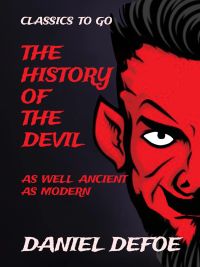
The History of the Devil as well Ancient as ModernDaniel Defoe13h 14m3.7 (525)$2.30

Valentin SerovDmitri V. Sarabianov3h 6m4.4 (51)$16 · $0.00

Rumanian Bird and Beast Stories Rendered into EnglishAnonymous12h 34m$2 · $0.00

The Poetical Works of Alexander Pope (Vol. 1&2) (Annotated)Alexander Pope20h 38m$2 · $0.00

Evolution Of A Legal LoonJohn Warwick Montgomery46m$3 · $0.00