

I Don't Understand Half the Corporate Jargon, but Everyone Nodded Along - How to Decode Corporate Speak, Ask for Specifics, and Turn Strategy into Real Tasks Without Using "Synergy" as a Comma
By Max Paradox


Length6h 42m
About this audiobook
Have you ever left a meeting with twelve action items, a presentation titled "Strategic Alignment," and absolutely no idea what anyone has agreed to do?
Your manager wants you to "drive cross-functional synergies." Your colleague promises to "circle back." The executive team announces an ambitious transformation initiative. Everyone nods enthusiastically, and you nod too, because apparently the only alternative is announcing that you understand individual English words but not the sentence they have formed together.
Welcome to corporate life, where sending an email becomes stakeholder engagement, ordinary cooperation requires an alignment workshop, and a straightforward decision can spend six weeks traveling through a governance framework.
In I Don't Understand Half the Corporate Jargon, but Everyone Nodded Along, Max Paradox takes a witty, practical look at the language that makes office life unnecessarily complicated. This isn't a dictionary of business buzzwords or a campaign to ban every acronym. It's a guide to understanding what people actually mean, asking useful questions without sounding confrontational, and turning impressive corporate declarations into work that someone can genuinely complete.
Through recognizable office situations, sharp observations, and practical explanations, you'll explore why intelligent professionals sometimes agree on completely different interpretations of the same instruction. You'll discover how ordinary words such as "ready," "approved," "urgent," and "done" can create expensive misunderstandings when nobody establishes what they mean in context.
The book also examines the less amusing consequences of unclear communication: duplicated work, missed deadlines, contradictory expectations, unnecessary meetings, confused responsibilities, and projects that somehow acquire seventeen additional requirements while maintaining their original budget.
You'll learn how to recognize the real problem concealed beneath an ambitious corporate statement, distinguish a suggestion from a decision, and identify what needs clarification before committing your time or someone else's resources.
You'll also find practical ways to approach difficult situations: unclear instructions from senior managers, competing departmental priorities, presentations that conceal important assumptions, feedback delivered through excessive diplomacy, and urgent requests that arrive with impressive vocabulary but no usable details.
Most importantly, you'll see how to make communication more useful yourself. That includes writing emails with recognizable actions, running discussions that produce decisions, managing additional requests without unnecessary conflict, and reporting problems before a minor misunderstanding becomes an organizational emergency.
The humor is part of the experience, but the advice remains grounded in ordinary professional reality. Not every manager welcomes questions. Not every deadline can move. Some responsibilities remain unclear because leadership has not made the necessary decisions. The book acknowledges those limitations instead of pretending that one perfectly phrased sentence can solve every workplace problem.
Written for employees, specialists, team leaders, project managers, and anyone who has ever pretended to understand a meeting while quietly wondering what they are supposed to do afterward, this is a refreshingly human guide to surviving corporate communication without becoming part of the problem.
You don't need to eliminate business language, memorize every acronym, or become the loudest person in the conference room.
You need to understand what matters, clarify what doesn't make sense, and know when a decision has actually been made.
Because synergy may sound impressive, but somebody still has to do the work.
This publication was prepared using tools that support the creative process, including artificial intelligence solutions. The final concept, structure and editing are the responsibility of the author.
Audiobook details
GenreBusiness and Economics
Length6 hrs 42 mins
Narrated byListen with 1,000+ voices
FormateBook with Audio
Publish dateOct 24, 2026
LanguageEnglish
Table of contents
1INTRO
2Chapter 1 - The Elegant Fog Machine: How Corporate Language Makes Almost Anything Sound Important
3Chapter 2 - The Great Nodding Agreement: Why Everyone Seems to Understand Until the Work Begins
4Chapter 3 - Every Word Makes Sense, So Why Is Nobody Doing the Same Thing?
5Chapter 4 - Looking Busy, Sounding Clever, and Other Ways to Avoid Understanding the Assignment
Show all chaptersShow less
6Chapter 5 - Five Departments, Five Languages, and One Project Nobody Quite Owns
7Chapter 6 - When the Boss Is Vague and You're Expected to Read Their Mind
8Chapter 7 - The PowerPoint Illusion: When a Beautiful Slide Pretends to Be a Business Plan
9Chapter 8 - Corporate Diplomacy: The Mysterious Difference Between "Interesting" and "Approved"
10Chapter 9 - The Corporate-to-Human Translator: Turning Executive Fog into Useful Instructions
11Chapter 10 - From Grand Strategy to Monday Morning: Making the Big Words Earn Their Salary
12Chapter 11 - The Meeting That Actually Decides Something: How to Escape with a Decision Instead of Another Invitation
13Chapter 12 - The Email That Tells People What to Do: Ending Correspondence About Correspondence
14Chapter 13 - Just One Tiny Change: How Simple Projects Turn into Corporate Theme Parks
15Chapter 14 - Escalation Without the Fire Alarm: Reporting Trouble Before Everyone Starts Looking for Someone to Blame
16Chapter 15 - When Confusion Is Convenient: Corporate Politics Without the Conspiracy Theories
17Chapter 16 - We Misunderstood Each Other. Now What? Fixing the Damage Without Launching a Corporate Investigation
18Chapter 17 - The Deadline Doesn't Understand Jargon: Making Decisions When Time and Information Run Out
19Chapter 18 - The Return of Synergy: Keeping Communication Clear After the Enthusiasm Wears Off
20Chapter 19 - Your Own Corporate Compass: How to Stop Needing a Translator in Every Meeting
21Chapter 20 - You Can Stop Nodding Now: Becoming Someone People Can Actually Understand

My Income Is Irregular, but My Bills Are Regular - How to Budget with Fluctuating Income, Build a Buffer, and Pay Yourself a Predictable Amount Without Going from a Great Month to a Tough OneMax Paradox6h 28m$7.70 · $0.00

We Love Each Other, but Our Libidos Don't Share a Calendar - How to Talk About Different Needs, Closeness, Initiating and Saying No Without Pressure, Sulking, or Treating Desire Like a Quarterly KPIMax Paradox6h 34m$7.70 · $0.00

I Have Four Generations on My Team and Four Definitions of “Normal Work” - How to Bridge Different Expectations About Communication, Feedback, Working Hours, and Careers Without Putting Anyone’s Age on TrialMax Paradox6h 43m$7.70 · $0.00

I'm Going on Vacation with My Parents, and We All Move at Different Speeds - How to Agree on Plans, Rest, and Boundaries for a Trip with Your Adult Family Without Slipping Back into the Child's Role at Check-InMax Paradox6h 19m$7.70 · $0.00

Chcę Odejść z Pracy, Ale Jest Mi Głupio Wobec Zespołu - Jak odejść profesjonalnie, przygotować przekazanie obowiązków i poradzić sobie z poczuciem, że porzucasz ludzi zamiast po prostu zmieniać pracęMax Paradox6h 21m$7.70 · $0.00

Ja Oszczędzam, Partner Wydaje i Oboje Uważamy Się za Rozsądnych - Jak połączyć różne style finansowe, ustalić wspólne zasady i cele bez zamieniania każdego paragonu w debatę o charakterzeMax Paradox6h 6m$7.70 · $0.00

I Found Out How Much My Colleague Earns and Suddenly My Salary Looks Different - How to Separate Comparisons from Facts, Assess Your Market Value, and Prepare for a Salary Conversation Without Turning Your Colleague into Your Personal BenchmarkMax Paradox6h 22m$7.70 · $0.00

Jestem na Wypowiedzeniu i Moja Motywacja Też Już Odeszła - Jak przeżyć okres wypowiedzenia, domknąć najważniejsze sprawy i nie wybierać między sabotażem a heroicznym ratowaniem firmy do ostatniej minutyMax Paradox6h 21m$7.70 · $0.00

I'm Working My Notice, and My Motivation Has Already Left - How to Survive Your Notice Period, Wrap Up What Matters, and Avoid Choosing Between Sabotage and Heroically Saving the Company Until the Last MinuteMax Paradox6h 33m$7.70 · $0.00

We Love Each Other, But We Don't Have to Do Everything Together - How to Keep Your Own Interests, Your People, and Your Space in a Relationship Without Treating Separate Saturday Plans as a Red FlagMax Paradox6h 30m$7.70 · $0.00

Dyplom Mam, Ale Rekrutacja Pyta, Co Naprawdę Potrafię - Jak pokazywać umiejętności, rezultaty i portfolio, kiedy pracodawcy coraz mniej pytają o liniową karierę, a coraz bardziej o to, co potrafisz zrobićMax Paradox6h 4m$7.70 · $0.00

I Bought It Digitally. Which Apparently Means I Didn't Really Buy It - How to Tell a Purchase from a License or Subscription, Protect Important Files, and Know What You Actually Own Before a Platform Changes Its Terms or DisappearsMax Paradox6h 22m$7.70 · $0.00

I Love His Kids, But I Don't Know Who I'm Supposed to Be to Them - How to Find Your Own Role with Your Partner's Children, Support Them Without Taking Someone Else's Place, and Agree on Responsibilities with Their Biological ParentsMax Paradox6h 36m$7.70 · $0.00

I Have a Gap in My CV, and It Feels Like It's Written in Red Marker - How to Talk About a Career Break Calmly and Clearly, Show Your Current Skills, and Stop Treating Months or Years Away from Employment as a BlemishMax Paradox6h 43m$7.70 · $0.00

Chcę Zwolnić Zawodowo, Nie Wykoleić Kariery - Jak zmniejszyć tempo, odpowiedzialność lub wymiar pracy bez palenia mostów i bez poczucia, że każda spokojniejsza decyzja jest zawodową kapitulacjąMax Paradox6h 21m$7.70 · $0.00

Dowiedziałem Się, Ile Zarabia Kolega i Nagle Moja Pensja Wygląda Inaczej - Jak oddzielić porównanie od faktów, ocenić własną wartość rynkową i przygotować rozmowę o wynagrodzeniu bez robienia z kolegi osobistego benchmarkuMax Paradox6h 2m$7.70 · $0.00

I'm a Landlord and Every Text Sounds Like an Emergency - How to Set Rental Rules, Document Agreements, and Respond to Problems Without Becoming a 24/7 Leaky-Faucet HotlineMax Paradox6h 35m$7.70 · $0.00

I Want to Slow Down at Work, Not Derail My Career - How to Reduce Your Pace, Responsibilities, or Working Hours Without Burning Bridges or Feeling Like Every Calmer Choice Means Surrendering Your CareerMax Paradox6h 30m$7.70 · $0.00

I Got an Inheritance and I'm Afraid to Touch It - How to Give Yourself Time, Set Goals, and Make Big Financial Decisions Calmly Without Spending Everything or Locking the Money Away ForeverMax Paradox6h 35m$7.70 · $0.00

I'm Flying Solo and Have No One Else to Blame for the Plan - How to Plan a Solo Trip, Stay Safe, and Have a Great Time Without Waiting for Someone Else to Finally Have the Same Days OffMax Paradox6h 30m$7.70 · $0.00

Never Split the DifferenceChris Voss, Tahl Raz8h 7m4.4 (277.7K)$26 · $0.00
The Intelligent Investor Rev Ed.Benjamin Graham17h 48m4.3 (191.5K)$40 · $0.00

The Hard Thing About Hard ThingsBen Horowitz7h 57m4.2 (134.3K)$26 · $0.00

Boundaries for LeadersHenry Cloud7h 36m4.3 (3.6K)$26 · $0.00

Basic EconomicsThomas Sowell18h 32m4.5 (29.3K)$28 · $0.00

Poor Charlie’s AlmanackGrover Gardener, Charles T. Munger13h 9m4.5 (24.7K)$18 · $0.00

The Ambuja StoryNarotam Sekhsaria13h 59m4.5 (830)$33 · $0.00

The Secret Door to SuccessFlorence Scovel Shinn2h 25m4.5 (2.1K)$1.20 · $0.00

This Is Going to HurtAdam Kay5h 47m4.4 (444.7K)$24 · $0.00

Big TrustShadé Zahrai, Fayçal Sekkouah8h 36m4.6 (406)$26 · $0.00

The Intelligent Investor Third EditionBenjamin Graham, Jason Zweig20h4.4 (156.6K)$46 · $0.00

Bottle of LiesKatherine Eban14h 25m4.4 (12K)$33 · $0.00

The Antiracist Business BookTrudi Lebrón6h 10m4.6 (275)$17 · $0.00

The FormulaJoshua Robinson, Jonathan Clegg10h 41m4.4 (6.9K)$29 · $0.00

Let Them LeadJohn U. Bacon7h 10m4.5 (1.4K)$24 · $0.00

Secrets of the Millionaire MindT. Harv Eker5h 11m4.4 (301.4K)$24 · $0.00

The Person You Mean to BeDolly Chugh9h 6m4.4 (7.2K)$29 · $0.00

BoundlessNick Kostov, Sean McLain9h 17m4.5 (1.1K)$29 · $0.00

Everyday DharmaSuneel Gupta5h 2m4.5 (761)$20 · $0.00

Let's Talk Mutual FundsMonika Halan7h 5m4.4 (2.4K)$16 · $0.00
You may also like

Public OpinionWalter Lippmann11h 53m4.0 (2.4K)$1 · $0.00

Habits of a PeacemakerSteven T. Collis9h 16m4.5 (468)$23

Intellectuals and SocietyThomas Sowell11h 23m4.4 (5.7K)$21 · $0.00

PropagandaEdward Bernays3h 20m3.9 (12.1K)Free

PropagandaEdward Bernays4h 42m3.9 (11.2K)$17

The 10 Rules of Successful NationsRuchir Sharma5h 56m4.1 (911)$17 · $0.00

Crystallizing Public OpinionEdward Bernays5h 17m3.9 (1.6K)$8 · $0.00

Chanakya and the Art of Getting RichRadhakrishnan Pillai4h 9m3.9 (1.1K)$8
The Broken LadderKeith Payne7h 31m4.4 (4.9K)$20
The Political BrainDrew Westen16h 36m4.1 (2.2K)$28 · $0.00

Love Your EnemiesArthur C. Brooks6h 55m4.3 (5.3K)$24 · $0.00

PossibleWilliam Ury10h 14m4.4 (528)$29 · $0.00
The Ministry Of Common SenseMartin Lindstrom7h 16m3.7 (1.2K)$24 · $0.00
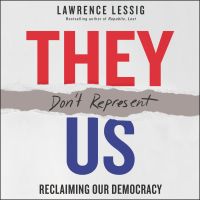
They Don't Represent UsLawrence Lessig10h 32m4.2 (347)$29 · $0.00
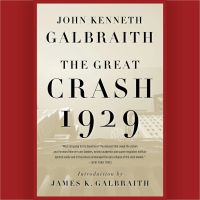
The Great Crash 1929John Kenneth Galbraith6h 33m4.1 (9.3K)$24 · $0.00

Escaping the Rabbit HoleMick West11h 16m4.0 (1.2K)$20

The Constitution of KnowledgeJonathan Rauch12h 23m4.3 (2.4K)$23 · $0.00

Clear and Present SafetyMichael A. Cohen, Micah Zenko7h 6m3.9 (81)$20 · $0.00
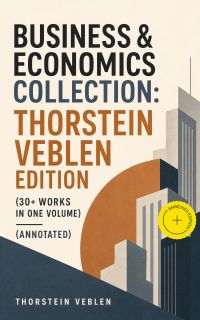
Business & Economics Collection: Thorstein Veblen Edition (30+ Works in One Volume) (Annotated)Thorstein Veblen91h 35m$2 · $0.00

I Work with People from Five Countries and Everyone Has a Different Definition of “Urgent” - How to Align Communication Styles, Deadlines, and Expectations in an International Team Without Assuming Your “Obviously” Is Obvious to EveryoneMax Paradox6h 51m$7.70 · $0.00