
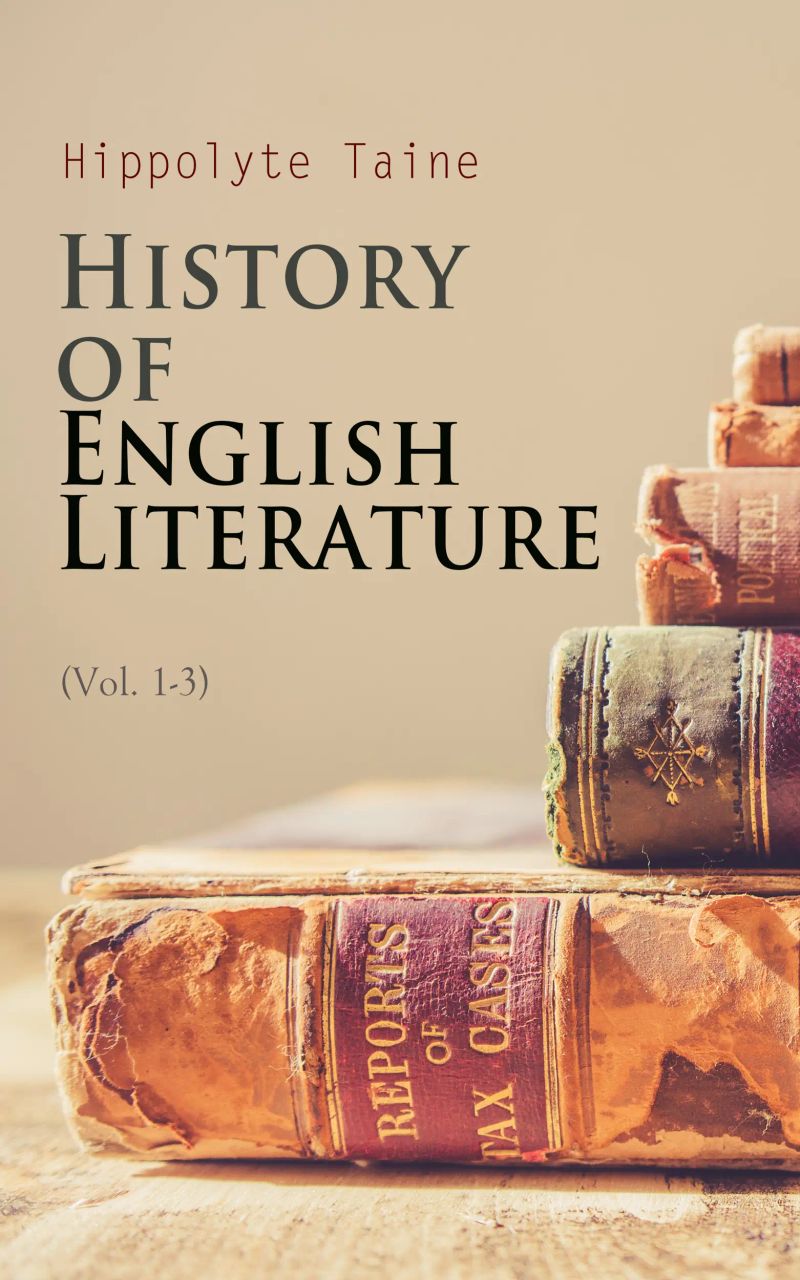
History of English Literature (Vol. 1-3)
By Hippolyte Taine


Length59h 15m
About this audiobook
The History of the English Literature was an epoch-changing book of its time, as it invested in presenting a scientific analysis and a complete structure overview of this subject. The book starts with the prehistorical notes on the conditions of the British Isles that favored the early development of literary art. A reader gets a systematic account of the Saxon and Norman literature, the Renaissance developments, the life and influence of Shakespeare. The second volume gives an insight into the literature of the early protestant era, featuring such personalities as John Bunyan and Milton. Further, a reader finds an account of the Classic age with Dryden, Sir William Temple, Sir John Denham, Addison, Swift, and numerous novel writers William Hogarth, Samuel Richardson, and others. The third volume deals with the representatives of what was later called the beginning of the Golden Age of British Literature. The author analyzes the works of Byron, Thackeray, Macaulay, and Carlyle.
Audiobook details
GenreLiterary Classics
Length59 hrs 15 mins
Narrated byListen with 1,000+ voices
FormateBook with Audio
Publish dateNov 24, 2021
LanguageEnglish
Table of contents
1INTRODUCTION
148CHAPTER FIFTH - Swift
2I. Historical documents serve only as a clue to reconstruct the visible individual
149Section I.—Concerning Swift's Life and Character
3II. The outer man is only a clue to study the inner invisible man
150Section II.—Swift's Prosaic and Positive Mind
4III. The state and the actions of the inner and invisible man have their causes in certain general ways of thought and feeling
151Section III.—Swift as a Political Pamphleteer
5IV. Chief causes of thought and feeling. Their historical effects
152Section IV.—Swift as a Humorist.—As a Poet
Show all chaptersShow less
6V. The three primordial forces.—Race
153Section V.—Swift as a Narrator and Philosopher
7VI. History is a mechanical and psychological problem. Within certain limits man can foretell
154CHAPTER SIXTH - The Novelists
8VII. Law of formation of a group. Examples and indications
155Section I.—The Anti-Romantic Novel
9VIII. General problem and future of history. Psychological method. Value of literature. Purpose in writing this book
156Section II.—Daniel De Foe
10BOOK I.—THE SOURCE
157Section III—The Evolution of the Eighteenth Century Novel
11CHAPTER FIRST - The Saxons
158Section IV.—Samuel Richardson
12SECTION I.—The Coast of the North Sea
159Section V.—Henry Fielding
13SECTION II.—The Northern Barbarians
160Section VI.—Tobias Smollett
14SECTION III.—Saxon Ideas
161Section VII.—Laurence Sterne
15SECTION IV.—Saxon Heroes
162Section VIII.—Oliver Goldsmith
16SECTION V.—Pagan Poems
163Section IX.—Samuel Johnson
17SECTION VI.—Christian Poems
164Section X.—William Hogarth
18SECTION VII.—Primitive Saxon Authors
165BOOK III.—THE CLASSIC AGE
19SECTION VIII.—Virility of the Saxon Race
166CHAPTER SEVENTH - The Poets
20CHAPTER SECOND - The Normans
167Section I—The Domination of the Classical Spirit
21SECTION I.—The Feudal Man
168Section II.—Alexander Pope.—His Education and Mode of Life
22SECTION II.—Normans and Saxons Contrasted
169Section III.—Eloisa to Abelard.—The Rape of the Lock.—The Dunciad
23SECTION III.—French Forms of Thought
170Section IV.—Pope's Descriptive Talent.—His Didactic Poems
24SECTION IV.—The Normans in England
171Section V.—The Poets Prior, Gay and Thomson
25SECTION V.—The English Tongue—Early English Literary Impulses
172Section VI.—The Beginnings of the Modern Age
26SECTION VI.—Feudal Civilization
173BOOK IV—MODERN LIFE
27SECTION VII.—Persistence of Saxon Ideas
174CHAPTER FIRST - Ideas and Productions
28SECTION VIII.—The English Constitution
175Section I—Rise of Democracy
29SECTION IX.—Piers Plowman and Wyclif
176Section II.—Robert Burns
30CHAPTER THIRD - The New Tongue
177Section III.—Conservative Rule in England.—Cowper's Poetry
31SECTION I.—The First Great Poet
178Section IV.—The Romantic School
32SECTION II.—The Decline of the Middle Ages
179Section V.—Philosophy Enters into Literature.—Wordsworth.—Shelley
33SECTION III.—The Poetry of Chaucer
180CHAPTER SECOND - Lord Byron
34SECTION IV.—Characteristics of the Canterbury Tales
181Section I.—His Life and Character
35SECTION V.—The Art of Chaucer
182Section II.—The Style of Byron's Poetry
36SECTION VI.—Scholastic Philosophy
183Section III.—Byron's Short Poems
37BOOK II.—THE RENAISSANCE
184Section IV.—Manfred
38CHAPTER FIRST - The Pagan Renaissance
185Section V.—What Byron's Contemporaries Thought of Him.—His Morals
39Part I.—Manners of the Time
186Section VI.—The Malady of the Age
40SECTION I.—Ideas of the Middle Ages
187CHAPTER THIRD - The Past and Present
41SECTION II.—Growth of New Ideas
188Part I.—The Past
42SECTION III.—Popular Festivals
189Section I.—The Saxon Invasion.—The Norman Conquest
43SECTION IV.—Influence of Classic Literature
190Section II.—Formative Periods
44Part II.—Poetry
191Section III.—The Broadening of Ideas
45SECTION I.—Renaissance of Saxon Genius
192Part II.—The Present
46SECTION II.—The Earl of Surrey
193Section I.—Effects of the Saxon Invasion and the Norman Conquest
47SECTION III.—Surrey's Style
194Section II.—English Commerce and Industry
48SECTION IV.—Development of Artistic Ideas
195Section III.—Agriculture
49SECTION V.—Wherein Lies the Strength of the Poetry of this Period
196Section IV.—English Society.—Philosophy.—Religion
50SECTION VI.—Edmund Spenser
197Section V.—What Forces Have Produced the Present Civilization
51SECTION VII.—Spenser in his Relation to the Renaissance
198BOOK V—MODERN AUTHORS
52Part III.—Prose
199Introductory Note
53SECTION I.—The Decay of Poetry
200CHAPTER FIRST - The Novel.—Dickens
54SECTION II.—The Intellectual Level of the Renaissance
201Part I.—The Author
55SECTION III.—Robert Burton
202Section I.—Importance of the Imaginative Faculty
56SECTION IV.—Sir Thomas Browne
203Section II.—Boldness of Dickens' Imagination
57SECTION V.—Francis Bacon
204Section III.—His Trivialities.—His Minuteness
58CHAPTER SECOND - The Theatre
205Section IV.—His Emotions.—His Pathos.—His Humor
59SECTION I.—The Public and the Stage
206Part II.—The Public: Section I.—The Morality of English Novels
60SECTION II.—Manners of the Sixteenth Century
207Part III.—The Characters
61SECTION III.—Some Aspects of the English Mind
208Section I.—Dickens's Love for Natural Characters
62SECTION IV.—The Poets of the Period
209Section II.—The Hypocrite.—The Positive Man.—The Proud Man
63SECTION V.—Formation of the Drama
210Section III.—Children
64SECTION VI.—Furious Passions—Exaggerated Characters
211Section IV.—The Ideal Man
65SECTION VII.—Female Characters
212CHAPTER SECOND - The Novel (Continued)—Thackeray: Comparison Between Dickens and Thackeray
66CHAPTER THIRD - Ben Jonson
213Part I.—The Satirist
67SECTION I.—The Man—His Life
214Section I.—The English Satirist
68SECTION II.—His Freedom and Precision of Style
215Section II.—The English Temperament
69SECTION III.—The Dramas Catiline and Sejanus
216Section III.—Superiority of Thackeray as a Satirist.—Literary Snobs
70SECTION IV.—Comedies
217Section IV.—Resemblance of Thackeray to Swift
71SECTION V.—Limits of Jonson's Talent—His Smaller Poems—His Masques
218Section V.—Thackeray's Misanthropy
72SECTION VI.—General Idea of Shakespeare
219Section VI.—His Characters
73CHAPTER FOURTH - Shakespeare
220Part II.—The Artist
74SECTION I.—Life and Character of Shakespeare
221Section I—The Art of Thackeray
75SECTION II.—Shakespeare's Style—Copiousness—Excesses
222Section II.—Portrait of Henry Esmond.—Historical Talent
76SECTION III.—Shakespeare's Language And Manners
223Section III.—Literature the Definition of Man
77SECTION IV.—Dramatis Personæ
224CHAPTER THIRD - Criticism and History—Macaulay
78SECTION V.—Men of Wit
225Section I.—His Position in England
79SECTION VI.—Shakespeare's Women
226Section II.—Essays
80SECTION VII.—Types of Villains
227Section III.—His Critical Method
81SECTION VIII.—Principal Characters
228Section IV—His Love of Political Liberty
82SECTION IX.—Characteristics of Shakespeare's Genius
229Section V.—Characteristics of Macaulay's Style
83BOOK II.—THE RENAISSANCE (Continued)
230Section VI.—His Rudeness and Humor
84CHAPTER FIFTH - The Christian Renaissance
231Section VII.—Estimate of Macaulay's Work
85Section I.—Decay of the Southern Civilizations
232Section VIII.—Comparison of Macaulay with French Historians
86Section II.—Luther and the Reformation in Germany
233CHAPTER FOURTH - Philosophy and History—Carlyle
87Section III.—The Reformation in England
234Part I.—Style and Mind
88Section IV.—The Anglicans
235Section I.—Carlyle's Obscurity and Crudeness
89Section V.—The Puritans
236Section II.—The Humor of Carlyle
90Section VI.—John Bunyan
237Section III.—Perception of the Real and the Sublime
91CHAPTER SIXTH - Milton
238Section IV.—His Passion for Actuality
92Section I.—Milton's Family and Education
239Section V.—His Mode of Thought
93Section II.—Milton's Unhappy Domestic Life
240Part II—Vocation
94Section III.—Milton's Combative Energy
241Section I.—The Appearance and Development of Original Minds
95Section IV.—Milton's Personal Appearance
242Section II.—Characteristics of the German Form of Mind
96Section V.—Milton as a Prose Writer
243Section III.—German Aptitude for General Ideas
97Section VI.—Milton as a Poet
244Section IV.—Faults of the German Form of Thought
98BOOK III.—THE CLASSIC AGE
245Section V.—How Ideas are Reshaped
99CHAPTER FIRST - The Restoration
246Section VI.—Growth of German Ideas in England
100Part I.—The Roisterers
247Part III.—Philosophy, Morality, and Criticism
101Section I.—The Excesses of Puritanism
248Section I.—Carlyle's Metaphysics
102Section II.—A Frenchman's View of the Manners of the Time
249Section II.—His Transposition of German Metaphysics into English Puritanism
103Section III.—Butler's Hudibras
250Section III.—Conception of God and Duty
104Section IV.—Morals of the Court
251Section IV.—Conception of Christianity
105Section V.—Method and Style of Hobbes
252Section V.—Carlyle's Criticism
106Section VI.—The Theatre
253Section VI.—The Future of Criticism
107Section VII.—Dryden and the Drama
254Part IV.—Conception of History
108Section VIII.—Wycherley
255Section I.—Great Men
109Part II—The Worldlings
256Section II.—Wherein Carlyle is Original
110Section I.—Court Life in Europe
257Section III.—In What Genuine History Consists
111Section II.—Dawn of the Classic Spirit
258Section IV.—Carlyle's History of Cromwell
112Section III.—Sir William Temple
259Section V.—His History of the French Revolution
113Section IV.—Writers à la Mode
260Section VI.—His Opinion of Modern England
114Section V.—Sir John Denham
261Section VII.—The Dangers of Enthusiasm.—Comparison of Carlyle and Macaulay
115Section VI.—Wycherley, Congreve, Vanbrugh and Farquhar
262CHAPTER FIFTH - Philosophy—Stuart Mill
116Section VII.—Superficiality Of English Comedy
263Section I.—Lack of General Ideas
117Section VIII.—Natural Characters
264Section II.—Why Metaphysics are Lacking
118Section IX.—Artificial Characters
265Section III.—Mill's Philosophical Method
119Section X.—Sheridan.—Decadence of the Theatre
266Part I.—Experience
120CHAPTER SECOND - Dryden
267Section I.—The Object of Logic
121Section I.—Dryden's Début
268Section II.—Discussion of Ideas
122Section II.—Dryden's Family and Education
269Section III.—The Two Corner-Stones of Logic
123Section III.—Dramatic Theories of Dryden
270Section IV.—Theory of Definitions
124Section IV.—The Style of Dryden's Plays
271Section V.—Theory of Proof
125Section V.—His Merit as a Dramatist
272Section VI.—Theory of Axioms
126Section VI.—His Prose Style
273Section VII.—Theory of Induction
127Section VII.—How Literature in England is Occupied with Politics and Religion
274Section VIII.—Applications of the Theory of Induction
128Section VIII.—Development of the Art of Writing
275Section IX.—The Province and Method of Deduction
129Section IX.—Dryden's Translations and Adaptations.—His Occasional Soul—Stirring Verses
276Section X.—Comparison of the Methods of Induction and Deduction
130Section X.—Misfortunes of Dryden's Old Age
277Section XI.—Limits of Our Knowledge
131CHAPTER THIRD - The Revolution
278Part II.—Abstraction
132Section I.—The Moral Revolution
279Section I.—Agreement of this Philosophy with the English Mind
133Section II.—Brutality of the People.—Private Morals.—Chesterfield and Gay
280Section II.—The Nature of Abstraction
134Section III.—Principles of Civilization in France and England
281Section III.—Definitions Explain the Abstract Generating Elements of Things
135Section IV.—Religion
282Section IV.—The Basis of Proof in Syllogism is an Abstract Law
136Section V.—The Pulpit
283Section V.—Axioms are Relations between Abstract Truths
137Section VI.—Theology
284Section VI.—The Methods of Induction
138Section VII.—The Constitution.—Locke's Theory of Government
285Section VII.—Experience and Abstraction
139Section VIII.—Parliamentary Orators
286Section VIII.—Idea and Limits of Metaphysics
140Section IX.—Doctrines of the French Revolution Contrasted with the Conservative Tendencies of the English People
287Section IX.—A Morning in Oxford
141CHAPTER FOURTH - Addison
288CHAPTER SIXTH - Poetry—Tennyson
142Section I.—The Significance of the Writings of Addison and Swift
289Section I.—His Talent and Work
143Section II.—Addison's Character and Education
290Section II.—Portraits of Women
144Section III.—Addison's Seriousness.—His Nobility of Character
291Section III.—Wherein Tennyson is at One with Nature
145Section IV.—The Morality of Addison's Essays
292Section IV.—In Memoriam.—The Princess
146Section V.—How Addison made Morality Fashionable.—Characteristics of His Style
293Section V.—The Idylls of the King
147Section VI.—Addison's Gallantry.—His Humor.—Sir Roger de Coverley.—The Vision of Mirza
294Section VI.—Comparison of English and French Society
More from Hippolyte Taine
A Tour Through the PyreneesHippolyte Taine8h 59m$2 · $0.00
The French Revolution (Summarized Edition)Hippolyte Taine14h 18m$2
The French Revolution (Vol.1-3)Hippolyte Taine66h$1 · $0.00

Voyage aux Pyrénées (Édition résumée)Hippolyte Taine3h 17m$2
The Philosophy of ArtHippolyte Taine2h 44m$2 · $0.00
The French Revolution (Vol.1-3)Hippolyte Taine60h 33m$2 · $0.00

The Complete Works of Jane Austen (Unabridged)Jane Austen88h 8m5 (1)$1 · $0.00
WILLIAM SHAKESPEARE Ultimate Collection: ALL 38 Plays & Complete PoetryWilliam Shakespeare152h 46m$2 · $0.00
C. S. LewisC. S. Lewis38h 55m$30
The Jeeves and Wooster Stories: The Complete Collection (33 Books)P. G. Wodehouse21h 57m$15 · $0.00
The Gulag Archipelago Volume 3Aleksandr I. Solzhenitsyn21h 56m$46 · $0.00
Charles Dickens: Complete WorksCharles Dickens814h 50m$2 · $0.00
Sherlock Holmes: The Ultimate CollectionArthur Conan Doyle59h 49m$5 · $0.00
The Complete Works of Fyodor Dostoyevsky: Novels, Short Stories and Autobiographical WritingsFyodor Dostoyevsky270h 59m$2 · $0.00
The Complete Works: Charlotte, Emily, Anne, Patrick & Branwell BrontëCharlotte Brontë, Anne Brontë, Emily Brontë138h 12m$1 · $0.00

L. M. Montgomery – Premium Collection: Novels, Short Stories, Poetry & MemoirsLucy Maud Montgomery155h 1m$2 · $0.00
MARK TWAIN: 12 Novels, 195 Short Stories, Autobiography, 10 Travel Books, 160+ Essays & Speeches (Illustrated)Mark Twain415h 9m5 (2)$2 · $0.00
The Great Gatsby: Original 1925 Edition (An F. Scott Fitzgerald Classic NovelFrancis Scott Fitzgerald4h 45m$18 · $0.00
The Complete Works of TolstoyLeo Tolstoy412h 44m$1 · $0.00
Louisa May Alcott: 16 Novels in One Volume (Illustrated Edition)Louisa May Alcott141h 35m$2 · $0.00
The Fire Next TimeJames Baldwin2h 25m$15
The Complete Works of Oscar WildeOscar Wilde80h 38m$1 · $0.00
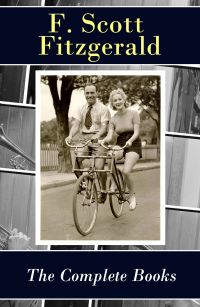
The Complete Books of F. Scott Fitzgerald (all his 5 novels + all 4 short story collections published during his lifetime)F. Scott Fitzgerald86h 48m$2 · $0.00
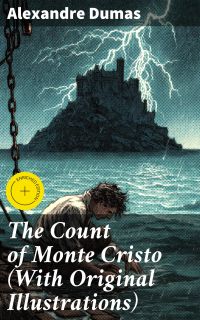
The Count of Monte Cristo (With Original Illustrations)Alexandre Dumas54h$1 · $0.00

Braving the TruthRachel Held Evans11h 31m$29 · $0.00

Richard Wagamese SelectedRichard Wagamese3h 14m$15
You may also like
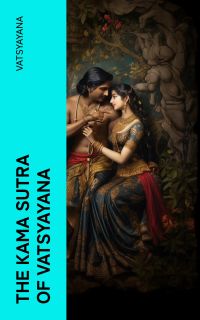
The Kama Sutra of VatsyayanaVatsyayana6h 35m$2 · $0.00
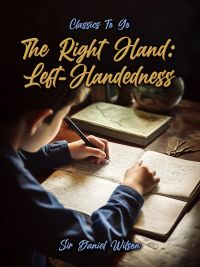
The Right Hand: Left-HandednessSir Daniel Wilson4h 50m$2.30
The Essays of Adam SmithAdam Smith20h 38m$1 · $0.00
SoonAndrew Santella4h 16m$20 · $0.00
Erotic ArtHans-Jürgen Döpp4h 55m$18 · $0.00
Fundamental Philosophy (Vol. 1&2)Jaime Luciano Balmes37h 1m$2 · $0.00
The Browning Cyclopædia: A Guide to the Study of the Works of Robert BrowningEdward Berdoe26h 22m$2 · $0.00
The Pocket Lavater; or, The Science of PhysiognomyJohann Caspar Lavater, Giambattista della Porta2h 1m$2 · $0.00
An Outline of Humor Being a True Chronicle From Prehistoric Ages to the Twentieth CenturyCarolyn Wells26h 53m$2.30
Notes on NosesEden Warwick6h 3m$2 · $0.00
A Handbook of Ethical TheoryGeorge Stuart Fullerton8h 52m$2 · $0.00

Sign Language Among North American IndiansGarrick Mallery13h 44m$2 · $0.00
The Plague of Lust, Vol 1 (of 2)Julius Rosenbaum13h 16m$2.30
The Pocket Lavater; or, The Science of PhysiognomyJohann Caspar Lavater, Giambattista della Porta1h 17m$2 · $0.00
The Everlasting ManG. K. Chesterton10h 39m$20
Groundwork of the Metaphysics of MoralsImmanuel Kant4h 47m$2 · $0.00
Days of ObligationRichard Rodriguez8h 15m$17 · $0.00
Please Be Good at PhilanthropyJen Ford Reedy, Jen Ford Reedy6h 4m$30 · $0.00
Living with the DevilStephen Batchelor6h 20m$20 · $0.00
Dramatic TechniqueGeorge Pierce Baker19h 53m$2 · $0.00