


Length1h 18m
About this audiobook
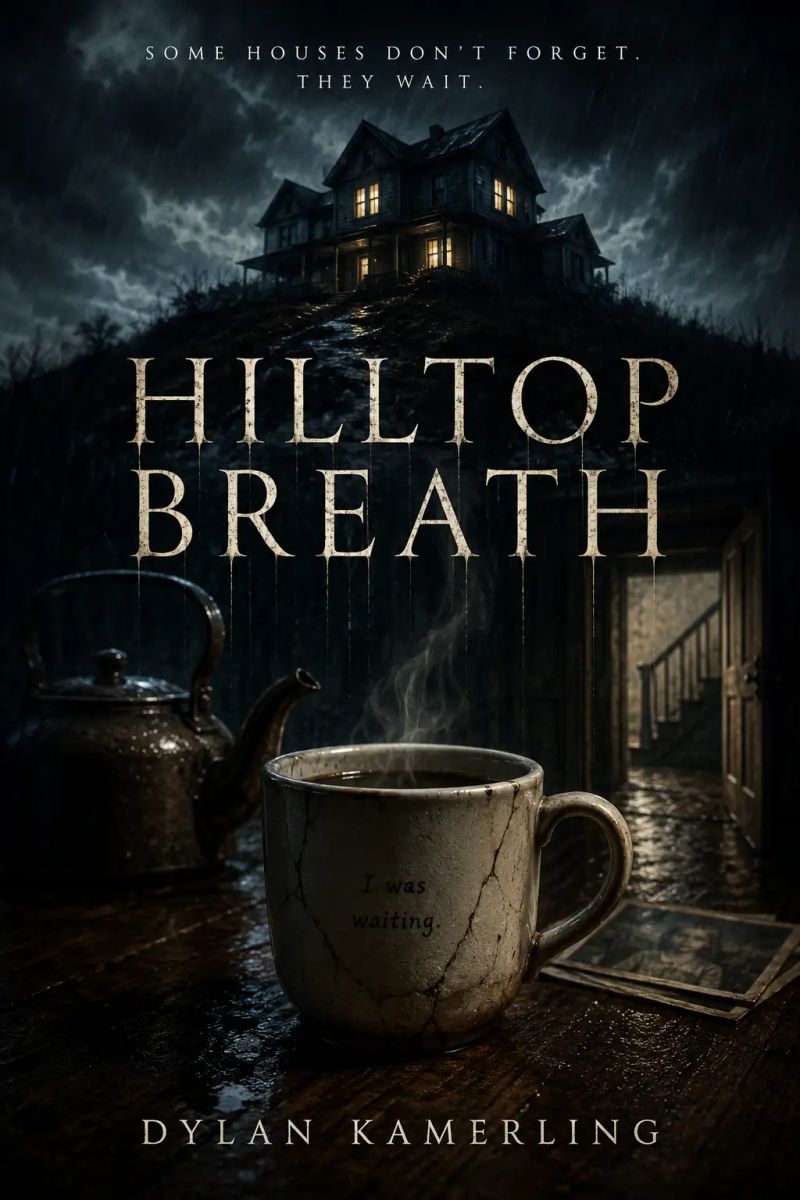
When Mara returns to her late mother’s isolated hilltop house, she expects dust, silence, and the difficult work of sorting through what was left behind. Instead, the kettle boils in a house with no power. At first, the wrongness is small. A footstep upstairs. A warm mug where none should be. A door that opens back into the hall instead of outside. But the house does not simply haunt Mara. It copies her movements, uses her grief, and turns familiar rooms into traps that breathe, listen, and remember. As the rain closes in around the hill, Mara is drawn deeper into a place that should not exist: a lower version of the house, where her mother’s voice waits inside cracked ceramic, old photographs change when no one is looking, and every attempt to escape leaves something of Mara behind. Hilltop Breath is a slow-burn horror story of grief, possession, and domestic dread, where the most dangerous thing in the house is not what died there, but what has been waiting to be served.
Audiobook details
GenreHorror, Mystery and Thriller
Length1 hr 18 mins
Narrated byListen with 1,000+ voices
FormateBook with Audio
Publish dateMay 28, 2026
LanguageEnglish
More from Dylan Kamerling

H. P. LOVECRAFT – Ultimate Collection: 120+ Works ALL in One Volume: Complete Novellas & Short Stories, Juvenilia, Poetry, Essays & CollaborationsH. P. Lovecraft61h 6m$1 · $0.00
The Adventures of Sherlock Holmes (Complete Edition)Arthur Conan Doyle12h 28m$2 · $0.00
DRACULA (Annotated)Bram Stoker17h 56m$0.99 · $0.00

The Complete Stories & Poems of Edgar Allan PoeEdgar Allan Poe63h$2 · $0.00
A Long Way from OrdinaryAnn Charles, Sam Lucky9h 13m$20
Warrior’s FateWalt Browning10h 37m$20

The Picture of Dorian Gray: The Uncensored 13 Chapter Version + The Revised 20 Chapter Version (Annotated)Oscar Wilde16h 12m$0.99 · $0.00
The Skull of the WorldKate Forsyth10h 28m5.0 (1)$20

Reign Of AngelsBen Reeder8h 54m5.0 (1)$20
We’re AliveKc Wayland5h 10m$15
The Undead PoolKim Harrison16h 13m$33 · $0.00
Glacier's EdgeR. A. Salvatore13h 44m$33 · $0.00

Haint BlueStephanie Alexander11h 55m$23
The King in Yellow (Annotated)Robert W. Chambers8h 53m$0.99 · $0.00
Good OmensNeil Gaiman, Terry Pratchett12h 33m$33 · $0.00
Dark of NightJonathan Maberry, Rachael Lavin4h 59m2.0 (1)$20 · $0.00

The Renegade HunterLynsay Sands10h 7m$29 · $0.00

The Fall of the House of CabalJonathan L. Howard14h 54m$23
Lost GodsBrom14h 50m$33 · $0.00
The Complete Works of E. F. Benson (Illustrated)E. F. Benson335h 9m$1 · $0.00

Unfinished BusinessBlair Howard7h 17m$23

The New Human Revolution, vol. 1Daisaku Ikeda7h 46m$12 · $0.00
Meddlesome MoneyMildred Abbott8h 21m$20
Dark RisingJeffrey Wilson, Brian Andrews13h 47m$27
Midnight ShadowsS.E. Smith5h 40m$17
CollateralBrian Andrews, Jeffrey Wilson13h 8m$23

Complete Novels of Fyodor Dostoyevsky (Unabridged) (Annotated)Fyodor Dostoyevsky225h 57m$0.99 · $0.00

The Complete Sherlock Holmes Novels & Stories (4 Novels + 56 Short Stories) (Annotated)Arthur Conan Doyle73h 13m$2 · $0.00

The ReunionJana Deleon6h 31m$26 · $0.00

Animal 3K’wan6h 33m$20

To Hold and ProtectSandra Owens7h 59m$8 · $0.00

Extinction WarNicholas Sansbury Smith12h 1m$23
Savy WisdomPeggy McColl2h 53m$15
3 a.m. Premium: Books 1–5Nick Pirog15h 27m$25
Farewell My Lovely (Annotated)Raymond Chandler10h 37m$2 · $0.00

The Labyrinth of the SpiritsCarlos Ruiz Zafon27h 55m$53 · $0.00

Tracing Killer EvidenceJodie Bailey5h 46m$12 · $0.00
AGATHA CHRISTIE Premium CollectionAgatha Christie37h 15m$2 · $0.00
Sign of the MakerBrian Shea7h 13m$17
No Sin UnpunishedLynDee Walker7h 43m$17
You may also like
A Good House for ChildrenKate Collins11h 31m$8 · $0.00
The Fall of the House of UsherEdgar Allan Poe47m$2.30
DarlingBrad C. Hodson9h 13m$20

Last BreathJoe Hill21m$7 · $0.00
Classic Horror and Supernatural Short Stories (Golden Deer Classics)Edgar Allan Poe, W.W. Jacobs, Washington Irving3h 33m$5 · $0.00
The Fall of the House of UsherEdgar Allan Poe50m$2.30 · $0.00
The HauntedBentley Little11h 49m$30 · $0.00

The Fall of the House of UsherEdgar Allan Poe51m$1
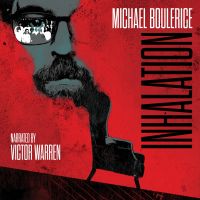
InhalationMichael Boulerice4h 37m$17 · $0.00

The Fall of the House of Usher - Падение дома ЭшерEdgar Allan Poe, Эдгар Аллан По1h 32m$2 · $0.00
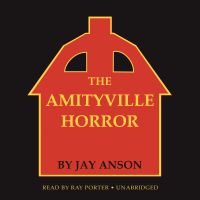
The Amityville HorrorJay Anson6h 29m$14

What Grows in the DarkJaq Evans10h 59m$29 · $0.00
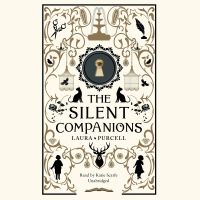
The Silent CompanionsLaura Purcell10h 54m$25
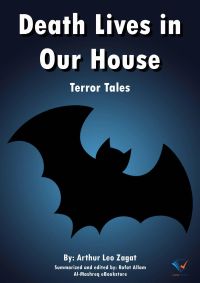
Death Lives in Our HouseArthur Leo Zagat1h 15m1.0 (1)$7 · $0.00

Thirst of the Living DeadArthur Leo Zagat2h 9m$2 · $0.00
Great Classic Suspensevarious authors2h 48m$15
CaterpillarsEdward Frederic Benson25m$2 · $0.00
The Rats in the WallsH.P. Lovecraft57m$1
The Rats in the WallsH. P. Lovecraft53m$2.30

The Ghost PiratesWilliam Hope Hodgson5h 18m$1.80 · $0.00