
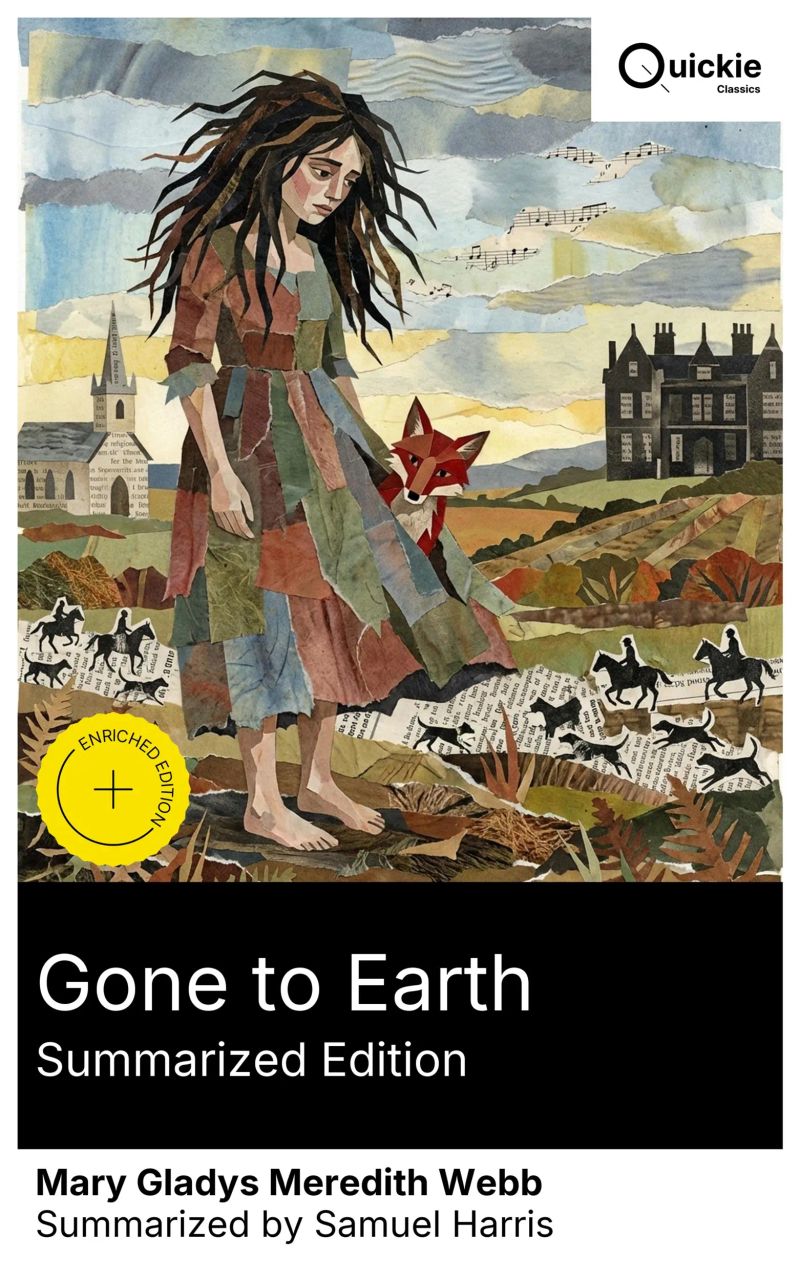
Gone to Earth (Summarized Edition)
Enriched edition. Shropshire borderland tragedy of a nature-mystic torn between curate and squire, a vixen's hunt, and the costs of keeping faith with the wildBy Mary Gladys Meredith Webb


Length3h 24m
About this audiobook
Gone to Earth (1917) unfolds in the Shropshire borderland, where Hazel Woodus—wild, music-haunted child of the hills—keeps faith with the nonhuman world even as she is caught between the earnest curate Edward Marston and the predatory squire Jack Reddin. Webb fuses folk belief, Biblical cadence, and sensuous nature-writing, letting dialect and topography shape consciousness. The vixen Hazel shelters, and the hunt that shadows it, serve as emblem and engine, binding eros and cruelty within a Georgian pastoral that strains toward psychological and ecological critique. Mary Gladys Meredith Webb, Shropshire-born poet-novelist, wrote from close knowledge of hedgerow life, folklore, and village piety; chronic illness and inwardness honed her exact observation. Her rural upbringing and fascination with hymnody inform Hazel's syncretic spirituality, while a post-Victorian skepticism tests the consolations of respectability and the Church amid wartime disillusion. Readers of Hardy and Lawrence, and anyone drawn to rigorous nature-writing and searching moral drama, will find this novel indispensable: a tragic romance and an uncompromising meditation on animal life, female autonomy, and the peril—and necessity—of remaining true to one's ground.
Quickie Classics summarizes timeless works with precision, preserving the author's voice and keeping the prose clear, fast, and readable—distilled, never diluted. Enriched Edition extras: Introduction · Synopsis · Historical Context · Brief Analysis · 4 Reflection Q&As · Editorial Footnotes.
Audiobook details
GenreGeneral Fiction
Length3 hrs 24 mins
Narrated byListen with 1,000+ voices
FormateBook with Audio
Publish dateJan 10, 2026
LanguageEnglish
Table of contents
1Introduction
5Gone to Earth (pt. 1)
2Introduction
6Gone to Earth (pt. 2)
3Synopsis
7Analysis
4Historical Context
8Reflection
More from Mary Gladys Meredith Webb

WhistlerAnn Patchett10h 45m4.6 (4.6K)$29 · $0.00
Demon CopperheadBarbara Kingsolver21h 3m4.5 (949.4K)$46 · $0.00
To Kill a MockingbirdHarper Lee12h 18m4.5 (7.4M)$29 · $0.00

Remarkably Bright CreaturesShelby Van Pelt11h 17m4.4 (1.7M)$29 · $0.00
Cast in BloodMichelle Sagara16h 35m4.6 (607)$33 · $0.00
The Captain Blood Trilogy (Annotated)Rafael Sabatini29h 20m4.6 (1K)$3 · $0.00
Ship of the Line (Annotated)Cecil Louis Troughton Smith11h 13m4.6 (1K)$2 · $0.00
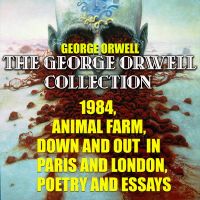
The George Orwell CollectionGeorge Orwell24h 46m4.5 (14.4K)$12 · $0.00
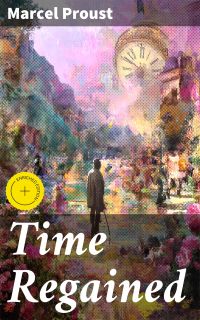
Time RegainedMarcel Proust15h 38m4.5 (9.2K)$2 · $0.00

Driving ForceElle James4h 58m4.6 (407)$20 · $0.00
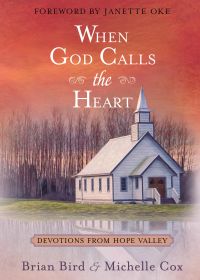
When God Calls the HeartBrian Bird, Michelle Cox3h 24m4.6 (439)$10 · $0.00
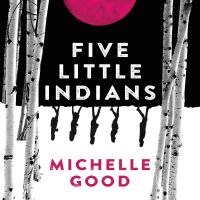
Five Little IndiansMichelle Good10h 34m4.5 (64.5K)$29 · $0.00
Lolth's WarriorR. A. Salvatore13h 20m4.6 (2.4K)$33 · $0.00

The Things We Cannot SayKelly Rimmer13h 48m4.5 (359.1K)$33 · $0.00

The Love Songs of W.E.B. Du BoisHonoree Fanonne Jeffers29h 49m4.5 (58K)$8 · $0.00
Going PostalTerry Pratchett11h 23m4.5 (189.9K)$29 · $0.00

Glen AffricKarine Giebel22h 51m4.5 (3.2K)$46 · $0.00
The Book Of NegroesLawrence Hill15h 45m4.5 (107.3K)$33 · $0.00
Anne of Green GablesL. M. Montgomery11h 1m4.5 (1.2M)$2.30 · $0.00
Lieutenant Hornblower (Annotated)C. S. Forester11h 41m4.5 (2.9K)$2 · $0.00
You may also like
Amy FosterJoseph Conrad1h 19m3.6 (1.2K)$2.30 · $0.00

Tess of the d'Urbervilles: A Pure WomanThomas Hardy18h 4m4.0 (367.8K)$2 · $0.00
Three SistersAnton Chekhov2h 36m4.2 (28.7K)$1.20 · $0.00
Ethan FromeEdith Wharton3h 59m3.7 (170.6K)$6 · $0.00
The Return of the Native (Annotated)Thomas Hardy15h 56m4.0 (55.3K)$1.99 · $0.00
Los habitantes del bosqueThomas Hardy16h 59m4.0 (20.9K)$1.20 · $0.00
D.H. Lawrence: Collected Short StoriesD.H. Lawrence11h 47m4.2 (1.7K)$1 · $0.00
The WoodlandersThomas Hardy15h 1m4.0 (22.3K)$20 · $0.00

The Troll Garden, and Selected StoriesWilla Cather9h 7m3.9 (1.5K)$2.30
The Sorrows of Young WertherJohann Wolfgang von Goethe4h 31m4.0 (184.7K)$2.30
Amy FosterJoseph Conrad1h 17m3.7 (1.4K)$2.30
The AwakeningKate Chopin4h 35m3.9 (273.5K)$1 · $0.00
Typhoon and Other StoriesJoseph Conrad8h 9m4.0 (1.4K)$12 · $0.00
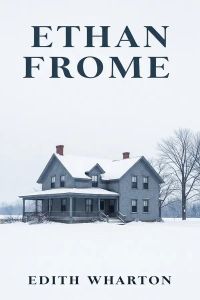
Ethan FromeEdith Wharton3h 18m3.7 (185.5K)$2.30 · $0.00
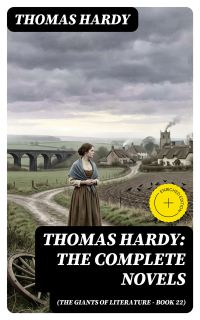
Thomas Hardy: The Complete Novels (The Giants of Literature - Book 22) (Annotated)Thomas Hardy196h 41m4.5 (346)$1.99 · $0.00
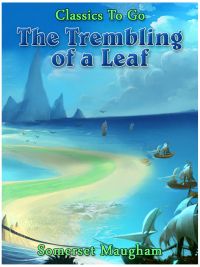
The Trembling of a LeafSomerset Maugham8h 12m4.2 (3.1K)$2.30
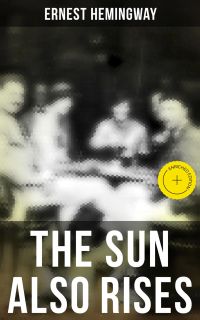
The Sun Also RisesErnest Hemingway9h 25m4.0 (596.3K)$2 · $0.00
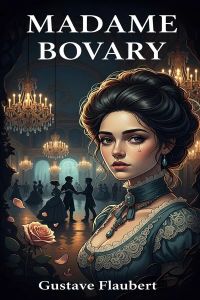
Madame BovaryGustave Flaubert13h 2m3.9 (437K)$2.30 · $0.00
The AwakeningKate Chopin5h 1m3.8 (242.4K)$14 · $0.00
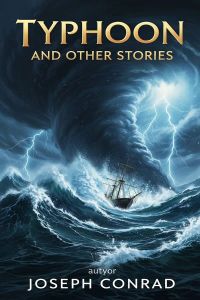
Typhoon and Other StoriesJoseph Conrad8h 57m4.1 (6.7K)$2.30 · $0.00